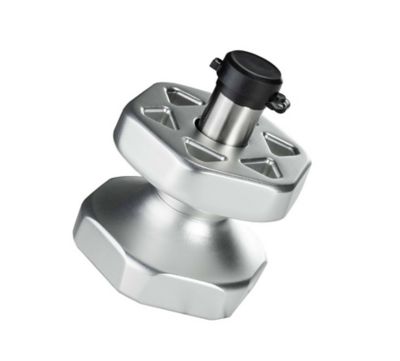
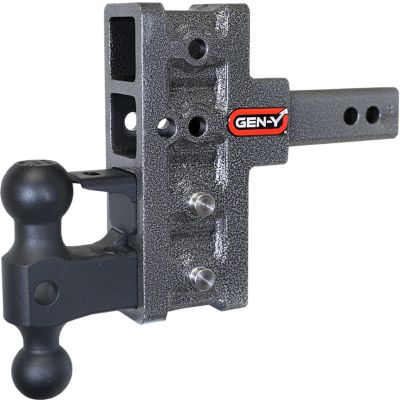
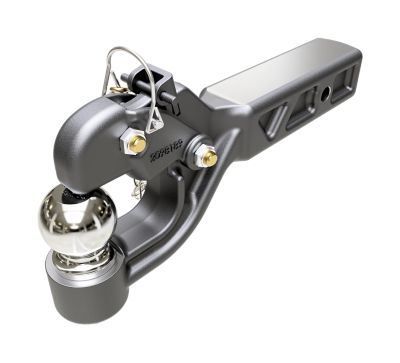
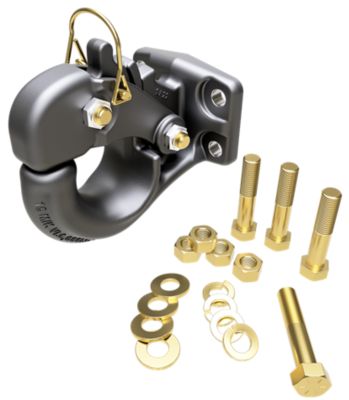
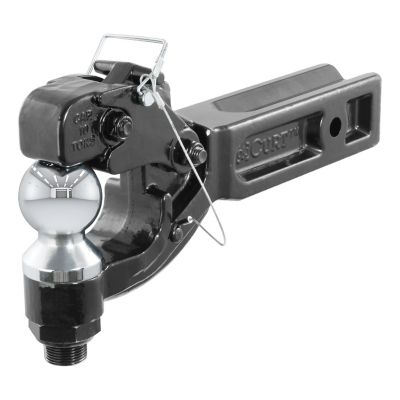
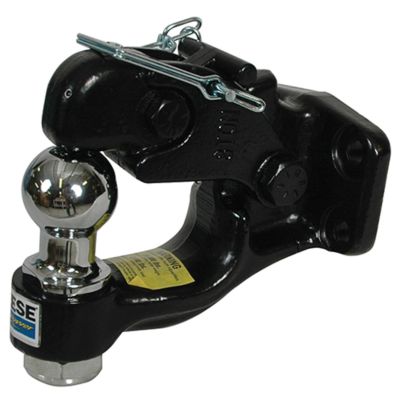
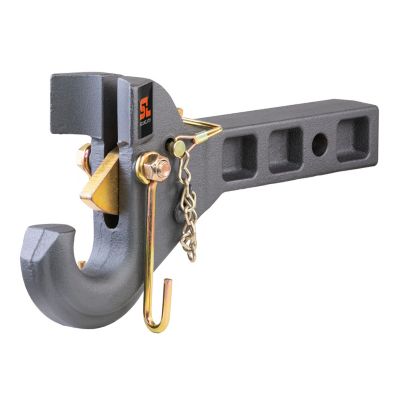
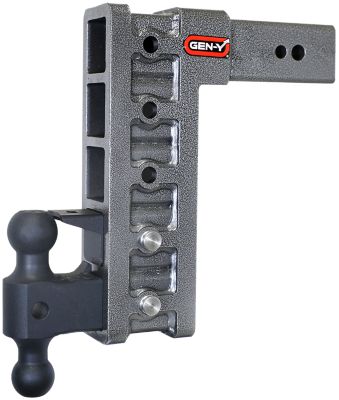
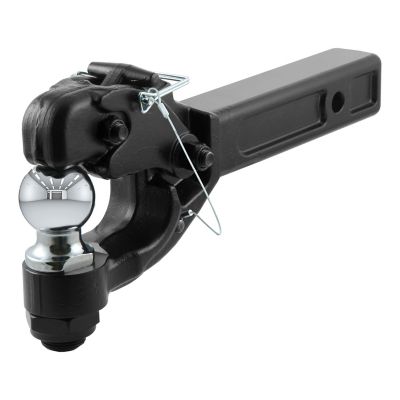
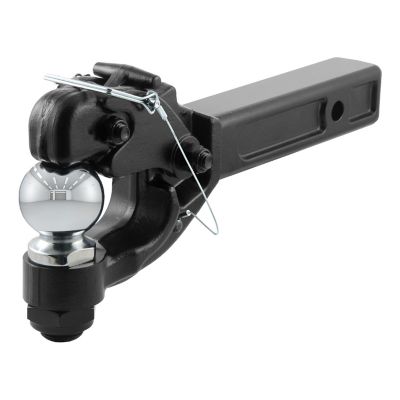
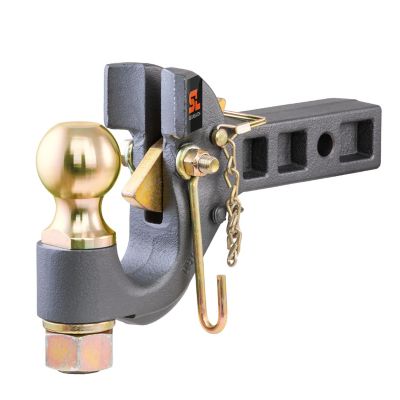
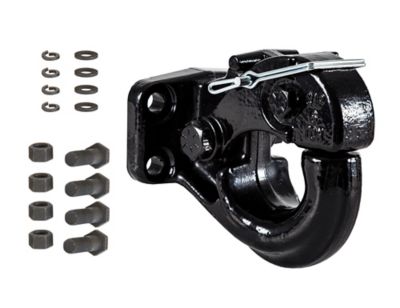
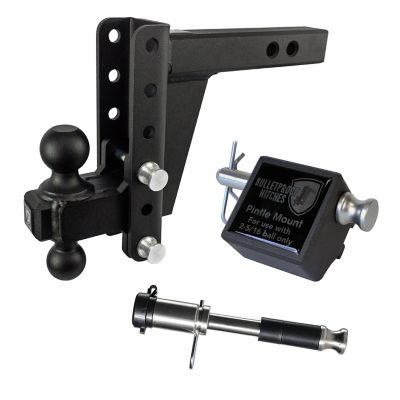
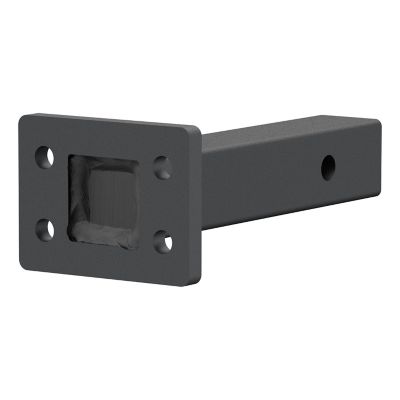
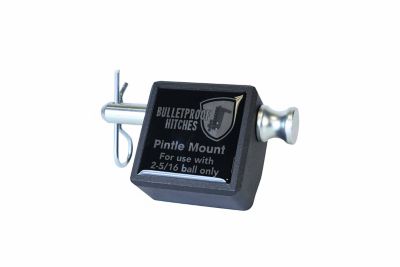
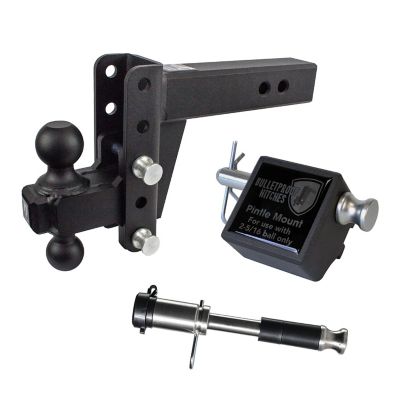
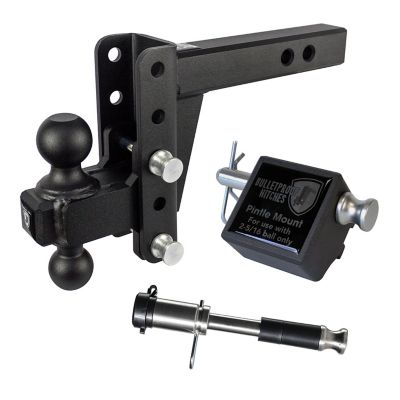
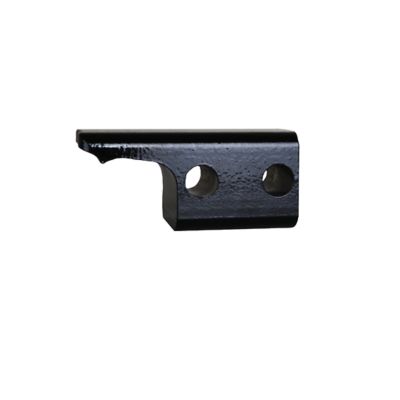
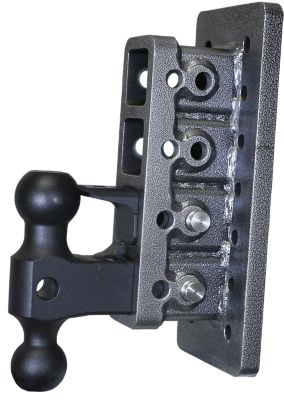
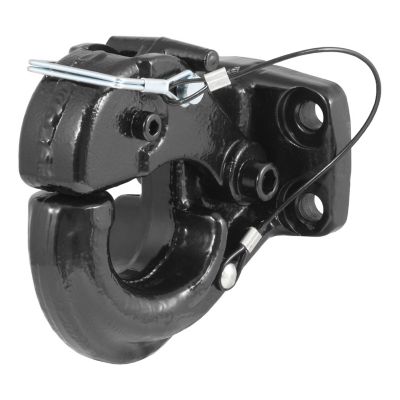
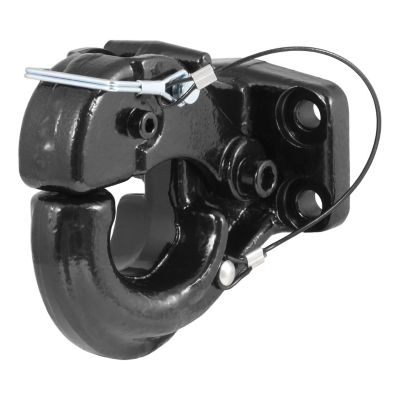
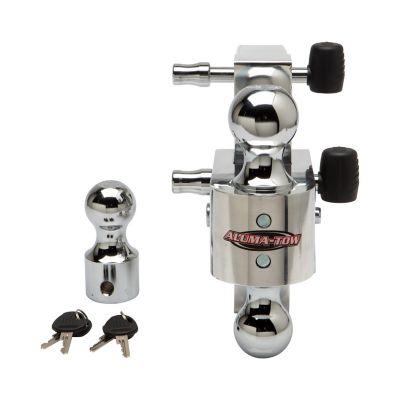
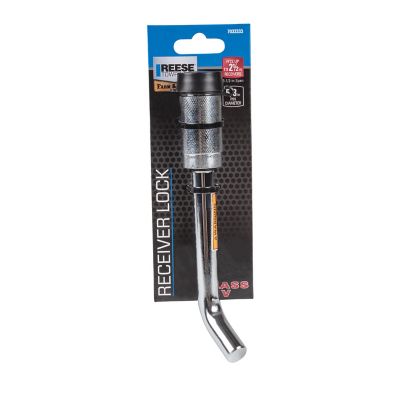
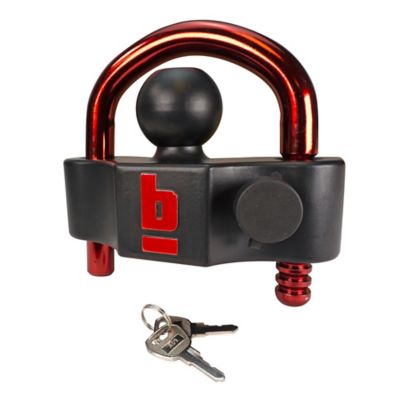
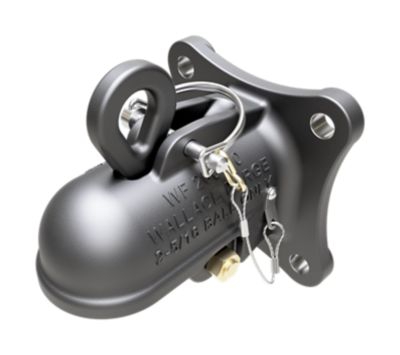
Pintle locks are heavy-duty security devices made for trailers and equipment that use a pintle hook and lunette ring coupling system. When a trailer is parked and uncoupled, the lock helps keep the lunette ring from being connected to a pintle hook, making it much harder for someone to hitch up and pull the trailer away. These locks are a practical addition for farm trailers, utility trailers, equipment haulers, construction trailers, dump trailers, and other work gear that may spend time in a driveway, pasture, jobsite, storage yard, or beside a barn. A pintle hitch is built for serious loads and rough use, so the lock needs to stand up to that same kind of environment. Many pintle locks use a solid locking pin, a blocking disc, or a heavy-duty body that fits around or through the trailer eye and coupling area. The right style depends on how the trailer is built and where the lock attaches. Some locks secure the lunette ring while the trailer is parked, while pintle hitch pin locks secure the mounting hardware, jaw, or receiver connection on the tow vehicle. Those jobs can look similar at a glance, but they are not always interchangeable. A lock made for a receiver pin may not block a trailer eye, and a coupler lock may not secure the pintle mount during travel. Taking a close look at the trailer’s coupling setup before buying can save a return trip and a lot of head scratching. Check the lunette ring or eye size, the opening diameter, the pin diameter, the available clearance around the hook, and the hitch or receiver dimensions. Trailer eyes commonly vary in size, with many pintle lock options designed around roughly 2-1/2-inch or 3-inch openings, but measurements should come from the actual trailer rather than a guess. Clearance matters, too, especially on heavy equipment trailers where the ring, hook, safety chains, and mounting plates all sit close together. A lock that fits through the opening but cannot close fully around the hardware will not provide the security intended.
When choosing among pintle locks, look for a sturdy construction suited to outdoor use, a locking mechanism that operates smoothly, and a shape that does not leave unnecessary room for prying or tampering. Steel is a common choice for strength, while coated or weather-resistant finishes can help a lock handle rain, dust, mud, road spray, and the damp conditions that come with cooler seasons. A protective cap or covered keyway can help keep grit and moisture away from the cylinder, which is useful when trailers live outside instead of under a roof. Even a well-built lock benefits from basic care: brush off packed dirt, keep the keyway clean, and use a lubricant made for locks when the mechanism starts feeling stiff. Store the key where it can be found easily, but not in an obvious spot inside the tow vehicle. For day-to-day use, make sure the lock is fully seated and closed before leaving the trailer unattended, and confirm that any removable pin or retaining piece is secured. A pintle lock is meant to protect parked equipment; it should not replace the proper towing connection, safety chains, breakaway equipment, or a complete pre-trip inspection. Before heading down the road, remove any lock that is not specifically designed to remain installed during towing and inspect the hook, ring, latch, pin, and mounting hardware for wear or damage. Pintle locks also pair well with other trailer security steps, including parking on level ground, using wheel chocks, keeping valuable equipment out of sight, and choosing a well-lit storage area. For owners who use several hitch styles, comparing pintle locks with
Swing Locks and other hitch security options can help match the lock to each trailer and towing setup. These are the kinds of practical gifts that make sense for a farmer, contractor, landscaper, rancher, or weekend hauler—especially someone who keeps a trailer loaded with tools, fencing supplies, livestock panels, firewood, or equipment during the busy season. A dependable lock may not be flashy, but it brings peace of mind when the trailer is sitting by the shop through a stretch of warm weather or parked outside during the cooler months. Look for a pintle lock that matches the actual hitch dimensions, fits without forcing, and is built for the hard outdoor work your trailer sees.