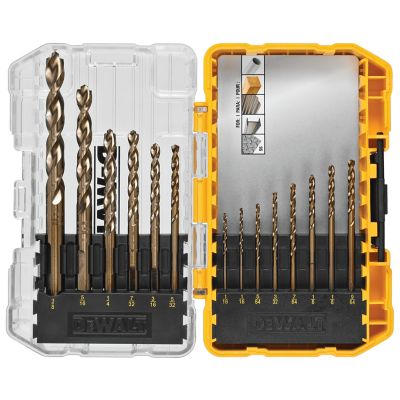
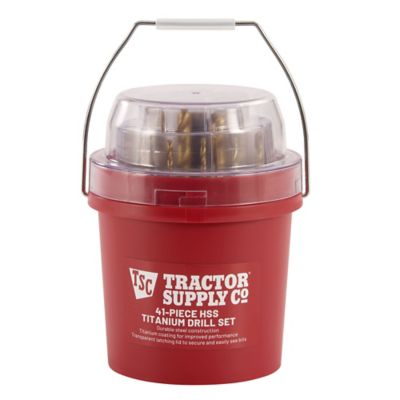
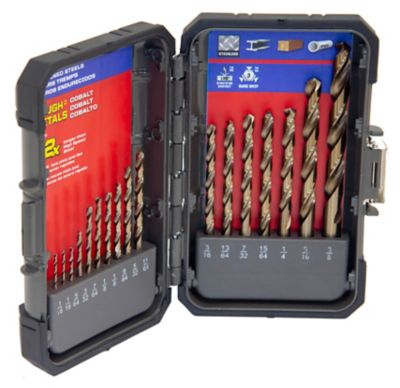
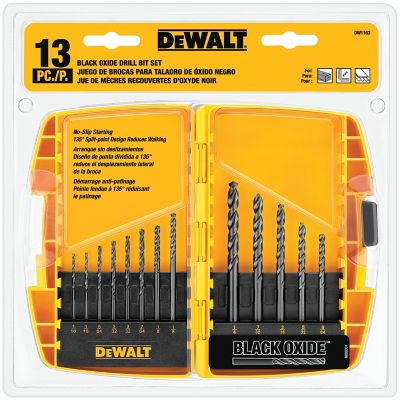
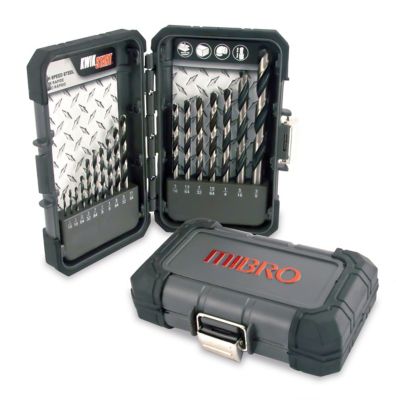
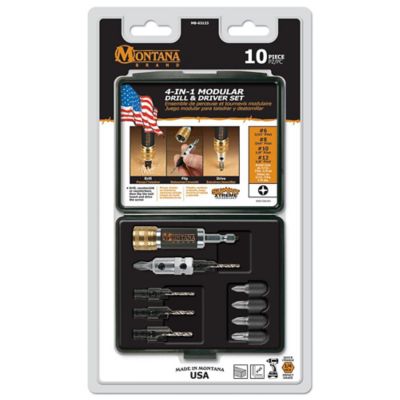
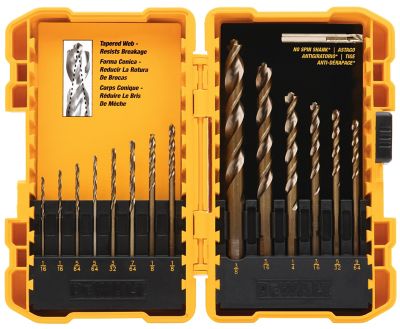
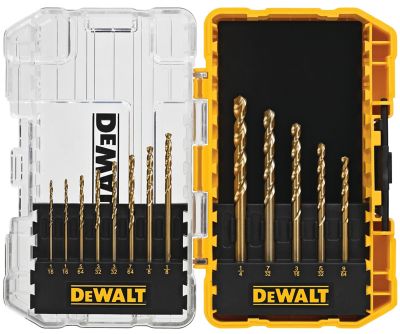
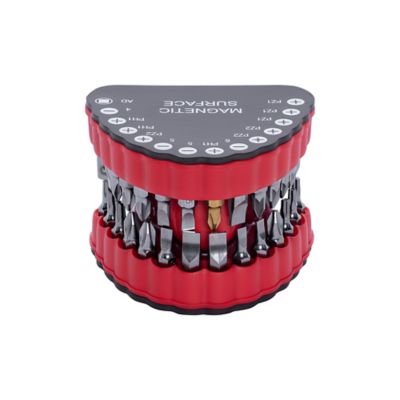
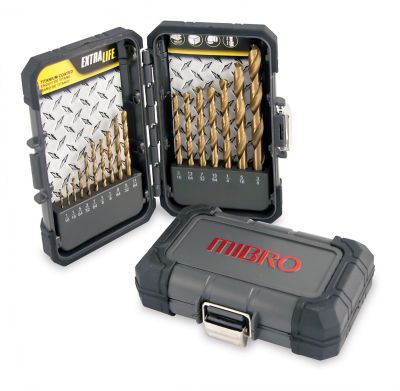
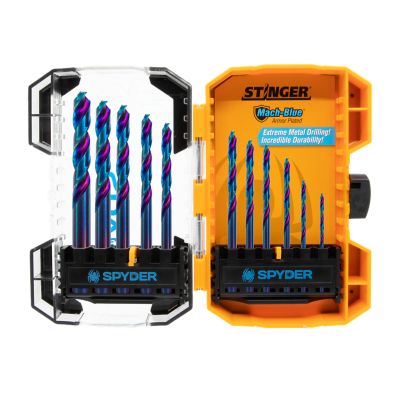
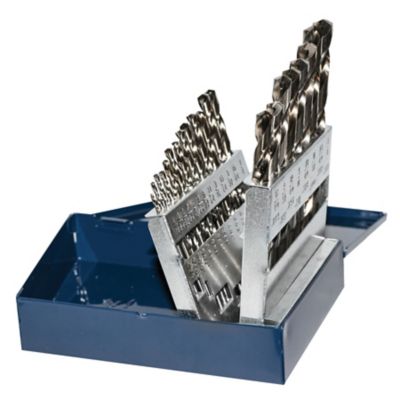
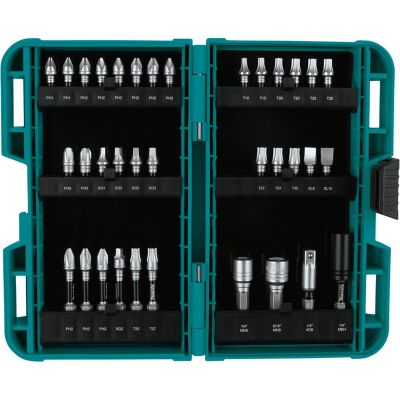
Drill bit sets are collections of interchangeable cutting tools that fit a drill and make holes in wood, metal, plastic, masonry, and other materials, depending on the bit design. A well-matched set keeps common sizes together for jobs around the house, barn, garage, or farm shop, from drilling pilot holes in fence boards to making bolt holes in a steel bracket. Having several diameters in one case makes it easier to move between tasks without hunting through a drawer of loose bits. The right assortment depends less on the number of pieces and more on the materials and hole sizes a project calls for. A smaller selection of frequently needed sizes can be a good fit for everyday repairs, while a broader assortment gives woodworkers, mechanics, and maintenance crews more room to handle different fasteners and fittings. Fractional-inch sizes are common for many household and shop jobs, while metric sizes matter when working with metric hardware or equipment specifications. Clear size markings help keep similar-looking bits straight, especially when the difference between two diameters is hard to spot by eye. Pilot holes, clearance holes, and holes sized for tapping threads serve different purposes, so the diameter should match the fastening job rather than simply look close. A pilot hole helps a screw enter wood with less chance of splitting it; a clearance hole lets the fastener pass through one piece before engaging the next. Those distinctions matter when hanging gate hardware, fastening a workbench top, or fitting a replacement bracket. Set contents also deserve a close look because drilling bits cut holes, while driver bits turn screws, and some assortments combine both. Organized storage brings another practical benefit: a fitted case or drill index makes missing sizes easier to notice and keeps cutting edges from knocking together. For someone who moves between a shop bench and repair jobs out on the property, a secure closure and readable compartments can make the whole set easier to manage.
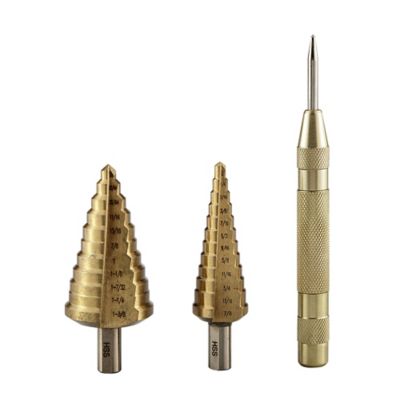
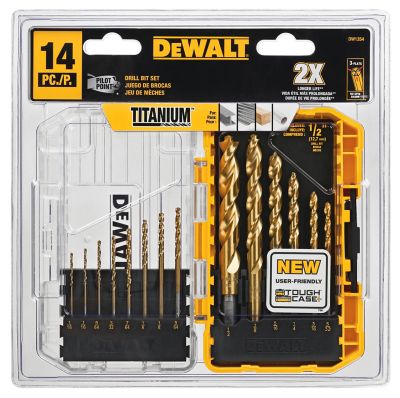
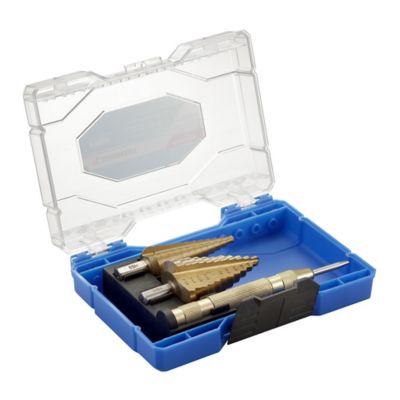
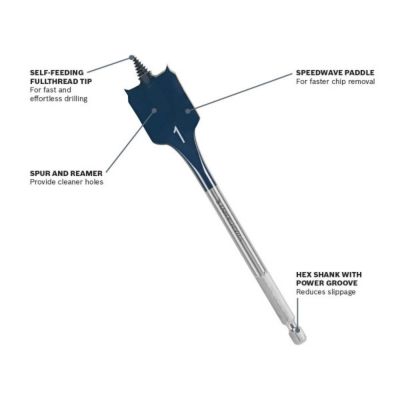
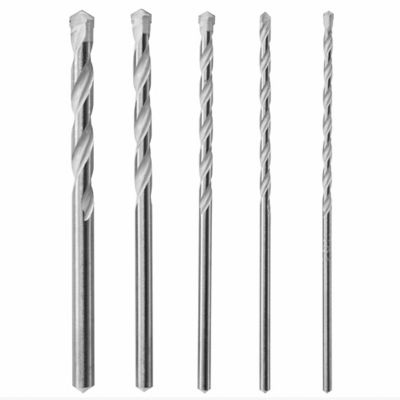
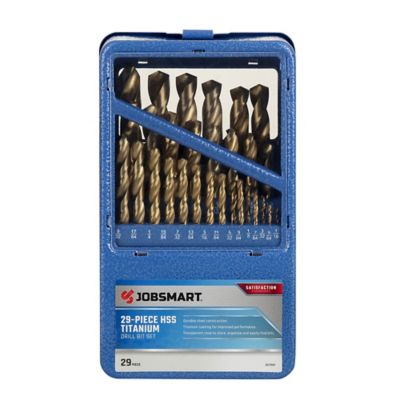
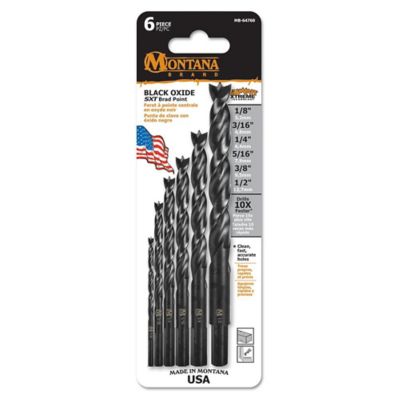
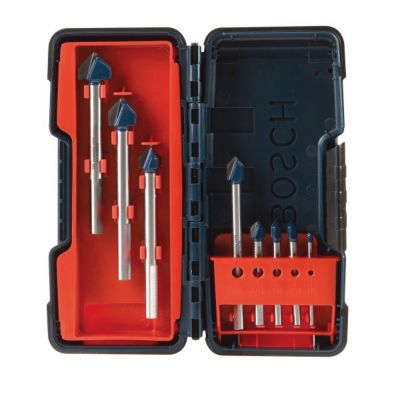
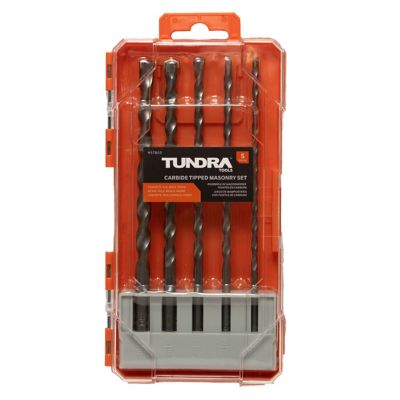
Bit material and cutting geometry have a big say in how a set performs. High-speed steel, often labeled HSS, is a common choice for general drilling in wood, plastic, and many metals. Black oxide treatments offer some corrosion protection and can help retain lubricating oil, though the bits still need clean, dry storage. Titanium-coated bits have a hard surface layer that can reduce friction and wear in suitable applications; the coating is different from the material underneath, and sharpening can remove it at the cutting edge. Cobalt drill bits are typically made from a high-speed steel alloy containing cobalt, which helps them retain hardness under heat when cutting tougher metals such as stainless steel. They still depend on suitable speed, pressure, and lubrication, and excessive sideways force can break a bit. For a farm shop that handles both lumber and metal repairs, understanding those differences is more helpful than treating every finish as interchangeable. Point design matters, too. A split-point tip can help reduce wandering when a hole starts, while a center punch mark gives a metal-drilling bit a defined starting spot. Brad-point bits have a pointed center and cutting spurs that suit clean, well-positioned holes in wood, such as shelf-pin holes or openings in a cabinet panel. Spade and auger designs handle larger holes in lumber, while step bits can make several hole diameters in thin sheet material within their stated thickness limits. Masonry bits generally have carbide tips for brick, concrete, and similar surfaces, with hammer-drill compatibility determined by the bit and tool specifications. Glass and tile call for bits designed for those surfaces rather than ordinary wood or metal bits, and hammer action is generally unsuitable for brittle tile. Plastic also needs attention: too much heat can soften the material, and aggressive cutting can crack an edge. These differences explain why a general-purpose drill bit set may cover plenty of routine work without replacing every specialty bit needed for a particular material.
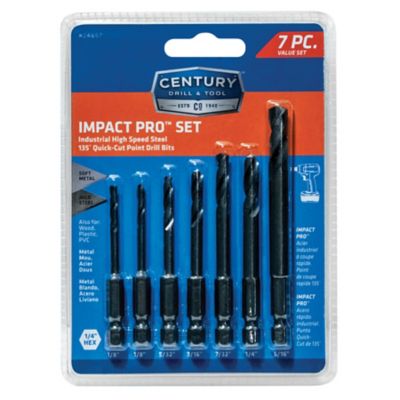
Fit starts with the shank, the part of the bit held by the tool. Round shanks commonly fit three-jaw drill chucks, but the chuck’s capacity must accommodate the shank diameter. A reduced-shank bit can make a larger hole while fitting a smaller chuck, provided the drill has the power and the application falls within its specifications. Hex-shank bits offer another connection style, and a 1/4-inch hex shank may fit a quick-change holder; that shape alone does not mean a bit is rated for an impact driver. SDS-style masonry shanks require a matching tool connection rather than an ordinary drill chuck. Bit length matters as well. Extra reach can help get through thicker material or into a recessed spot, but a shorter bit is often easier to keep steady when reach is not a concern. That can make a difference when drilling a straight hole through a gate brace or lining up fasteners on a narrow rail. Good work habits help protect both the bits and the material. Firmly secured work, a steady drilling position, and eye protection are sensible basics, while a backing board can support wood fibers where the bit exits. Metal cutting often benefits from an appropriate cutting fluid, and clearing chips helps keep the cutting edges working rather than rubbing. After a job, wiping away chips and moisture before returning bits to their slots helps limit rust and keeps the case clean. Dull edges, chipped tips, bent shafts, or a bit that no longer runs straight are signs that it needs attention or replacement. Keeping drilling and fastening tools organized together also makes everyday repairs smoother;
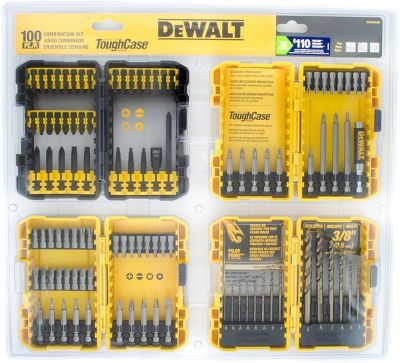
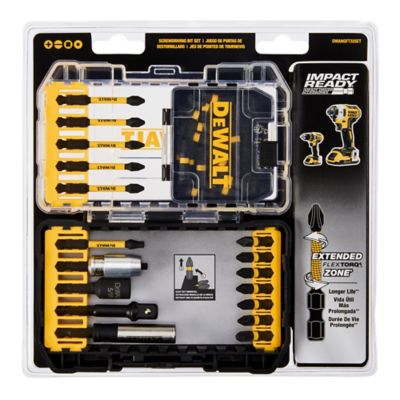
Screwdriving Bit Sets cover the separate task of engaging screw heads once the holes are ready. For a practical gift, a drill bit set makes sense for someone setting up a first workbench, maintaining equipment, or tackling regular household repairs, especially when its sizes and shanks match the drill already in their toolbox.