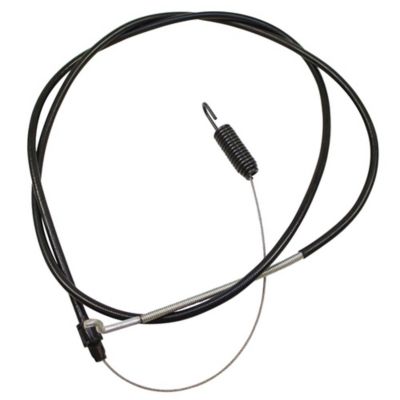
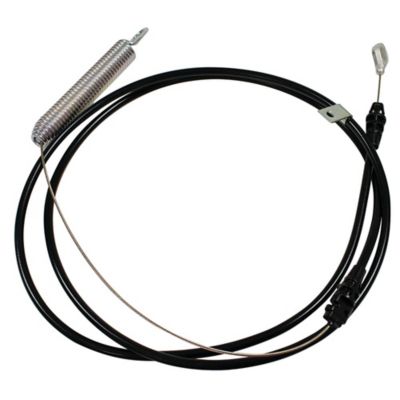
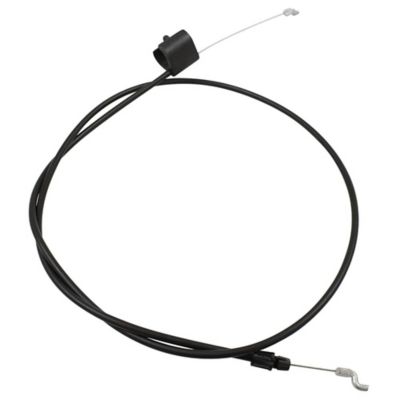
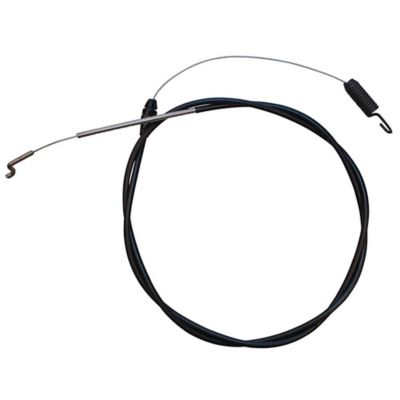
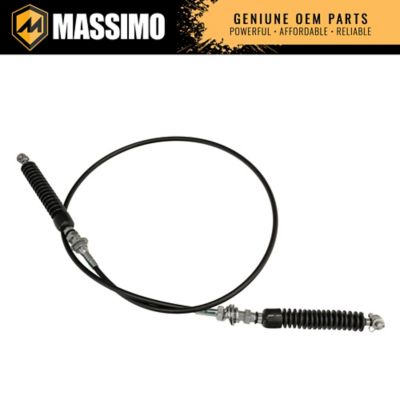
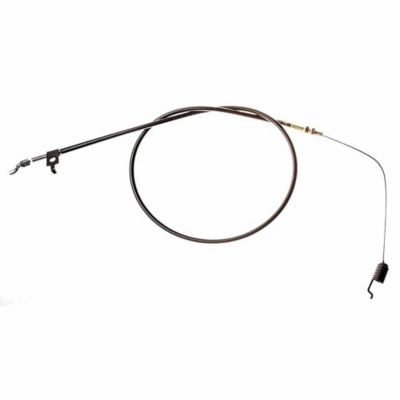
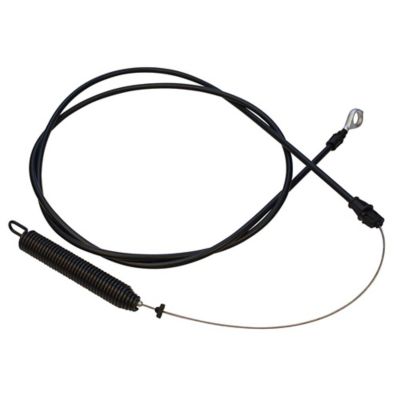
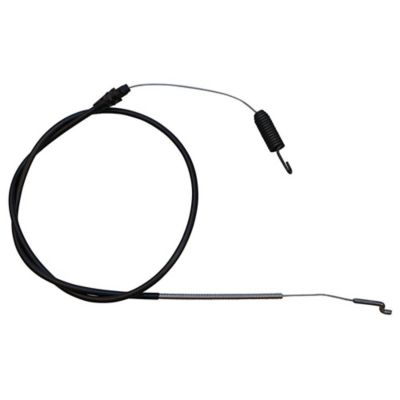
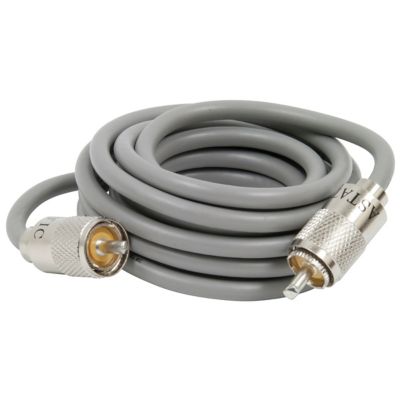
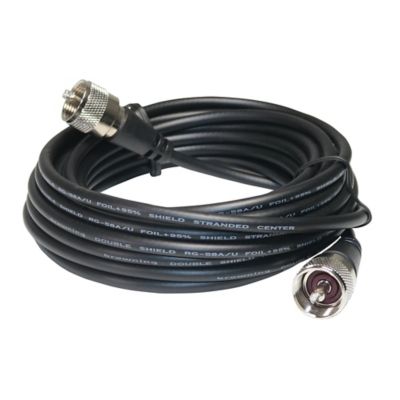
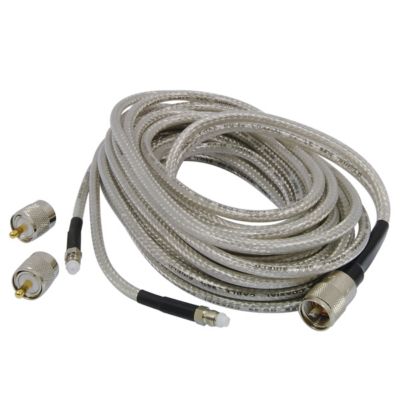
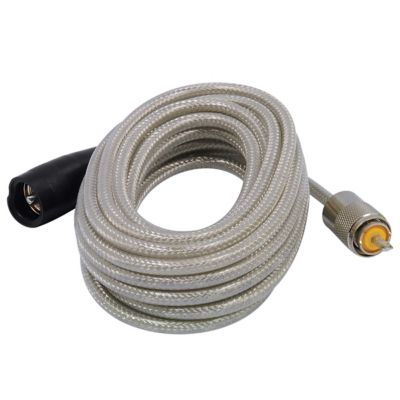
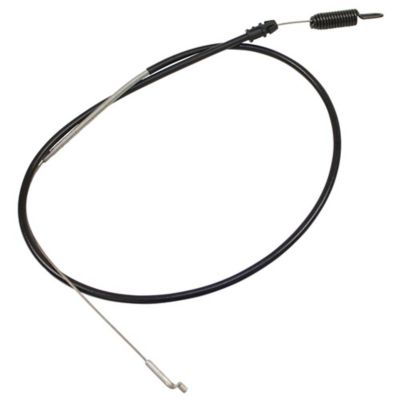
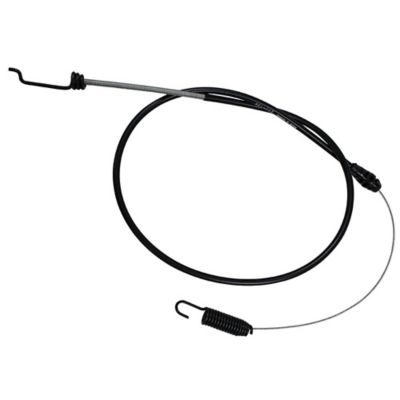
Transmission cables play a small but important part in how a vehicle responds when you move the shifter. A shift cable connects the gear selector inside the cab to the transmission linkage underneath the vehicle, allowing the transmission to move into Park, Reverse, Neutral, Drive, or the selected manual gear. Automatic vehicles may also use a kickdown cable, throttle valve cable, or TV cable to help the transmission respond to throttle movement and choose when to downshift under acceleration. When one of these cables wears out, stretches, binds, or breaks, the problem can show up in ways that are easy to notice: the shifter may feel loose or sloppy, the gear indicator may not line up with the actual gear, or the vehicle may stay in one gear. In more serious cases, moving the shifter into Drive or Reverse may not engage the transmission at all. These symptoms can be caused by the cable assembly, but they may also come from a worn mounting point, a damaged bracket, or a small plastic end bushing that has dried out and crumbled with age. A vehicle that has spent years on gravel roads, farm lanes, salted pavement, or in muddy work areas can put extra wear on parts underneath, where dust, moisture, road spray, and temperature swings take their toll. Replacing a worn transmission cable can help restore a more positive shift feel and make it easier to select the intended gear, whether the vehicle is a daily driver, work truck, older project, utility vehicle, or weekend ride.
Choosing the right transmission cable starts with accurate vehicle information. Check the year, make, model, engine size, transmission type, body style, and drivetrain before ordering, since cables that look nearly identical may have different lengths, end fittings, mounting clips, or routing requirements. Automatic and manual transmissions use different cable arrangements, and even vehicles from the same model year can vary by engine or trim package. Compare the original cable’s overall length, outer sleeve, inner wire, attachment points, and shifter and transmission ends whenever possible. The cable needs to follow the factory path without sharp bends, rubbing against exhaust components, catching on steering or suspension parts, or hanging low enough to snag on brush and ruts. A replacement with the right ends but the wrong length may leave the transmission unable to reach every gear, while an incorrectly routed cable can bind and create the same sloppy shifting that led to the repair. Inspect the cable housing and mounting hardware as well as the ends. If the metal wire is frayed, seized, stretched, or snapped, replacing the complete cable assembly is generally the dependable choice. If the cable itself is sound and only a small end bushing or retaining clip has failed, a compatible bushing repair may solve the problem at a lower cost. Keep in mind that a bushing replacement must match the cable end and linkage connection; a loose-fitting repair can allow the selector to move without fully moving the transmission lever. When working underneath a vehicle, park on a level surface, set the parking brake, block the wheels, and support the vehicle with properly rated equipment. After installation, confirm that the shifter and transmission lever agree in every position before driving, and make sure the vehicle starts only in the appropriate safety positions.
Transmission cables are a practical choice for vehicle owners who prefer to handle straightforward maintenance at home, as well as for mechanics, farm families, fleet operators, and anyone keeping an older vehicle on the road. A pickup that hauls feed, fencing supplies, or firewood sees plenty of shifting and vibration, while a work van or utility vehicle may rack up repeated gear changes during stop-and-go jobs. During the warmer seasons and into the cooler months, a sound cable can make daily driving feel more controlled when vehicles are loaded, towing equipment, or traveling on uneven roads. These parts can also make a useful gift for a hands-on driver, restoration hobbyist, or family member who keeps a dependable older truck running, especially when paired with basic shop supplies and the correct service information. Transmission cables are separate from other drivetrain components, so make sure the repair matches the actual symptom rather than replacing parts by appearance alone. A transmission that slips, grinds, refuses to move, or makes unusual noises may have a deeper mechanical issue that a cable will not correct. Likewise, a mismatched gear indicator or delayed engagement deserves careful inspection before the vehicle is returned to regular use. If the cable operates smoothly but the transmission still shifts poorly, a qualified technician can check the linkage adjustment, fluid condition, transmission controls, and related components. For shoppers comparing other maintenance parts,
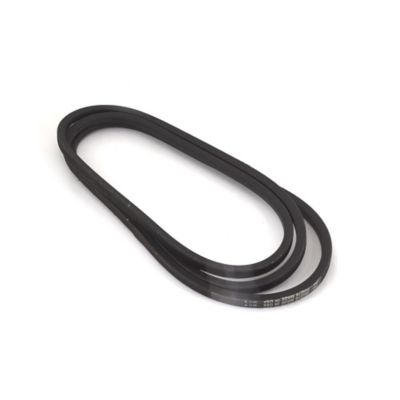
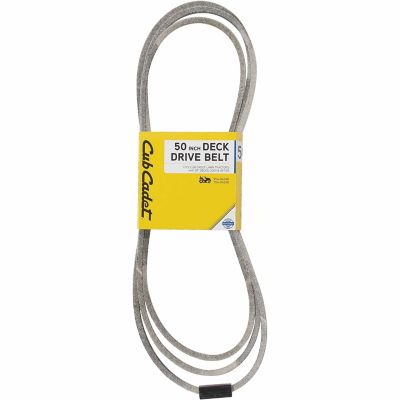
Transmission Belts serve a different purpose and should not be confused with shift or kickdown cables. Taking a few minutes to confirm the vehicle details and inspect the old part helps prevent a return trip, keeps the repair on track, and gives your vehicle the steady, predictable shifting it needs for errands, chores, and miles down the road.