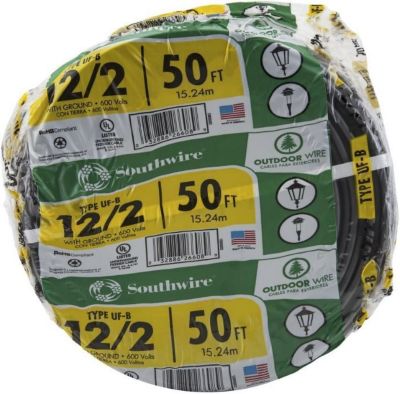
Cable supplies cover the electrical wire, data cable, connectors, protective fittings, and cable management accessories that help carry power and signals where they need to go. These materials support everything from a home office connection to a farm shop’s lighting circuit, a barn camera system, or a workbench with several pieces of equipment. Although cables can look similar on the outside, their jobs differ considerably. Electrical cable carries power and must match the circuit’s electrical requirements and installation method. Ethernet cable carries network traffic between compatible devices, coaxial cable serves certain video and communications connections, and fiber optic cable transmits information through strands of glass or plastic. Audio and video cables have their own connector types and performance requirements, too. The right match starts with the equipment at each end, the distance between those points, and the route the cable will follow. A short connection behind a desk calls for different features than a permanent run through a shop wall. Cable length matters beyond simply reaching the next outlet or device: excess slack can crowd a cabinet or catch underfoot, while a cable pulled tight places strain on its ends. Materials also make a difference. Copper conductors are common in power and communications applications, but conductor construction, insulation, shielding, and jacket material all affect suitability. Solid and stranded conductors have different handling characteristics, and neither is a substitute for checking the cable’s stated application. For electrical work, conductor size, circuit protection, terminal compatibility, and applicable code requirements belong in the same conversation. For networking, the cable category, supported distance, and connector specifications help determine whether a connection can meet the equipment’s demands. Homeowners, farmers, maintenance crews, and tradespeople all benefit from treating cable supplies as a matched system rather than a collection of interchangeable parts. That approach helps keep a simple equipment hookup from turning into a tangle of mismatched ends, unnecessary adapters, and cables stretched across a working space.
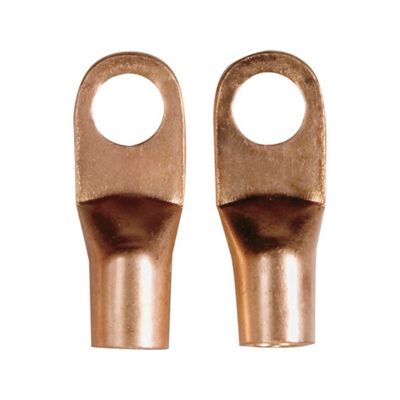
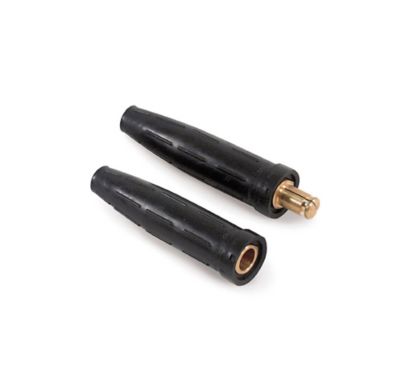
Fit is just as important at the connection point as it is along the cable route. A connector needs to match the cable’s construction and dimensions as well as the port or terminal it joins. Two plugs with similar shapes may support different functions, and an adapter that joins them physically does not necessarily convert the signal or supply the required power. Equipment documentation is the best reference for sorting out those differences. Ready-terminated
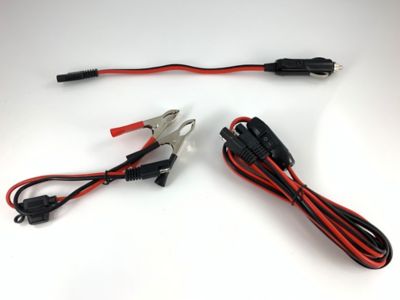
Connection Cables can suit straightforward equipment hookups when their connector types, length, and electrical or signal specifications match the task. Permanent wiring and field-terminated network runs bring additional considerations, including compatible terminations, enclosures, and testing equipment. In a busy farm office, for example, a network connection may need to support both routine paperwork and camera viewing without leaving loose cable loops beside a chair. Across the shop, cable routed near motors or other electrical equipment may require attention to interference and separation requirements. Shielding can help in appropriate applications, but its effectiveness depends on the complete installation, including compatible components and proper grounding where required. Ethernet categories describe performance capabilities, while coaxial impedance and fiber type must suit the connected equipment. Power delivery over a network cable adds another compatibility check for the cable, connectors, and powered devices. The jacket markings and manufacturer specifications provide more useful information than appearance alone. Where cables pass through a panel or enclosure, suitable bushings and fittings help protect against abrasion at the opening. Strain relief limits the pull transferred to a connection, while supports keep the cable’s weight from hanging on a plug or terminal. Bend radius matters as well, especially with fiber optics and other cables that can suffer damage from a tight corner. In practical terms, a well-matched setup leaves enough room to make connections without forcing them, supports each run appropriately, and keeps access clear for the next person who needs to service the equipment.
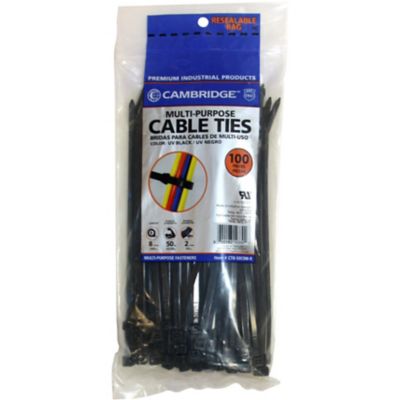
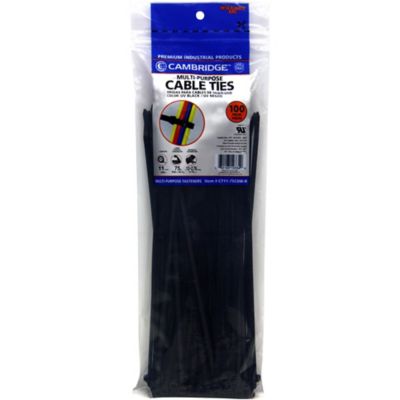
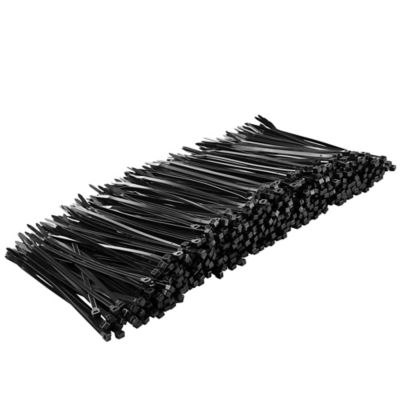
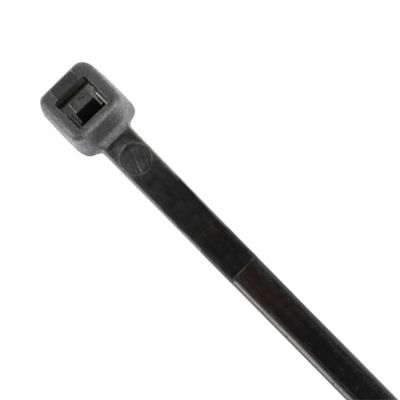
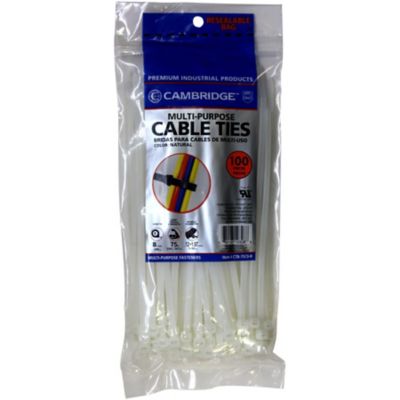
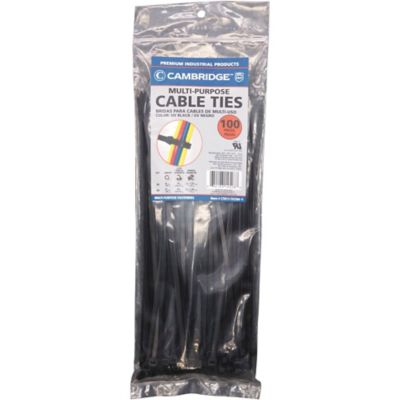
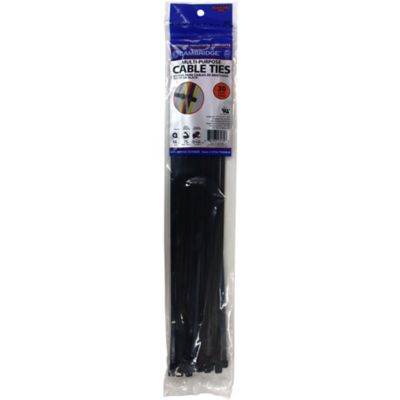
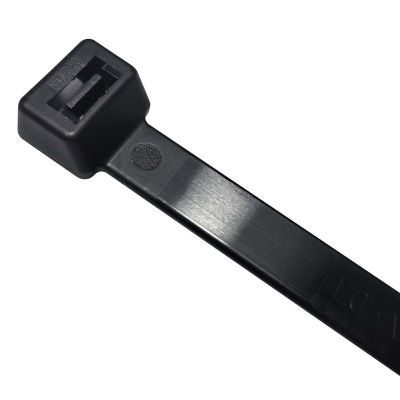
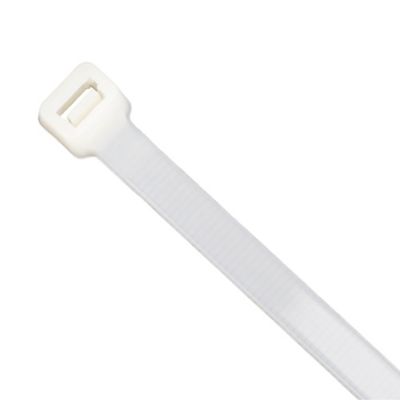
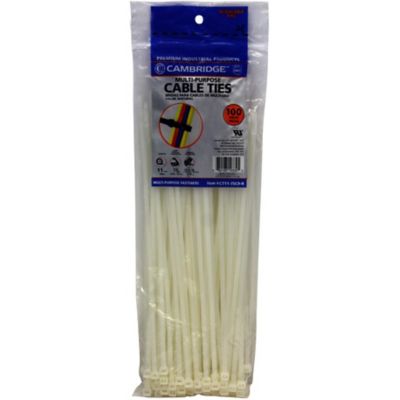
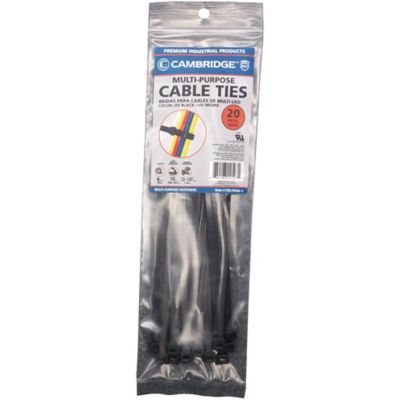
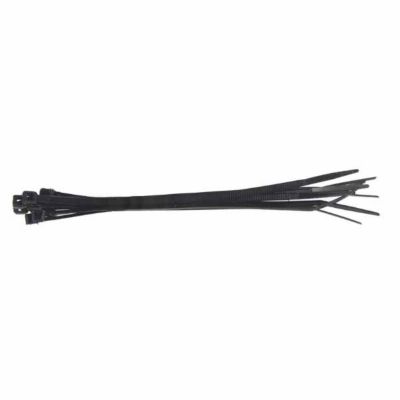
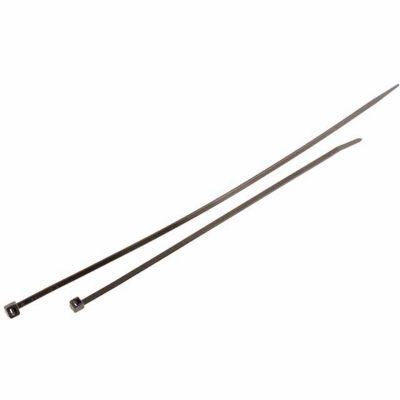
Cable management brings order to spaces where power cords, network lines, and equipment connections share limited room. Along a workbench, behind a desk, or inside an equipment cabinet, suitable supports and routing accessories help keep runs identifiable and away from moving parts. The goal is not simply a neat appearance. A cable tucked clear of a drawer slide, protected from a sharp metal edge, or supported above a walkway faces fewer opportunities for damage. Fasteners need to hold without crushing the jacket, and cable bundles should not interfere with ventilation or disregard installation requirements. Identification at both ends can save a good deal of searching when equipment moves or a connection needs attention. Clear labels are especially helpful around a shop where several similar cables disappear behind benches or enter the same cabinet. Installation and maintenance tools also belong within the broader cable supplies category. Stripping and termination tools need to match the conductor and connector, while testing tools should suit the type of circuit or signal being checked. A basic continuity check, for instance, does not establish that a network run meets a particular performance standard. Care afterward is mostly a matter of protecting the cable’s original construction and noticing changes before they interrupt work. Jackets should remain free of cuts, crushed sections, and exposed conductors; connector housings should stay intact, with secure fittings and no signs of overheating. Unplugging by the connector rather than tugging on the cable reduces stress at the termination. Cables kept for occasional equipment connections benefit from loose coils that respect their bend limits and storage away from sharp tools, chemicals, and heavy objects. Permanent installations require the proper cable rating for their location, and portable cords are not a replacement for permanent building wiring. Electrical circuit work belongs with a qualified professional whenever the task or local requirements call for one. Whether the setting is a small home workspace or a shop that stays busy from chore time through evening repairs, thoughtful cable selection and care help keep connections organized, protected, and suited to the work at hand.