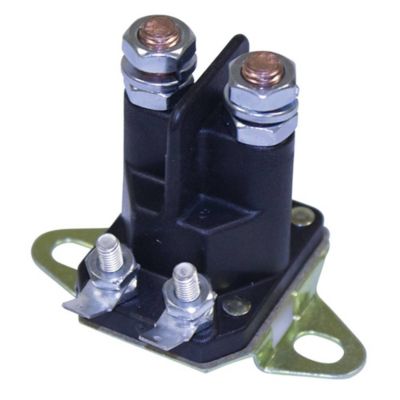
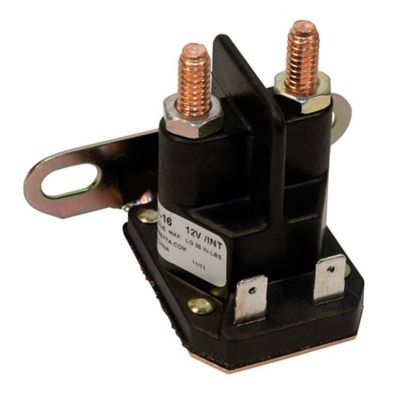
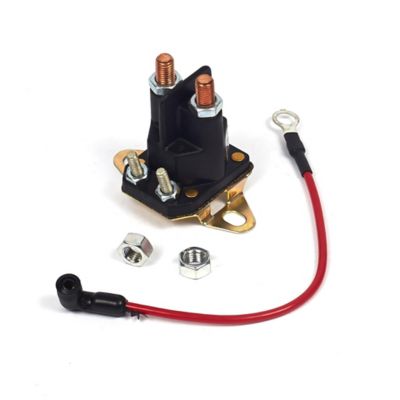
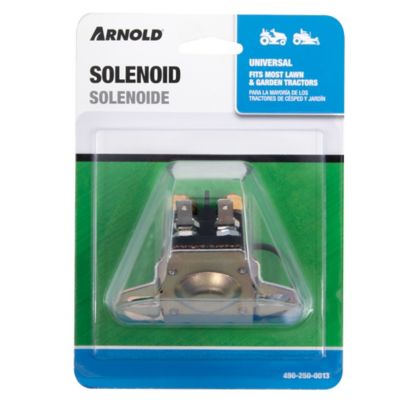
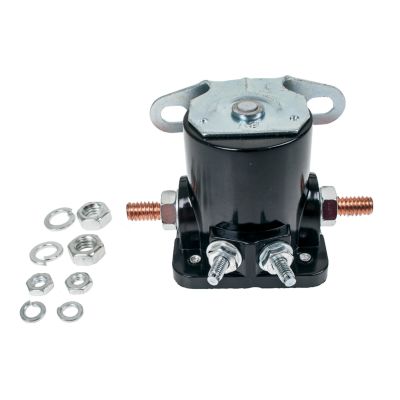
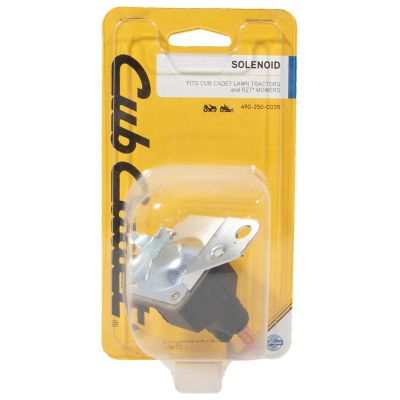
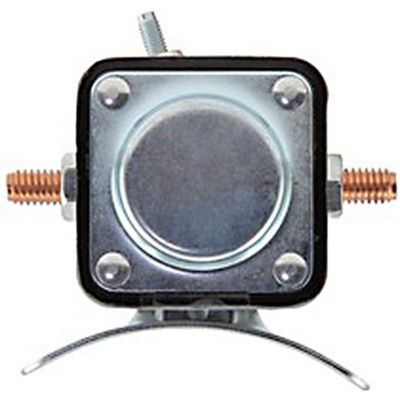
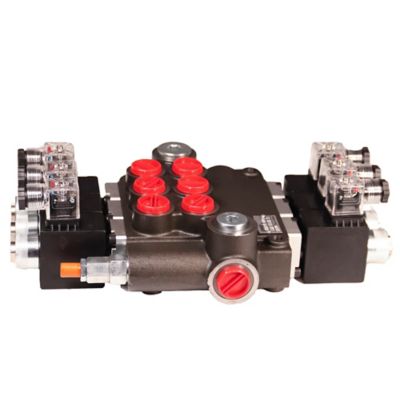
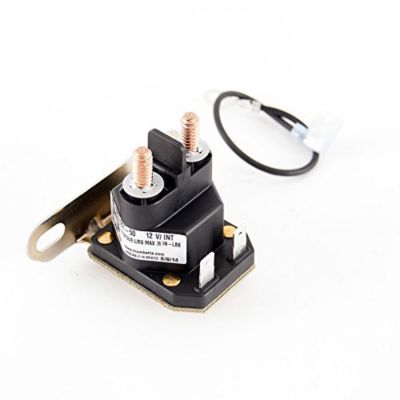
When it comes to keeping your truck, tractor, or daily driver running smooth through long summer days and into the cooler months of fall, the little things under the hood can make all the difference. Transmission solenoids might be small, but they sure play a big role in how your automatic transmission shifts and responds. These electro-hydraulic valves work behind the scenes, controlled by your vehicle’s computer, to open and close at just the right time—directing transmission fluid where it’s needed so gear changes happen smooth as butter. Whether you’re hauling hay, towing a trailer, or just cruising down the backroads, a healthy solenoid keeps your ride from jerking, slipping, or getting stuck in gear. Folks who spend time on the road or out in the fields know that when a solenoid starts to go bad, you’ll notice: maybe the check engine light pops on, or you feel a harsh shift instead of that easy transition you’re used to. Sometimes the truck won’t shift out of second or third, or the engine revs climb but the wheels don’t seem to catch up. These are all signs that it might be time to check the solenoids—and if you’re handy, replacing one isn’t out of reach with the right tools and a little patience.
Picking out the right transmission solenoid is mostly about matching it up with your make and model, but there’s a bit more to it for folks who like to do their own repairs or keep a few spares on hand. Shift solenoids and pressure control solenoids each have their own job: one’s like a switch that tells your transmission when to change gears, while the other keeps the hydraulic pressure steady for smooth shifting. If you’re fixing up an older truck, restoring a classic, or just want to make sure you’re not left stranded during harvest or hunting season, having the right solenoid in your toolbox can save a whole lot of headache. These parts also make a thoughtful gift for the gearhead in your family or anyone who spends time wrenching on vehicles—especially when the weather turns and folks have a little more time in the shop or garage. And if you’re already under the hood, it’s a good idea to check other transmission-related parts, like
Transmission Cables, since keeping all those components in good shape helps everything work together smoothly.
For anyone tackling their own repairs, a few bits of advice go a long way. Always double-check compatibility before buying, and keep an eye out for signs of electrical or mechanical wear. Testing a solenoid’s resistance with a multimeter is a quick way to see if it’s still good—most healthy ones read between 10 and 30 ohms. Swapping out a bad solenoid can be a straightforward DIY job for anyone comfortable with basic tools, and it’s a satisfying fix that can get your vehicle back to shifting clean and reliable. Whether you’re keeping up with regular maintenance or dealing with a sudden issue, having quality transmission solenoids on hand means you’ll be ready for whatever the season brings, from long summer hauls to crisp fall mornings heading out to the fields.