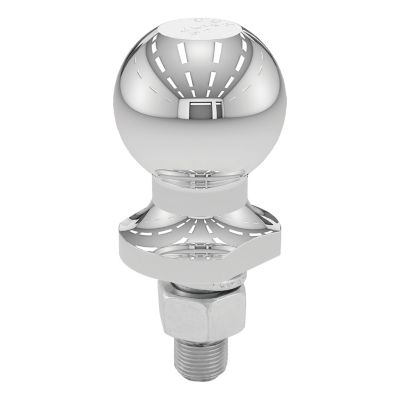
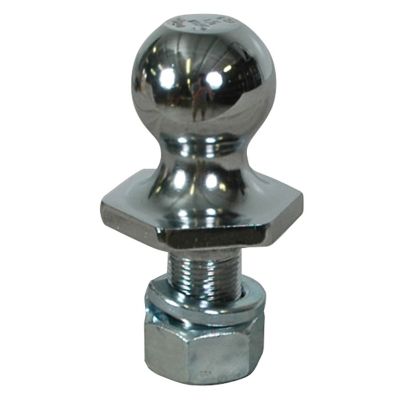
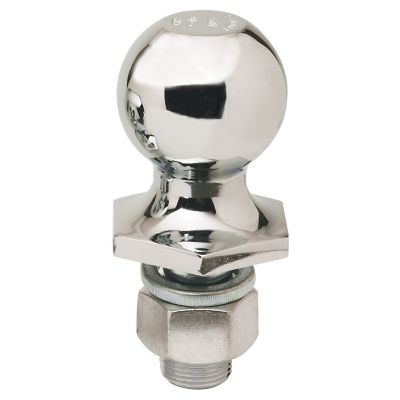
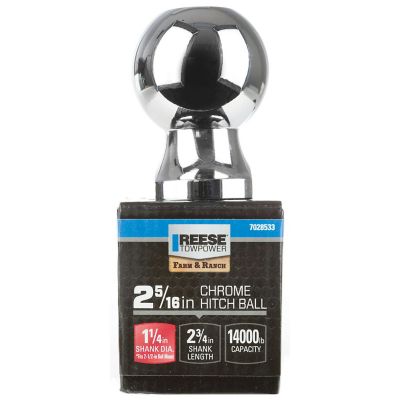
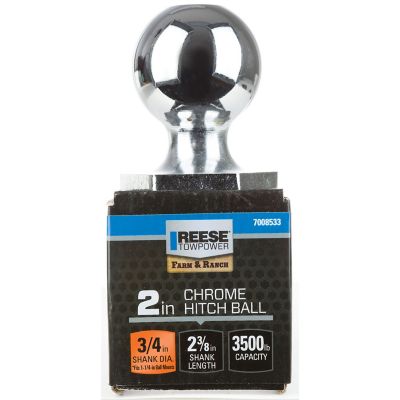
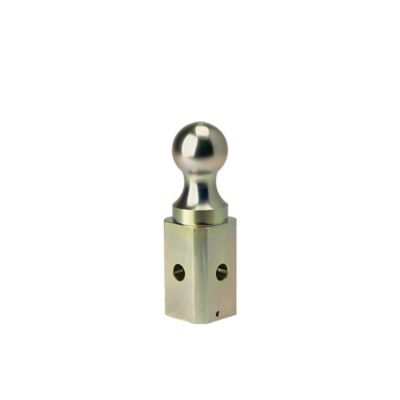
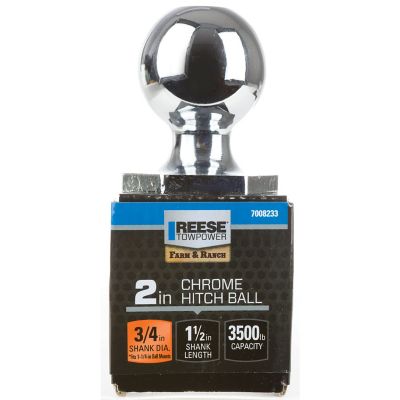
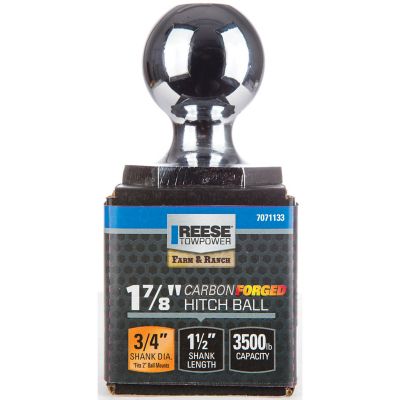
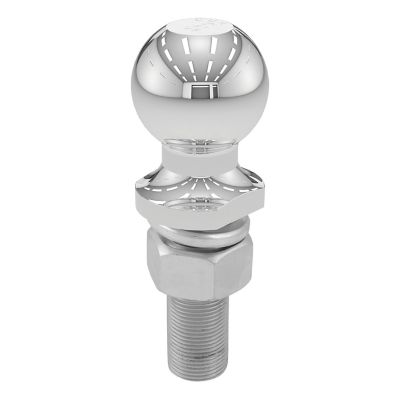
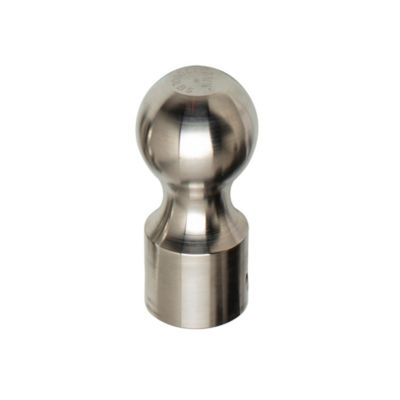
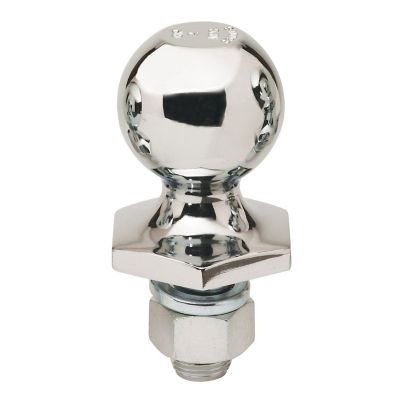
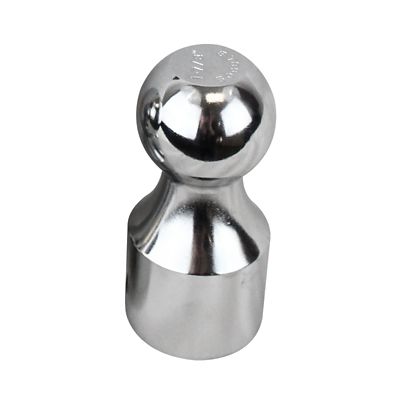
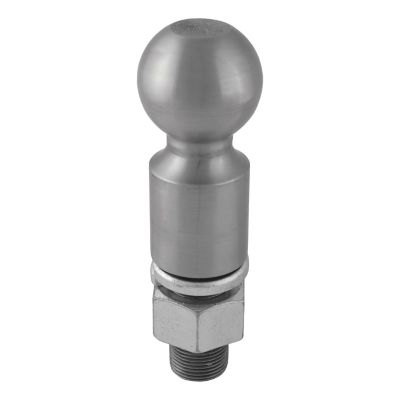
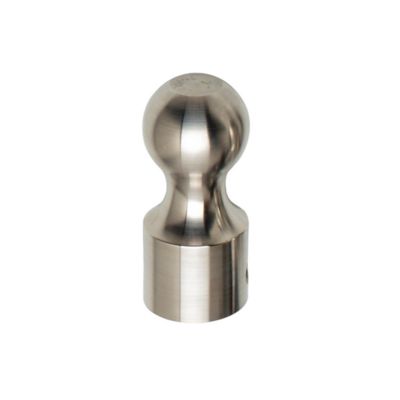
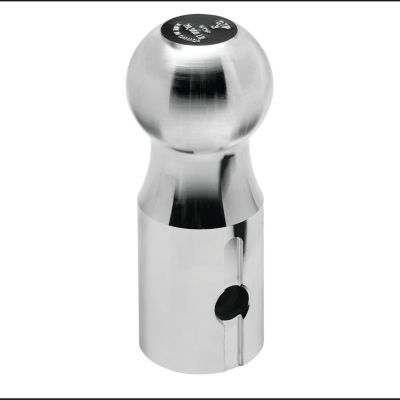
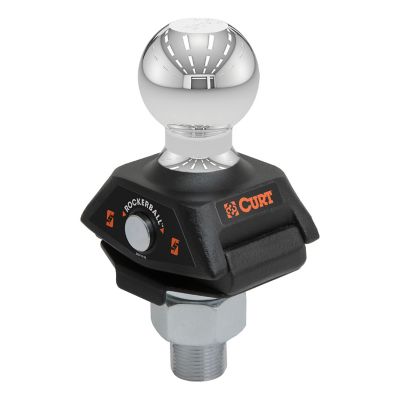
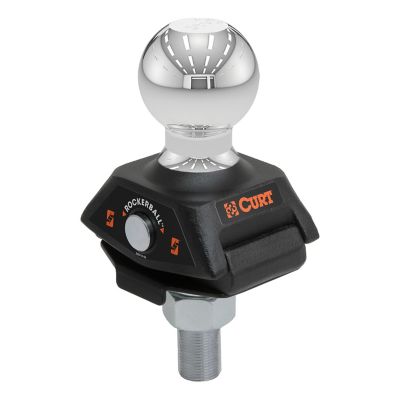
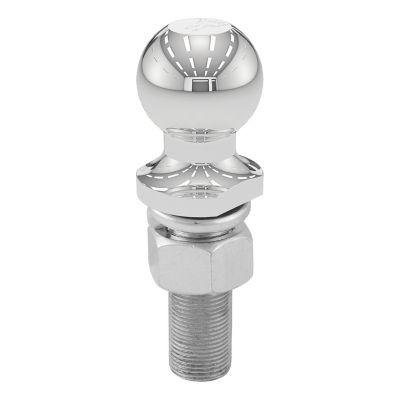
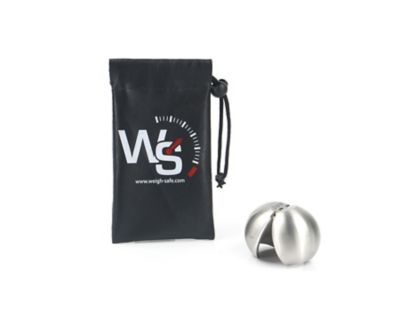
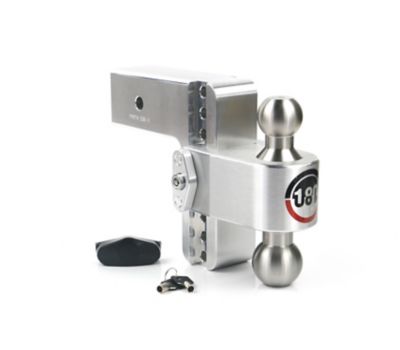
Tow hitch balls connect a trailer coupler to the towing vehicle’s ball mount, giving the trailer a pivot point as the rig turns and travels over uneven ground. The right match depends on three separate measurements: ball diameter, shank diameter and shank length, along with the ball’s stated weight rating. Common trailer hitch ball diameters are 1-7/8 inches, 2 inches and 2-5/16 inches. A 1-7/8-inch ball often fits smaller utility trailers and personal watercraft trailers, while a 2-inch ball is common on utility trailers, boat trailers and smaller campers. Many larger equipment trailers, livestock trailers and travel trailers have couplers that require a 2-5/16-inch ball. Those applications are general examples, not a substitute for the size stamped on the trailer coupler. A ball that looks close can still be the wrong fit, and tightening the coupler latch does not make a mismatched diameter acceptable. Weight ratings also differ among balls with the same diameter. Many 1-7/8-inch balls carry a 2,000-pound rating, while 2-inch and 2-5/16-inch balls come in a wider range of capacities. The rating marked on the ball or specified by its manufacturer is what counts, rather than an assumed capacity based on size alone. Loaded trailer weight includes the trailer itself, equipment, supplies and anything else riding along. A utility trailer carrying a mower presents a different load from that same trailer piled with gravel or fencing materials. The complete towing setup is limited by its lowest-rated component, including the vehicle, receiver hitch, ball mount, hitch ball and coupler. Tongue weight limits matter, too. For folks moving feed, hauling a tractor attachment or taking a boat to the ramp, matching these ratings helps keep the connection suited to the job. Conventional trailer hitch balls and gooseneck hitch balls may share a nominal diameter, but their mounting systems and intended applications differ; they are not interchangeable simply because the measurements sound alike.
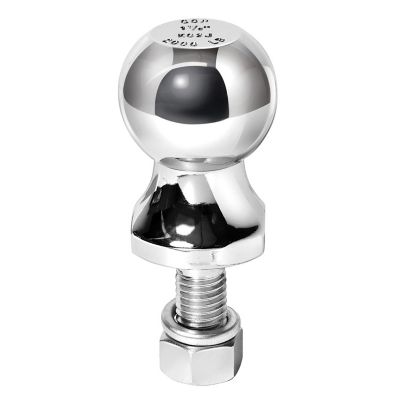
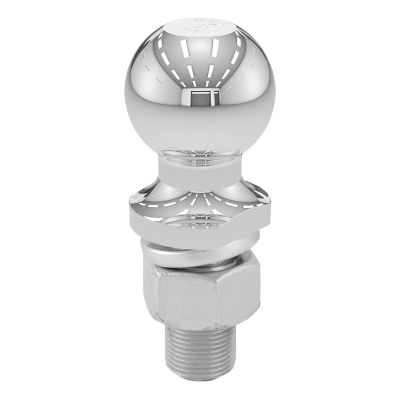
The shank is the threaded portion that passes through the ball mount, and its dimensions are just as important as the rounded head above it. Common shank diameters include 3/4 inch, 1 inch and 1-1/4 inches. The ball’s shank must fit the mounting hole according to the equipment manufacturer’s specifications; a loose fit is not something to overlook. Shank length must also accommodate the thickness of the mounting platform and the required washer and nut, leaving the thread engagement specified for that assembly. A thicker platform may call for a longer shank, but extra length alone does not increase towing capacity. For a compatible receiver-mounted setup, a
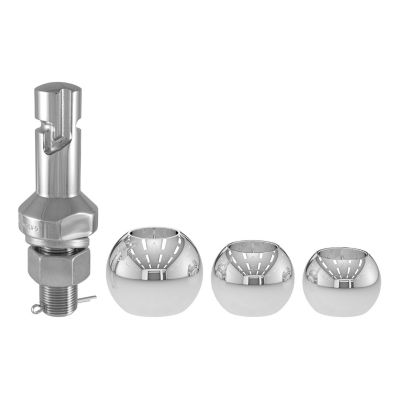
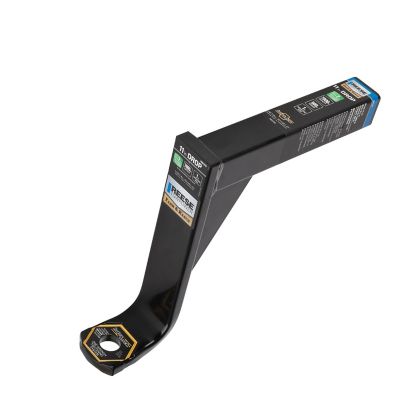
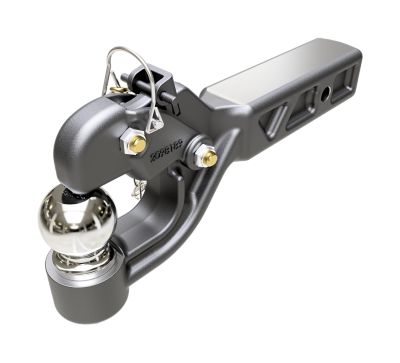
hitch with ball mount provides the mounting platform, with the hitch ball completing the connection to the trailer coupler. Receiver opening size and hitch ball diameter describe different parts of the setup, even when both measurements happen to be 2 inches. Ball mount rise or drop helps establish trailer height, while the ball’s own height and coupler design also affect the finished connection. A trailer that sits approximately level when properly loaded generally supports the intended towing geometry, though the vehicle and trailer instructions remain the reference for setup. On a farm lane, an uneven trailer stance can be especially noticeable where a driveway meets the road or a loaded trailer crosses a dip. Correct fit keeps those everyday conditions in mind without treating a taller ball as a substitute for the right ball mount. Mounting hardware and tightening specifications are part of the assembly, not an afterthought. Hitch ball nuts can require substantial torque, and the specified value varies by design and shank size. Installation calls for the manufacturer’s torque specification, the prescribed hardware and tools suited to that requirement, rather than a guess based on how tight the nut feels. A ball’s stamped capacity applies only within the manufacturer’s mounting requirements. Multi-ball mounts add another consideration: each ball position can have its own rating, so the largest ball does not establish the capacity of every towing position.
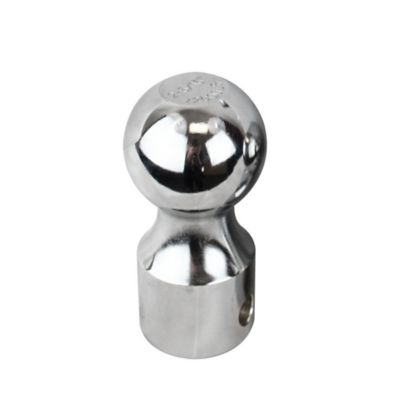
Steel construction gives tow hitch balls the strength needed for their intended loads, while the material and surface finish influence corrosion resistance and ongoing care. Forged steel is common, and chrome-plated steel and stainless steel are among the material choices found in this category. Chrome plating provides a protective surface, but scratches, worn areas and damaged plating can expose the steel beneath. Stainless steel offers corrosion resistance, though it still needs inspection and care. Neither a bright finish nor a heavier feel proves that a hitch ball has the required capacity; the marked rating and manufacturer’s specifications remain the deciding factors. The rounded surface works against the inside of the trailer coupler, so its condition deserves attention. Deep scoring, cracks, substantial corrosion, deformation or noticeable wear are reasons to stop and have the component evaluated or replaced as directed by the manufacturer. A quick look while hitching a utility trailer can also reveal a loose nut, damaged threads or a coupler latch that is not seating properly. Dirt and grit around the connection can contribute to wear, making routine cleaning worthwhile for equipment that spends time around gravel drives, barns and work sites. Lubrication depends on the coupler and towing system: many conventional ball-and-coupler connections call for grease, while some specialized systems have different requirements. The equipment instructions determine what belongs on the ball and how often it needs attention. A hitch ball cover can help keep the exposed surface clean between trips and keep grease off work pants when the trailer is disconnected. For households with more than one trailer, checking the required ball size at every hookup matters, even when two couplers look much alike. The small trailer carrying yard trimmings may not take the same ball as the flatbed hauling fence posts. Whether towing involves weekend chores, regular trips between properties or hauling equipment to a job, a properly matched hitch ball brings the right dimensions, rated capacity and mounting fit together at one hard-working connection.