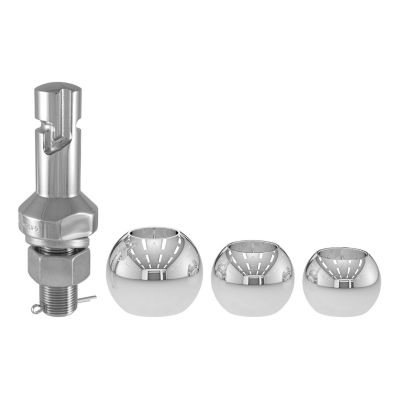
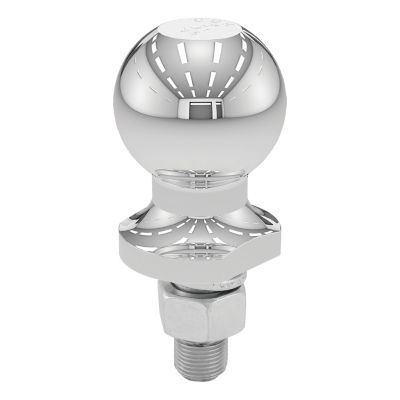
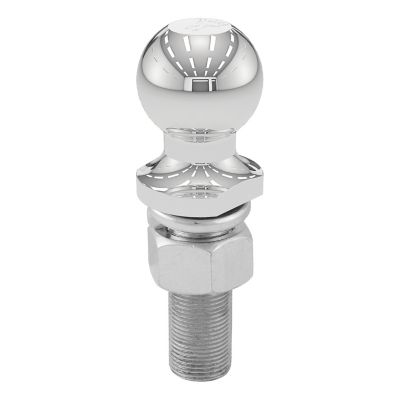
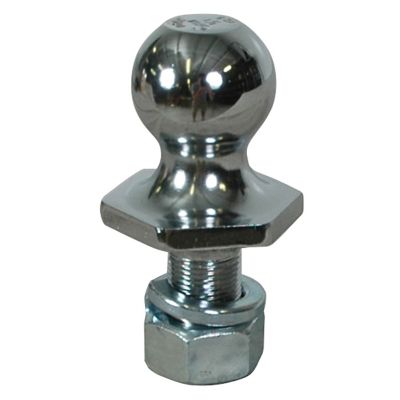
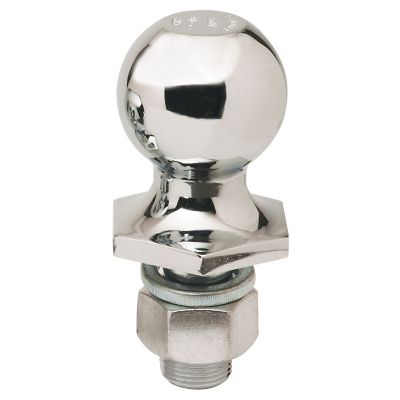
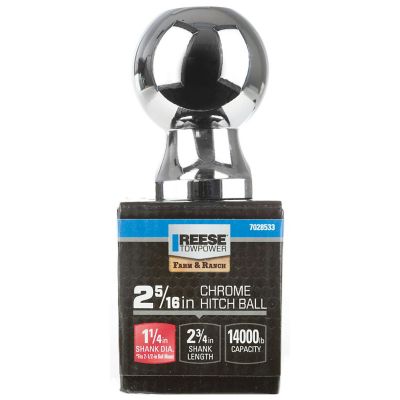
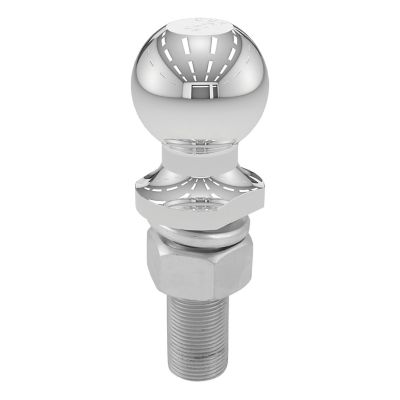
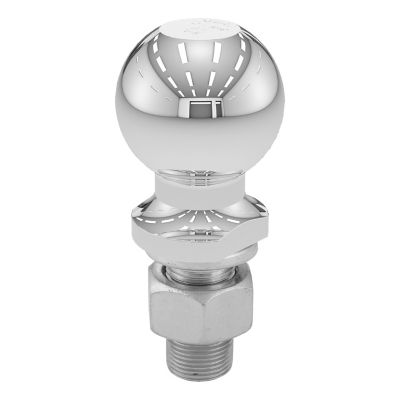
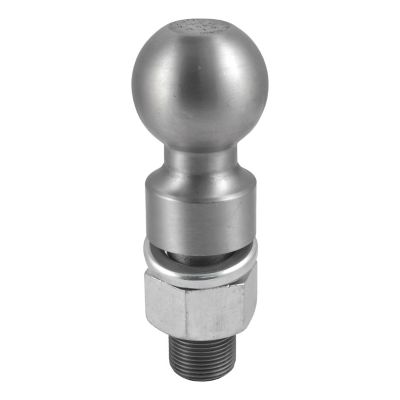
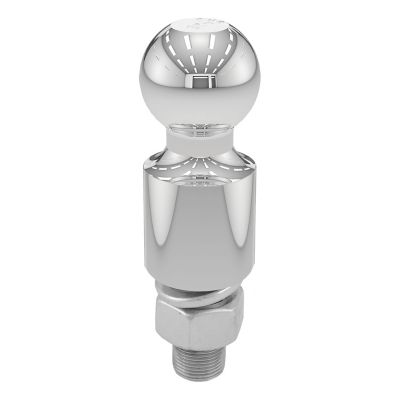
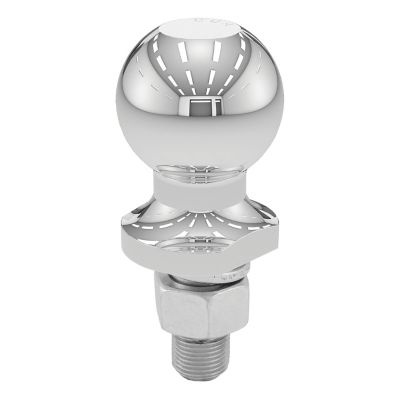
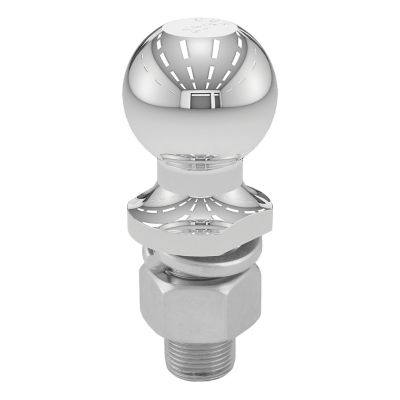
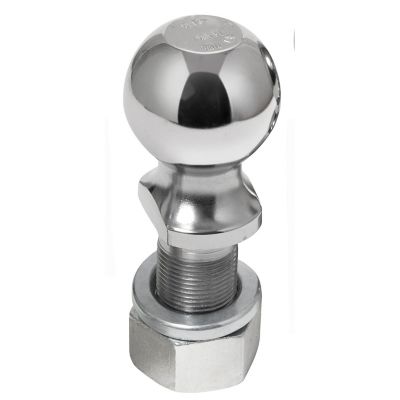
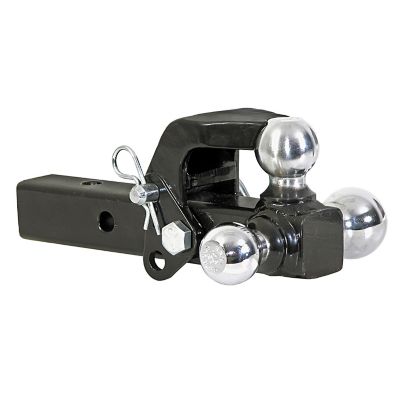
Stainless steel trailer hitch balls are a dependable choice for towing trailers behind pickups, SUVs, and other properly equipped vehicles. The hitch ball is the rounded connection point that fits inside a trailer coupler, allowing the trailer to pivot safely as you turn, stop, and travel over uneven ground. Stainless steel stands up well to rain, mud, snow, and road salt, making it a practical option for farm work, hauling firewood, moving equipment, pulling a utility trailer, or taking a boat and outdoor gear down the road. Compared with standard chrome-plated steel, stainless steel resists rust and corrosion much better, especially when the hitch is exposed to wet conditions or stored outside. That added resistance can help keep the ball surface smooth and easier to inspect over time. It is still smart to wipe away dirt and salt, check for damage, and apply a light coat of suitable lubricant where the coupler contacts the ball. During the cooler months, a clean, well-maintained hitch ball can make hookup easier when your hands are cold and the equipment is covered with damp leaves, frost, or road grime.
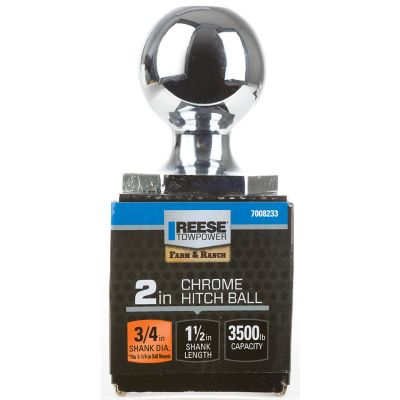
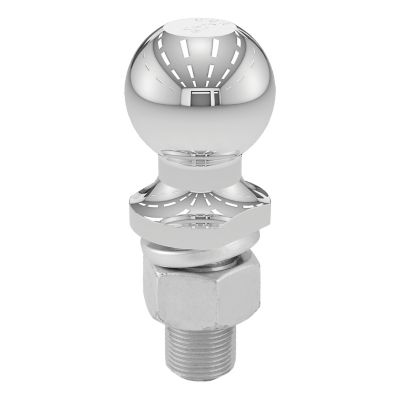
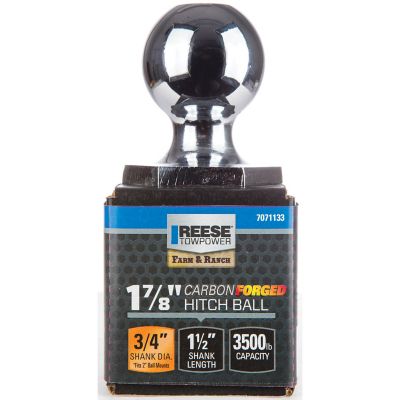
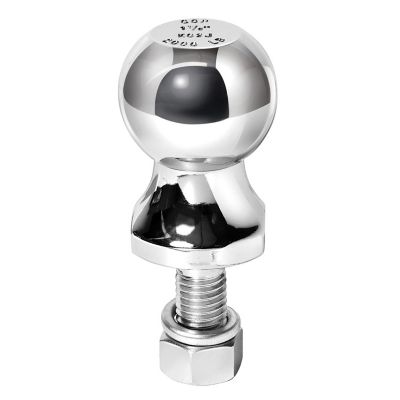
The first step in choosing a stainless steel trailer hitch ball is matching the ball diameter to the trailer coupler. Common sizes include 1-7/8 inches, 2 inches, and 2-5/16 inches, and the size is usually stamped on the coupler or listed in the trailer paperwork. The ball must fit the coupler correctly; using a ball that is too small or too large can create a dangerous connection. Next, check the gross trailer weight, or GTW, which is the total weight of the loaded trailer and everything carried on it. Hitch balls are available in different weight ratings, from light-duty options around 2,000 pounds to heavy-duty choices rated above 10,000 pounds. Select a ball with a rating that meets or exceeds the loaded trailer weight, while also checking the rating of the ball mount, hitch receiver, coupler, safety chains, and vehicle. The towing system is limited by its lowest-rated part. Tongue weight matters as well, since the downward force placed on the hitch should remain within the vehicle and hitch manufacturer’s limits. The ball’s shank diameter, shank length, and nut style need to match the ball mount, too. A shank that is too short may not provide enough thread engagement, while one that is too long can interfere with the mount or make proper tightening difficult. Follow the manufacturer’s torque specifications and use the right tools rather than guessing by feel. Before each trip, look for looseness, deep scratches, flat spots, cracks, or unusual wear around the ball and mounting hardware. A quick walk-around that includes the coupler latch, safety chains, trailer wiring, tires, and lights is a worthwhile habit, particularly after a trailer has sat unused through wet weather.
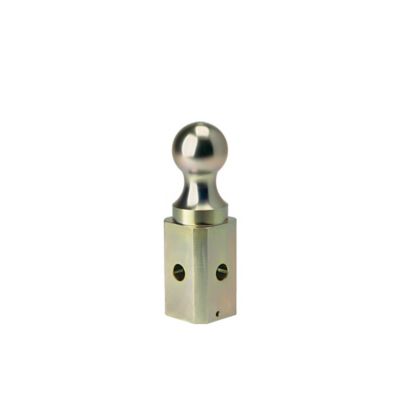
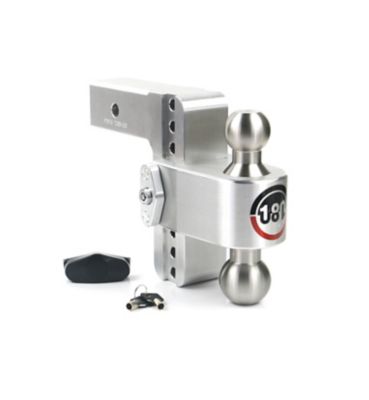
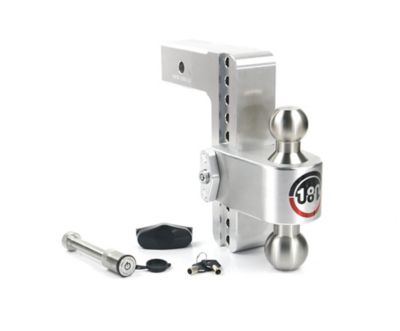
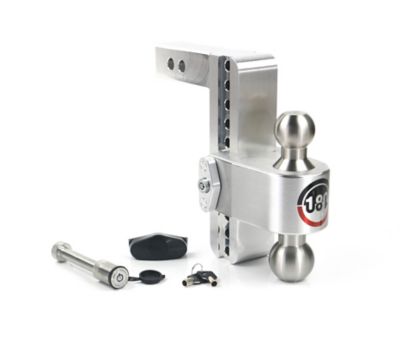
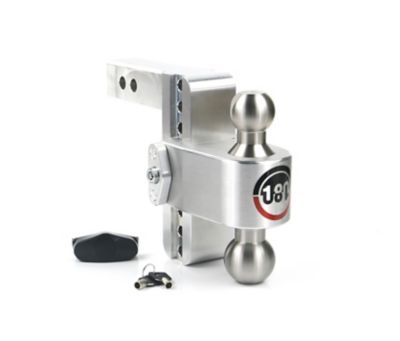
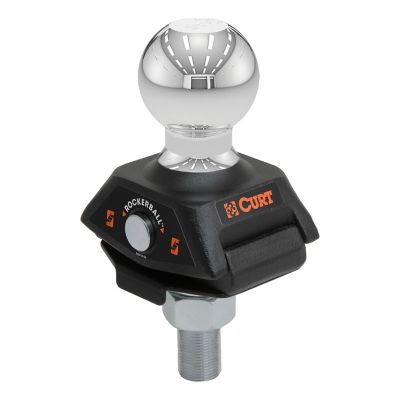
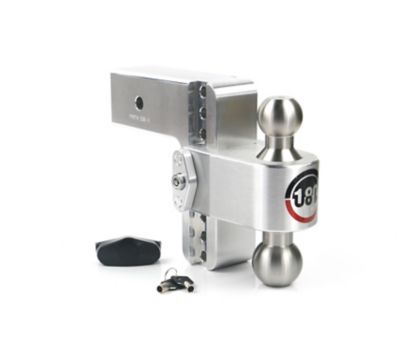
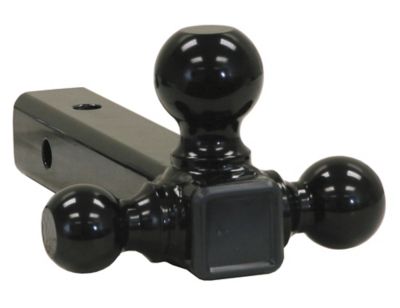
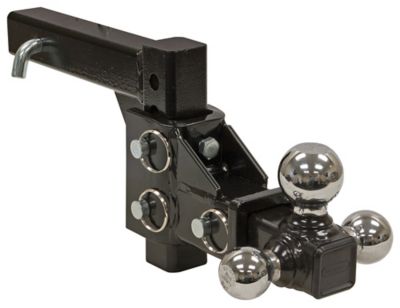
For people who regularly switch between trailers, an interchangeable setup can be useful when different couplers call for different ball sizes. Some towing setups use a fixed stainless steel ball, while others pair a stainless ball with an adjustable mount so the hitch height can be changed for a level trailer position. Keeping the trailer level helps support proper tongue weight and can improve handling, braking, and tire wear. An adjustable system may be especially handy for a household that uses one truck to pull a small utility trailer, a livestock trailer, a camper, or a heavier equipment trailer. Explore
Adjustable Trailer Hitch Ball Mounts when a changeable height or ball arrangement fits the way you tow. Stainless steel trailer hitch balls can also make a practical gift for a family member who works around the property, maintains a small farm, camps, hunts, or spends weekends hauling lumber, fencing supplies, lawn equipment, or split wood. They are compact enough to keep in a toolbox or truck bed, yet they support some of the most important work a trailer does. Before buying one as a gift, it helps to check the recipient’s trailer coupler size, ball mount opening, shank dimensions, and towing requirements. A hitch ball is not a universal accessory, and the right fit is more important than choosing the heaviest rating available. With the proper match and regular inspection, stainless steel provides a sturdy, corrosion-resistant connection for everyday hauling through changing weather and busy seasons on the road.