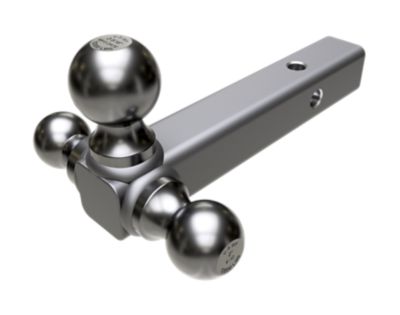
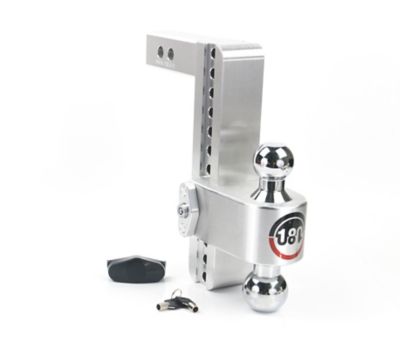
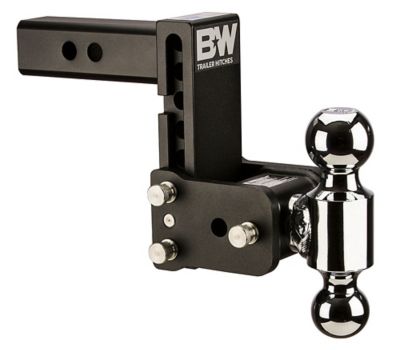
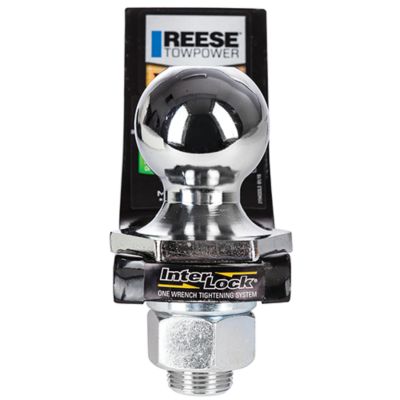
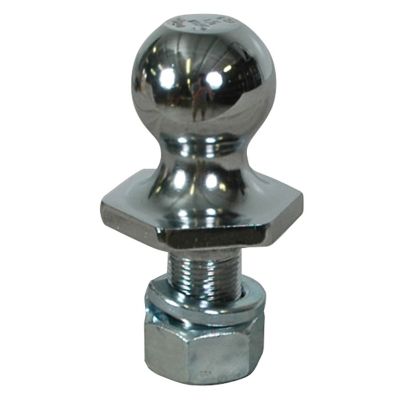
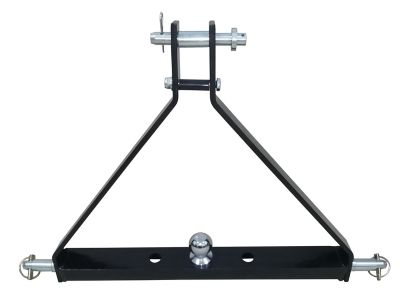
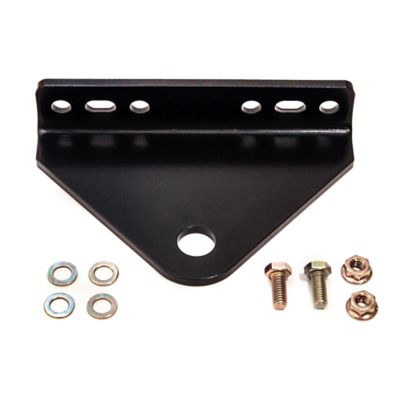
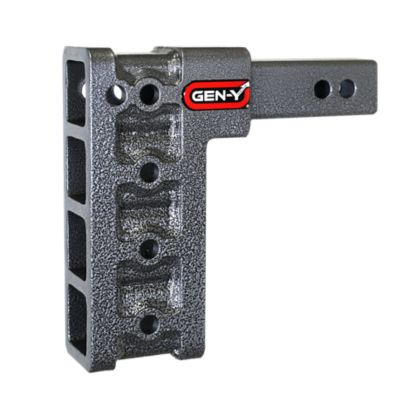
A trailer hitch ball mount is the removable metal shank that fits into a vehicle’s receiver hitch and supports the hitch ball connecting the vehicle to a trailer coupler. The receiver attaches to the vehicle, the ball mount slides into the receiver, and a hitch pin secures the mount in place. Together, those parts form the connection for pulling everything from a small utility trailer to a properly matched equipment trailer. For folks hauling fencing supplies, taking a mower between properties or heading to the boat ramp, getting that connection right starts with fit. Receiver size describes the inside dimensions of the square receiver opening, not the diameter of the hitch ball. Common receiver openings include 1-1/4 inches and 2 inches, with 2-1/2-inch and 3-inch openings found on some heavier-duty towing setups. The ball mount’s shank must match that opening unless the vehicle and hitch manufacturers permit a properly rated adapter. Ball diameter is a separate measurement, with common sizes including 1-7/8 inches, 2 inches and 2-5/16 inches. The coupler’s marked ball size determines which ball belongs beneath it; a ball that looks close is not enough. The right match among
Tow Hitch Balls also depends on the mount’s ball-hole diameter, the ball’s shank length and the required weight rating. A ball mount and hitch ball may come together as an assembly or require separate selection, so the included components matter when comparing setups. Pin-hole location, shank length and room around the bumper also affect fit. A mount needs enough clearance for the coupler to latch and move through its intended range without contacting the vehicle, while still maintaining the insertion depth and pin alignment specified by its manufacturer. Those details can make a difference on a farm truck that switches between a feed trailer and a small flatbed.
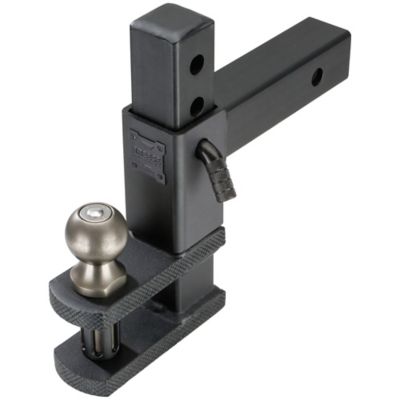
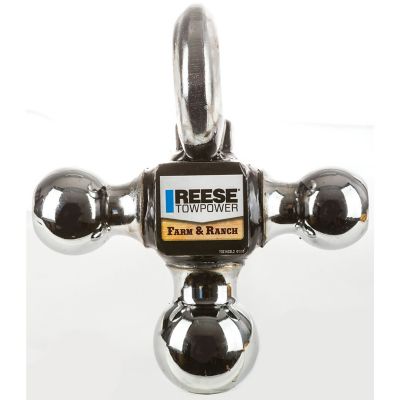
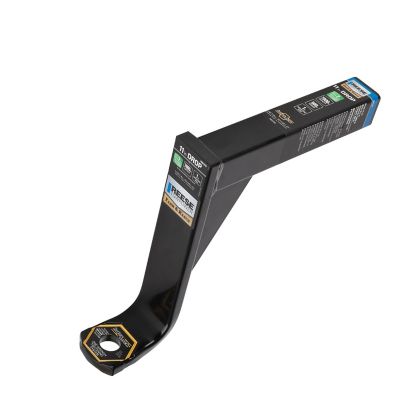
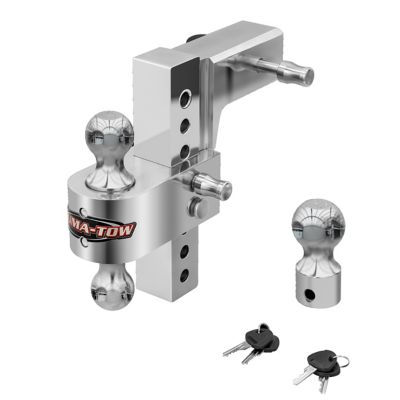
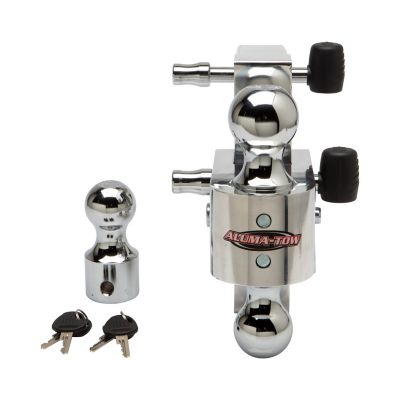
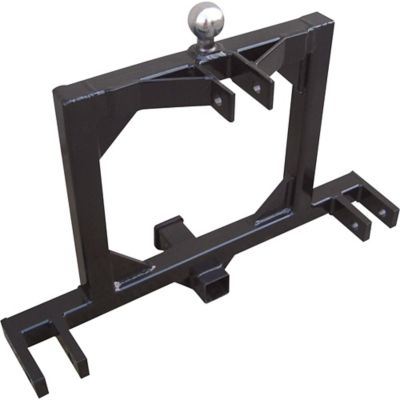
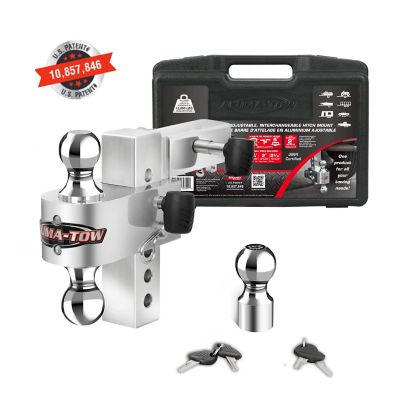
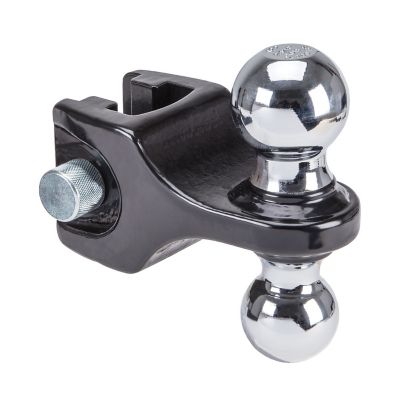
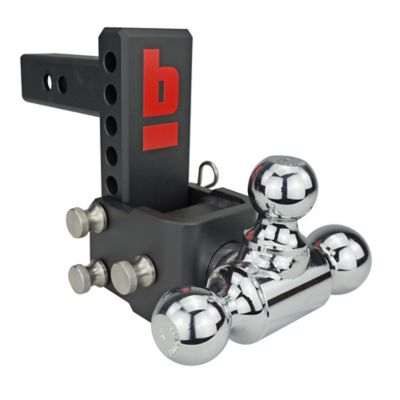
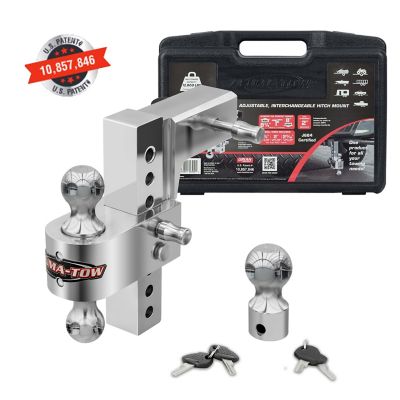
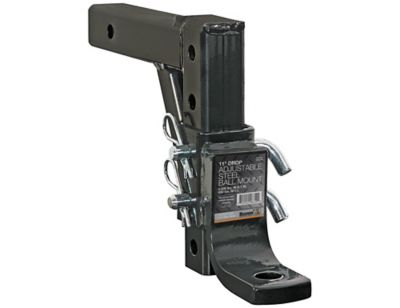
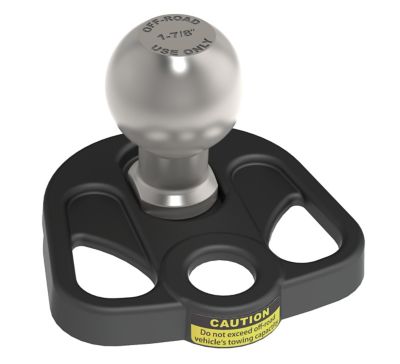
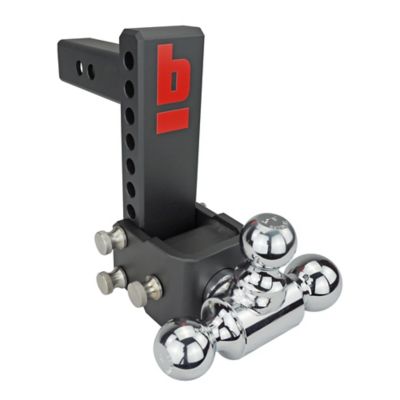
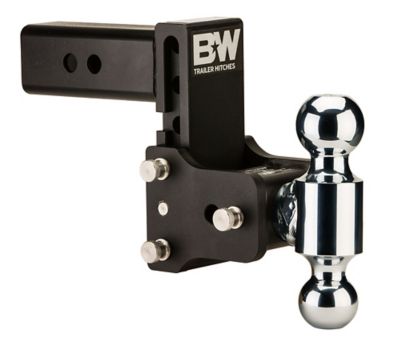
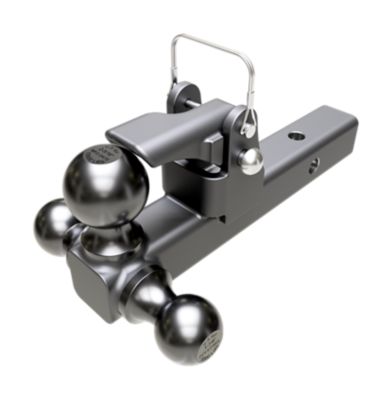
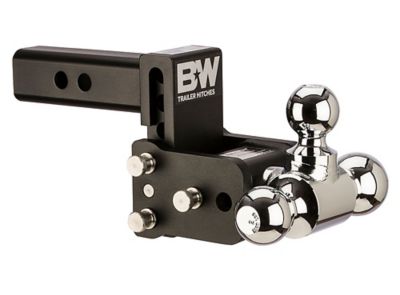
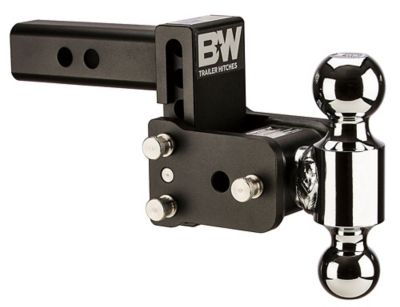
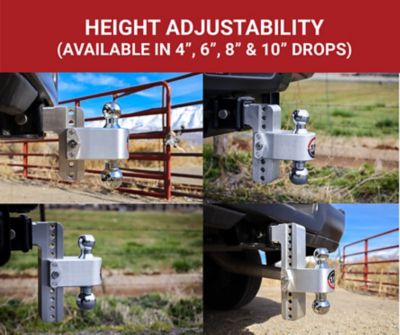
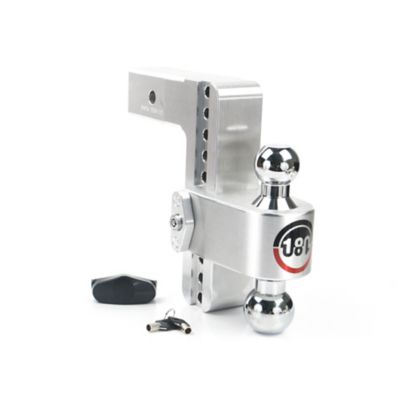
A hitch with a ball mount also needs the right height relationship between the tow vehicle and trailer. Drop lowers the ball platform relative to the receiver, while rise raises it, helping a properly loaded trailer ride level rather than noticeably nose-high or nose-low. Receiver height, the height of a level trailer coupler and the vehicle’s stance under load all influence the right amount of rise or drop. A tall pickup and a low utility trailer often need a different setup than a lower vehicle pulling a trailer with a higher tongue. Fixed ball mounts keep one set height and can be a straightforward choice when the same vehicle pulls the same trailer most of the time. Adjustable ball mounts offer multiple height positions, making them worth considering for households or farms with trailers of different coupler heights. Multi-ball configurations can accommodate more than one coupler size, provided the selected ball and its position carry the necessary ratings. These features serve different purposes: height adjustment addresses trailer stance, while ball selection addresses coupler fit. Neither replaces checking the towing limits of the complete setup. Some fixed mounts permit installation in either the rise or drop position, but that depends on the manufacturer’s design and ratings. Adjustable assemblies likewise need their required pins and retainers fully engaged in approved positions. Clearance deserves attention throughout the connection, including space beneath the mount, room near the bumper and tailgate, and freedom for the trailer tongue during turns. Extra mount length can create clearance in some applications, but it is not a substitute for checking the approved configuration and its limits. For someone backing a trailer through a barn lot or turning into a narrow equipment shed, a well-matched assembly helps keep the connection suited to the job without adding unnecessary length or complexity. A conventional ball mount is meant for compatible ball-coupler trailers; gooseneck and fifth-wheel connections require different hitch equipment.
Weight ratings and construction round out the comparison. Gross trailer weight, often shown as GTW, is the total weight of the trailer and everything aboard it. Tongue weight is the downward load the trailer places on the hitch connection. Both matter, whether the load is a riding mower, lumber for a fence repair or equipment headed across the county. The loaded trailer must stay within every applicable limit, including the vehicle’s towing and payload limits and the ratings of the receiver, ball mount, hitch ball, coupler and trailer. The lowest applicable rating governs; installing a higher-rated mount does not raise the vehicle’s towing capacity. Passenger weight and cargo in the tow vehicle also affect its remaining capacity. Steel ball mounts may feature solid or hollow shanks, welded construction or forged sections, while aluminum designs can reduce the weight handled during installation and removal. Material and appearance alone do not establish capacity, so the marked ratings and manufacturer specifications carry more weight than how hefty a mount feels in hand. Protective finishes help limit corrosion, but contact points, pin holes and exposed edges still deserve attention as the assembly sees road miles and repeated hookups. Dirt and grit can interfere with fit, while rust, cracks, bending, damaged threads or elongated pin holes call for evaluation before another tow. Cleaning away buildup, inspecting the hardware and following the maker’s lubrication directions help keep the connection in working order. Some couplers and hitch accessories have specific lubrication requirements, so grease is not a one-rule answer for every setup. A correctly sized hitch pin or compatible locking pin must secure the mount, and any locking hardware needs the proper rating and fit for the application. Safety chains, a functioning coupler latch and the trailer’s required electrical and braking connections remain part of the complete towing setup. Whether the trailer spends its days hauling chores around the property or making regular trips down the highway, the best match is a ball mount with the right dimensions, height adjustment and documented capacity for the work ahead.