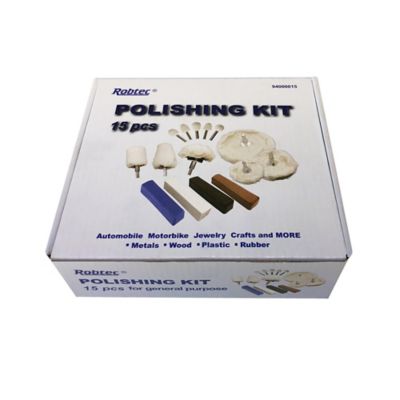
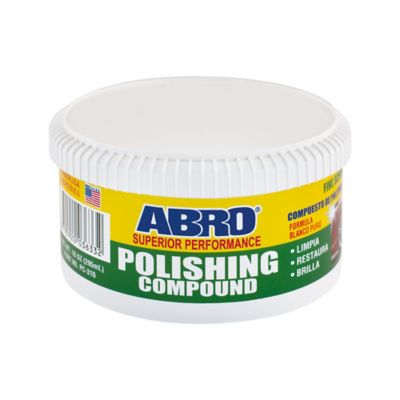
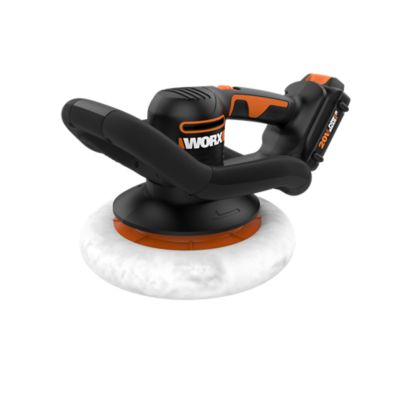
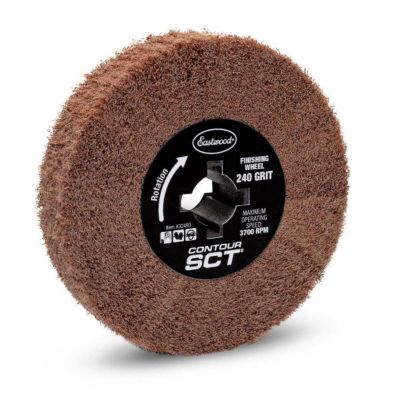
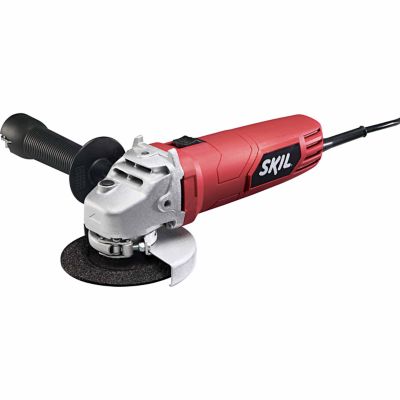
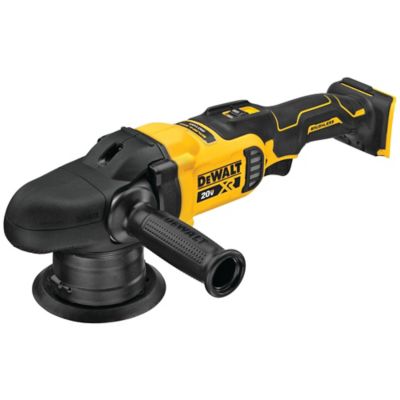
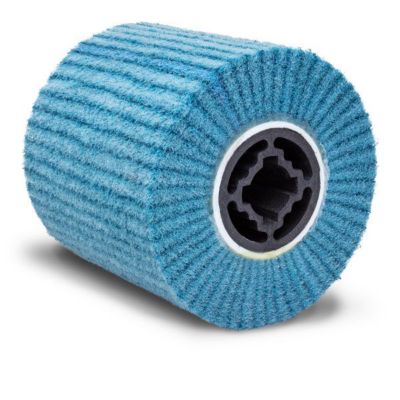
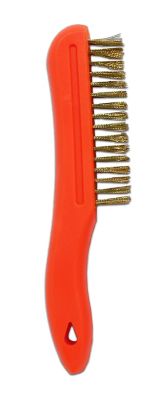
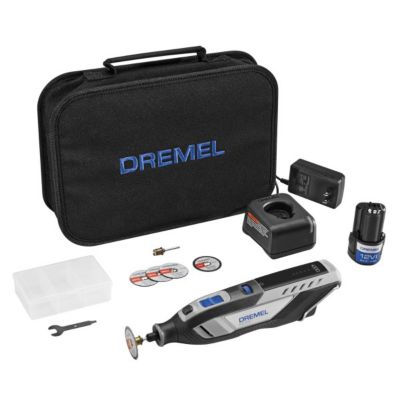
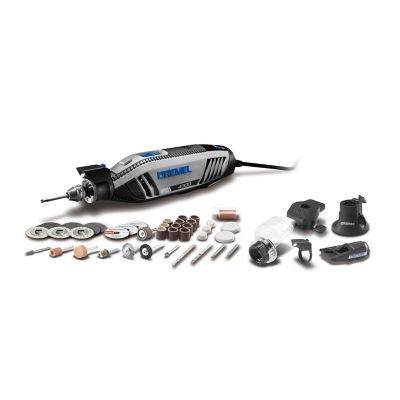
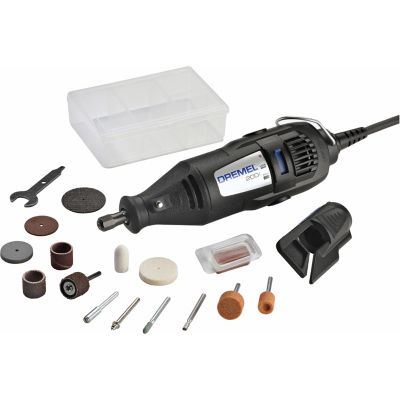
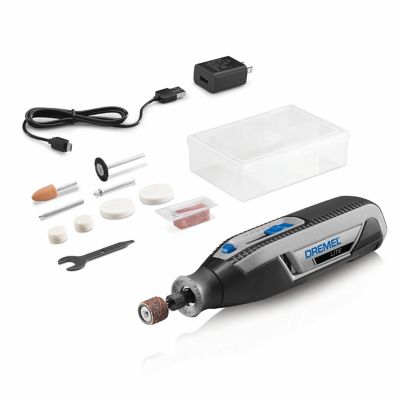
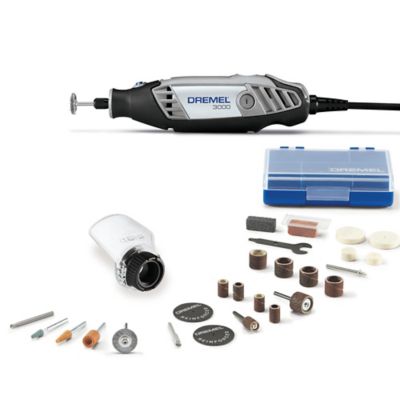
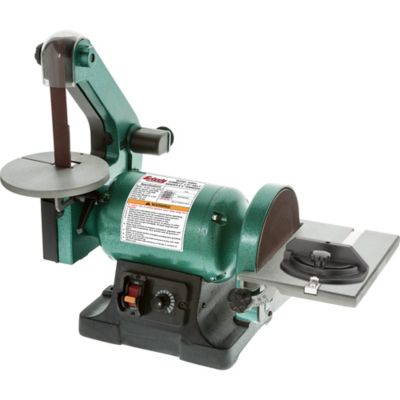
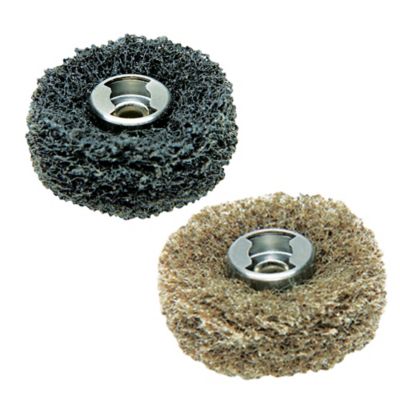
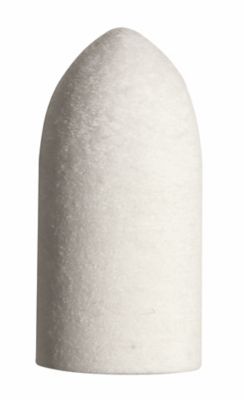
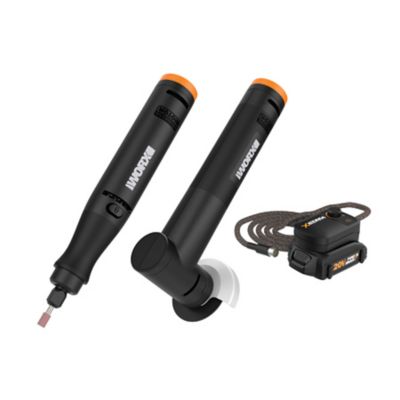
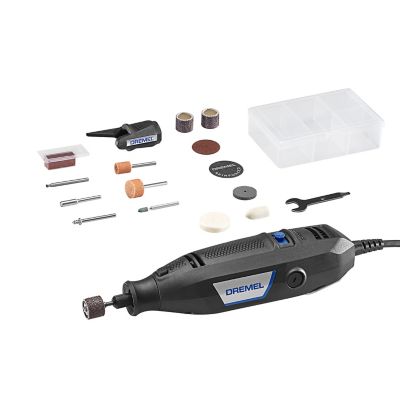
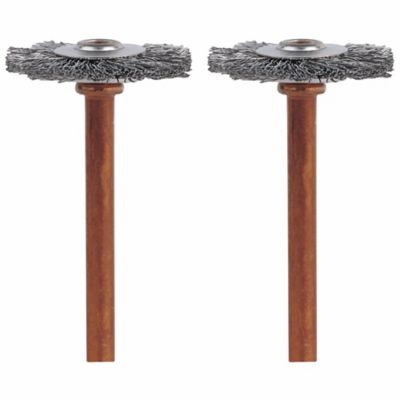
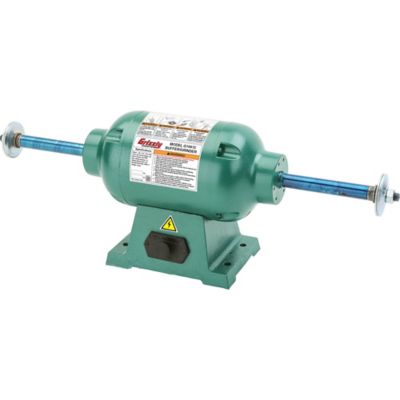
Polishing tools help bring back the clean, smooth finish that makes a well-kept vehicle, piece of equipment, or household project look its best. The right setup may include a dual-action or random orbital polisher, a rotary polisher, a compact mini polisher, backing plates, polishing pads, compounds, finishing polish, and microfiber towels. A dual-action polisher moves in a changing orbit instead of spinning in one fixed circle, which helps spread heat and makes it a comfortable choice for many first-time users. These tools are useful for light swirl marks, dull paint, faded oxidation, and everyday scuffs on properly prepared automotive surfaces. Rotary polishers spin in a consistent circular path and deliver more direct cutting power, making them a better fit for experienced users handling deeper defects or heavy oxidation. They can work quickly, but they also require a steady hand, the right pad and compound, and close attention to pressure and heat. A compact polisher is handy around door handles, mirrors, bumpers, trim, motorcycle parts, and other tight contours where a full-size tool feels awkward. When comparing tools for polishing, start with the material and finish you plan to work on. Automotive paint, bare aluminum, stainless steel, coated metal, fiberglass, and stone can each call for different pads, compounds, speeds, and techniques. A product made for cutting through oxidation may be too aggressive for a delicate clear coat, while a fine finishing pad may not have enough bite for a badly weathered surface. Variable-speed control gives you room to begin gently and increase power as needed, while a comfortable handle, balanced body, manageable weight, and long power cord can make a long afternoon in the shop much easier on your hands and shoulders. Cordless options can be especially useful around trailers, farm equipment, boats, and vehicles parked away from an outlet, while corded tools offer steady power for larger jobs. For more ways to outfit a work area, browse
Hardware Tools alongside polishing accessories and shop supplies.
A good polishing job starts before the tool touches the surface. Wash away loose grit, remove stuck-on dirt, and let the workpiece dry fully so dust and sand do not drag across the finish. On a vehicle, work in a shaded, well-ventilated spot and mask rubber seals, plastic trim, emblems, and sharp edges when needed. Test the chosen pad and compound on a small, less noticeable area first. A softer finishing pad and mild polish are often enough for light haze or fine swirls, while a firmer cutting pad and heavier compound may be needed for oxidation, scratches, or neglected paint; follow with a finer polish when a brighter, clearer finish is the goal. Keep the tool moving at a controlled pace, use light to moderate pressure, and check the surface often instead of trying to correct everything in one pass. Too much pressure, excessive speed, or lingering in one place can build heat and damage paint, plating, or other coatings. Clean pads regularly, keep separate pads for cutting and finishing work, and use fresh microfiber towels so spent compound does not leave new marks behind. Safety glasses, hearing protection, suitable gloves, and a dust mask or respirator appropriate for the material can add comfort and protection, especially when polishing metal, stone, or old painted surfaces. These tools suit a wide range of users, from a weekend driveway detailer and a hands-on homeowner to a farm operator cleaning up a tractor hood, trailer fender, tool chest, or stainless steel fixture. They can also make a thoughtful gift for someone who enjoys restoring trucks, caring for classic cars, maintaining motorcycles, refinishing metalwork, or keeping shop equipment looking sharp. Beginners may appreciate a random orbital tool with simple speed adjustment and a selection of pads, while experienced detailers may prefer the control of a rotary machine, several backing plate sizes, and specialty accessories for different finishes. During the warmer part of the year, polishing can help freshen up vehicles and equipment after dusty roads, muddy fields, and long days outdoors. As cooler weather settles in, it is a practical time to clean and protect outdoor gear, trailers, work surfaces, and personal vehicles before they spend more time under cover. Choosing a tool that matches your experience, workspace, surface, and correction needs makes the work more predictable and helps leave behind the deep shine and smooth feel that a careful finish deserves.