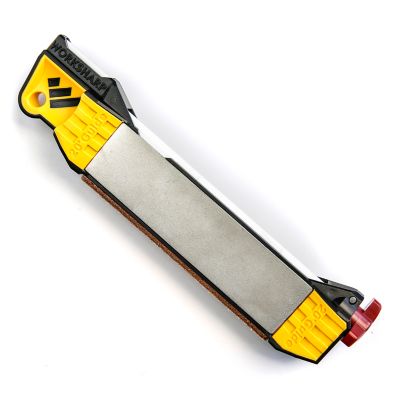
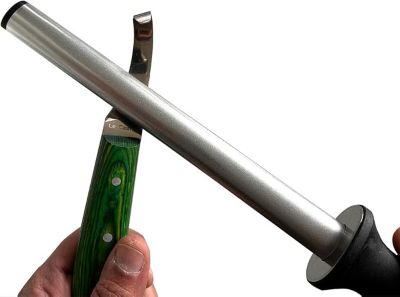
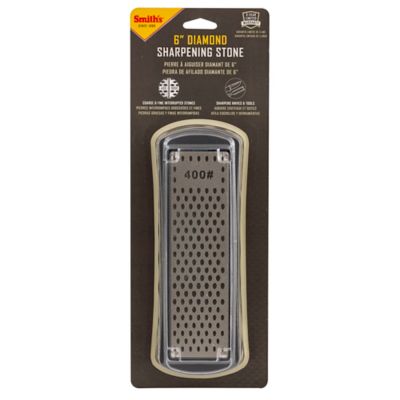
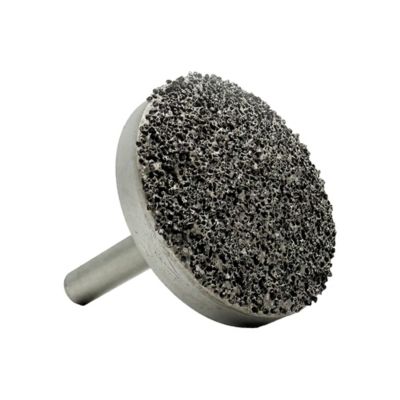
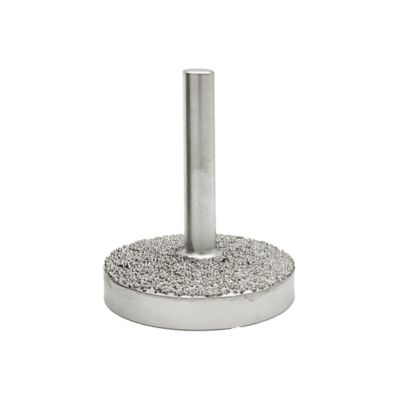
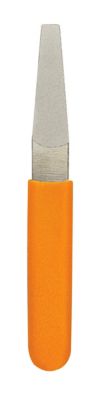
Sharpening tools restore cutting edges by removing small amounts of metal, with options ranging from sharpening stones and files to guided systems and powered sharpeners. The right choice depends on the blade’s steel, shape and condition, along with how much hands-on control the job calls for. A pocketknife for cutting chore twine, a hatchet for splitting kindling and a chisel for fitting a gate don’t all need the same sharpening setup. Farmers, woodworkers, mechanics, home cooks and folks keeping up a place can benefit from equipment suited to the edges they maintain most often. Manual sharpening stones offer direct control over the blade’s angle and pressure, while guided systems help hold a consistent angle through repeated passes. Files suit certain axes, garden tools and other edges when the metal is soft enough for the file to cut. Diamond abrasives can work on many hardened steels that resist ordinary files, and aluminum oxide or silicon carbide stones provide other options for general edge maintenance. Abrasive type and grit serve different purposes: coarse surfaces remove metal faster for reshaping an edge or addressing minor damage, while finer surfaces refine scratches and leave a smoother cutting edge. Grit labels aren’t always directly comparable across abrasive types or manufacturers, so the stated application matters alongside the number. A fine finish isn’t automatically the best finish for every chore, either; some cutting tasks benefit from a little tooth along the edge. Stone dimensions also affect the feel of the work. A longer bench stone gives a broad blade more room to travel, while a compact stone is easier to carry in a field kit or tuck into a toolbox. A flat working surface, a stable base and enough clearance for the blade all contribute to controlled sharpening. For someone maintaining a few everyday cutting tools, those practical details can matter more than having a wide range of attachments.
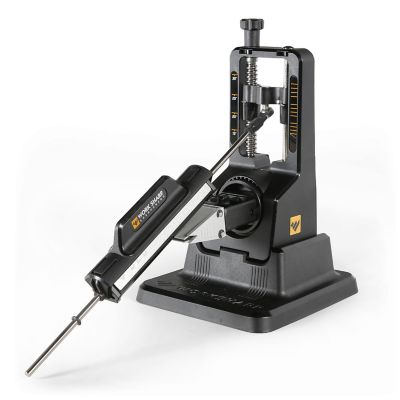
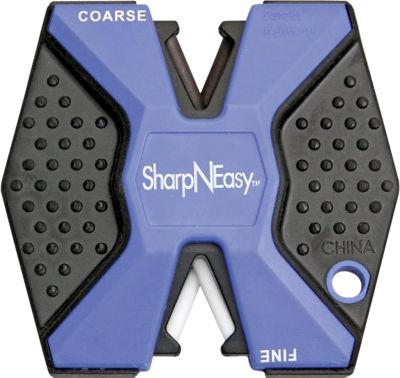
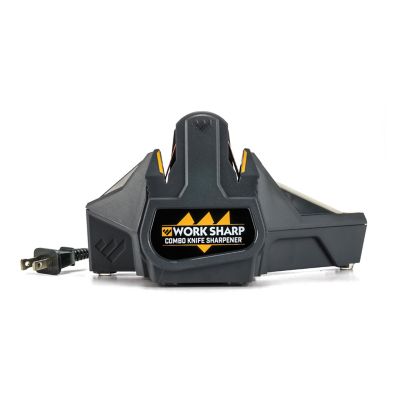
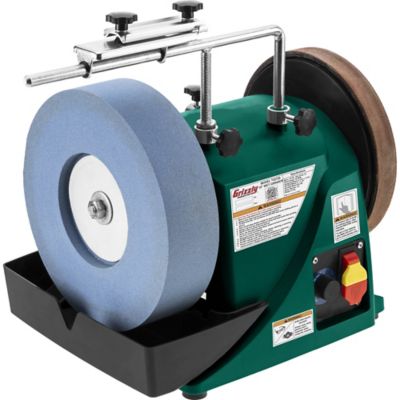
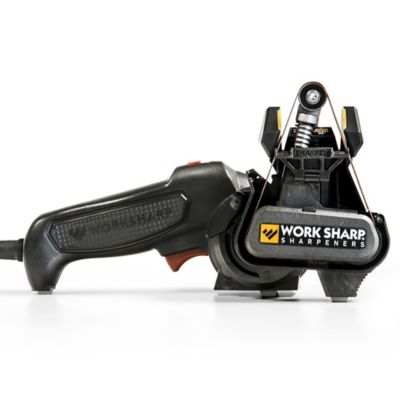
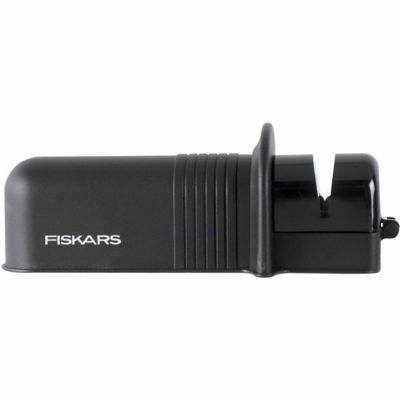
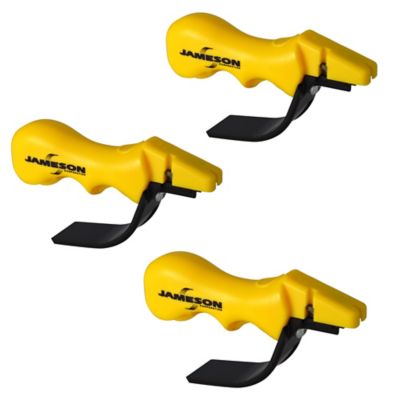
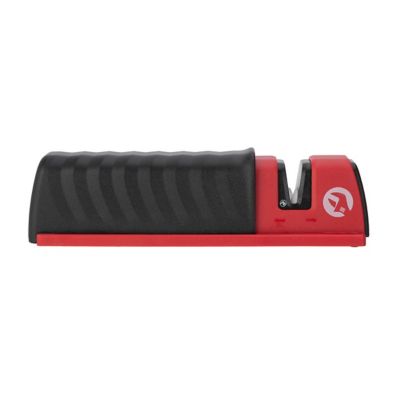
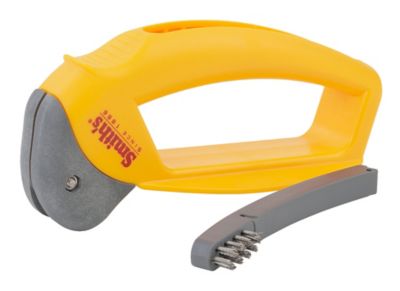
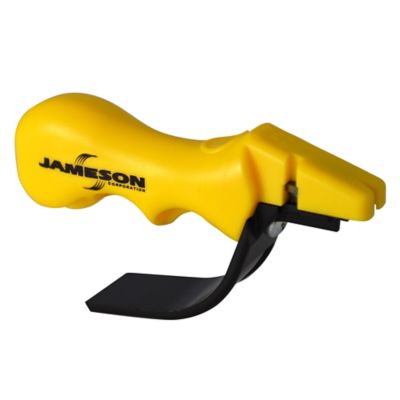
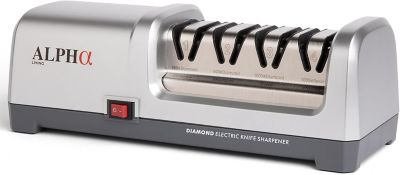
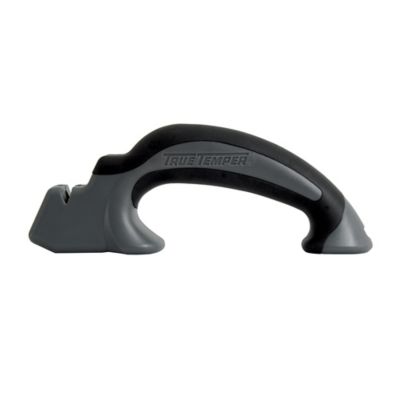
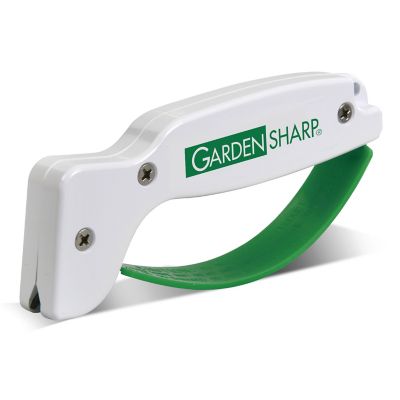
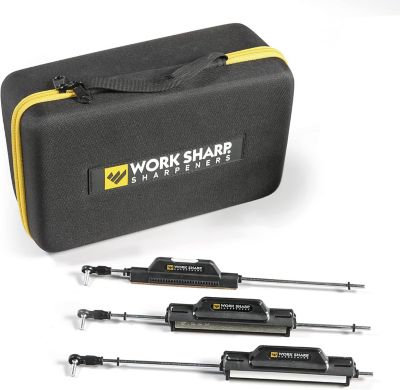
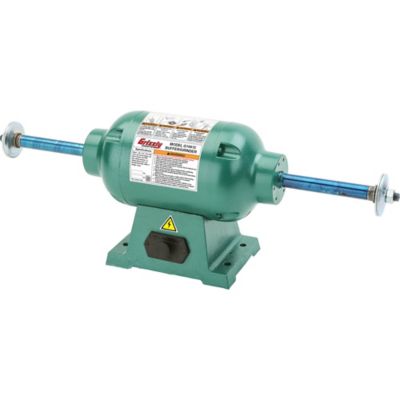
Guided knife sharpening systems appeal to people who want help maintaining an edge angle without relying entirely on freehand technique. Some hold the blade in a clamp while an abrasive moves along a guide; others guide the blade through a set sharpening position. Fit matters with either arrangement. Blade thickness, length, taper and handle clearance can affect whether a knife sits securely and whether the abrasive reaches the whole edge. Preset pull-through sharpeners offer a straightforward format, but their fixed angles and abrasive profiles won’t suit every blade. Serrated edges, scissors, curved cutting surfaces and single-bevel tools often call for equipment designed for that particular geometry. A sharpener intended for a straight knife edge shouldn’t be assumed to work on pruning shears or a woodworking gouge. Powered sharpening tools, including abrasive belt and wheel systems, can speed up metal removal and help with more demanding edge work. That speed also calls for restraint: excess pressure or prolonged contact can remove too much material or create heat that affects the steel’s temper. Adjustable supports, compatible guides and clear access to the work area are useful considerations for anyone maintaining heavier cutting tools at a shop bench. Abrasive belts, wheels and attachments need to match the machine’s dimensions, mounting requirements and speed rating. Water-cooled designs manage heat differently from dry-running equipment, and each type has its own operating and maintenance requirements. Edge geometry matters just as much as the machine. A thin slicing edge serves a different purpose than the stronger bevel on a chopping tool, so preserving the tool maker’s intended profile is generally a better starting point than chasing the smallest possible angle. A sound work surface, proper eye protection and attention to the equipment’s instructions belong with any sharpening setup. Whether the work involves a small pocketknife or a broad axe bit, secure support and clear hand placement help keep the job controlled.
Comfort and upkeep make a difference in how well sharpening equipment fits into regular chores. A handle that stays comfortable through repeated strokes, a nonslip base and a holder that keeps fingers clear of the cutting path are worth a close look. For a shared farm shop, straightforward adjustments and clearly marked components can make equipment easier for several people to work with. For a truck toolbox or a small workbench, a protective case and a compact footprint may matter more than a large sharpening surface. Care requirements vary by abrasive. Some stones call for water, others for honing oil, and some diamond surfaces work dry or with a specified lubricant. Following the manufacturer’s directions helps prevent clogging, damage or the wrong lubricant getting into a stone. Not every water stone needs soaking, and not every sharpening surface tolerates the same cleaning method. Metal particles and abrasive residue need regular attention so the surface can keep cutting as intended. Some stones also wear unevenly and need periodic flattening, while belts and wheels require inspection and replacement as they wear. Dry storage helps protect steel components from rust, and covers protect abrasive faces from knocks and grime. Sharpening, honing and polishing have related but different roles: sharpening establishes the cutting edge, honing may straighten or refine it depending on the tool, and polishing smooths a surface to a finer finish. For other finishing work around the shop,
Tools for Polishing covers a related part of metal and surface care; polishing alone doesn’t repair a chipped or rounded cutting edge. Sharpening equipment can also make a practical gift for a woodworker, outdoorsperson or someone who takes pride in keeping tools ready for work. Matching it to the recipient’s blades, workspace and experience makes that choice more useful than simply choosing the most elaborate setup. The goal is equipment that fits the work and makes routine edge care easier to keep up with.