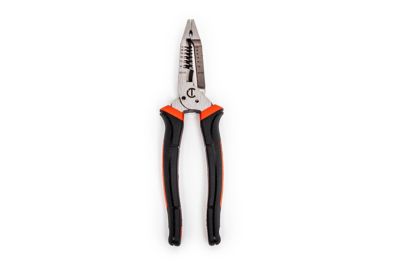
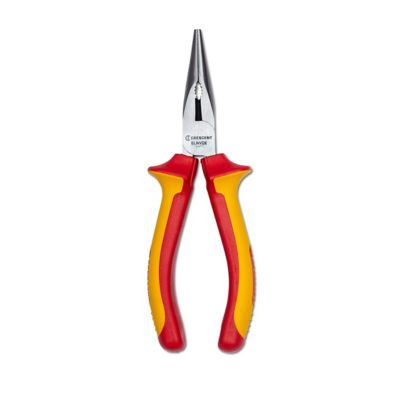
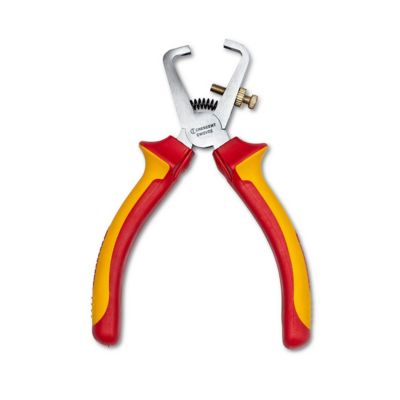
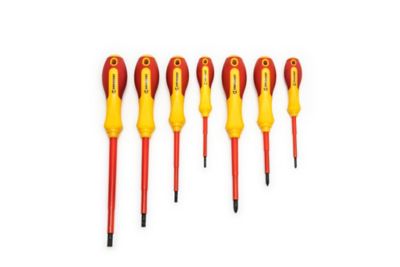
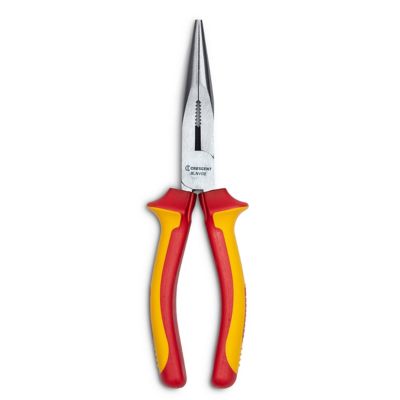
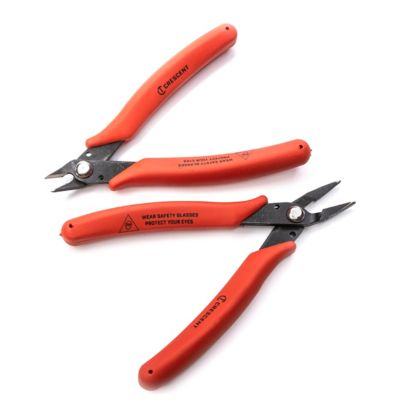
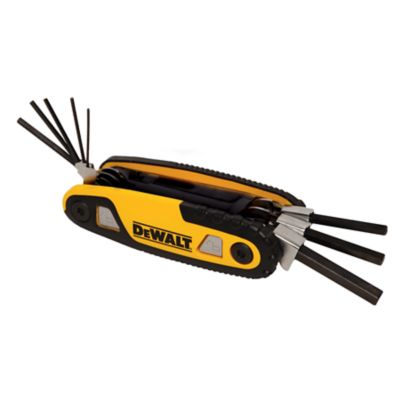
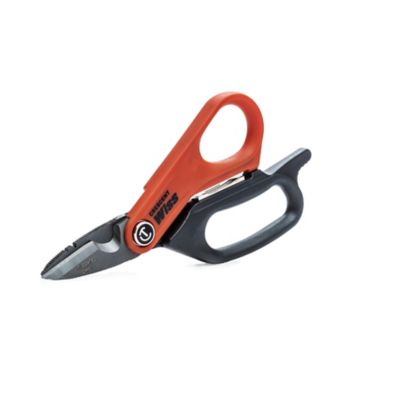
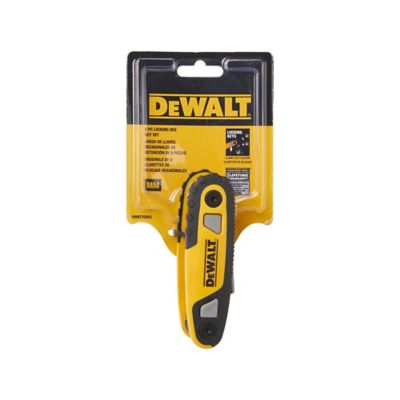
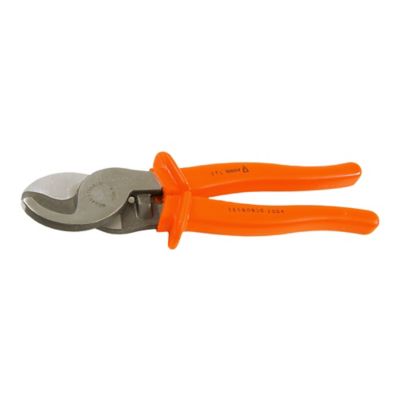
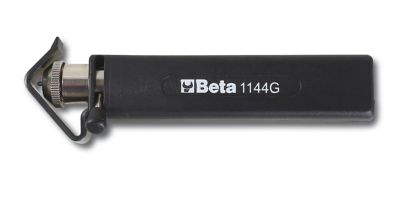
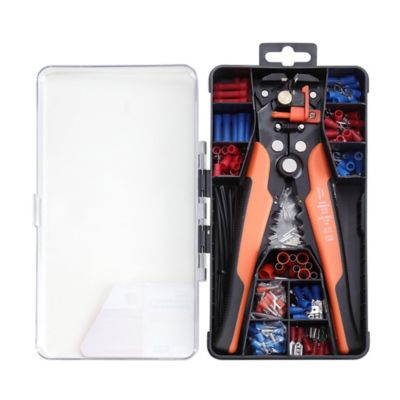
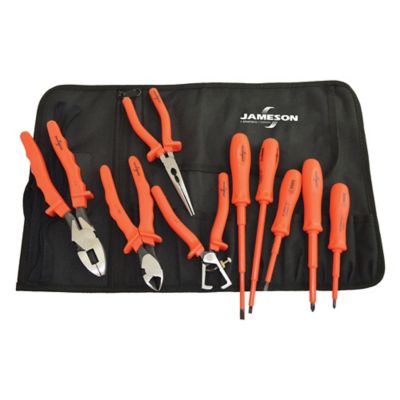
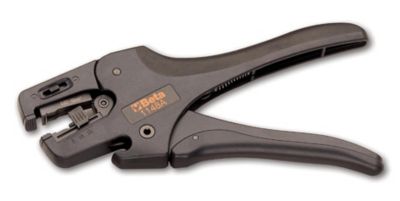
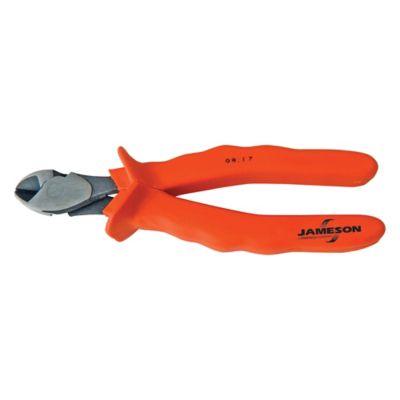
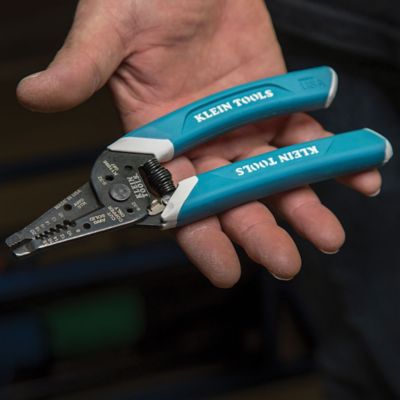
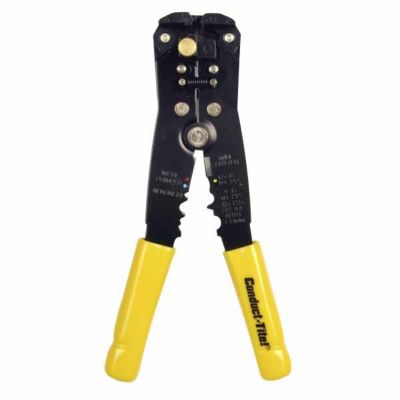
Electrician tools include hand tools, electrical testers and carrying gear for installing, checking and maintaining wiring and electrical equipment. From a farm shop to a commercial jobsite, the right setup brings together tools that fit the wire, fasteners and working space involved. Lineman’s pliers provide the gripping strength and leverage needed for bending, twisting and cutting conductors within their stated capacity. Wire strippers have sized openings that remove insulation while helping protect the conductor underneath, while diagonal-cutting pliers put cutting edges into tighter spots. Long-nose pliers offer reach for positioning wire inside boxes and working around closely spaced components. Screwdrivers and nut drivers handle terminal screws, covers and other fasteners, with tip shape and size making a real difference in how firmly the tool seats. These everyday details matter when an electrician is fitting out a shop, a maintenance crew is servicing equipment or an apprentice is putting together a working tool bag. Wire size, conductor material and construction all affect tool compatibility. A stripper marked for solid copper wire may have different capacity markings for stranded wire, and a cutting tool’s rating determines whether it suits copper, aluminum or other materials. Crimping tools likewise need to match the terminal style and wire range; a general-purpose jaw does not suit every connection. Forged steel bodies, hardened cutting edges and corrosion-resistant finishes help tools stand up to repeated handling, while smooth pivots and well-aligned jaws support controlled work. Handle length changes both leverage and access, so a longer tool may suit open work areas while a shorter profile fits a crowded pouch or confined space. For electrical hand tools, a comfortable grip is only part of the picture. The tool’s stated purpose, capacity and electrical protection rating carry more weight than its color or the thickness of its handle covering. A matched set can simplify organization, while individual tools let a working kit reflect the jobs that actually come through the shop door.
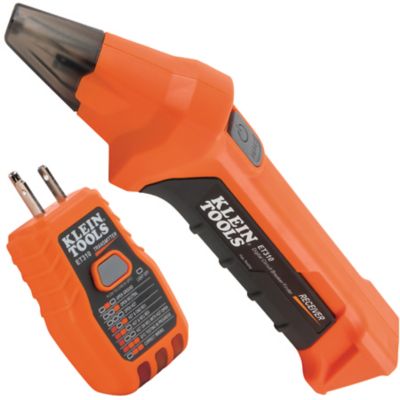
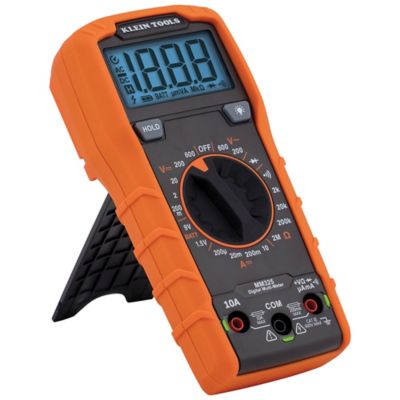
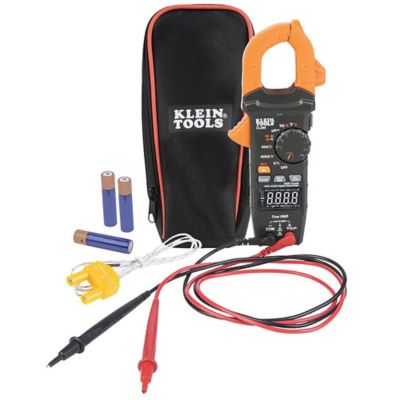
Electrical testing tools serve a different role from gripping and cutting tools: they help qualified workers evaluate circuit conditions and troubleshoot equipment. A digital multimeter can measure voltage, resistance and, within its specified limits, current, with functions varying by model. True-RMS capability helps with AC measurements on certain nonsinusoidal waveforms, such as those associated with some electronic equipment; it does not automatically mean a meter can rule out induced or “ghost” voltage. A clamp meter measures current with its jaws around a single conductor, reducing the need to open the circuit for that measurement. AC and DC current capability varies, so the meter’s listed functions matter. Non-contact voltage detectors respond to the electric field near energized AC wiring and can provide an initial indication of voltage, but they cannot establish that a circuit is safe to touch. Receptacle testers can flag certain common wiring faults, though their results do not cover every possible fault or replace a full electrical evaluation. For a maintenance worker tracing a motor problem or an electrician checking a newly installed circuit, readable displays, accessible controls and suitable test leads make these instruments easier to handle. Measurement category ratings, voltage limits and lead ratings must suit the location and task; a high voltage number alone does not describe every hazard a meter can withstand. The
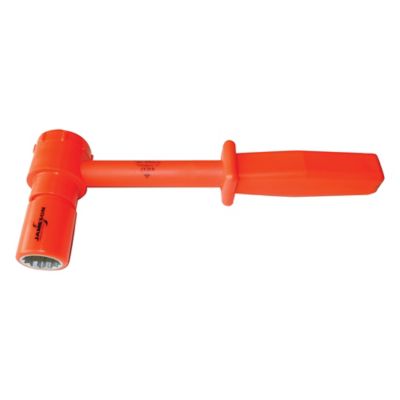
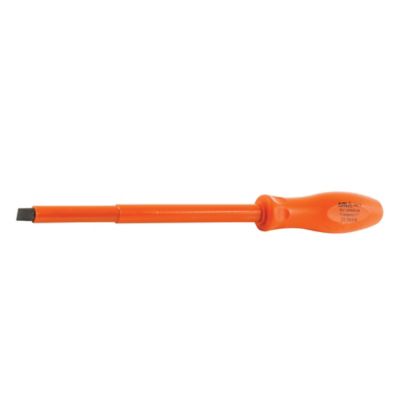
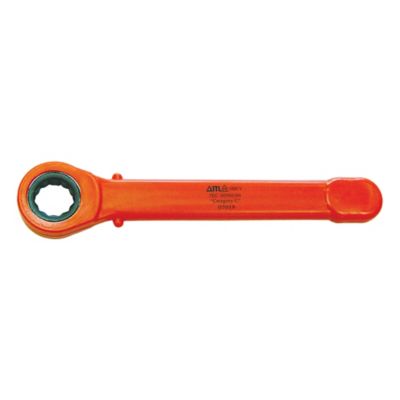
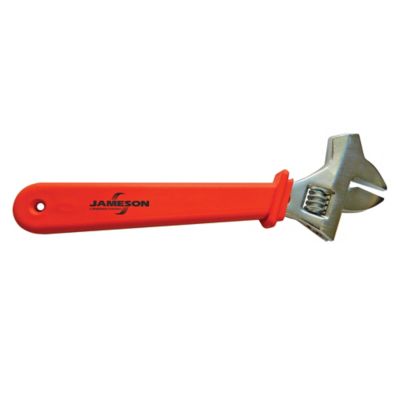
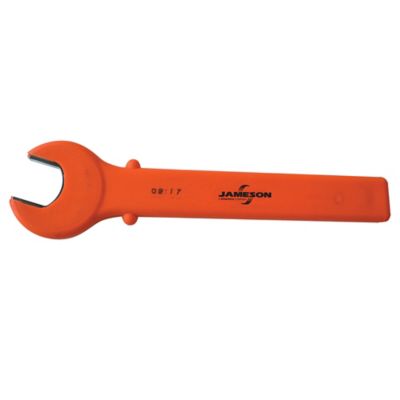
Insulated Tools for Electricians category is also relevant when a job calls for electrically rated hand tools rather than ordinary cushioned handles. Some insulated tools carry a 1,000-volt AC rating, but protection depends on the tool’s markings, condition and proper application. Insulated tools do not make energized work safe or replace required protective equipment. Electrical installation and troubleshooting belong with qualified people following applicable codes and workplace procedures. De-energizing equipment, preventing unexpected re-energization and verifying the absence of voltage with suitable test equipment are central safeguards; the tester’s operation also needs verification before and after that check.
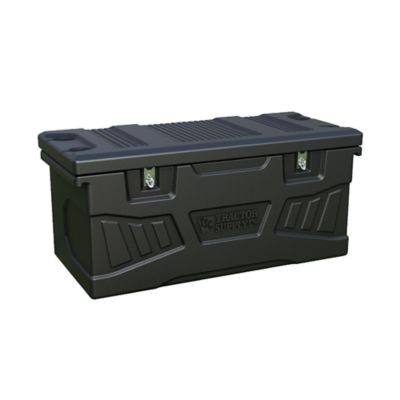
How electrician tools fit the workday matters almost as much as their individual functions. A tool that feels fine for a quick repair may feel quite different after repeated cutting, stripping or fastening. Grip shape, handle spacing, overall weight and the force needed to operate the jaws all influence comfort and control. Gloves can change that fit, especially around small handles, release catches and meter controls. Compact tools help in tight electrical boxes, while longer handles can offer extra leverage where there is room to work. Neither size is best for every task. A farm maintenance crew may need a portable setup that travels between a shop and outbuildings, while an electrician working through a larger installation may prefer a belt or pouch that keeps frequently reached-for tools close. Tool bags, backpacks and organizers help separate sharp cutting edges from meter leads and keep small accessories from settling at the bottom of a crowded compartment. Reinforced pocket openings, firm bases and closures that stay shut contribute to a setup that handles regular trips between the truck and the work area. Clear organization also makes missing tools easier to spot before leaving a job. Care requirements depend on the materials and the manufacturer’s directions, but clean, dry storage helps protect metal surfaces and keeps grit from collecting around pivots. Insulated handles need inspection for cuts, cracks and other damage, while test leads need attention at their insulation, connectors and strain-relief points. Damaged protective insulation or worn testing components call for removal from service rather than a makeshift patch. For an apprentice starting a trade program or an experienced electrician receiving a practical gift, compatibility with an existing kit is more helpful than simply adding more pieces. The best-fitting assortment supports the person’s actual work, with the right capacities, clear markings and enough organization to keep essential tools within reach. A well-planned collection earns its place through everyday usefulness, whether the job involves a neatly wired workshop, equipment maintenance or a long day of installation work.