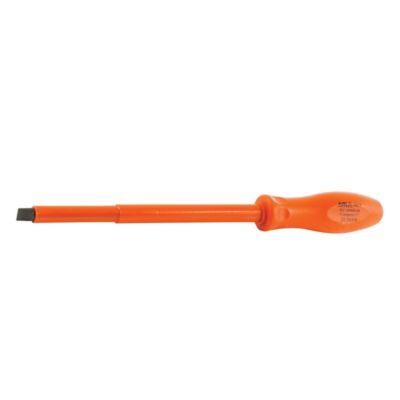
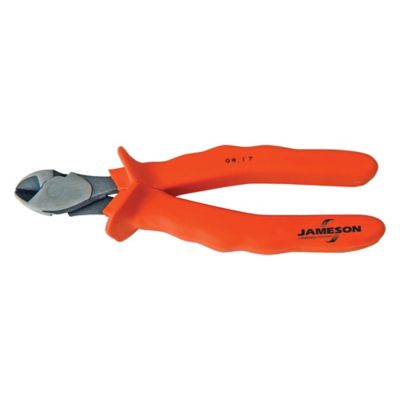
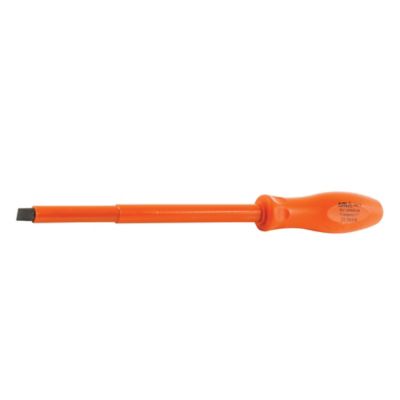
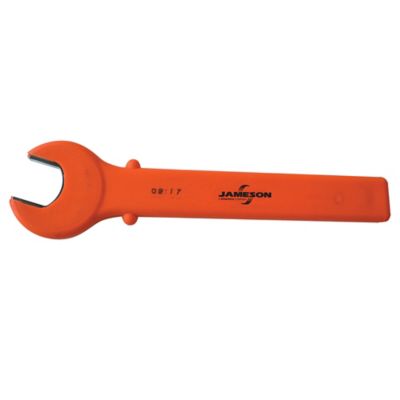
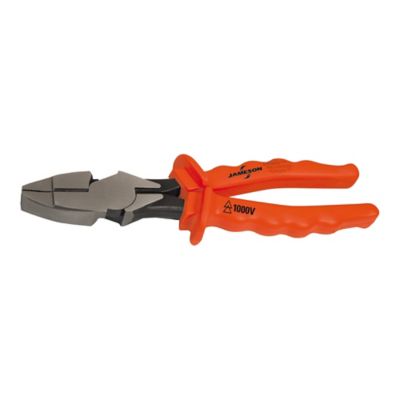
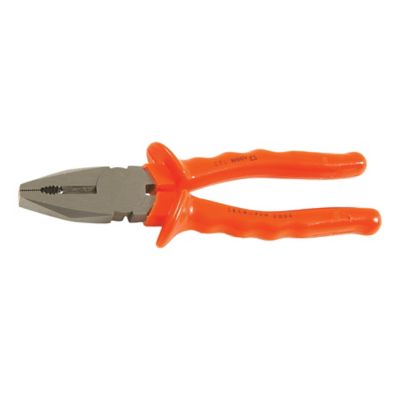
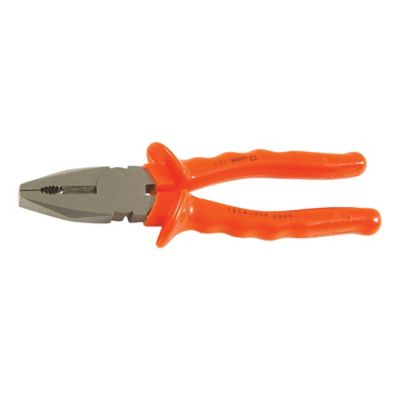
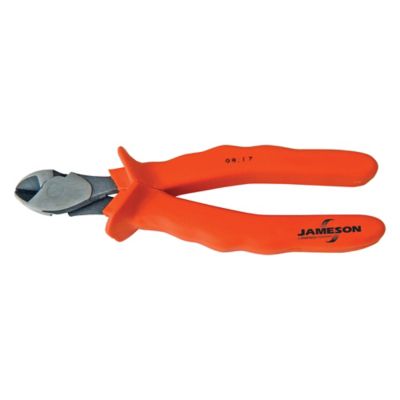
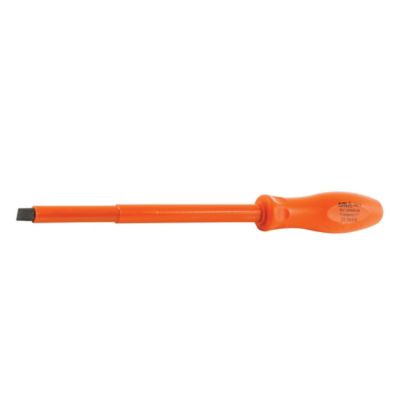
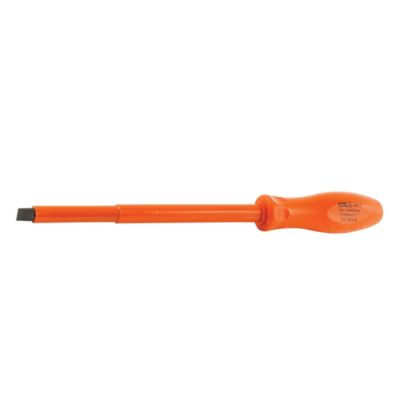
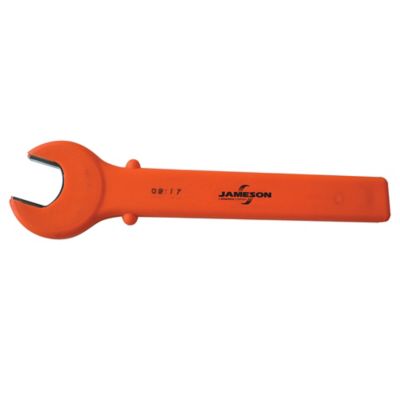
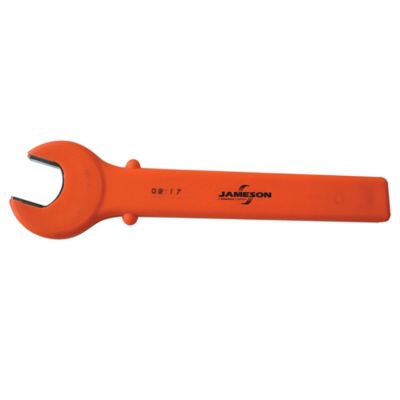
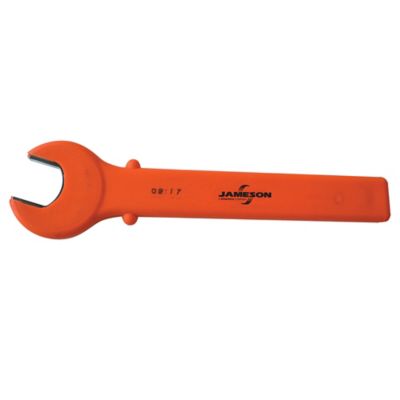
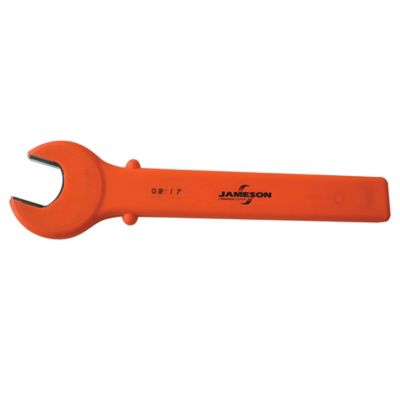
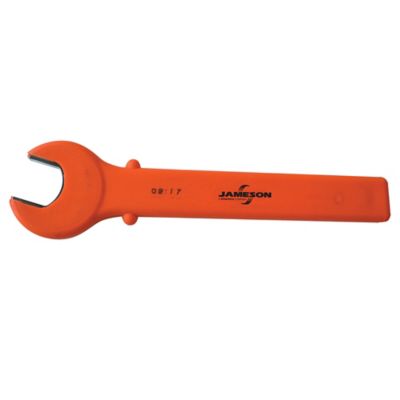
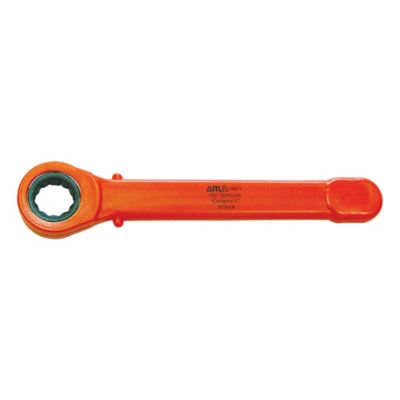
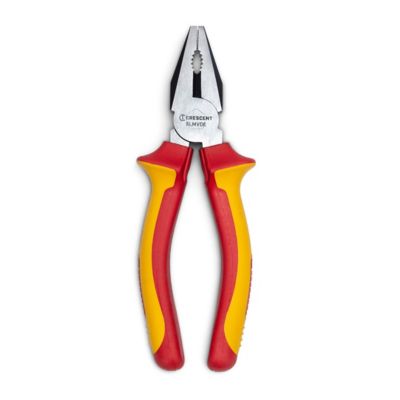
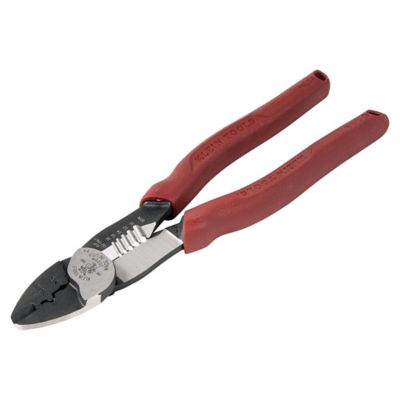
Hand tools for electricians help turn careful electrical work into a more organized, precise job, whether you are wiring a new shop, repairing an outbuilding, maintaining equipment, or learning the trade as an apprentice. A dependable tool assortment often starts with the basics: wire strippers for removing insulation without nicking the conductor, lineman’s pliers for gripping, twisting, cutting, and crimping, and diagonal cutters for making clean cuts in wire and cable. Long-nose pliers are handy when a wire needs to be guided into a crowded junction box or bent into a neat loop, while a solid tape measure helps with conduit runs, box placement, and layout work. Screwdrivers remain an everyday essential, especially when working with terminal screws, cover plates, clamps, and hardware in tight spaces. For jobs around electrical panels or other areas where energized parts may be nearby, look for properly rated insulated screwdrivers and pliers, and check the markings and certification information before use. Insulation is an added layer of protection, not a substitute for shutting off power, locking out equipment when appropriate, and following safe work practices. A non-contact voltage tester can provide a quick preliminary check, but it should not be the only step used to verify that a circuit is de-energized. Always test your tester on a known live source before and after checking the work area, and use a properly rated meter and the right protective equipment for the task.
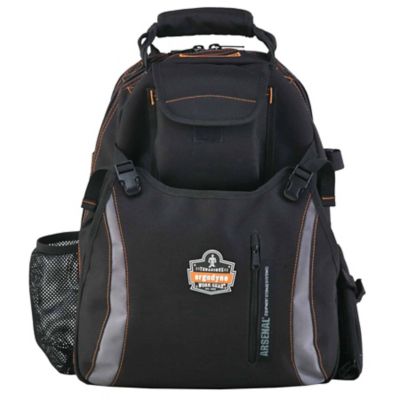
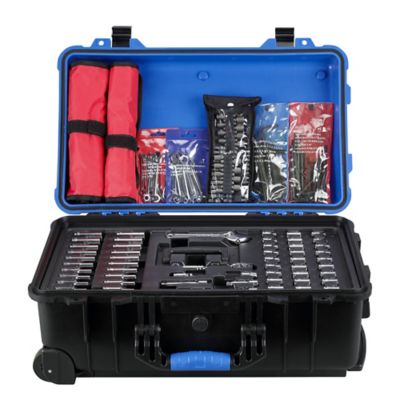
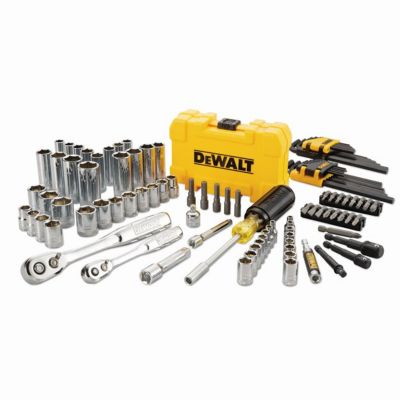
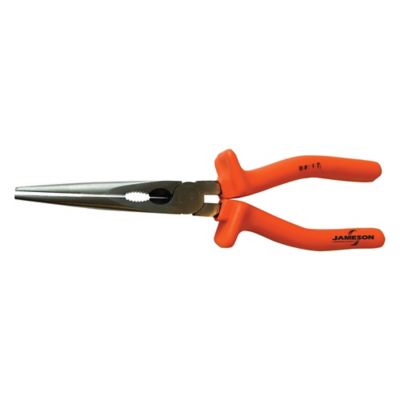
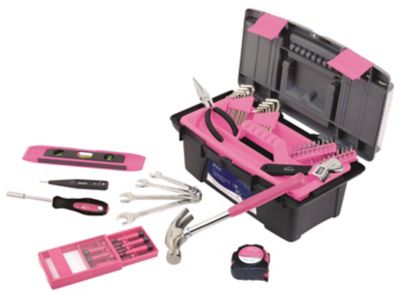
When choosing hand tools for electricians, pay close attention to the kind of work ahead, the wire sizes involved, and how often the tools will be carried from one job to the next. Wire strippers should match the gauges you commonly handle and should remove insulation cleanly rather than forcing you to tug, twist, or cut into the copper underneath. Pliers need comfortable handles, firm jaws, and enough leverage for the work without feeling awkward in your hand. In a service truck, barn office, crawl space, or unfinished room, a slim profile can make a big difference when boxes and fasteners are tucked into narrow spots. Insulated tools are generally identified by their voltage rating and applicable safety standard; never assume that a colored handle alone means a tool is suitable for energized work. Look for clear, durable markings, inspect the insulation before each use, and retire any tool with cuts, cracks, burns, loose handles, or damaged grips. A pouch, case, or tool bag can keep cutters from disappearing beneath a pile of fasteners and prevent sharp edges from getting mixed in with smaller hand tools. For someone just getting started, a thoughtfully assembled hand tool set can make a practical gift for an electrical apprentice, a vocational student, or a handy family member setting up a first work kit. Experienced electricians may prefer to fill gaps with individual tools chosen for a particular specialty, such as residential wiring, industrial maintenance, agricultural equipment, or low-voltage installation. If gripping, twisting, and cutting are a regular part of the job, browse
Insulated Pliers for Electricians to compare options suited to electrical work.
A good electrical hand tool kit earns its place through everyday reliability. On a warm day, that may mean repairing a fan in the shop or replacing a worn switch in a shed; during cooler weather, it may mean tracking down a bad connection before livestock waterers, heaters, or lights are needed. The right tools help keep the work tidy, with straight wire cuts, secure bends, properly tightened terminals, and fewer damaged conductors. Keep cutters sharp and clean, wipe away dirt or oil that can make handles slippery, and store tools somewhere dry when the job is done. It is also worth carrying a small flashlight or headlamp, spare batteries, a marker, electrical tape, and a way to organize screws and wire connectors, though the hand tools themselves should remain easy to reach. Before starting, identify the circuit, turn off the correct disconnect or breaker, confirm that power is off with an appropriate testing method, and follow local codes or have a qualified electrician handle work beyond your training. Tools rated for electrical use are built for precision and protection, but no hand tool can make an unsafe circuit safe by itself. With a well-matched assortment, a careful routine, and regular inspection, hand tools for electricians can serve on everything from a first practice project to years of repair and maintenance around the house, farm, garage, or jobsite.