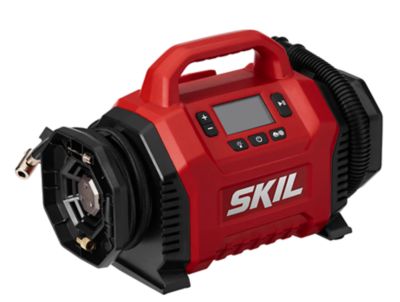
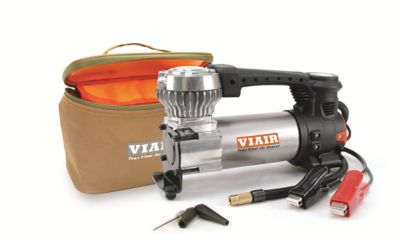
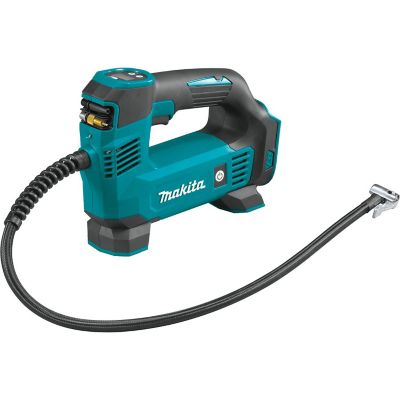
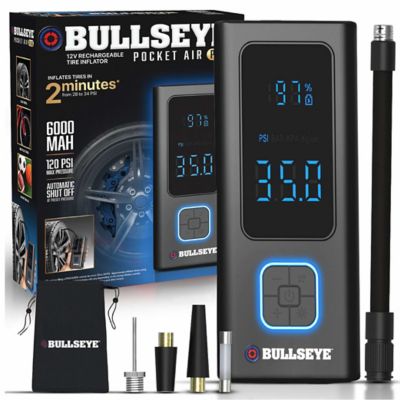
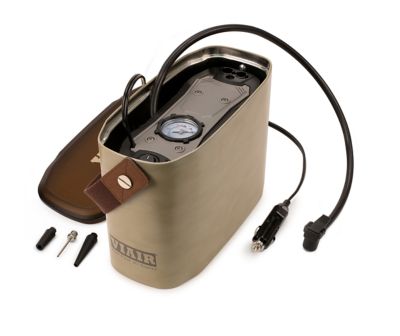
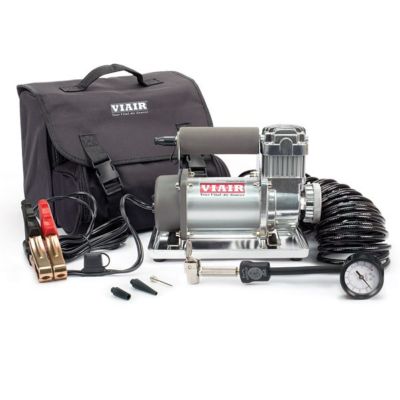
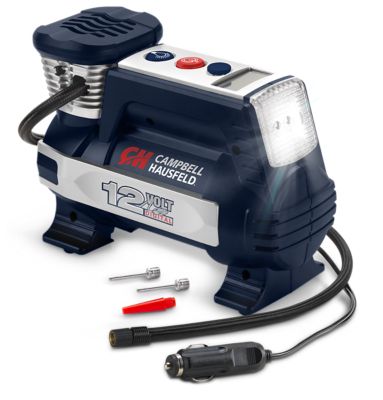
Tire air tools make it easier to check, add and adjust air before a low tire turns into a roadside hassle. The right setup may be as simple as a standalone pressure gauge, or it may include an inflator gauge connected to an air compressor, a portable electric inflator or a separate air chuck for reaching valve stems in tight spots. These tools are useful around the house, farm, garage, trailer, shop and jobsite, especially for people who put plenty of miles on pickup trucks, SUVs, utility trailers, tractors, ATVs, riding mowers, bicycles and other equipment. Proper tire pressure helps tires wear more evenly, handle more predictably and roll with less resistance. It can also support better fuel economy, which matters when a vehicle is hauling feed, pulling a trailer or making long trips between town and the back roads. A tire pressure tool does not replace regular tire inspections, but it gives you a quick way to catch a problem before you find a soft tire in the driveway or a flat waiting at the barn. As the weather shifts from warm afternoons to cooler mornings, checking pressure becomes even more worthwhile because air pressure can change with temperature. Keep the vehicle manufacturer’s recommended PSI in mind rather than relying on the maximum pressure molded into the tire sidewall. That sidewall number is a limit for the tire, not the everyday setting for the vehicle. For the most useful reading, check tires when they are cold, before driving has warmed the air inside them, and compare all four tires along with the spare. A good gauge should be easy to read, comfortable to hold and suited to the pressure range you need. Digital displays can be helpful in a dim garage or before daylight, while traditional dial and pencil styles offer simple operation without batteries. Accuracy matters, but the tool also needs to be used consistently; a dependable gauge stored where it will not get tossed around with heavy tools is more useful than an advanced gauge that is left buried in a glove box or workbench drawer.
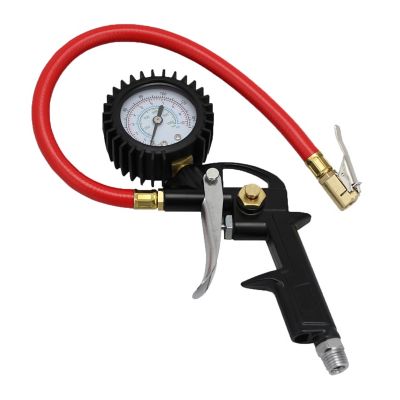
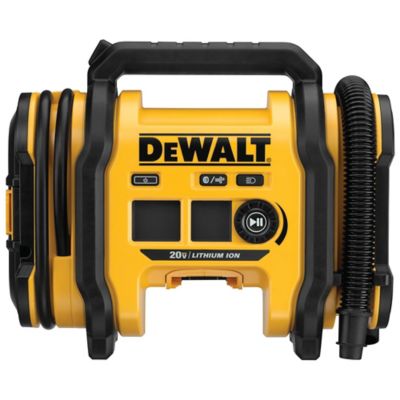
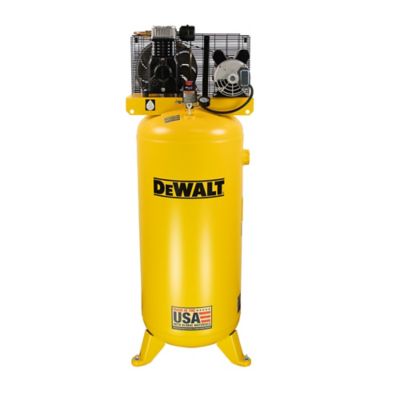
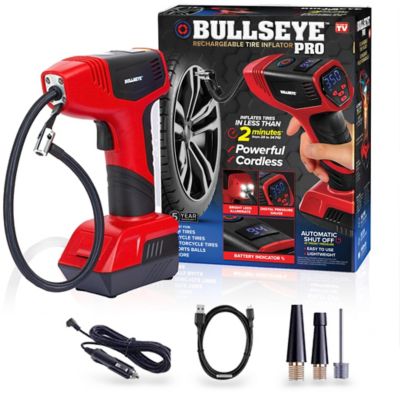
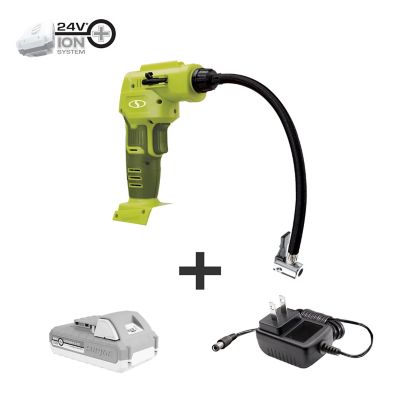
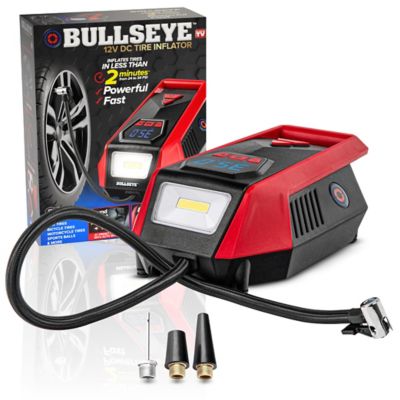
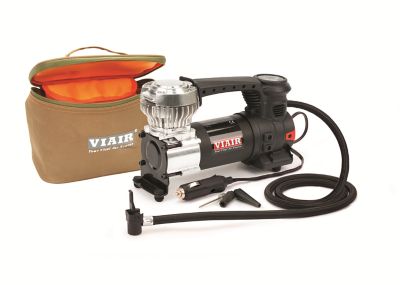
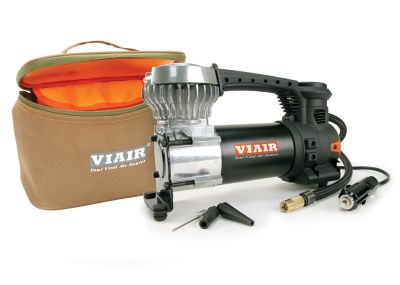
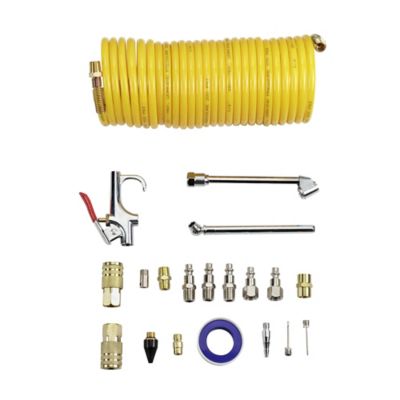
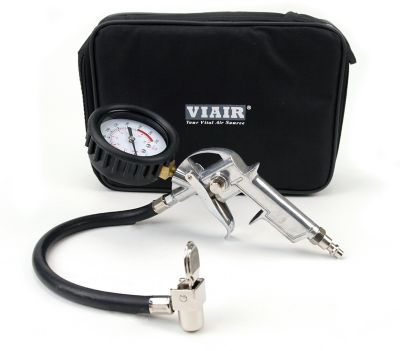
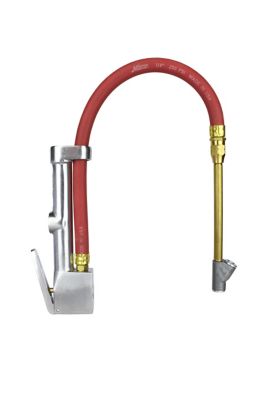
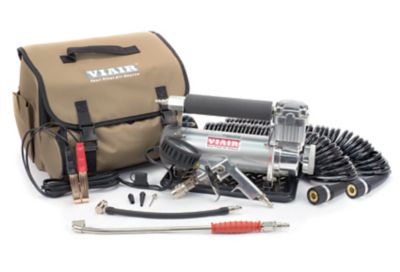
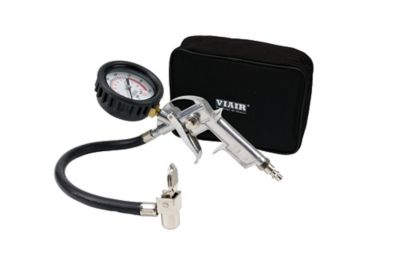
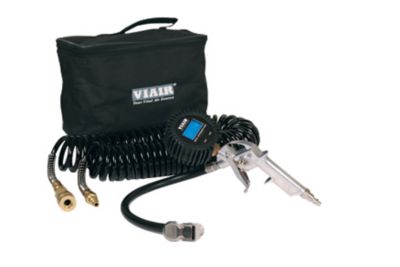
If you already have an air compressor, an inflator gauge can bring several handy functions together. The trigger lets you control airflow, the gauge shows the pressure as you work and a bleed valve can release a little air when a tire has been filled too far. Check the connection before buying, including the fitting size, hose setup and whether the tool uses the same style of coupler as your compressor. A sturdy air chuck should grip the valve stem securely and make a good seal, since a loose connection wastes air and makes the gauge harder to read. Lock-on, clip-on and dual-foot chucks each have their place. A dual-foot style can be useful when working with different wheel layouts, while a lock-on chuck may leave one hand free to operate the inflator. For a compressor-powered tool, also consider the compressor’s tank size and delivery rate. A small compressor may handle a car or light truck tire with ease but take longer when filling larger trailer, agricultural or off-road tires. Portable cordless inflators offer a different kind of convenience because they do not need an outlet, compressor tank or long air hose. They are handy to keep in a vehicle, carry to a field gate or use beside a trailer where power is not close by. Look for a pressure range that matches your equipment, a readable display, a preset function with automatic shutoff and a hose that reaches the valve without putting strain on the stem. Battery runtime, recharge time, storage space and the availability of a charged battery all matter when you are away from the shop. Some portable units also include adapters for inflatables or smaller equipment, though the primary job should still match the tool’s intended duty cycle. Larger or heavier tires may require more time and airflow than a compact inflator can comfortably provide. If compressed air is part of a larger garage setup, tire inflation tools can sit alongside accessories such as
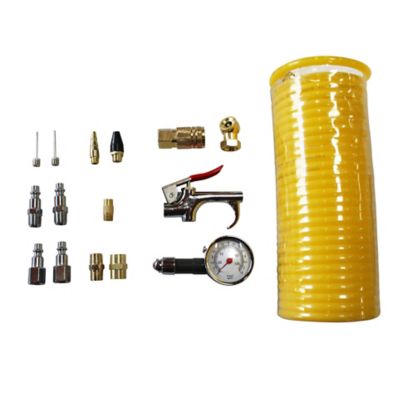
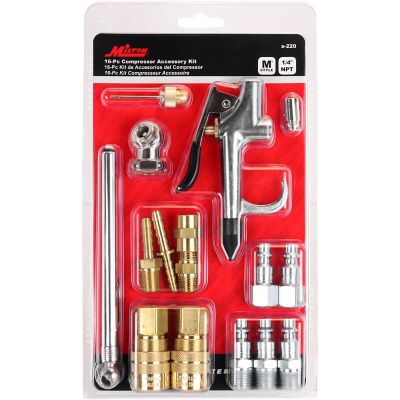
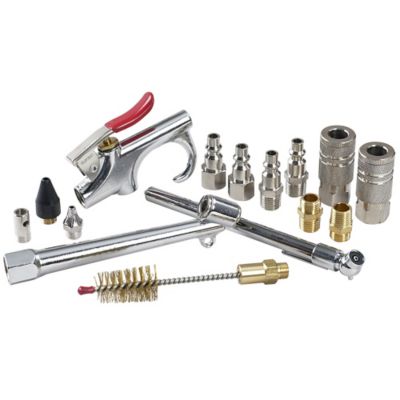
Air Gun Tools for clearing dust and debris from work areas, equipment and hard-to-reach spaces.
Tire air tools are practical gifts for a new driver, a farm kid building a roadside kit, a camper who travels far from the nearest service station or anyone who spends weekends hauling, hunting, riding trails or working around a property. They are also a thoughtful choice for the person who seems to have every hand tool but still checks tire pressure with an old gauge that has seen better days. Before choosing one, think about where it will be used most often and what kind of tires it needs to service. A compact gauge or cordless inflator may be a smart fit for a daily driver or emergency kit, while a compressor-mounted inflator with a longer hose can make more sense for a home garage, repair bay or equipment shed. For trucks and trailers, favor a tool with a suitable PSI range, a strong chuck and a hose long enough to reach inner valve stems without crawling around on the ground. For bikes, lawn equipment and small utility tires, a precise low-pressure reading and compatible adapters may be more important than high-volume airflow. A backlit display, built-in work light and automatic shutoff can make a portable unit easier to use during early-morning chores, evening loading or the cooler months when a roadside repair is especially unpleasant. Keep the tool clean, protect the gauge from drops and moisture, and inspect hoses, seals and valve connections for wear. When adding air, work in short bursts and recheck the reading rather than walking away from an inflating tire. Never inflate a visibly damaged tire, a tire with a bulge or a tire that has come off the rim; those situations call for professional service. With the right tire air tools on hand, routine pressure checks become a quick part of fueling, hitching up or finishing chores, helping keep everyday vehicles and hardworking equipment ready for the road, pasture, trail or next trip into town.