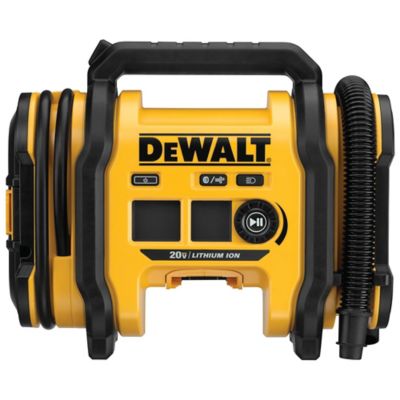
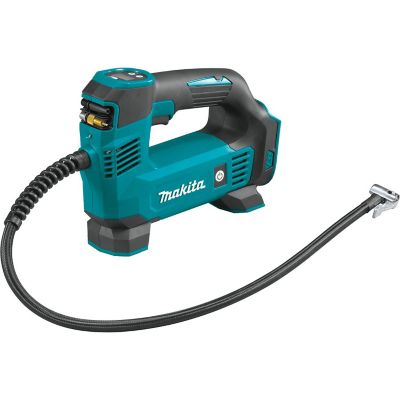
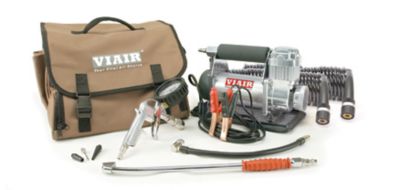
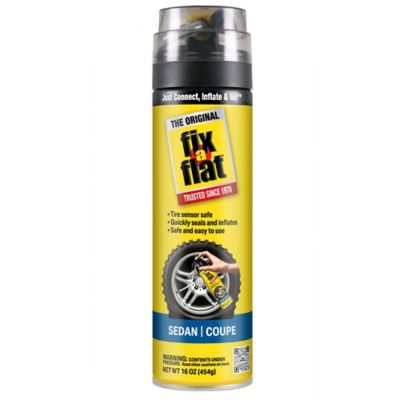
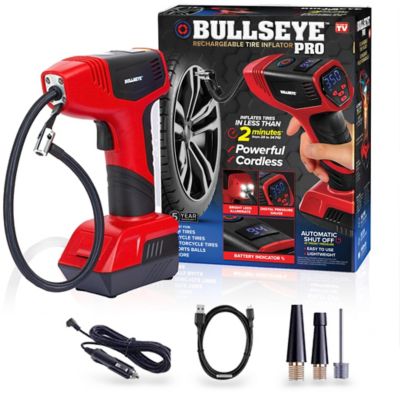
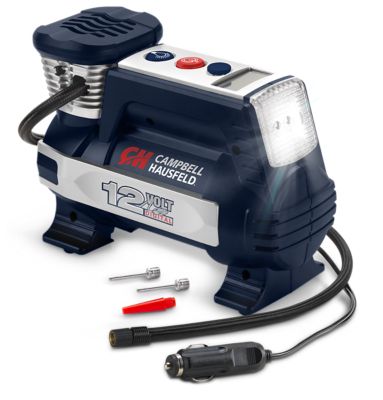
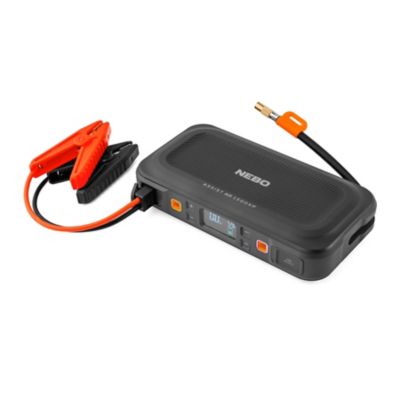
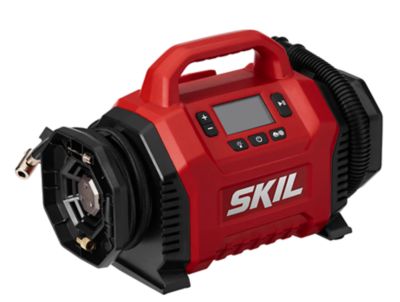
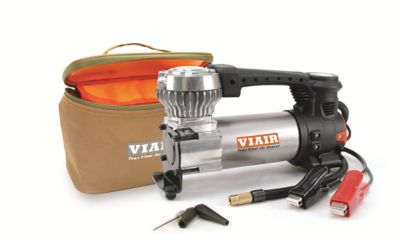
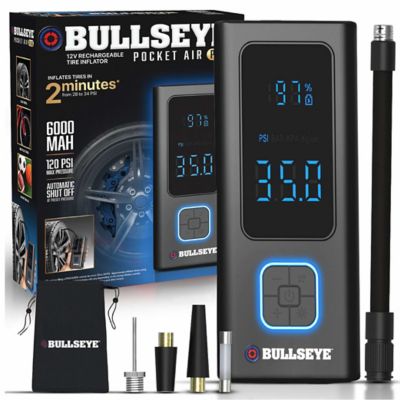
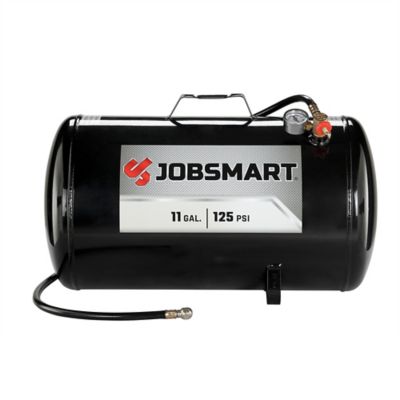
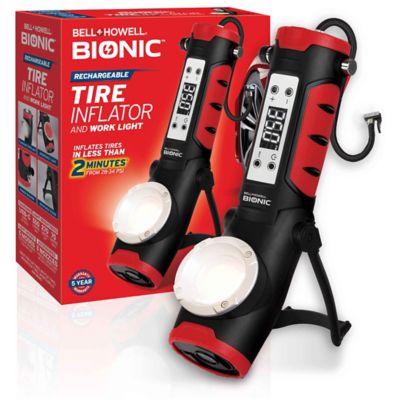
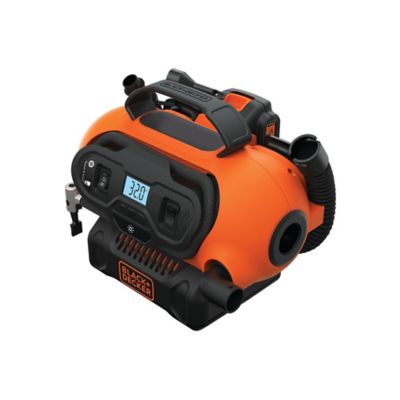
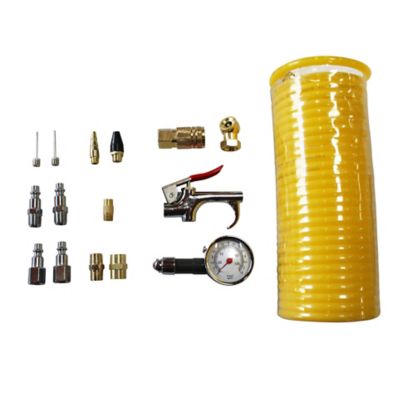
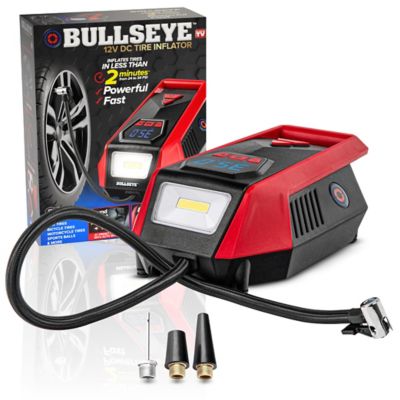
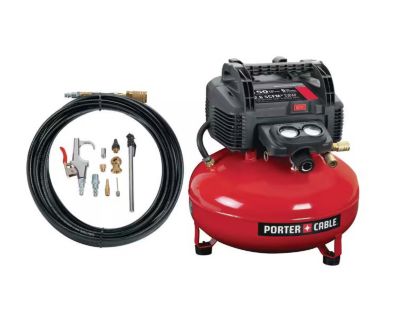
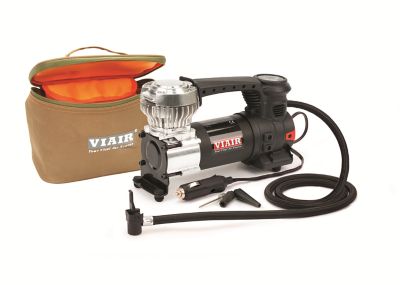
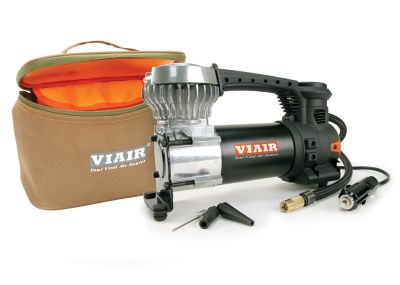
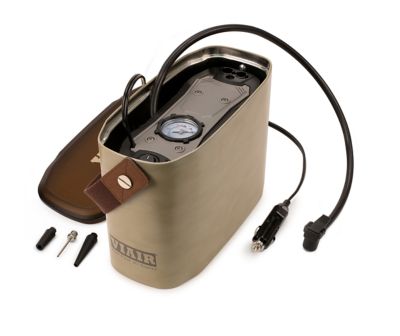
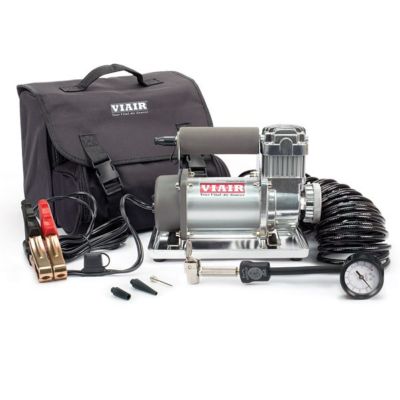
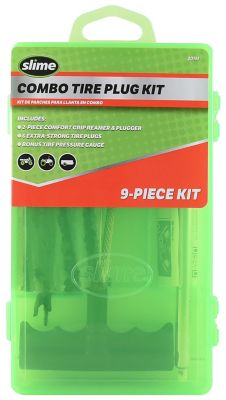
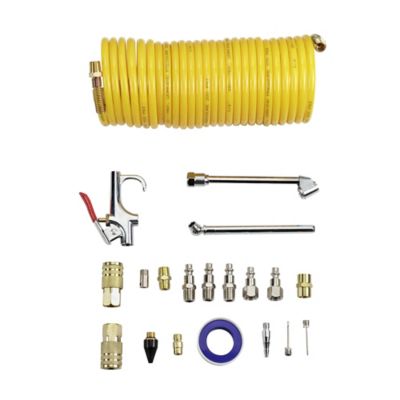
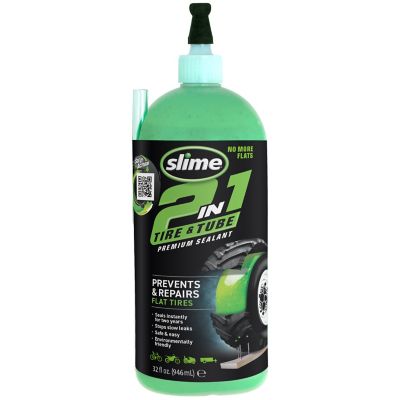
Tire inflator kits are handy to keep in a car, pickup, SUV, trailer, tractor, or off-road rig when a tire needs more air and a service station is nowhere close. A tire that looks only a little low can affect handling, stopping, fuel use, and tread wear, especially when a loaded truck is hauling feed, fencing supplies, tools, or a trailer down back roads. Most kits use a portable air compressor that connects to a vehicle accessory outlet or directly to the battery, while some use a rechargeable battery for cordless operation. Many include an air hose, power cord, pressure gauge, valve adapters, storage case, or automatic shutoff feature. Emergency tire repair kits may also include liquid sealant for a small puncture in the tread. Sealant is meant to provide a temporary way to get to a tire shop, not a permanent repair, and it should only be used according to the kit instructions and the tire manufacturer’s recommendations. It is not a solution for a sidewall tear, a badly damaged tire, a separated tread, or a tire that has come off the rim. A portable inflator without sealant is a better fit for routine pressure checks and top-offs, while a combined emergency kit can be useful for drivers who want extra roadside backup. Before choosing, check the vehicle’s recommended tire pressure, the maximum pressure and airflow rating of the inflator, and the power connection required. A compact unit may be easy to store under a seat or behind a truck bench, but a larger tire, high-clearance truck, RV, or farm trailer may call for a sturdier compressor with a longer hose and heavier-duty cable. A built-in or included gauge makes it easier to add air gradually and avoid guessing by feel, since a tire can look firm while still being well below its proper pressure.
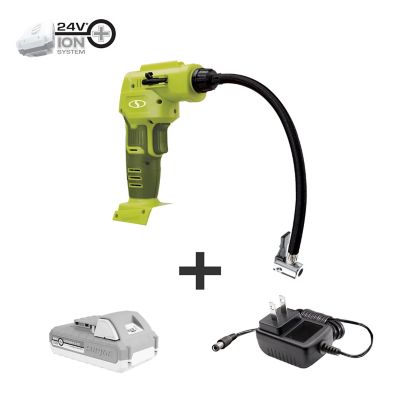
Drivers who spend time on gravel roads, two-track trails, hunting land, construction sites, or remote job locations often appreciate having a tire inflator kit within reach. Air pressure can drop with cooler temperatures, and the change is easy to notice during the cooler months when a vehicle sits outside overnight. Checking pressure before a longer drive, after a sharp temperature swing, or before carrying a heavy load can help keep the vehicle riding and steering as it should. Off-road drivers may choose a multi-tire setup that connects to an onboard air source and uses several hoses to inflate or deflate tires together. Adjusting pressure for loose soil, sand, mud, or rocky ground can improve traction and help reduce unnecessary tire wear, but pressures should be adjusted with care and returned to the vehicle maker’s recommended setting before traveling on pavement. For everyday cars and pickups, a standard 12-volt compressor or cordless inflator is often enough for topping off one tire at a time. Cordless models can be convenient when the vehicle is parked away from an outlet or when a power cord would be awkward around a trailer, lawn equipment, or a crowded driveway. Those considering
Rechargeable Tire Inflators should pay attention to battery compatibility, charge time, runtime, storage temperature, and whether the battery and charger are included. A unit with a digital display and auto shutoff can be especially helpful for people who prefer a simple set-and-check routine, while a traditional gauge and straightforward controls may appeal to drivers who want fewer electronic features. Keep in mind that inflators work at different speeds, and a small emergency unit may take longer to fill a large truck tire than a heavy-duty compressor. Reading the included specifications helps set realistic expectations and makes it easier to match the kit to the vehicle and the way it is used.
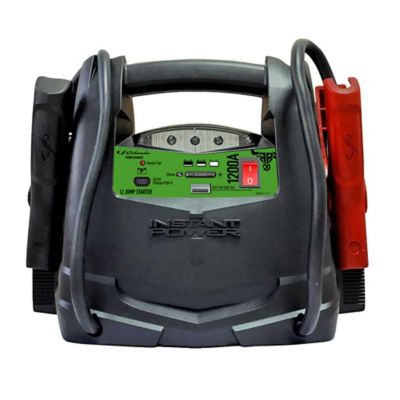
A tire inflator kit can make a practical gift for a new driver, a college student heading home on rural highways, a family member who pulls a utility trailer, or anyone who spends long hours behind the wheel. It is also a thoughtful addition to a roadside emergency bag alongside jumper cables, a flashlight, work gloves, reflective gear, and basic tools. For farm and ranch families, keeping one in the pickup can save a long trip when a tire loses air near a pasture gate, hay field, livestock trailer, or equipment shed. Store the kit where it stays dry, protected from mud and extreme heat, and easy to reach without unloading the whole vehicle. Check the power cord, hose, fittings, and gauge from time to time, and keep a rechargeable battery topped up according to the manufacturer’s instructions. It is smart to practice connecting the hose and power source before an actual roadside problem, particularly if the kit will be used in the dark, in cold weather, or while wearing work gloves. Always pull completely off the road when possible, set the parking brake, turn on hazard lights, and use extra caution around passing traffic. Inspect the tire before adding air, and stop if you see bulging, cracking, exposed cords, or other serious damage. After inflating, compare the reading with the pressure listed on the vehicle’s doorjamb label or owner’s manual rather than the number molded into the tire sidewall, which is generally a maximum pressure reference. A well-chosen tire inflator kit is not a replacement for regular tire inspections or professional repair, but it can help handle ordinary pressure loss, support seasonal vehicle care, and provide peace of mind when the nearest air pump is miles down the road.