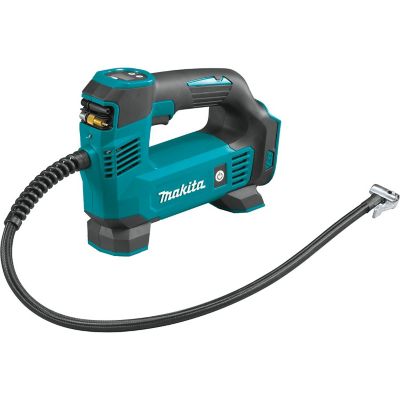
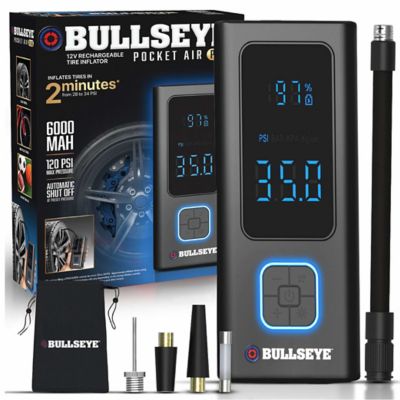
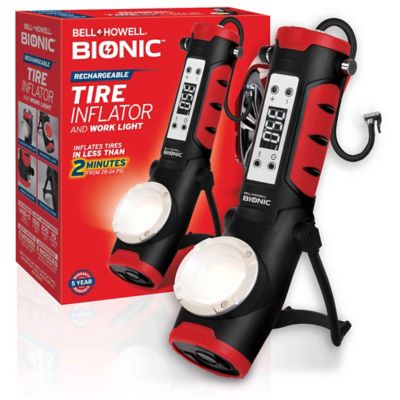
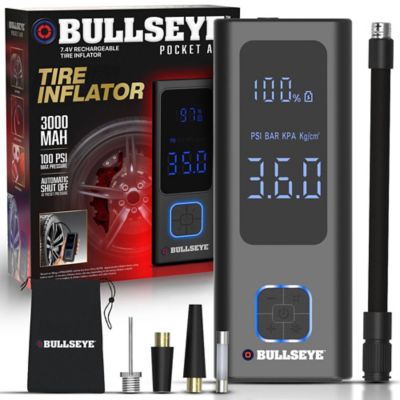
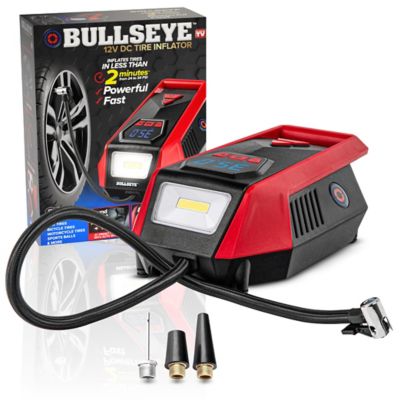
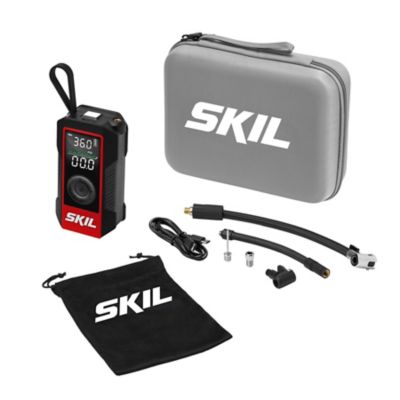
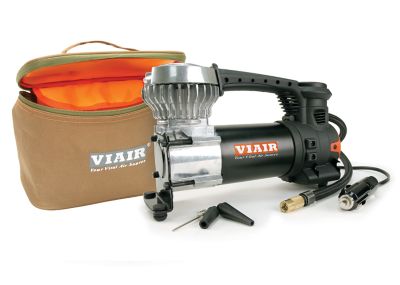
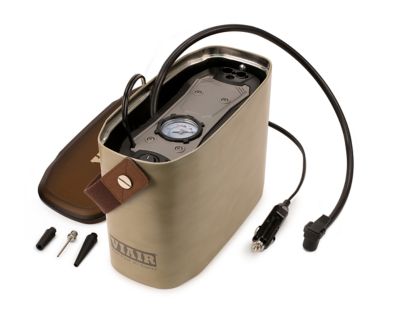
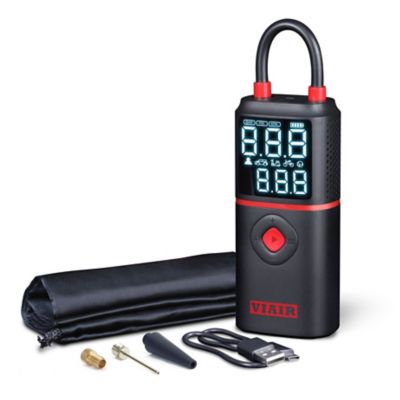
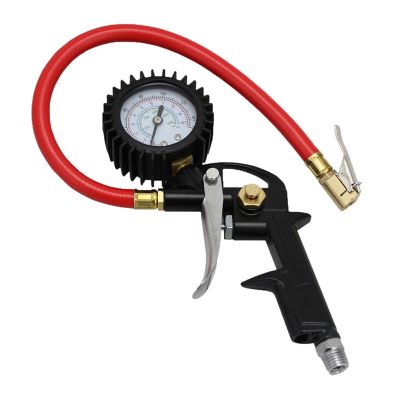
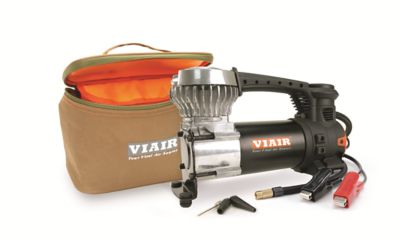
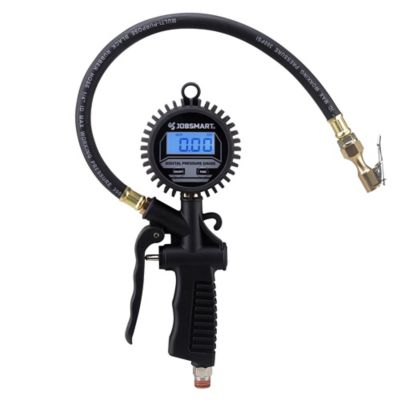
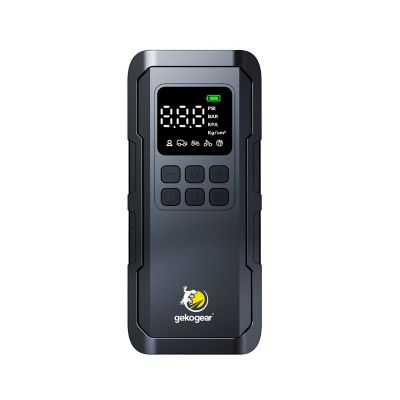
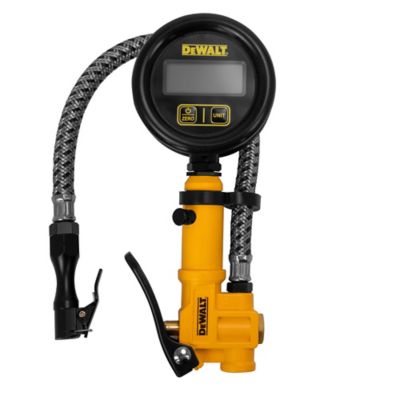
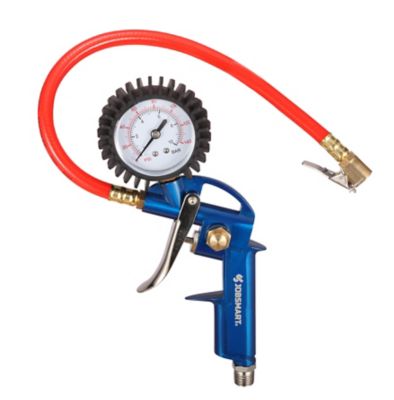
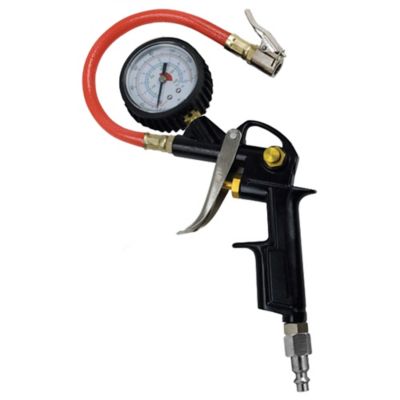
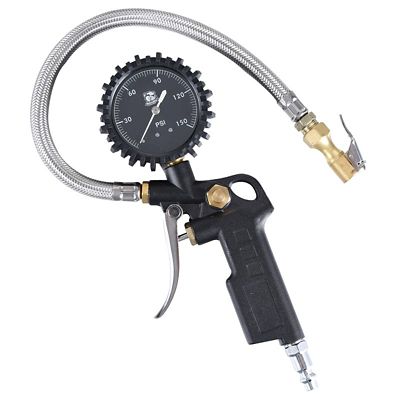
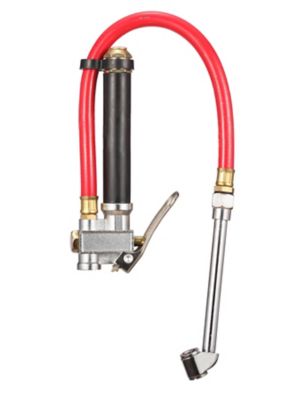
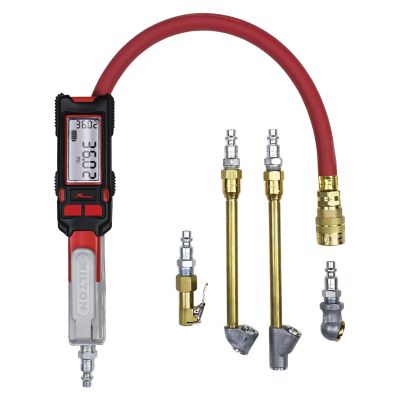
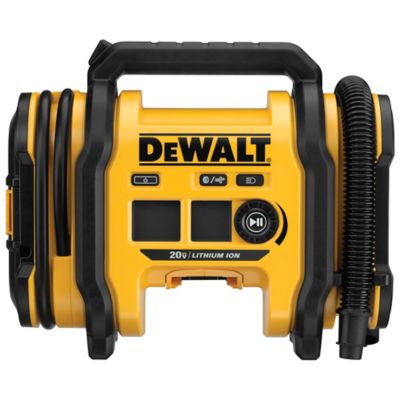
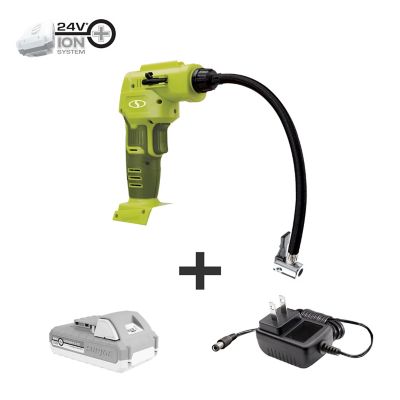
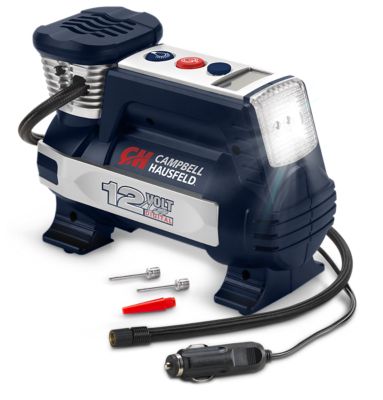
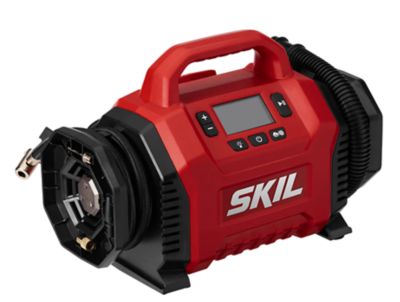
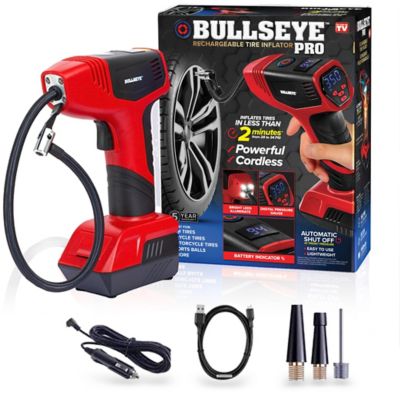
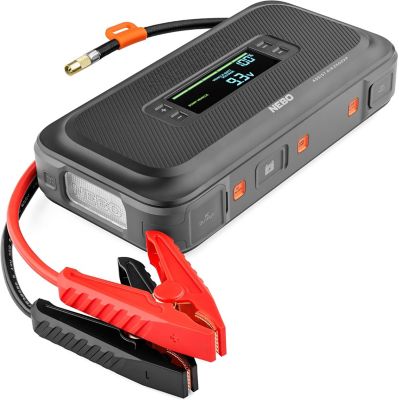
Handheld tire inflators are compact, portable air pumps for adding air to vehicle tires, bicycle tires and other compatible inflatables without bringing out a full-size shop compressor. They’re especially handy for routine pressure top-offs, whether a pickup is parked beside the barn, a utility trailer is getting ready to haul feed or a bicycle needs attention before a ride. Cordless tire inflators run on rechargeable batteries, while corded portable models draw power from a compatible outlet, often a vehicle’s 12-volt accessory socket. Their smaller size makes them easier to carry between the driveway, shed and equipment parking area, with less setup than a compressor and long air hose. For folks who keep several wheeled machines working around a property, that convenience can make regular tire care less of a chore. A built-in pressure gauge puts the reading near the connection, and digital displays can make the numbers easier to see without bending down beside a tire for long. Models with preset pressure settings and automatic shutoff can stop inflation at a selected target, though those features don’t replace checking the reading against the pressure recommended for the vehicle or equipment. The vehicle’s tire placard or owner’s manual supplies that recommendation; the maximum pressure molded into a tire’s sidewall is not necessarily its operating target. Handheld inflators are generally better suited to topping off compatible tires than filling large, fully deflated tires. They don’t repair punctures, damaged valves or bead problems, either. A tire that repeatedly loses air needs attention to the cause, not just another fill. For everyday upkeep, though, a portable tire inflator can keep a useful air source close at hand instead of making every small pressure adjustment a trip back to the shop. It’s a practical fit for drivers, bicycle riders, property owners and anyone responsible for keeping small trailers or wheeled equipment ready for the next job.
Power source, airflow and operating limits all shape how a handheld tire inflator fits into a day’s work. A rechargeable model offers freedom from a power cord, which is handy when a trailer sits away from the truck or a bicycle is hanging in the shed. Battery capacity affects how much inflation work a charge can support, and larger tires or bigger pressure increases generally ask more of that battery. Some cordless designs have built-in batteries, while others accept removable packs; compatibility depends on the tool and battery system rather than the pack’s appearance alone. A vehicle-powered inflator avoids depending solely on a charged tool battery, but its cord and hose need enough combined reach to get to every tire from the designated outlet. The outlet’s electrical rating also needs to match the inflator’s requirements. Dual-power designs can offer more flexibility when their supported power sources fit the places the tool will go. Across the broader range of
electric tire inflators, maximum pressure and airflow describe different capabilities: a high pressure rating does not automatically mean a tire will fill quickly. Air delivery, tire volume and the difference between starting and target pressure all affect filling time. That matters when comparing a bicycle tire with a pickup tire, and even more when considering larger agricultural equipment. Full-size tractor tires may call for equipment with greater air delivery and longer operating capacity than a handheld unit provides. The rated duty cycle, or permitted run time before a rest period, helps define that boundary. Connection details matter just as much as motor specifications. Many vehicle tires have Schrader valves, while some bicycles have Presta valves that need a compatible connection or adapter. Threaded chucks and lever-lock fittings offer different ways to secure the hose, and hose length affects access around wheel spokes, fenders and valve stems. Attachments for sports balls or other inflatables extend the tool’s role only where the fitting, pressure range and intended application match.
Construction and handling details become noticeable when an inflator moves from a tidy garage shelf to the truck cab and back again. Molded housings help keep weight manageable, while rubberized grip areas can make a compact tool easier to hold. Reinforced hoses and metal connection fittings can help withstand repeated handling, though no hose benefits from being pinched under equipment or folded sharply into a storage compartment. A stable base gives the tool somewhere to sit during operation, and a well-placed handle makes carrying it alongside other gear less awkward. Display size, button spacing and clear pressure-unit markings are worth considering for anyone working with gloves or checking a tire in a dim shed. An integrated work light can help illuminate a valve tucked behind a wheel opening, while onboard hose and adapter storage keeps small parts from disappearing into the bottom of a toolbox. These are practical touches for a tool that may travel between several vehicles rather than stay on one workbench. Care is straightforward: keeping the housing clean, the air openings clear and the hose free of cracks helps support continued operation. A dry storage spot protects connections, and securing the inflator keeps it from sliding around beside loose tools. Battery charging and storage should follow the manufacturer’s directions, with the proper charger for the battery system. Checking the hose, chuck and power cord for damage before operation can catch problems before they interrupt a job. A separate tire gauge can also provide a useful cross-check when pressure readings seem off. As a gift, a handheld inflator makes sense for a new driver, a bicycle rider or the person who handles the family’s trailers and yard equipment, provided its power source and inflation capacity match their needs. For a rural household, its appeal is simple: a manageable tool that brings air to the tire, whether that tire is beside the house, near the equipment shed or on a trailer waiting by the gate.