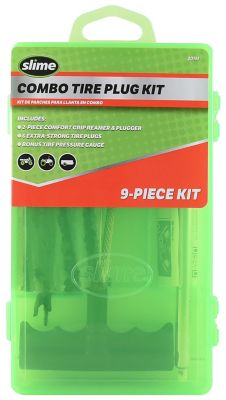
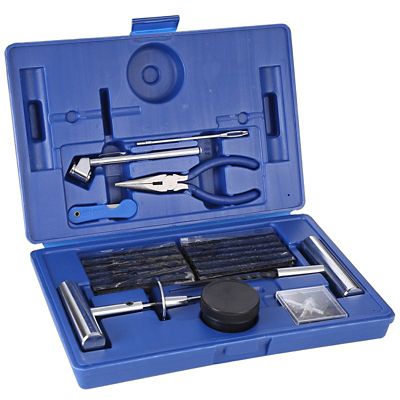
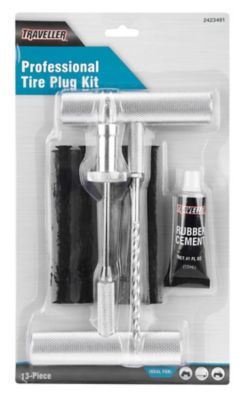
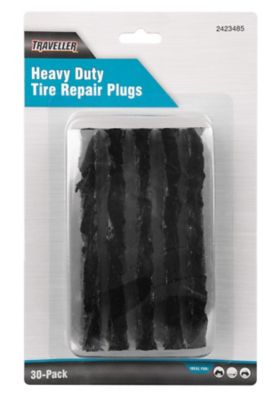
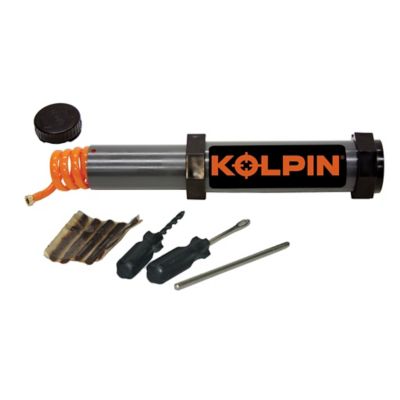
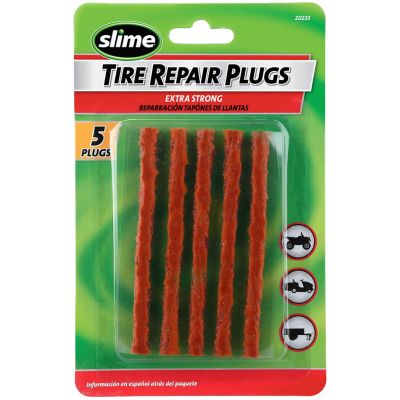
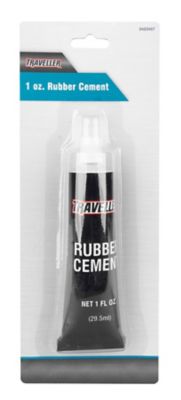
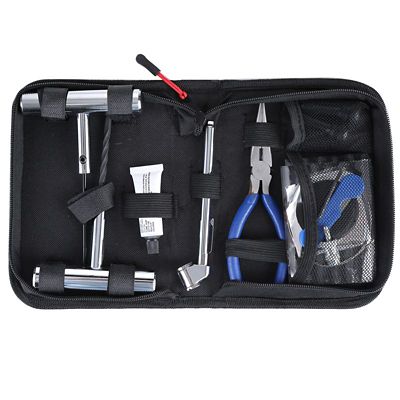
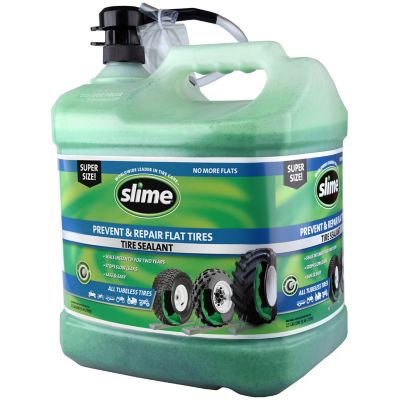
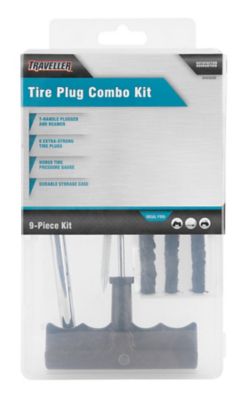
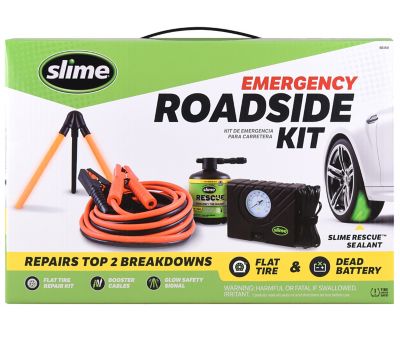
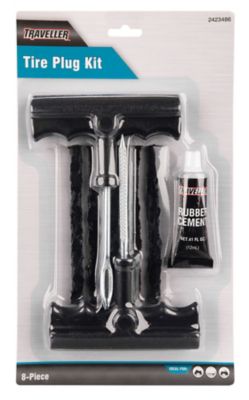
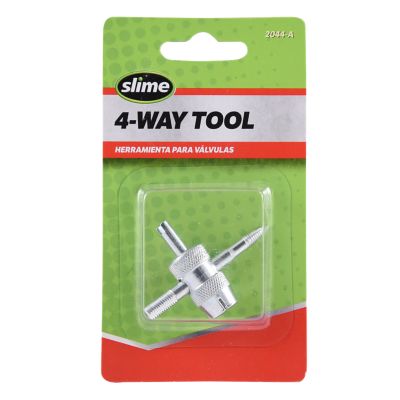
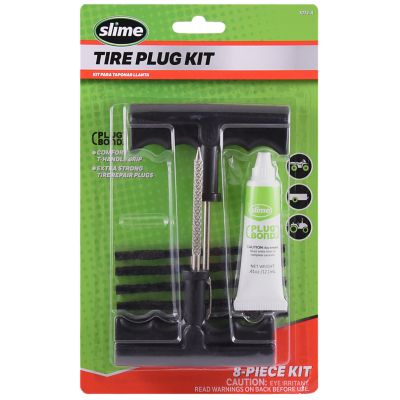
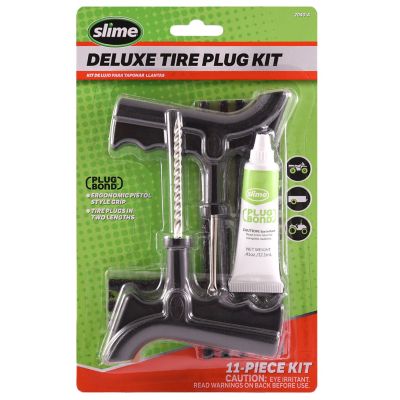
Tire repair kits are a handy addition to a truck toolbox, farm shop, garage, or roadside emergency bin, giving drivers a way to address many small tread punctures in tubeless tires before a minor problem turns into a long walk or a costly tow. A typical kit may include a spiral probe, also called a reamer, for cleaning and roughing up the puncture; an insertion needle with a T-handle for placing the repair material; rubber plug strings that fill the opening; and rubber cement to help the plug bond with the tire rubber. Some kits also include a utility knife for trimming excess plug material, pliers, gloves, valve tools, or storage cases. The exact contents can vary, so it pays to look closely at the tool styles, plug quantity, handle strength, and case design before choosing one. A sturdy grip matters when working beside a vehicle in cold weather, poor light, or loose gravel, while a compact case is easier to keep behind a seat, in a UTV, or in a tractor cab without letting small pieces scatter. These kits can be useful for everyday drivers, rural homeowners, commuters, hunters, landscapers, delivery workers, and anyone who spends time well away from the nearest tire shop. They also make a practical gift for a new driver, a farmer outfitting a service truck, or a friend who enjoys camping, trail riding, or working on vehicles. Keeping one on hand alongside a properly rated jack, lug wrench, flashlight, gloves, and tire pressure gauge can add a little peace of mind during the warmer driving season and through the cooler months when a puncture on a dark roadside is especially inconvenient.
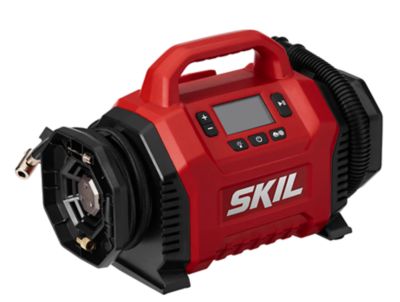
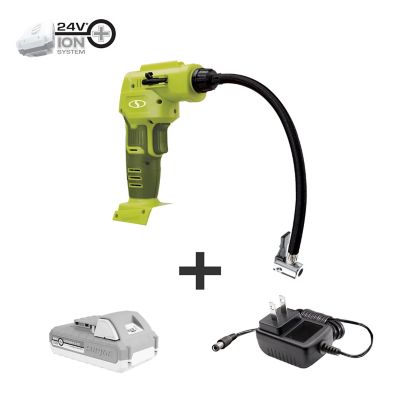
Tire repair kits are designed for certain situations, not every kind of tire damage. Most plug-style kits are intended for a small puncture in the flat running surface of a tubeless tire, such as a nail, screw, or piece of wire that has worked into the tread. They are not meant for sidewall cuts, shoulder damage, large holes, separated tread, bent wheels, or tires that have been driven while severely underinflated. Sidewall repairs are especially important to leave to a qualified tire professional because that part of the tire flexes heavily and carries significant stress. Before using a kit, move the vehicle to a safe, level place away from traffic when possible, set the parking brake, and inspect the tire carefully. Removing the object that caused the puncture may let air escape quickly, so having an inflator or compressor nearby is helpful. The reamer is used to clear debris and prepare the channel, while the plug string is worked into the insertion tool and pushed into the opening according to the kit directions. A small amount of cement may help seal the repair, and the protruding ends can be trimmed close to the tread once the plug is seated. Afterward, check the tire pressure and watch for continued air loss. A plug repair made from outside the tire is generally considered a temporary or emergency fix, even when it holds air well. It should be inspected by a tire professional as soon as practical, since a proper internal patch-plug repair allows the inside of the casing to be examined for hidden damage. Always follow the instructions included with the kit, the tire manufacturer’s recommendations, and applicable safety guidance rather than relying on a plug for extended high-speed or heavy-load travel.
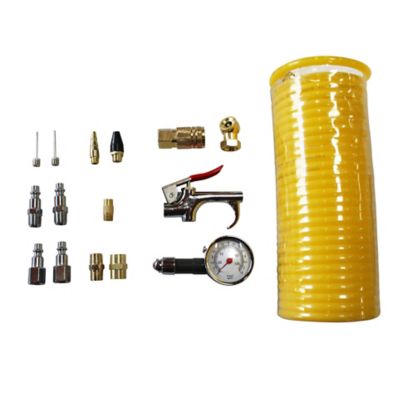
When comparing tire repair kits, think about the vehicles and conditions where the kit will be used. A basic set may suit a family car or pickup that sees regular paved-road travel, while a heavy-duty kit with reinforced handles and extra plug strings may be a better fit for work trucks, trailers, farm equipment, ATVs, or recreational vehicles that face gravel, brush, and rough access roads. Consider whether the tools are comfortable to hold with work gloves, whether the case keeps cement and rubber plugs protected, and whether replacement plugs are easy to find. Plug strips can dry out over time if their packaging is opened or damaged, so storing the kit in a cool, dry spot and checking its contents as part of regular vehicle maintenance is a smart habit. Cement also has a limited shelf life, and a kit that has spent years bouncing around in the heat of a vehicle may need fresh supplies. A tire pressure gauge and portable inflator are useful companions, although they may not be included. It is also worth checking tire size, construction, and whether the vehicle uses tubed or tubeless tires, since plug-style repair kits are generally made for tubeless applications. Keeping the kit where it can be reached without unloading tools or feed sacks makes a real difference; many rural drivers discover its value after picking up a sharp fastener near a barn, loading area, or gravel lane. For other around-the-house fixes, shoppers may also find useful options among
Plumbing Repair Kits. With the right supplies stored and ready, a tire repair kit can help handle a small tread puncture as an emergency measure while the tire is taken in for a complete, professional inspection.