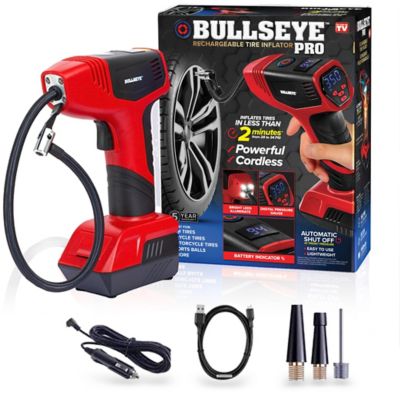
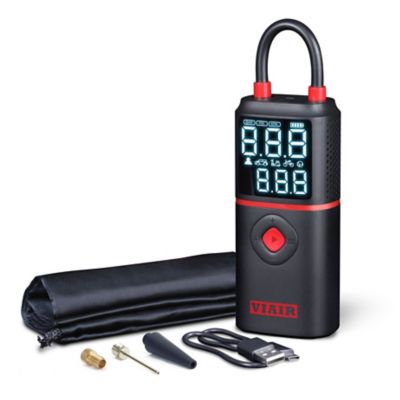
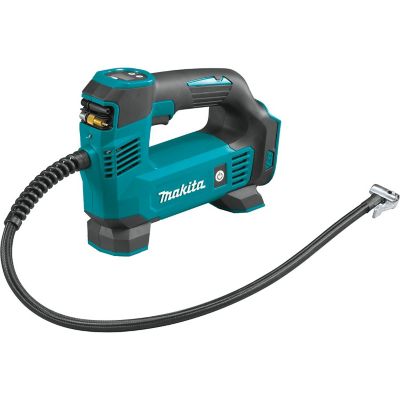
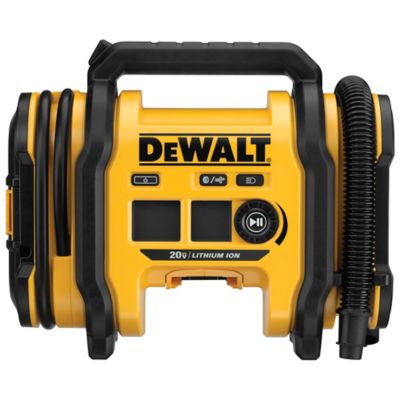
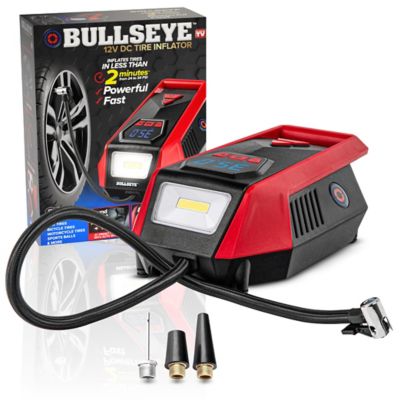
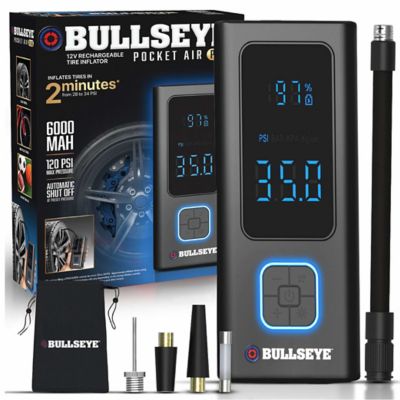
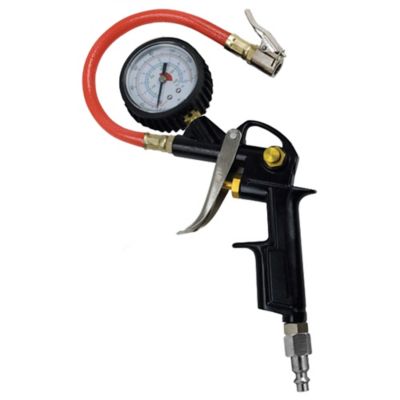
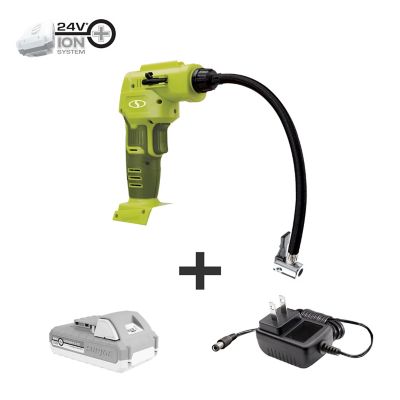
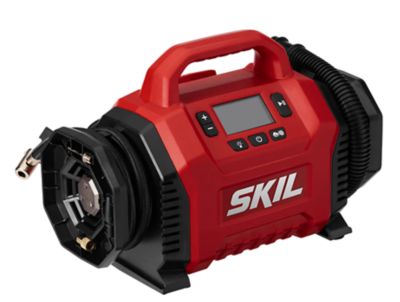
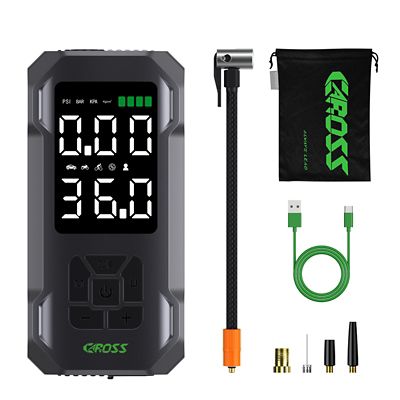
Rechargeable tire inflators are portable air pumps that run on stored battery power, making it possible to add air without finding an outlet or stretching a cord across the driveway. Depending on the design, power comes from an integrated rechargeable battery or a removable pack that fits a particular cordless tool platform. Charging may take place through USB-C, a dedicated charger, or another connection specified by the manufacturer. That flexibility makes these inflators handy for topping off pickup tires before a trip, checking a utility trailer before hauling supplies, or getting a bicycle ready for a ride down the lane. Within the broader category of
Battery Powered Tire Inflators, the battery arrangement matters as much as the pump’s size. A self-contained unit can tuck into a vehicle storage compartment, while a removable-pack design may fit naturally into a workshop already equipped with compatible batteries and chargers. Battery packs are not interchangeable across platforms unless the manufacturer specifically confirms compatibility. The connection at the other end matters, too. Cars, pickups, and many equipment tires have Schrader valves, while some bicycle tires have Presta valves that call for a compatible fitting or adapter. Threaded hose ends screw onto the valve stem, while lever-lock chucks clamp into place; either style needs enough clearance around the wheel to attach without bending or straining the stem. A flexible hose can make that connection easier on small wheels, recessed valves, and trailer tires tucked beneath fenders. Included needles or tapered nozzles may extend an inflator’s usefulness to sports balls and certain inflatables, but attachments alone do not establish whether the pump has the airflow those jobs require. For a household juggling a commuter car, a mower, and a couple of bikes, the best fit comes down to the actual tires, valve connections, and storage space involved—not simply the largest number printed on the housing.
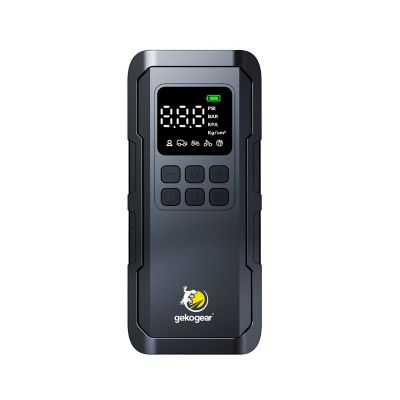
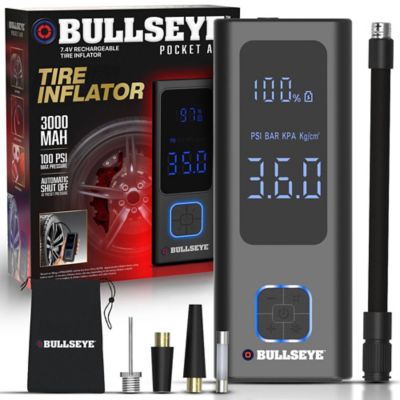
Pressure capability, inflation speed, and battery runtime tell different parts of the story. A pump rated for a maximum of 150 PSI has a stated pressure ceiling; that rating does not tell how quickly it can fill a large pickup tire or whether it suits a tractor tire. Larger tires hold more air, so airflow and the manufacturer’s stated tire-size limits deserve close attention. Adding a few pounds of pressure to a passenger tire is a different workload from bringing an empty trailer tire up to its specified pressure. Full-size agricultural tires and repeated inflation jobs may call for a larger compressor rather than a compact rechargeable pump. Published inflation times are most helpful when they identify the tire size and starting and ending pressures. Battery capacity also needs context: a higher milliamp-hour rating alone does not guarantee longer operation when comparing systems with different voltages. Watt-hours, pump efficiency, workload, and the battery’s condition all affect how much work a charge can support. Runtime limits matter just as much on a busy chore day. Some pumps require a cooling break after a set period of continuous operation, and that duty cycle can make a difference when several tires need attention. Digital displays, selectable pressure units, and automatic shutoff can make routine top-offs less of a chore. Auto-stop functions are intended to stop inflation at a selected setting, but the setting still needs to match the vehicle or equipment manufacturer’s recommendation. For a passenger vehicle, that information generally appears on the tire placard or in the owner’s manual, rather than being the maximum pressure molded into the tire sidewall. Pressure checks before driving help avoid the changes that occur as tires heat up on the road. An independent tire gauge provides a separate check, particularly when working with low-pressure equipment tires where a small difference matters. Clear controls and a readable screen are worth considering when the pump will spend as much time beside a wheel as it does on a shelf.
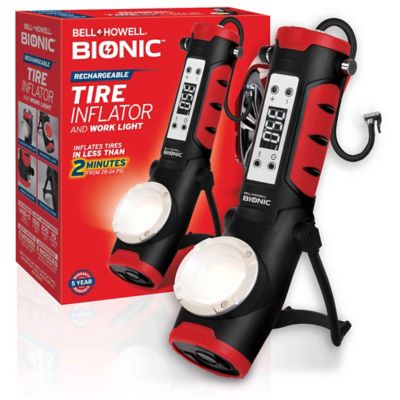
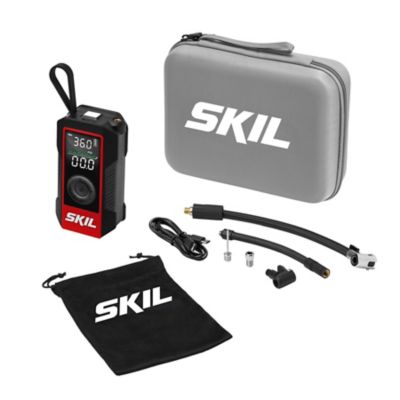
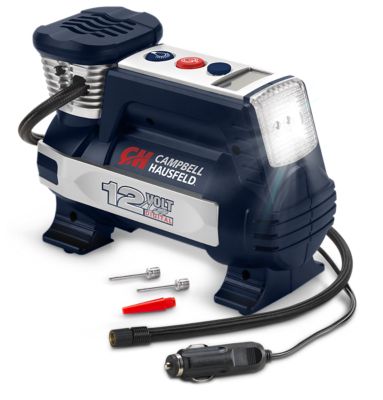
Construction and handling details often decide whether an inflator feels at home in the truck or becomes a nuisance rolling around behind the seat. Molded housings keep many compact designs manageable, while protective bumpers, recessed controls, and a stable base can help with everyday knocks around the garage. Metal fittings, a flexible air hose, and well-supported connections are useful points to inspect, especially when the hose will be connected and packed away often. A longer hose offers more reach, but it also needs a sensible place to coil without sharp bends. Built-in hose storage and a fitted case or pouch help keep fittings together and protect the display from loose tools. Overall dimensions and weight matter for anyone carrying a pump on a bicycle, stowing it beneath a vehicle seat, or moving it between the barn and the driveway. A built-in light can help illuminate a valve stem, though it does not replace proper roadside precautions or a safe place to stop. Some designs also provide a USB output for charging a phone, which draws from the same stored energy needed to run the pump. Care is mostly about keeping the inflator ready for its next job: clear ventilation openings, clean fittings, an undamaged charging cable, and a battery maintained according to the manufacturer’s directions. Dust and grit should stay out of the air connection, and the hose should cool before being packed away if operation has made it hot. Storage should follow the stated limits for the pump and battery, with protection from moisture and accidental activation. Occasional checks of the charge level are especially worthwhile for a unit kept in a vehicle between trips. A rechargeable inflator can also make a practical gift for a new driver, a cyclist, or someone who handles the family’s vehicles and small equipment. Matching the charging setup, valve fittings, and workload to that person’s routine gives the gift a clear job from the start.