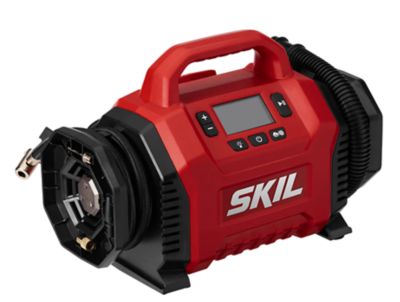
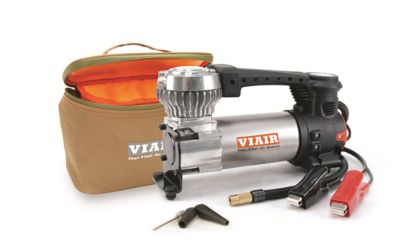
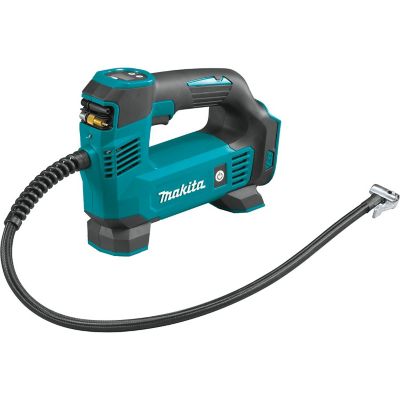
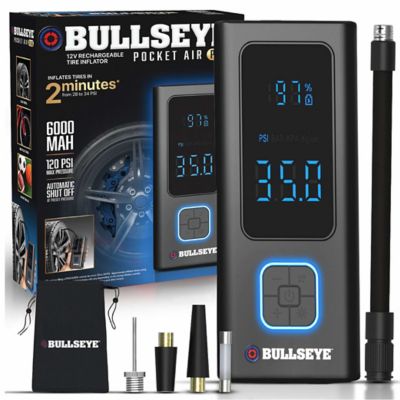
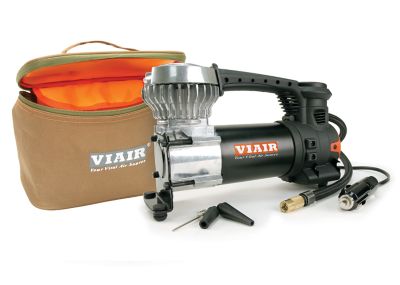
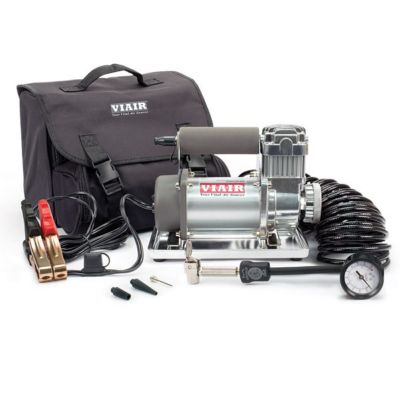
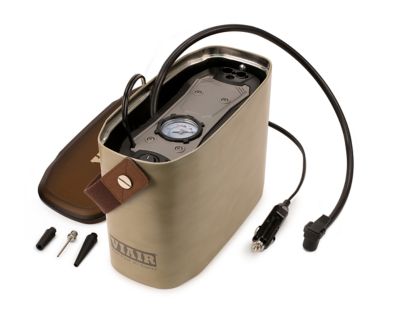
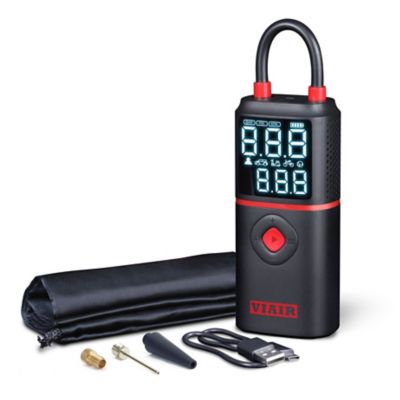
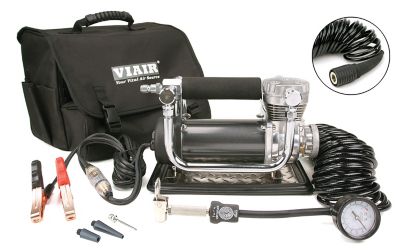
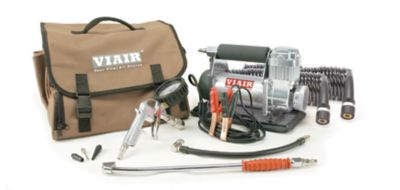
Portable tire inflators are compact air compressors that add air to vehicle tires without needing a full-size shop compressor. Depending on the design, they draw power from a rechargeable battery, a vehicle’s 12-volt electrical system, or a household outlet. Their smaller size makes them a practical addition to a truck cab, garage shelf, or roadside kit, especially when the nearest air hose is a long drive from the pasture gate. For folks who move between a pickup, utility trailer, lawn tractor, and ATV, having a portable inflator close by can make routine tire checks easier to keep up with. They also suit commuters, motorcycle riders, cyclists, and families heading out with a camper. The best fit depends on the tires being filled, the power source within reach, and how much room there is for storage. A compact inflator can handle routine pressure top-offs, while larger tires generally call for more airflow and longer operating time. Maximum pressure, measured in pounds per square inch, or PSI, tells only part of the story: an inflator’s ability to reach a high pressure does not necessarily mean it fills a large truck tire quickly. Airflow, tire volume, starting pressure, and the unit’s operating limits all affect fill time. For someone checking a trailer before hauling fencing supplies or topping off an ATV tire before riding a property line, those differences matter more than a single number on the housing. Portable tire inflators support routine maintenance and can help address low pressure, but they do not repair a puncture, damaged valve, or failing tire. A tire that repeatedly loses air needs inspection rather than repeated filling alone. Keeping that distinction in mind makes an inflator a useful companion to a tire pressure gauge, spare tire, and the other equipment carried for a day on the road or around the farm.
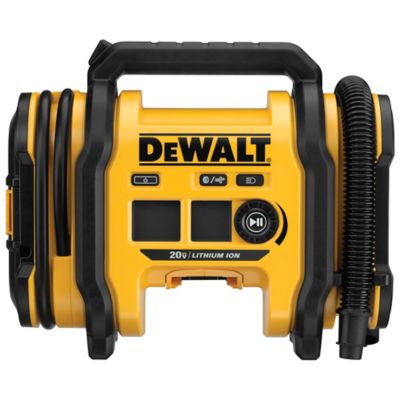
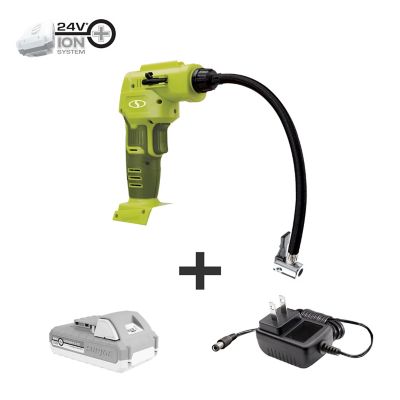
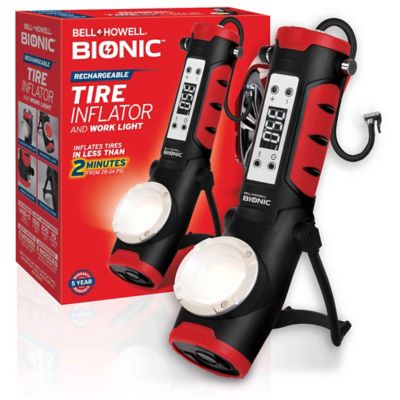
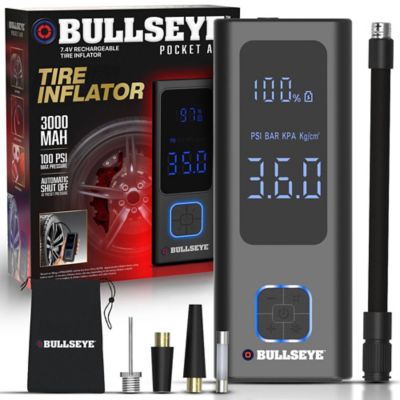
Power options shape where and how a portable tire inflator fits into everyday work. Rechargeable designs offer freedom from a vehicle cord, which can be handy beside a mower parked in a shed or a bicycle leaning against the barn. Battery capacity, charging time, and the number of tires that need attention all deserve consideration, since a small top-off takes less energy than filling a substantially low tire. Some battery-operated designs have a built-in battery, while others work with a compatible removable battery platform; the battery and charger requirements need to match the equipment. Vehicle-powered designs suit drivers who want an inflator that travels with the truck or car.
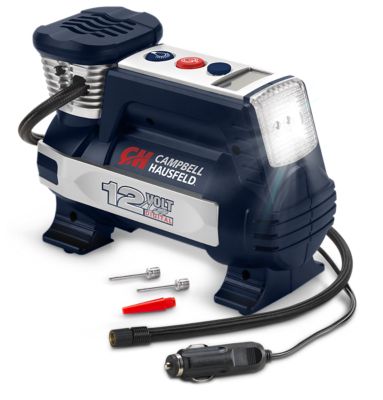
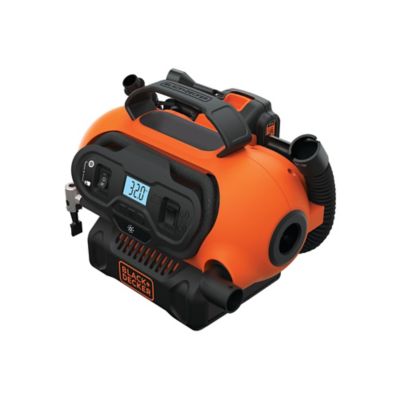
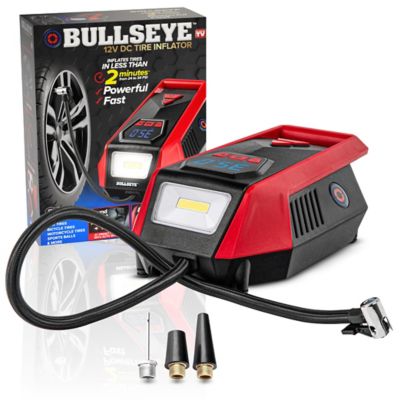
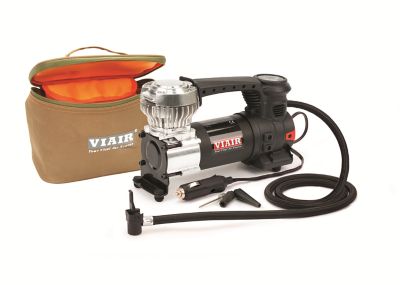
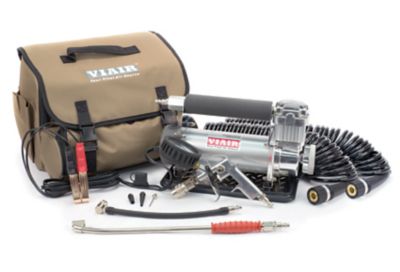
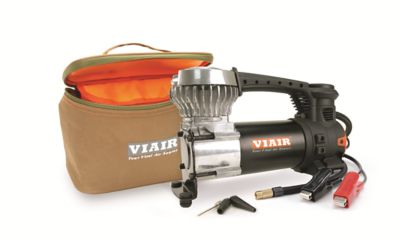
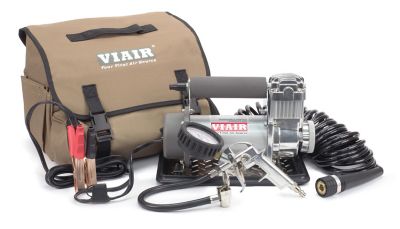
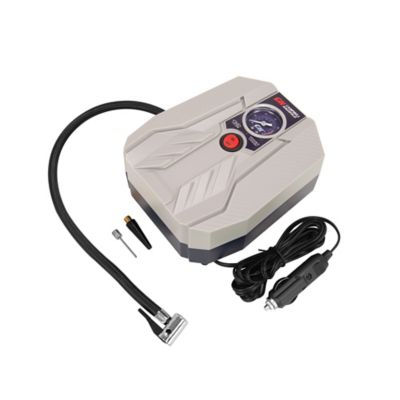
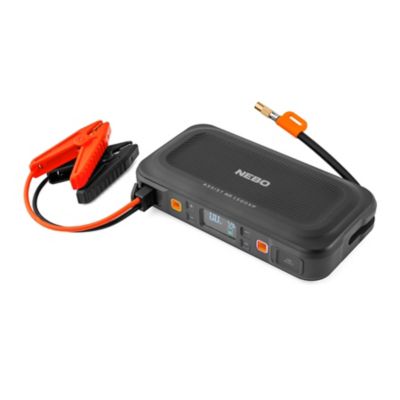
12V Tire Inflators connect to a compatible vehicle power source, with designs that plug into an accessory outlet or attach to the battery through clamps. The connection type and electrical requirements matter because vehicle outlets have limits, and not every compressor belongs on every outlet. Cord and hose reach are worth attention, too. Reaching the rear tire of a long pickup or a trailer wheel takes more length than reaching a front tire on a small car. Household-powered options can make sense for garage tasks where an outlet is nearby, while models with more than one power option offer flexibility between home and travel. Valve compatibility is another part of the fit. Most car, truck, motorcycle, and many equipment tires have Schrader valves, while some bicycle tires have Presta valves that require a compatible connection or adapter. Threaded connectors and lever-style chucks offer different ways to secure the hose, and a firm seal helps limit air loss during inflation. Extension hoses and adapters can broaden the range of tasks, provided they match the inflator’s fittings and intended applications. For drivers, recommended pressure usually appears on the vehicle’s tire information placard or in the owner’s manual, rather than being the maximum pressure molded into the tire sidewall. Trailers, bicycles, and off-road equipment have their own manufacturer guidance, so one pressure setting should not be treated as a match for every tire on the property.
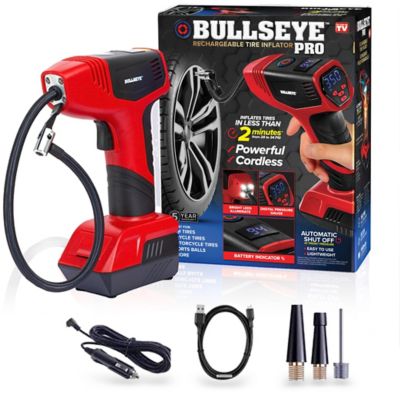
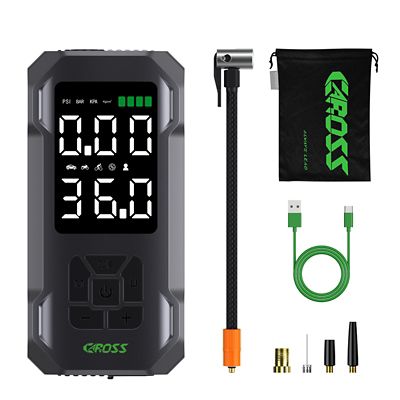
Features and construction help separate a portable tire inflator that fits a particular job from one that simply fits in a storage bin. Digital displays can make pressure readings easier to see, and selectable units help distinguish PSI from bar or kilopascals. Preset pressure controls and automatic shutoff can simplify a top-off by stopping inflation at the selected target, though the setting still needs to match the tire’s requirements. A separate tire gauge provides a useful check, especially when maintaining several vehicles or working with lower-pressure tires. Pressure checks are best made before driving, following the vehicle or equipment manufacturer’s directions. Built-in work lights can help illuminate a valve beneath a fender or beside a trailer wheel, while stable bases, carry handles, and organized cord storage make setup less of a wrestling match. Protective plastic housings help keep weight manageable, metal components can support the pump assembly, and flexible hoses need enough reach without pulling hard against the valve stem. The valve connector, hose fittings, switches, and cord strain relief are all worth a close look because they see repeated handling. Operating limits matter just as much as the outer shell. Small compressors often have a specified duty cycle, meaning they can run for a certain period before needing a cooling break; several large tires may require pauses rather than one uninterrupted session. An inflator intended for tire maintenance is not automatically a substitute for a shop compressor running air tools, and ball needles or inflatable adapters are useful only for applications the manufacturer supports. Between jobs, a clean, dry storage spot helps protect the hose, connections, and electrical parts from grit and moisture. Cords stored without sharp bends and adapters kept together in a carrying case are easier to find when a tire needs attention before chores. Rechargeable models also benefit from charging and storage practices that follow their instructions. For a new driver, a camper owner, or someone who spends plenty of time hauling and tending equipment, a portable tire inflator can make a practical gift with a place in everyday maintenance. The right combination of power, reach, pressure range, airflow, and storage size keeps it ready for the tires that actually need care.