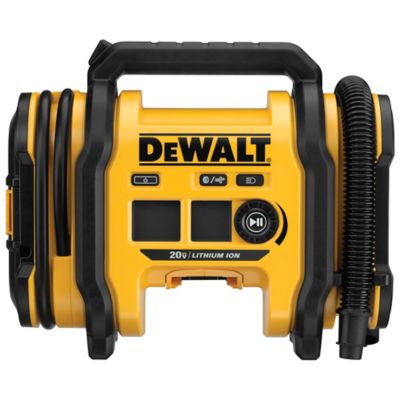
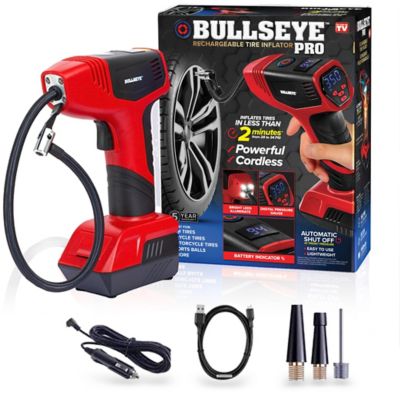
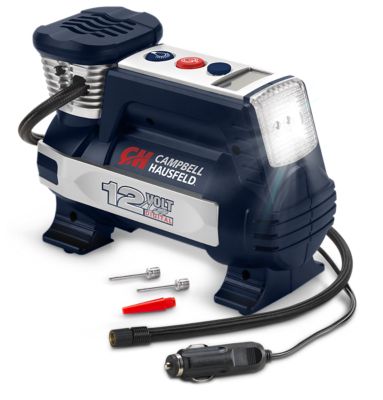
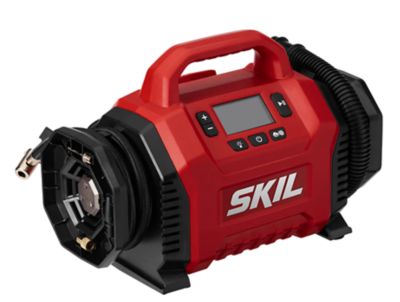
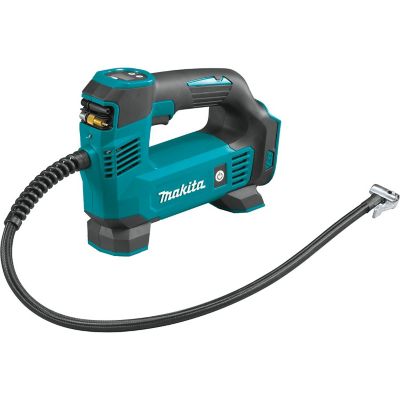
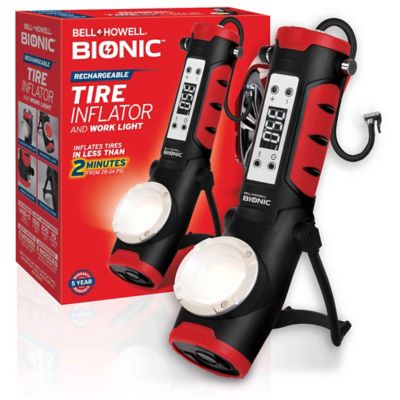
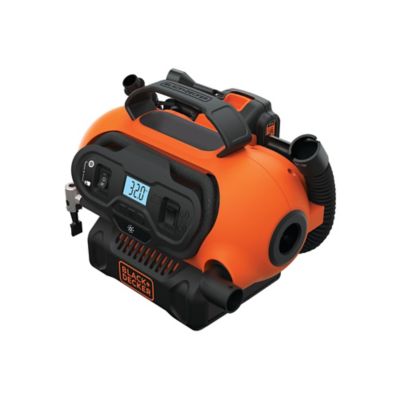
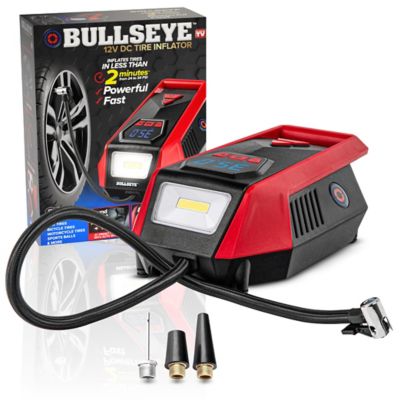
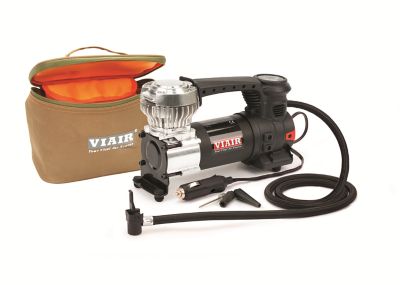
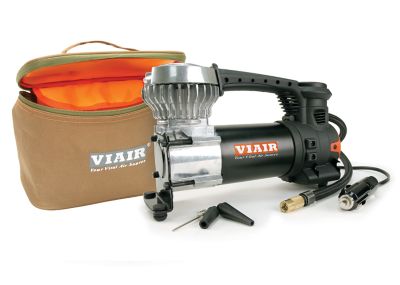
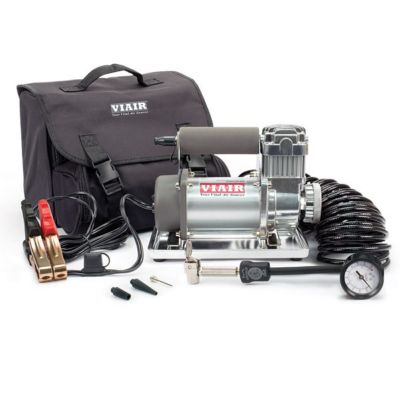
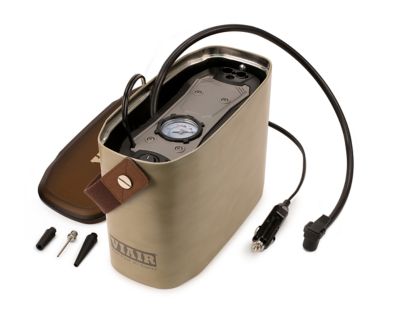
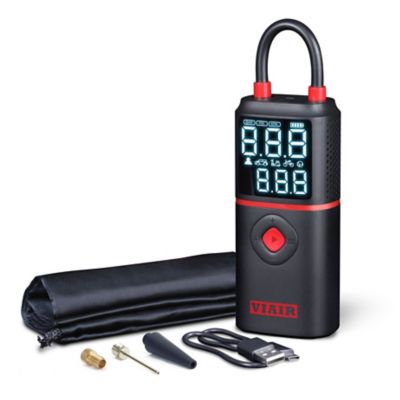
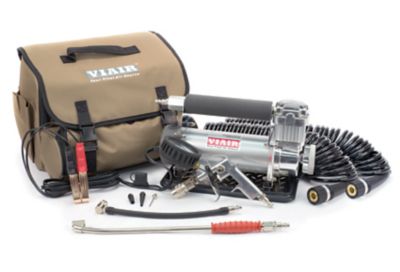
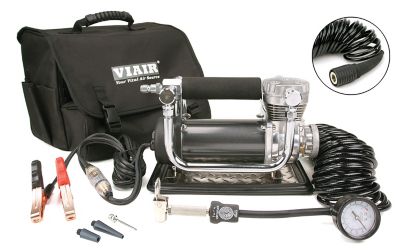
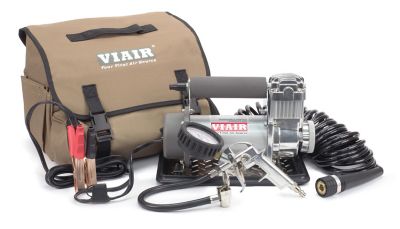
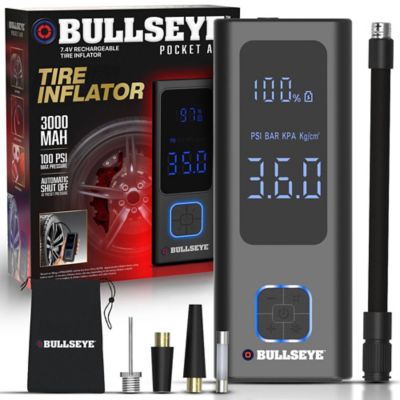
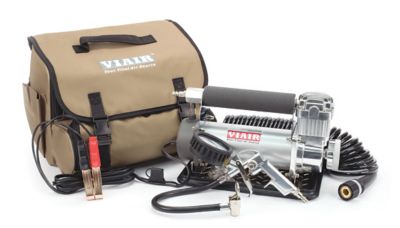
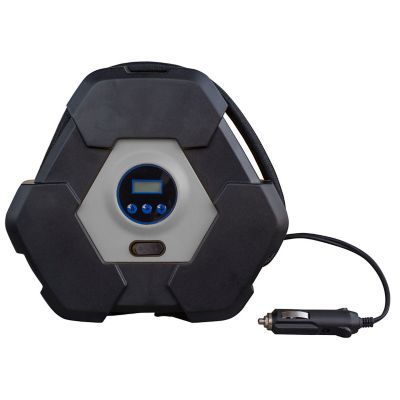
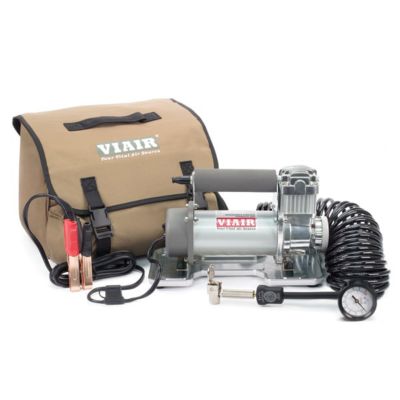
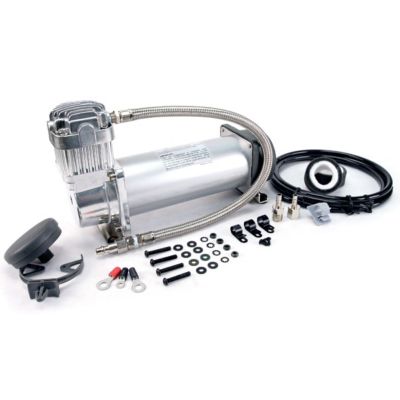
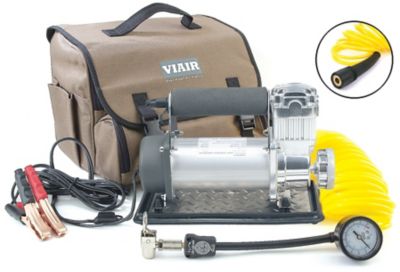
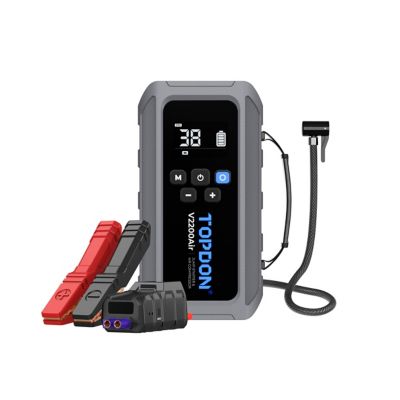
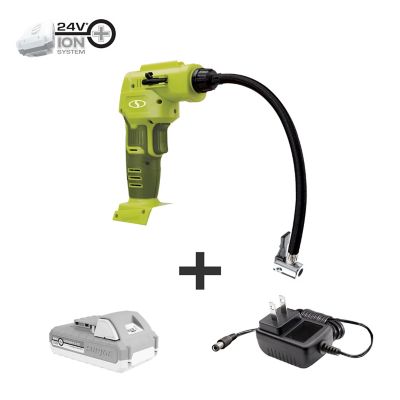
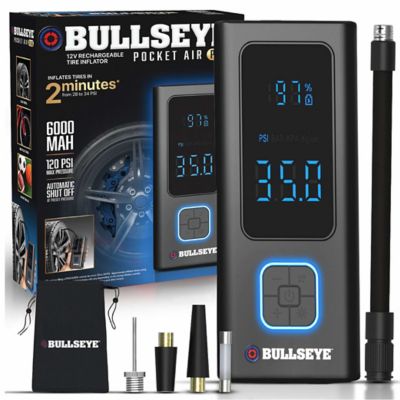
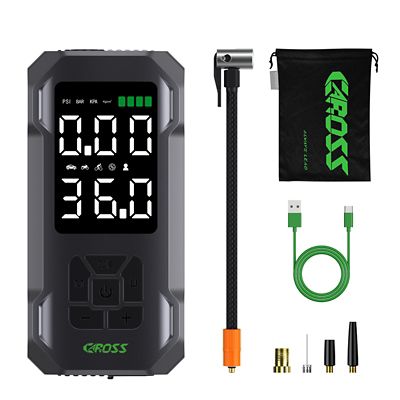
Electric tire inflators are powered air pumps that add air to tires using a rechargeable battery, a vehicle’s 12-volt accessory outlet or household electricity. Depending on the model, they may include a built-in pressure gauge, preset pressure controls and automatic shutoff. These compact tools make sense for everyday tire maintenance around the driveway, garage and farm, especially when hauling a full-size air compressor across the property would be more trouble than the job calls for. A pickup parked beside the barn, a utility trailer waiting for a feed run and a bicycle ready for the next ride can all have different inflation needs, so the right match starts with the tires and the power source. Cordless tire inflators offer freedom to move between wheels without stretching a power cord, though their working time depends on battery capacity and the amount of air needed. Some have built-in rechargeable batteries, while others accept removable batteries from a compatible tool system; battery and charger requirements vary. A 12-volt tire inflator draws power from a suitable vehicle accessory outlet, making cord length and outlet requirements important considerations. The cord and air hose together need enough reach to get around the vehicle, particularly on longer pickups or trailers. Household-powered models connect to a compatible AC outlet and fit naturally into a garage or workshop setup. Dual-power designs can provide more than one way to run the pump, but the supported connections should match the places where it will work. Portability involves more than a small footprint, too. A comfortable handle, manageable weight and a place to secure the hose can make a difference when carrying the unit from the truck cab to a trailer wheel. For someone maintaining several vehicles or pieces of equipment, an electric air pump offers a convenient way to handle routine pressure adjustments without making every small job a trip back to the shop.
The most useful electric tire inflator is one whose pressure range and airflow match the work ahead. Maximum pressure, often listed in PSI, describes pressure capability; it does not tell the whole story about inflation speed. Airflow, tire size, starting pressure and the pump’s operating limits all affect how long a job takes. Adding a little air to a passenger-car tire is a different task from filling a large truck or agricultural tire that needs much more air volume. A compact inflator may handle routine top-offs well without being the best fit for repeated, high-volume work. Duty-cycle information matters here because it describes how long the pump can operate before a required rest period. Vehicle placards and equipment manuals provide the recommended tire pressure, rather than treating the maximum pressure printed on a tire sidewall as the everyday target. Digital displays can make readings easier to see, and selectable pressure units help when different equipment manuals call for different measurements. On models with a preset function, automatic shutoff stops inflation when the selected setting is reached, reducing the need to watch the display continuously. That feature does not replace checking the final pressure with an appropriate tire gauge or following the manufacturer’s checking conditions. Connection style also affects fit and handling. Threaded chucks screw onto compatible valve stems, while lever-lock chucks clamp into place; either style needs enough clearance around the wheel to connect securely. Many vehicle tires have Schrader valves, while some bicycle tires have Presta valves that require a suitable connection or adapter. Included needles and inflation tips may extend a pump’s use to sports balls and certain inflatables, but those attachments do not make every tire inflator suitable for every air-filled object. Large, low-pressure inflatables generally benefit from a dedicated high-volume mode. A built-in light can help illuminate a valve stem in a dim garage or alongside a parked vehicle, while straightforward controls make pressure settings easier to manage.
Construction and storage details help an electric tire inflator stand up to regular handling. Molded housings keep many portable units manageable to carry, while metal pump components and reinforced air hoses support the work happening inside and between the pump and tire. The hose needs enough flexibility to reach a valve without pulling hard against it, and the chuck should feel secure once connected. Protected controls, stable feet and organized accessory compartments can be handy around a workshop where tools share bench space. A carrying case or storage bag helps keep adapters, charging cords and the pump together, rather than leaving a ball needle rolling around the glove compartment. Shoppers comparing carry-along options can explore
Portable Tire Inflators with the vehicle, available power connection and storage space in mind. For routine care, a clean exterior, clear ventilation openings and a hose free of sharp bends help support a longer service life. Dust and grit around the farm can collect in small openings, so cleaning and inspection should follow the pump’s instructions. Power cords, plugs and valve connectors also deserve a look for damage before operation. Storage in a dry, protected spot helps shield electrical parts from moisture, and keeping the hose away from sharp tools reduces the chance of cuts. Battery-powered models need charging and storage practices that match their battery system. An inflator can be a practical gift for a new driver, a cyclist or someone who regularly pulls a utility trailer, provided its capabilities suit the recipient’s equipment. It belongs alongside other basic vehicle-maintenance supplies, not in place of tire repairs. A tire that repeatedly loses pressure, shows visible damage or has been driven flat needs inspection rather than another routine top-off. For ordinary adjustments before a drive or a day of chores, a well-matched electric tire inflator keeps a manageable air source close to the work.