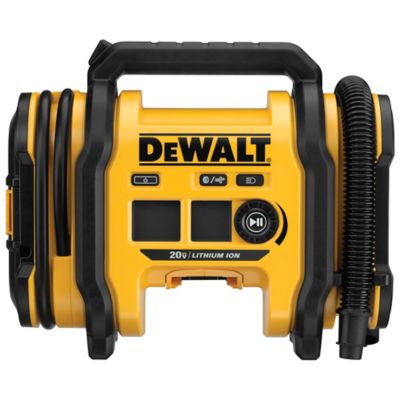
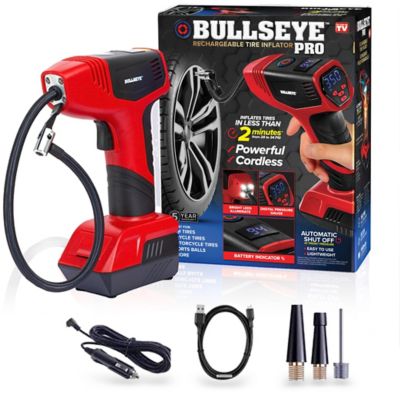
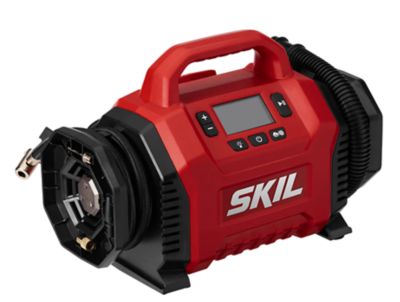
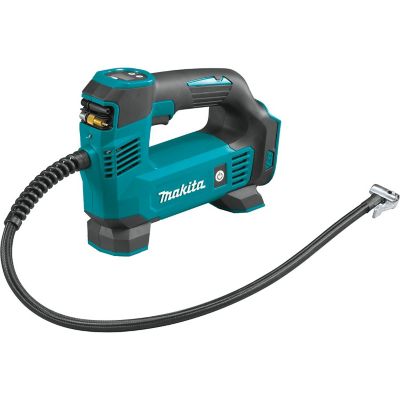
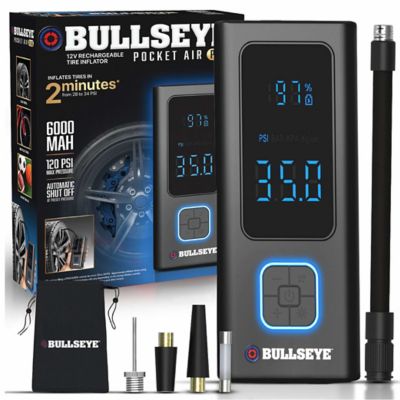
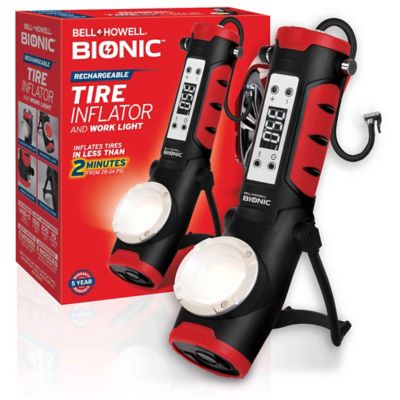
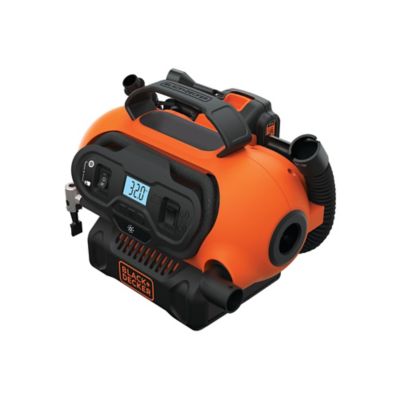
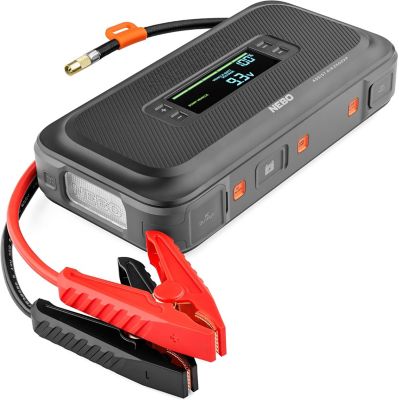
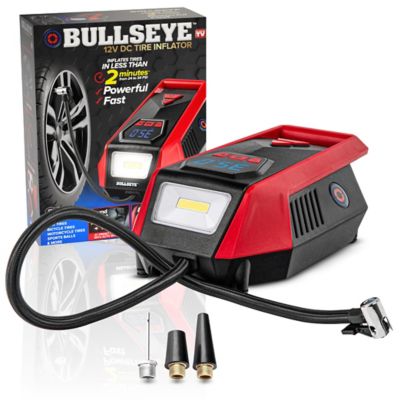
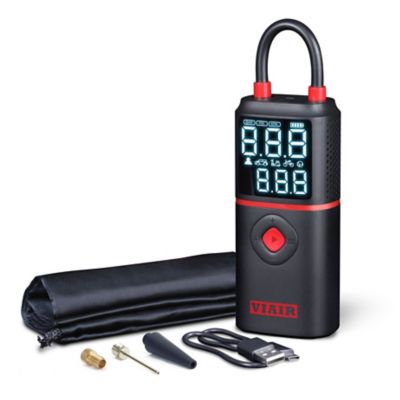
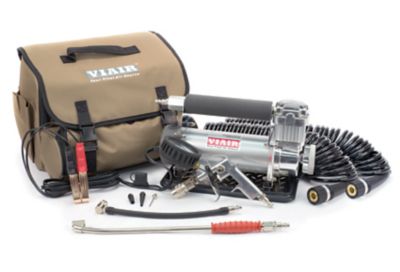
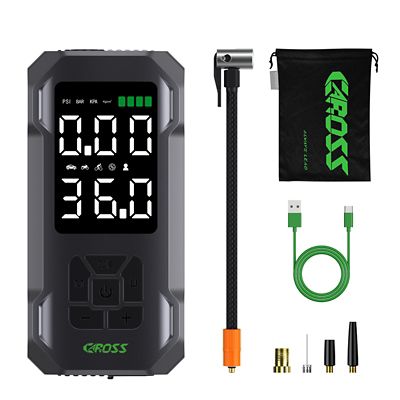
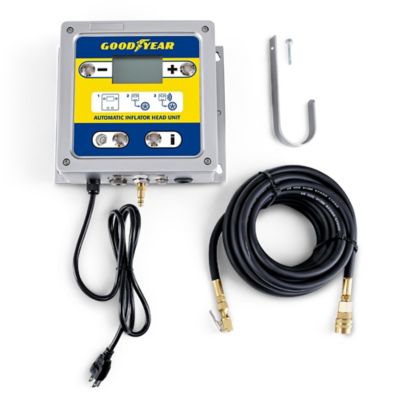
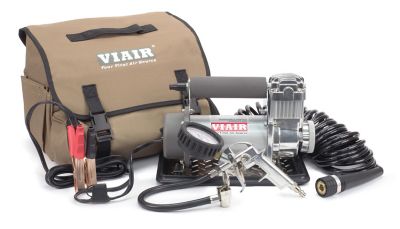
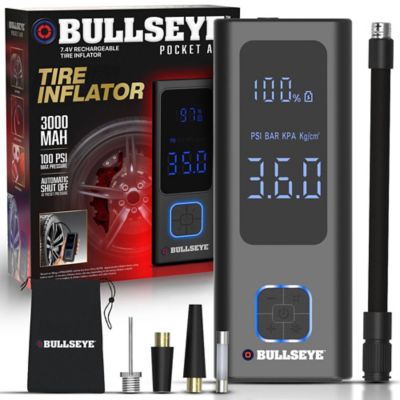
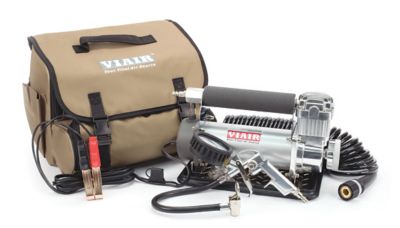
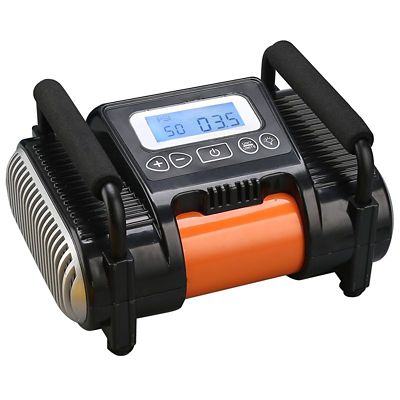
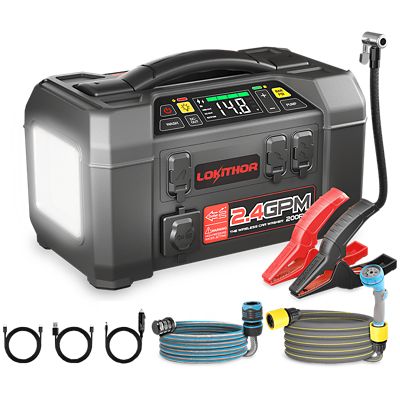
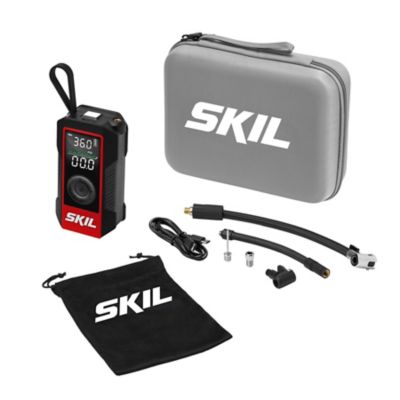
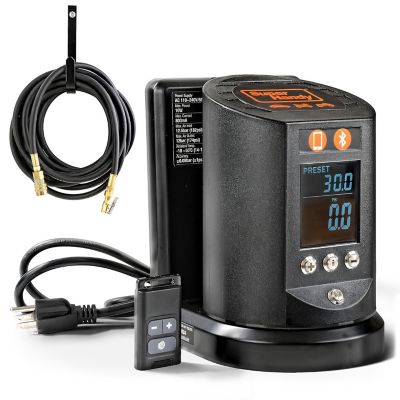
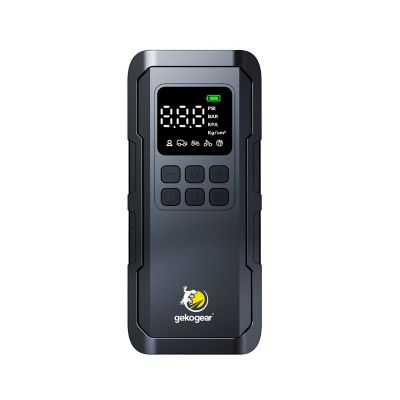
Automatic tire inflators let you preset a target tire pressure, typically in pounds per square inch (PSI), then stop adding air when that setting is reached. Many portable models combine an electric air compressor, a pressure sensor, a digital display and automatic shutoff in one unit, while some shop-style inflators connect to a separate compressed-air supply. That preset function takes some of the back-and-forth out of topping off a tire, whether the job is getting a pickup ready for a feed run or checking a utility trailer before hauling fence supplies. It does not mean the inflator checks the tire for damage or that the tool can be left running unattended. The right target pressure still comes from the vehicle or equipment manufacturer’s instructions, not a guess based on how the tire looks. For a passenger vehicle or pickup, the tire-information label, often on the driver’s door jamb, lists recommended inflation pressure; the maximum pressure molded into the tire sidewall is not a substitute for that recommendation. Check tires before driving, following the manufacturer’s procedure, since driving affects pressure readings. An automatic shutoff tire inflator can be handy for folks who maintain several vehicles, keep a mower working around the place or carry a compact roadside kit. It can also make a practical gift for a new driver, a camping family or someone who spends plenty of time hauling a trailer. Intended use matters more than the highest pressure number printed on the box. Bicycle tires, passenger-car tires, light-truck tires and larger equipment tires can have very different pressure and air-volume needs. A small portable unit that handles routine car-tire top-offs may not be suited to filling a large truck tire from flat. For agricultural equipment, commercial vehicles and other demanding applications, check both the inflator’s stated tire compatibility and the equipment manufacturer’s requirements before choosing a setup.
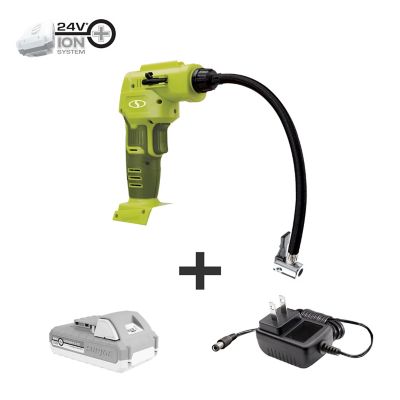
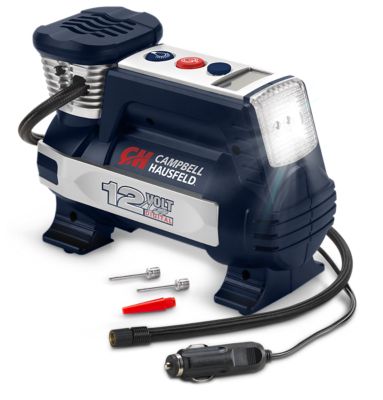
Power source and air delivery help determine where an automatic tire inflator fits into the workday. Some 12-volt inflators draw power from a vehicle accessory outlet, while higher-current models may require a direct battery connection. The vehicle connection must match the inflator’s electrical requirements, including the outlet’s current limit. Cordless models offer more freedom around a parked trailer or mower, though runtime depends on battery capacity, starting pressure and tire size. Check whether a cordless tool includes its battery and charger, and confirm compatibility rather than assuming batteries with similar shapes will fit. A household-outlet model needs access to the specified electrical supply, while an inflator designed for an external compressor needs a suitable air source and matching connections. Automatic shutoff is one feature to compare among
Electric Tire Inflators, alongside power supply, tire compatibility and hose reach. Maximum PSI describes a pressure limit, not how quickly a unit fills a tire. Airflow ratings and published inflation times can give a better sense of working speed, provided the comparison involves similar tire sizes and starting pressures. Duty cycle matters, too: some compressors need rest periods between runs, making them better suited to occasional top-offs than repeated filling jobs. Around a pickup and tandem-axle trailer, hose and cord length can matter as much as the compressor itself. Enough reach helps keep the unit on stable ground without pulling against the valve stem or stretching a connection tight. Threaded chucks screw onto the valve, while lever-lock chucks clamp into place; either style needs to match the valve and leave room for a secure connection. Recessed valves and dual-wheel arrangements may call for specialized fittings. Standard Schrader-valve connections cover many vehicle tires, but some bicycles require a compatible Presta adapter. Attachments for balls or other inflatables are separate capabilities, not proof that a tire inflator can handle every air-filling job.
Construction and storage details make a difference when an inflator rides behind the seat, sits on a shop shelf or travels in a trailer toolbox. A reinforced hose, well-supported fittings and a protective housing are worth considering for regular handling. Metal fittings should connect smoothly without forcing the threads, and the hose should have enough flexibility to reach the valve without a sharp bend. A readable pressure display and straightforward controls help when setting a target beside a wheel, especially when switching between equipment with different pressure requirements. Some inflators offer multiple measurement units or preset modes, but the selected unit and target still need a check before each job. Features such as automatic deflation or programmable pressure settings vary by model and should not be assumed. For ongoing care, inspect the hose, power lead, battery contacts and chuck for wear, cracks or loose connections. Keep vents clear, wipe away dirt according to the care instructions and let the unit complete any required cooldown before packing it away. A storage case or organized compartment helps keep adapters together and protects the display from loose tools bouncing around nearby. Follow the stated moisture-protection limits rather than treating a portable compressor as waterproof. During inflation, stay close enough to watch the display and check the connection if air escapes around the valve. Confirm the finished pressure with a suitable tire gauge, especially when a small pressure difference matters to the equipment. Repeated pressure loss calls for inspection of the tire, valve and wheel rather than another round of topping off. Routine inflation is also different from seating a tire bead or servicing a damaged wheel, which calls for appropriate equipment and trained help. With the right power connection, working range and fittings, an automatic tire inflator earns its place among the everyday tools that help keep vehicles and equipment ready for the next job.