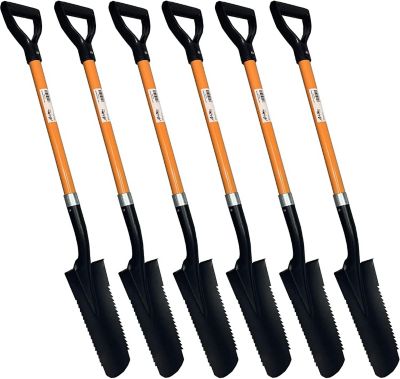
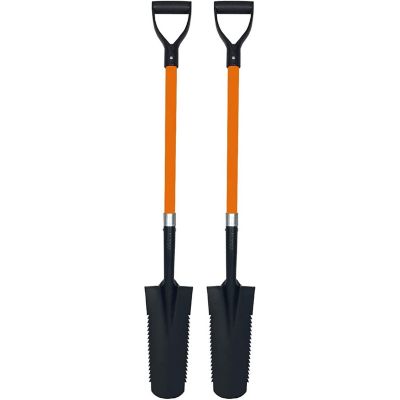
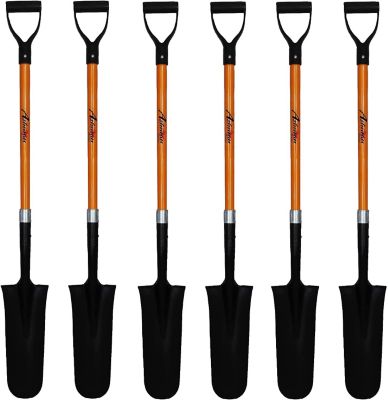
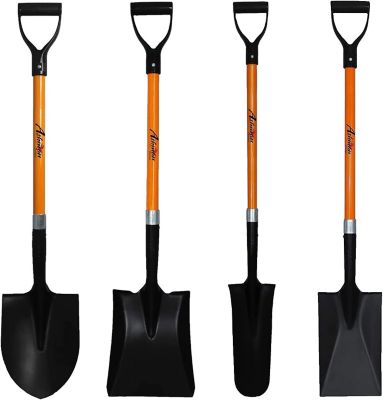
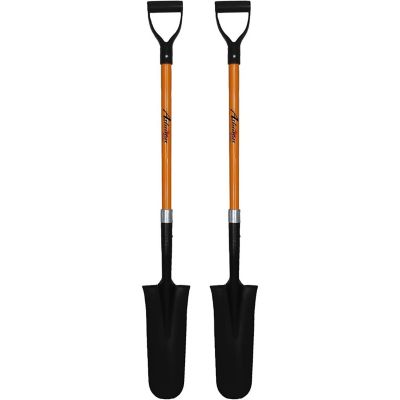
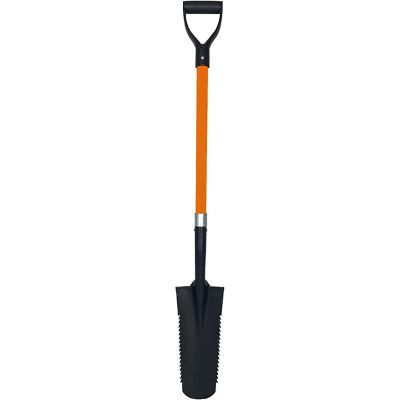
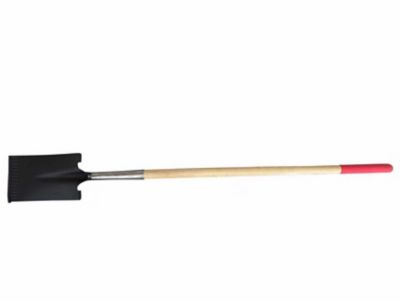
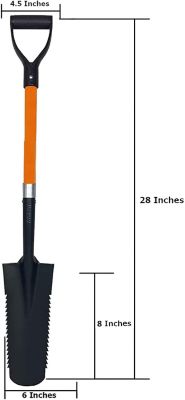
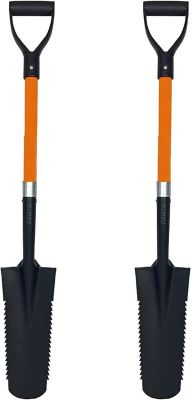
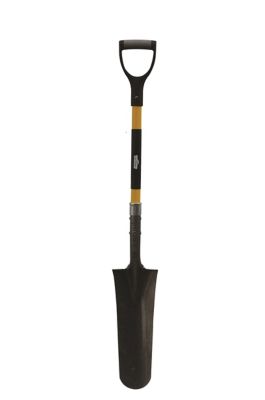
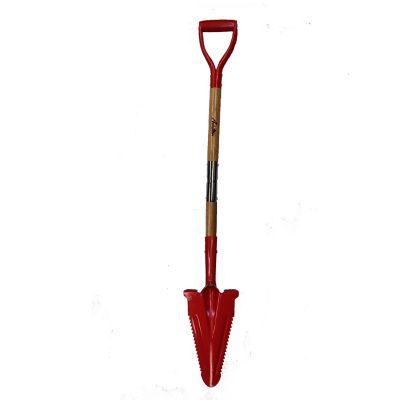
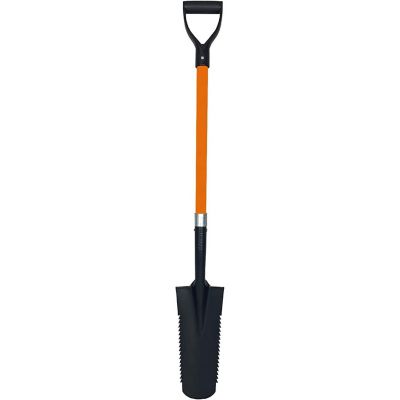
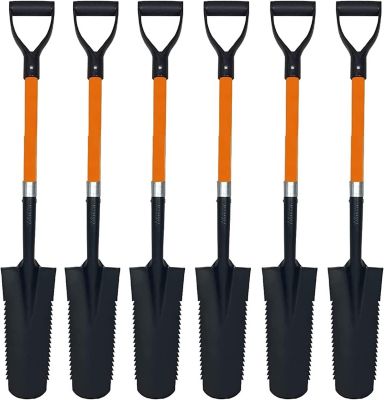
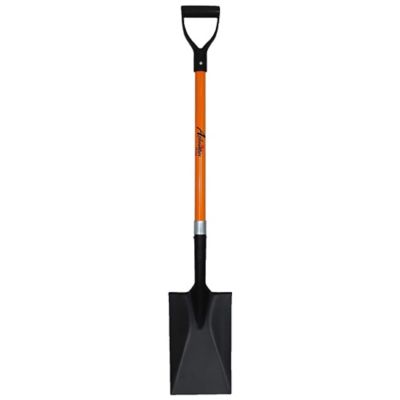
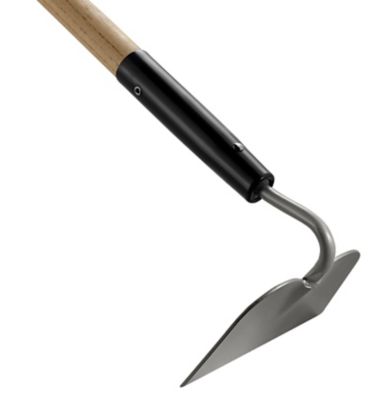
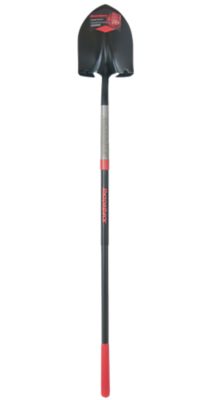
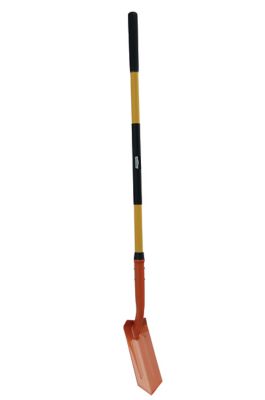
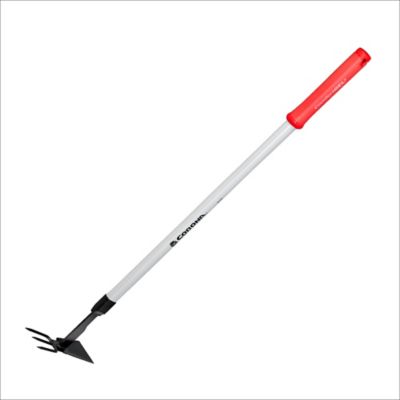
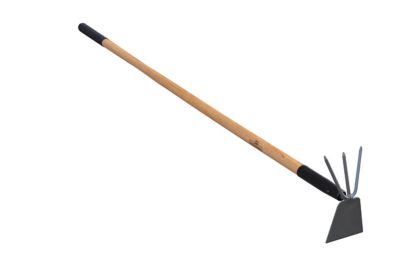
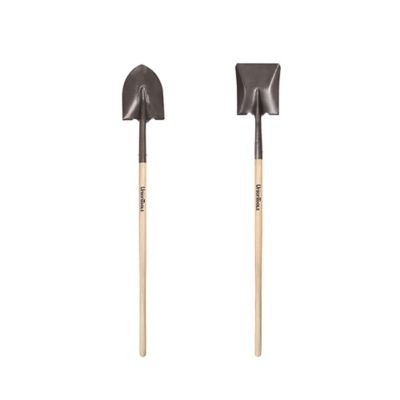
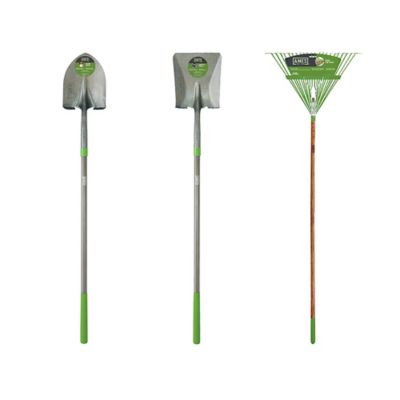
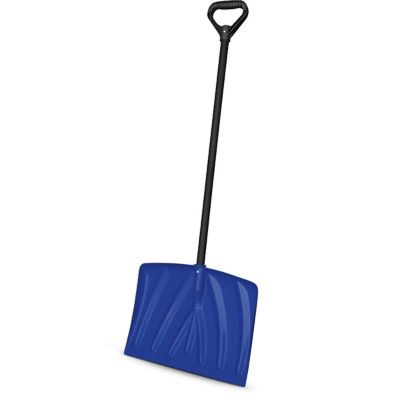
When it comes to digging narrow trenches or working on drainage projects out on the farm, a good tile shovel is worth its weight in gold. Folks who’ve spent a hot afternoon laying drain tile or running irrigation lines know just how much easier the job gets with the right tool in hand. Tile shovels, sometimes called tiling shovels or tile spade shovels, are designed with a long, narrow blade that slices through tough soil and clay, making them perfect for creating clean, deep channels without disturbing too much ground. Whether you’re tackling yard drainage, installing underground cables, or patching up old tile lines after a heavy summer rain, a sturdy tiling spade is a must-have for anyone who works the land. Even if you’re just keeping up with routine maintenance around the property, having a tile shovel hanging in the shed means you’re ready for whatever the season brings—be it fixing a soggy spot after a storm or prepping for fall planting by improving water flow.
Tile shovels don’t just make sense for farmers and ranchers, either. Landscapers, gardeners, and even folks who just enjoy keeping their homesteads neat and tidy find plenty of uses for a tiling spade. That long, slim blade is just the ticket for digging precise trenches for edging or planting, especially when you want to keep your flower beds looking sharp as the weather shifts from warm to cool. If you’ve got a friend or neighbor who’s always working on outdoor projects, a quality tiling shovel makes a thoughtful gift—something practical they’ll use season after season, whether they’re running new lines for a garden irrigation system or tackling a backyard makeover. When picking out a tile shovel, it’s smart to consider the handle length and grip style, since a comfortable fit means less strain on your back and shoulders during long days in the dirt. Some folks prefer a classic wood handle for that traditional feel, while others go for fiberglass for a bit more durability and weather resistance. No matter your preference, a well-balanced, sharp-bladed shovel is key for getting crisp results without extra effort. And if you’re working on edging projects or want to keep your garden borders looking just right, you might also want to check out an
Edging Shovel for those fine finishing touches.
Having the right tools on hand can make all the difference when you’re working outdoors, especially as the tasks shift with the seasons. A dependable tile shovel is a real workhorse during the busy months, helping you dig deep, narrow trenches for everything from drainage tile to fence posts or even new plantings. As the days get shorter and the air cools, you might find yourself using your tiling spade to prep garden beds for winter or shore up low spots before the heavy autumn rains set in. There’s a certain satisfaction in knowing you’ve got the right gear for the job, whether you’re a seasoned pro or just getting started with your first big outdoor project. With a tile shovel, you’ll be ready to tackle whatever the land throws your way, all while making the work a little easier on yourself and maybe even enjoying the process a bit more.