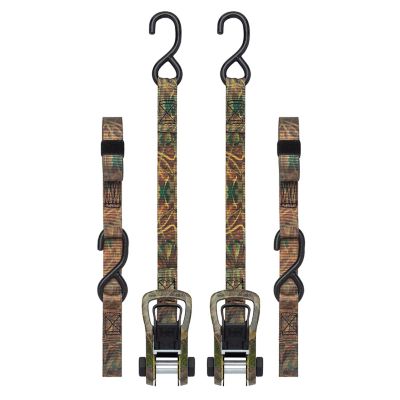
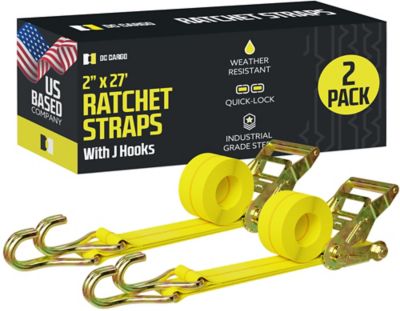
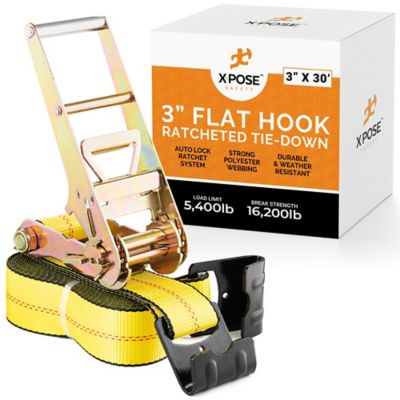
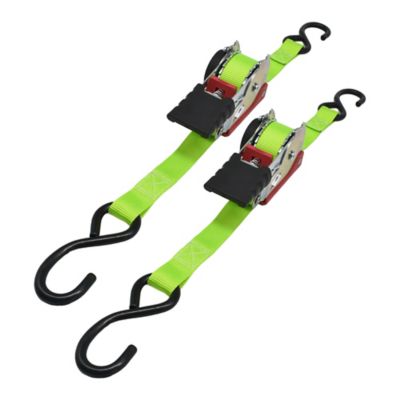
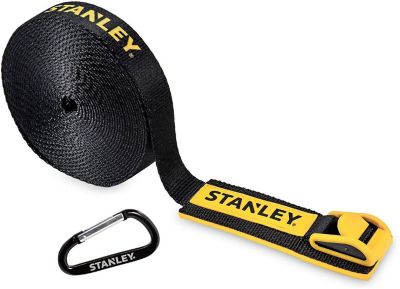
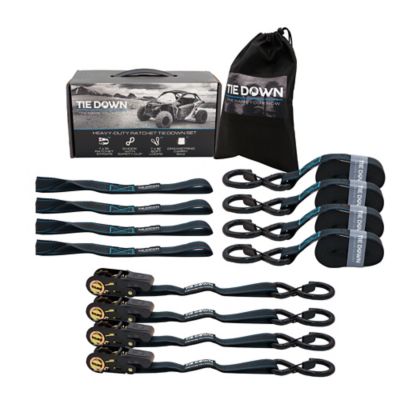
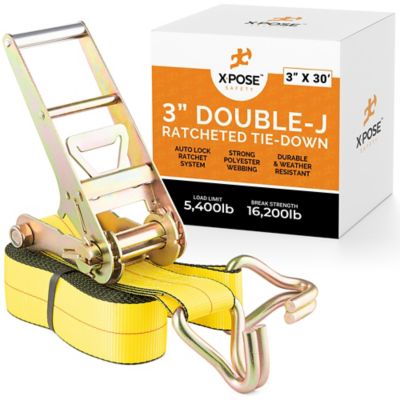
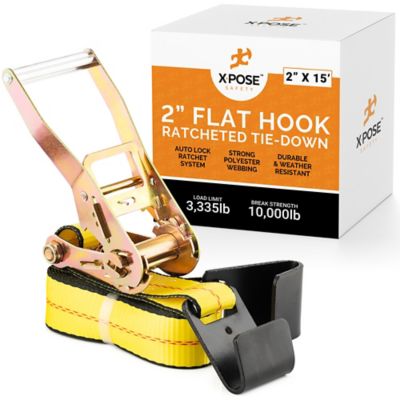
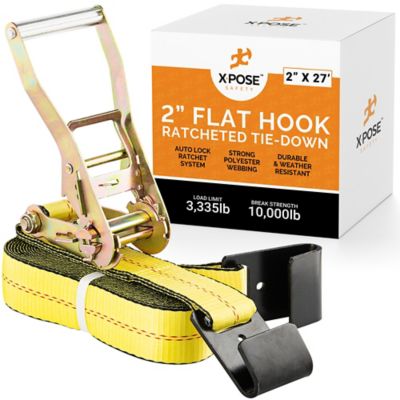
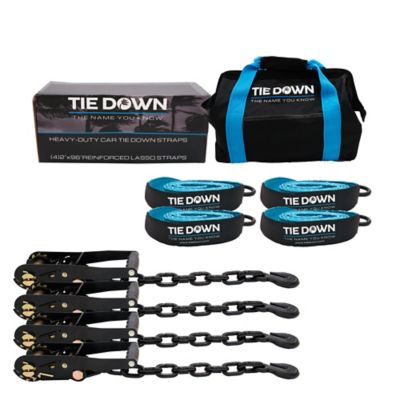
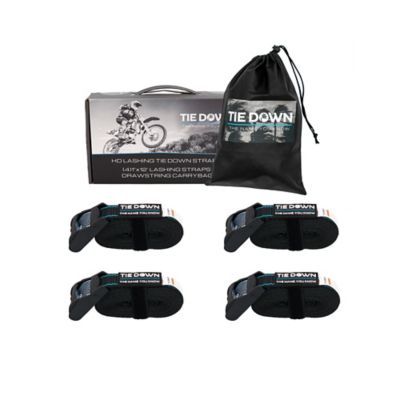
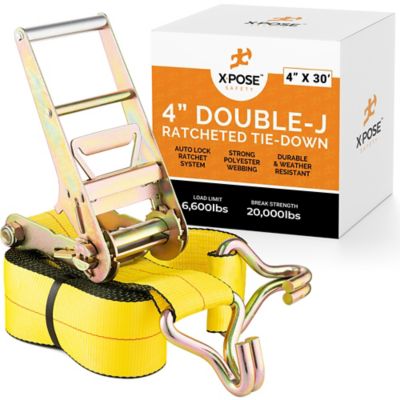
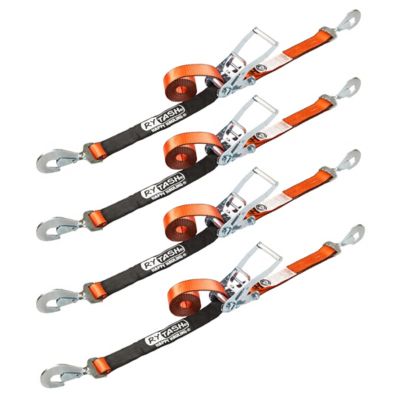
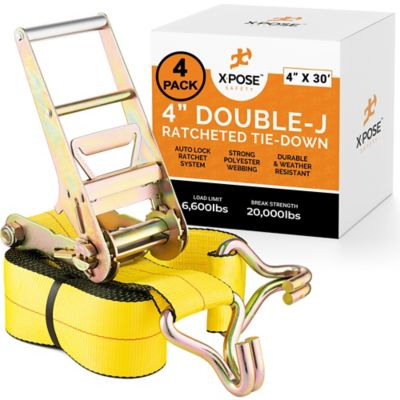
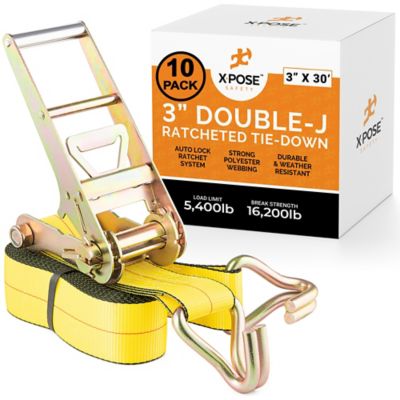
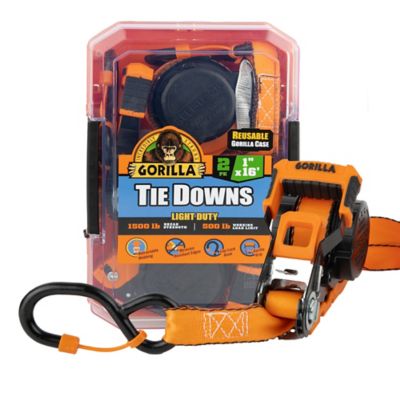
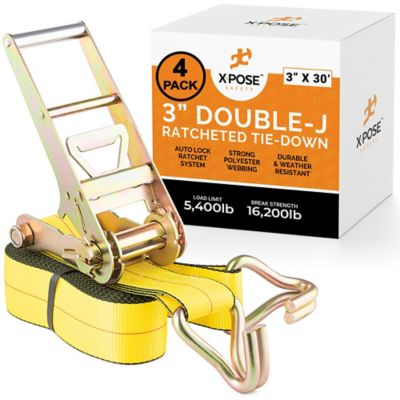
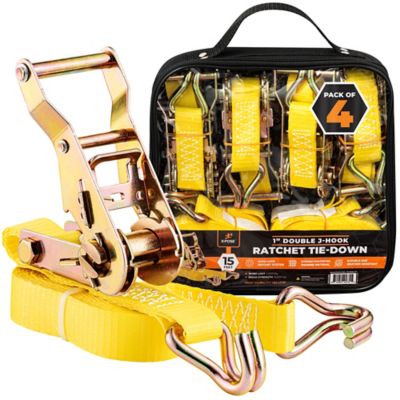
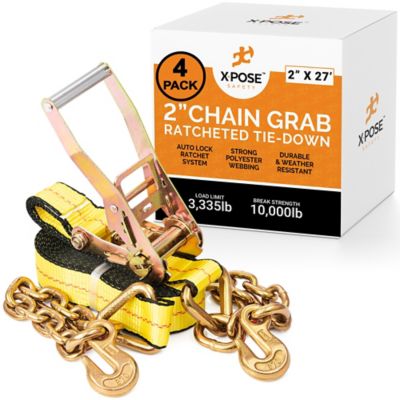
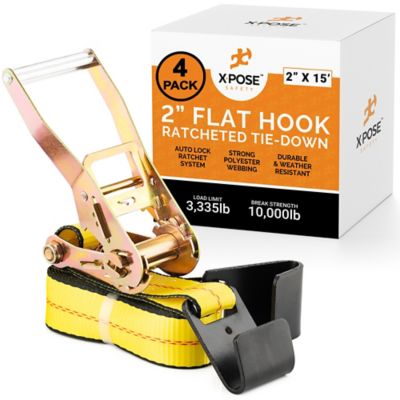
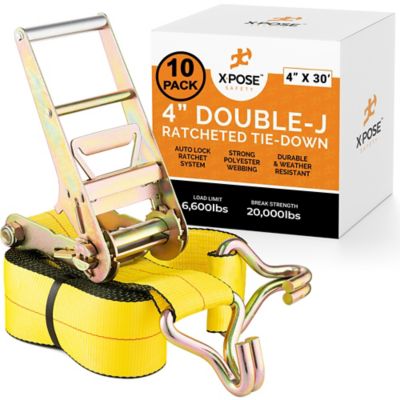
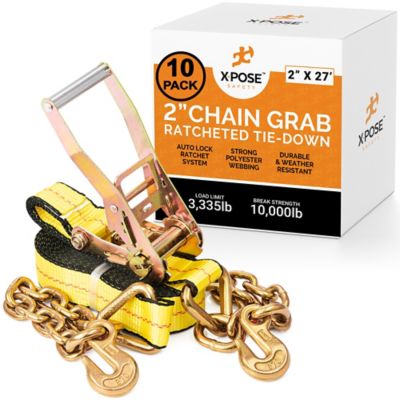
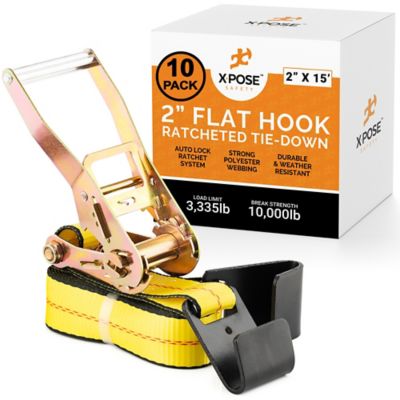
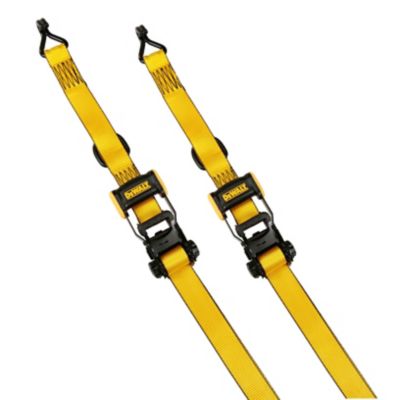
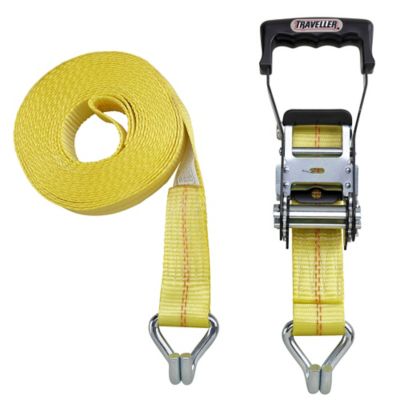
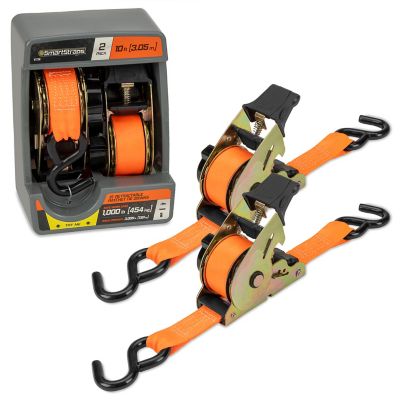
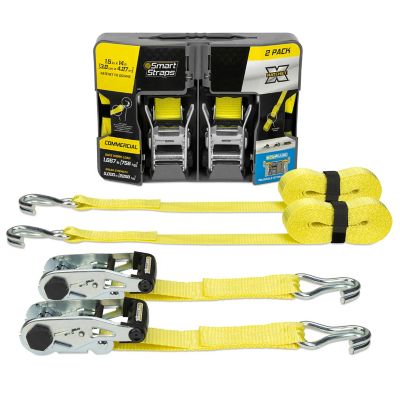
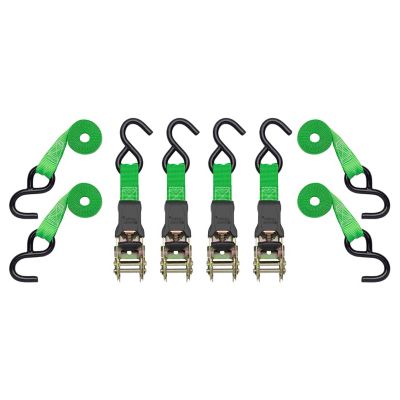
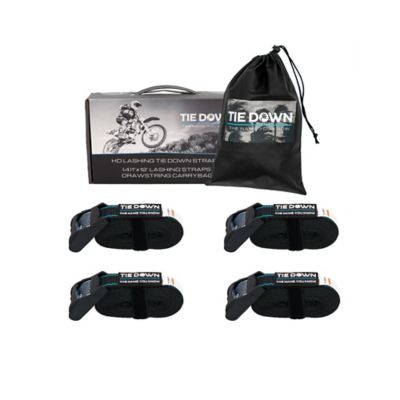
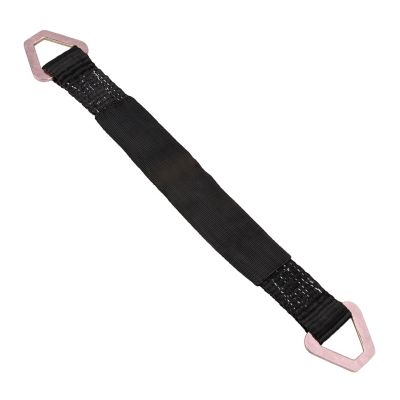
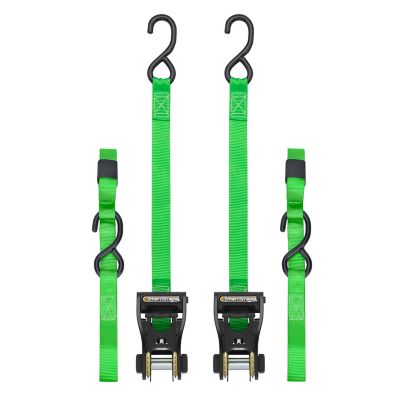
Tie-down straps for moving help keep furniture, appliances, boxes, and other cargo from shifting inside a truck, van, or trailer. Whether the trip runs across town or from a farmhouse to a place down the road, a secured load puts less strain on belongings and makes unloading more predictable. The right strap depends on the cargo, the vehicle’s attachment points, and the tension needed to hold everything in place without crushing or bending it. Ratchet straps tighten through a geared handle, giving them the leverage to hold substantial loads when their working load limit and attachment hardware suit the job. They’re a common choice for solid furniture, shop equipment, and appliances secured according to the appliance manufacturer’s transport instructions. That leverage also calls for restraint: too much tension can dent a cabinet, compress a carton, or damage a furniture frame. Cam buckle straps tighten by pulling the webbing through a spring-loaded clamp rather than winding it onto a ratchet. Their hand-pulled tension can be easier to manage around lighter loads and surfaces that need a gentler touch, although they can still cause damage if overtightened or poorly positioned. Neither style makes padding or proper load placement unnecessary. A tall dresser, for example, needs support against tipping as well as restraint against sliding, while a stack of boxes needs a stable arrangement that won’t collapse beneath a tight strap. Furniture lifting straps serve a different purpose: they help people carry suitable objects but don’t replace rated cargo tie-downs during transportation. For household moves, college move-ins, farm office relocations, or hauling belongings to storage, the useful distinction is between carrying the load and securing it for the ride. Cargo straps handle that second job as part of a setup that includes sound anchor points, balanced placement, and protection wherever webbing meets a vulnerable edge.
Length, width, and load ratings matter more than choosing a strap by appearance alone. A strap needs enough reach to follow its intended path between attachment points, pass around or over the cargo where appropriate, and feed correctly through its tensioning hardware. Webbing that measures 1 inch wide and 12 to 15 feet long may fit many household moving arrangements, but those dimensions aren’t a universal fit or a promise of sufficient strength. A broad sofa, a high trailer rail, or anchor points set far apart can change the length needed considerably. Extra length also needs a way to stay contained rather than dragging, tangling, or hanging outside the vehicle. Working load limit is the rating to compare with the intended securement task; breaking strength describes a failure threshold, not a safe working capacity. The strap, hooks, tensioner, and vehicle anchors all matter, and the setup is limited by its weakest component. Cargo weight alone doesn’t establish a complete securement plan, since strap angles, cargo movement, and the number and placement of restraints affect performance. Polyester webbing is common in cargo tie-downs because it offers relatively low stretch and good resistance to abrasion, though no webbing belongs against an unprotected sharp edge. Nylon generally stretches more under load, so material choice should follow the strap manufacturer’s stated purpose. Wider webbing can spread contact across a broader area, but width by itself doesn’t establish the load rating. Hook shape and opening also need to match the vehicle’s designated anchors. S-hooks, J-hooks, and fittings made for track systems have different attachment requirements; a track fitting must match the installed track. Coated hooks can help reduce scratching at contact points, but they don’t replace moving blankets or edge protectors. In a rental truck, the distinction between a rated cargo rail and an interior panel matters. Thin wall panels, loose boards, and hardware without a suitable rating aren’t substitutes for designated tie-down points.
Fit around the cargo deserves the same attention as fit at the anchor. A strap stretched across a dresser’s drawer pulls or a table’s unsupported apron can damage those parts long before the rest of the load feels snug. Broad, structurally sound contact areas are better suited to restraint, with moving blankets protecting finishes and purpose-made edge guards shielding webbing from corners. Blankets provide cushioning, but they aren’t necessarily enough protection against a sharp metal edge. Appliances may have restrictions on transport position and strap placement, and doors, cords, shelves, or other loose parts need separate attention according to their manufacturer’s directions. In a mixed load, heavy pieces belong low and positioned to maintain the vehicle’s proper weight distribution, rather than leaning on lighter cartons for support. Separate groups of cargo may need separate restraints so one shifting stack doesn’t loosen the rest. Straps should lie flat without knots, and ratchet mechanisms need the webbing threaded and wound as directed, with excess slack removed before tensioning. An overfilled spool can interfere with operation, while a twisted strap can concentrate pressure and complicate inspection. Before each move, a close look at the entire assembly can reveal cut fibers, frayed edges, damaged stitching, bent hooks, or a ratchet that won’t latch properly. Missing or unreadable rating labels also make it difficult to confirm whether a strap suits the task. Straps with damage or uncertain capacity should come out of service rather than get a knot or makeshift repair. Cleaning and storage affect service life, too: follow the maker’s care directions, keep webbing away from damaging chemicals, and let it dry fully before storing it neatly with the hardware contained. Once loaded, cargo deserves another check after a short distance at a safe stopping place and during the trip, since padding and belongings can settle. For hauling needs beyond a household move,
Tie Down Straps for Kayaks relate to a different cargo shape and attachment setup, where rack compatibility and hull protection also matter. Whatever the destination, well-matched moving straps bring the same practical benefit: controlled tension and a way to help keep properly arranged belongings where they belong.