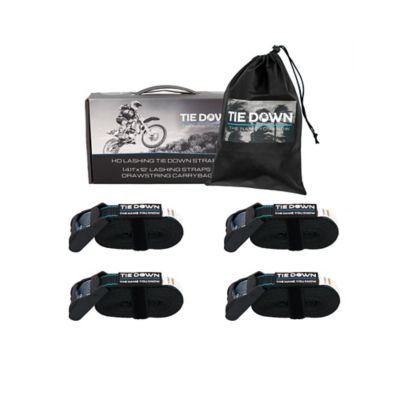
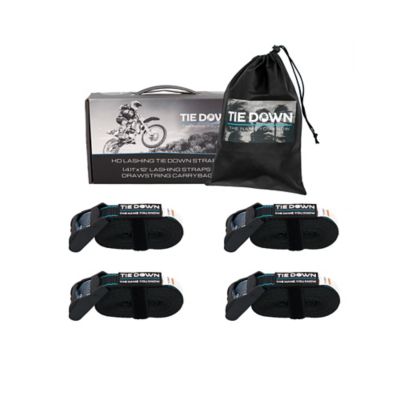
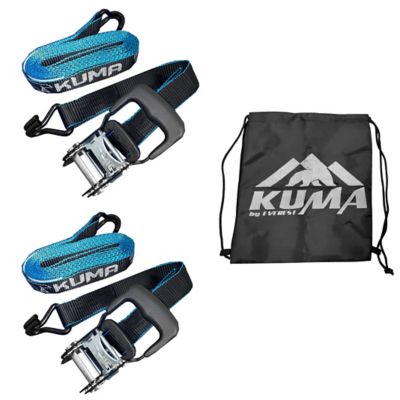
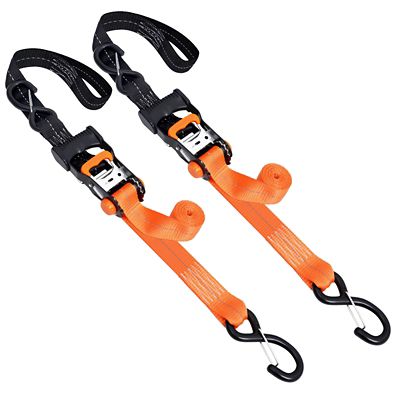
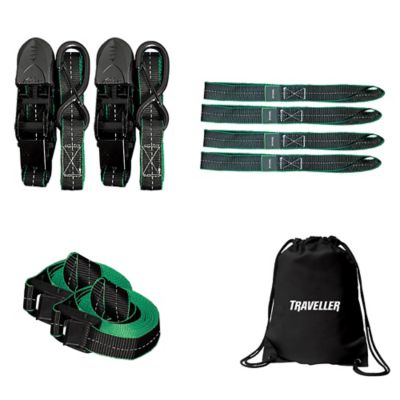
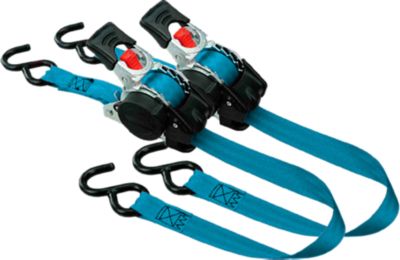
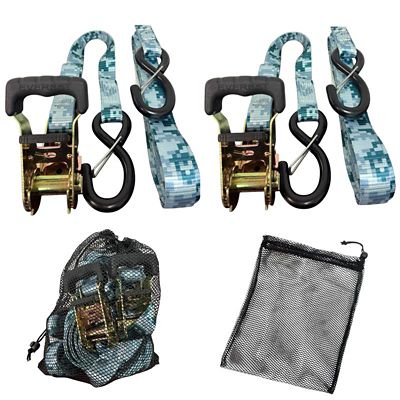
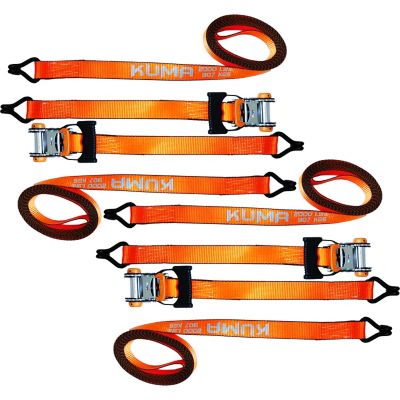
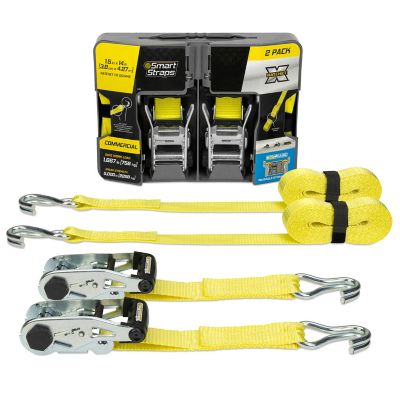
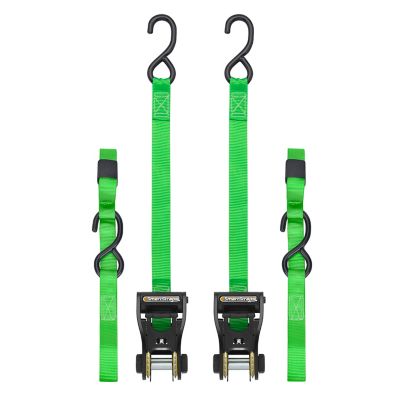
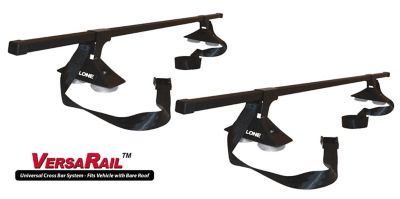
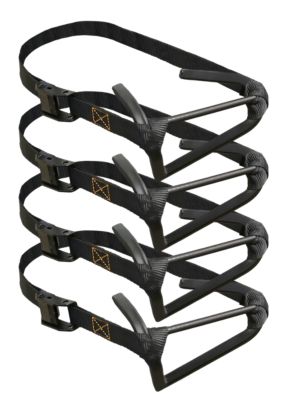
Tie down straps for kayaks help keep a boat secure on a compatible roof rack, trailer, or truck-bed carrying system between the driveway and the launch. Cam buckle straps are generally a good choice for kayak transport because they tighten by hand, giving better control over pressure on the hull than a ratcheting mechanism. The goal is a snug hold without squeezing, denting, or distorting the boat. That matters whether the trip takes a fishing kayak down a gravel lane to a farm pond or carries a touring kayak along the highway for a weekend on the river. Strap fit starts with the whole carrying setup, not just the boat’s length. A wide fishing kayak, a narrow recreational boat, and a pair of kayaks in upright cradles each create a different path around the hull and rack. Enough strap length allows proper routing through the designated rack attachment points and enough tail for a secure finish, without leaving yards of webbing loose beside the vehicle. Roof-rack transport commonly calls for separate straps at the front and rear crossbars, with bow and stern lines providing additional restraint when the kayak and rack manufacturers recommend them. Those end lines help limit movement at the boat’s tips; they do not replace the straps securing the kayak to its carrier. Padded saddles, cradles, and other compatible supports also matter because straps alone cannot make an unsuitable rack fit a hull. A broad, flat section of webbing spreads contact more evenly than a narrow cord, while a padded buckle cover can help keep metal away from the boat and vehicle finish. Strap width still needs to suit the buckle and carrier, so bigger is not automatically better. For a family carrying several boats, separate strap sets make it easier to match each kayak to its own supports rather than treating the whole load as one bundle. Checking boat dimensions, carrier instructions, and the required strap path before choosing a length saves a lot of fuss at the driveway.
Webbing material and buckle construction affect how kayak tie down straps handle repeated trips. Polyester webbing generally has low stretch and holds its dimensions well when wet, making it a common choice for transport straps. Nylon can stretch more, especially after taking on water, while polypropylene offers low water absorption; suitability depends on the complete strap’s design and rating rather than the fiber name alone. UV-resistant webbing can help limit damage from sunlight over time, though no treatment makes a strap last forever. Even stitching, finished edges, and hardware that operates smoothly are useful details to examine. A cam buckle holds the webbing with a gripping mechanism, allowing the strap to be pulled snug by hand and released with its lever. Its teeth and spring need to stay clean and function properly so the strap holds as intended. Ratchet straps can generate far more tension than a kayak needs, which can damage a plastic hull or put stress on a composite boat. Unless the boat and carrier manufacturers specifically permit that setup, hand-tightened cam straps are generally the better match. Even with a cam buckle, extra force is not a substitute for proper support and routing. The kayak should not shift independently of the rack, but its shape should remain unchanged. Published ratings deserve a close look, too. Working load limit describes the allowable load under the manufacturer’s stated conditions; breaking strength is a failure-test figure, not a working target. The straps, rack, attachment points, and vehicle each have limits, and a high strap rating does not increase the roof’s carrying capacity. Bow and stern lines belong on designated transport points on the kayak and suitable vehicle anchors, not on a convenient piece of trim or a handle that lacks approval for that purpose. Buckles are best positioned where they can be checked and kept clear of painted surfaces, with padding where appropriate. Loose strap ends need securing so they cannot flap against the vehicle or reach wheels and moving parts. These small details make a difference on both short backroad runs and longer highway hauls.
A little attention between trips helps kayak straps stay ready for the next launch. Sand and grit can collect around a cam buckle after a boat comes off the bank, and residue from saltwater can affect metal hardware. Cleaning according to the strap manufacturer’s directions, rinsing when appropriate, and letting the webbing dry before storage help keep that buildup in check. Harsh cleaners, solvents, and unapproved lubricants can interfere with webbing or buckle performance, so the care instructions are worth keeping. Straps store neatly when rolled or loosely bundled in a clean, dry place away from sharp tools and chemicals. Before another haul, a close look at the full length can catch frayed edges, cuts, pulled stitching, damaged buckles, or webbing that has become stiff or brittle. A strap with damage should be replaced rather than patched or tied into a workaround. Hardware that sticks or no longer grips properly also needs attention before the boat goes on the vehicle. Checking tension after a short stretch of driving and again at stops is sensible because the boat can settle into its supports and the load can shift. For kayak anglers, that check also includes tackle boxes, paddles, and other gear that need their own secure place rather than sitting loose inside the boat. Pickup owners may have a different strap path than roof-rack users, particularly when the kayak rides on a bed rack or an approved support extending beyond the tailgate. For those carrying arrangements,
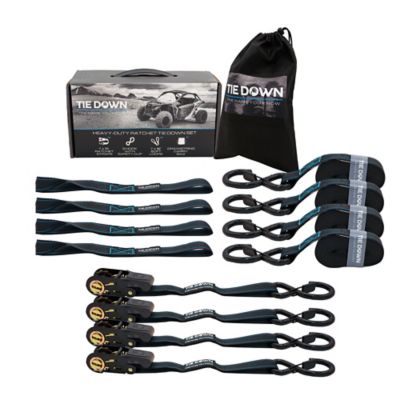
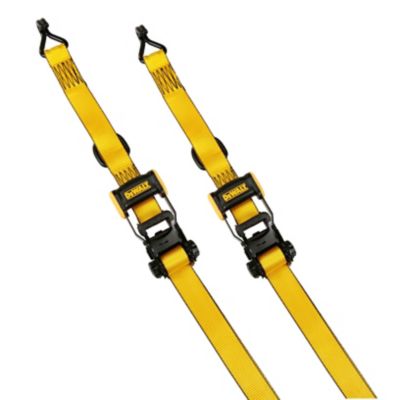
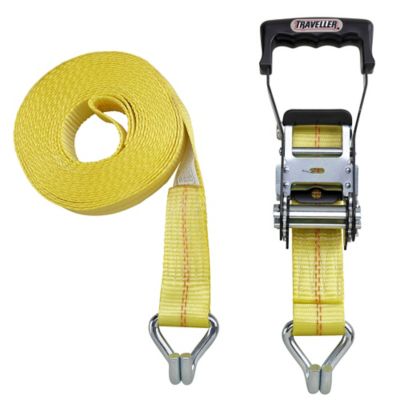
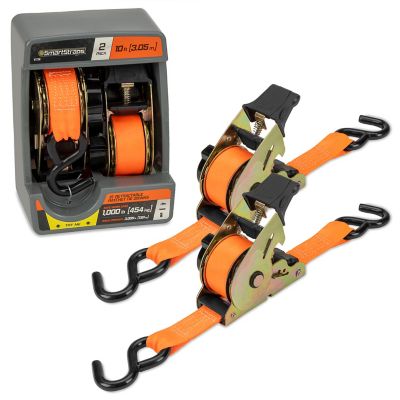
Truck Tie Down Straps provides a related category to explore while keeping the kayak’s hull, support points, and tension limits in mind. Kayak straps can also make a practical gift for an angler, paddler, or family member who already has a boat and compatible carrier, especially when the needed length and buckle style are known. The best match is a set that suits the actual hauling setup, is straightforward to inspect, and gives the boat a firm hold without unnecessary pressure. That leaves less fuss at the launch and more attention for getting the kayak onto the water.