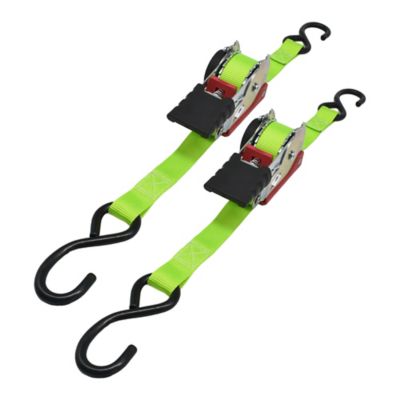
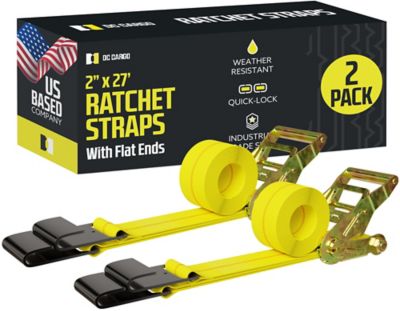
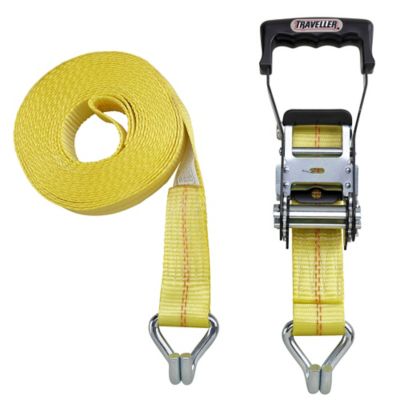
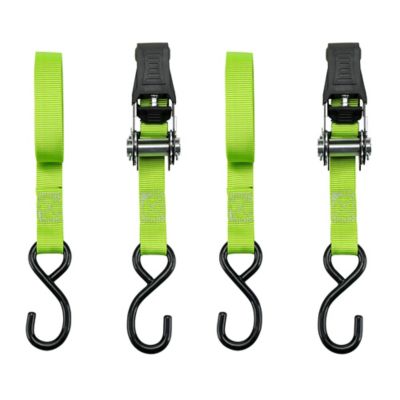
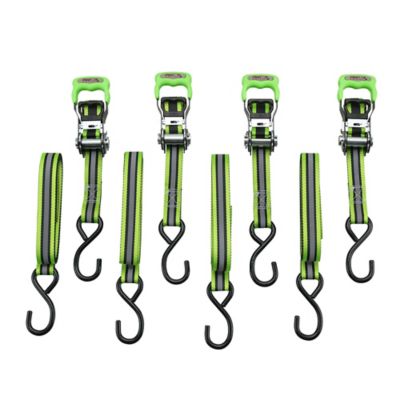
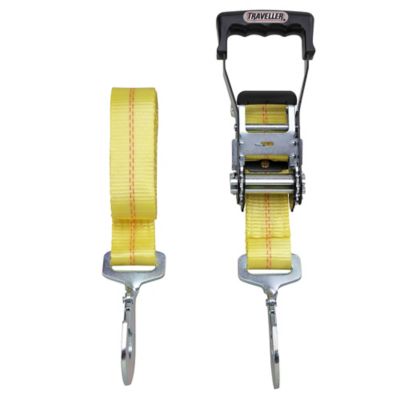
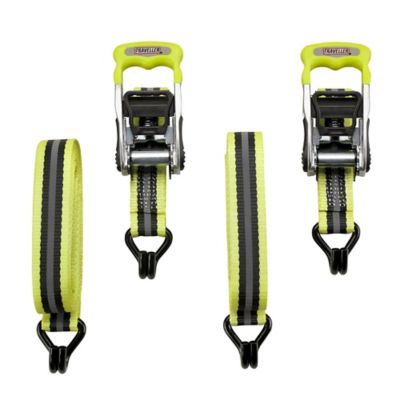
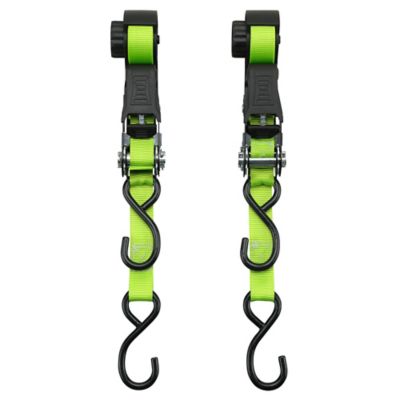
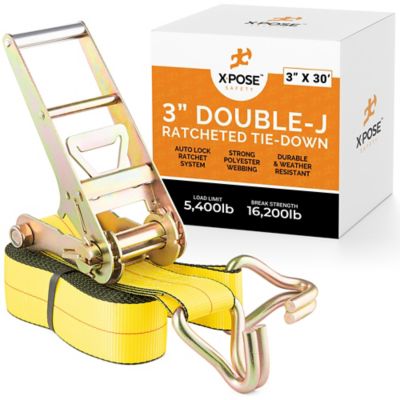
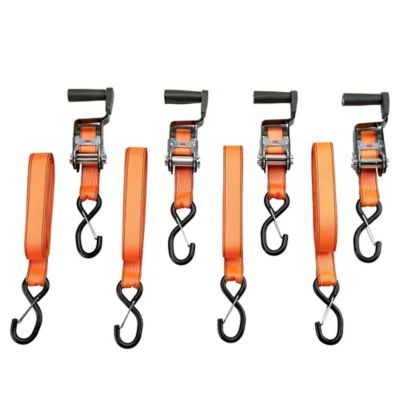
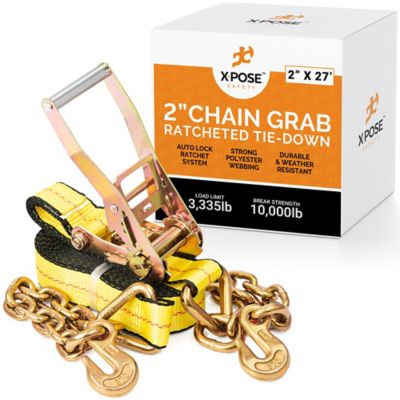
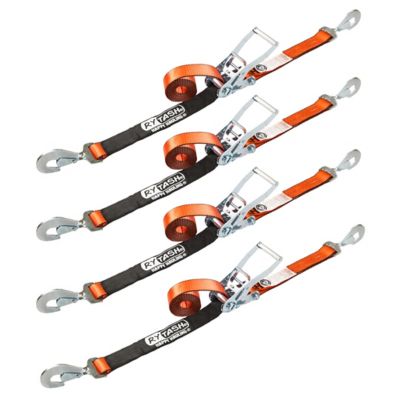
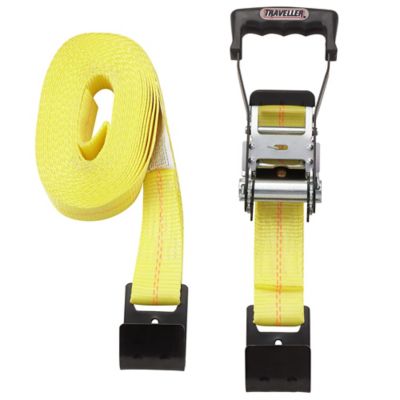
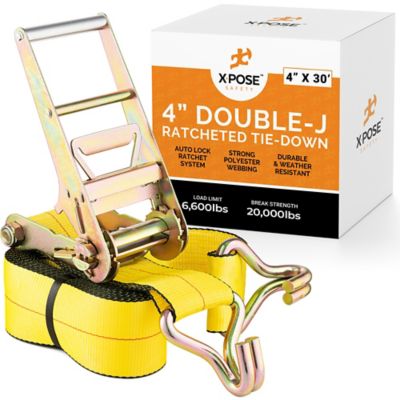
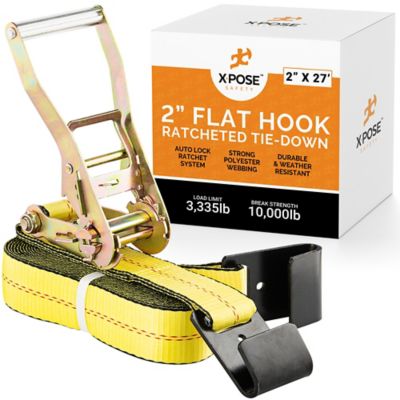
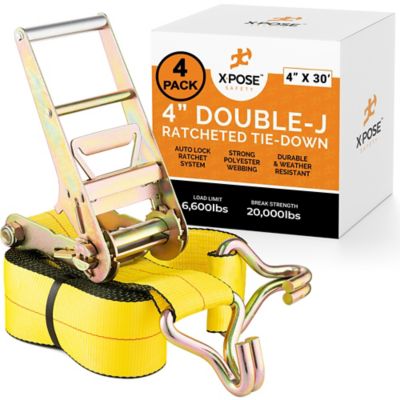
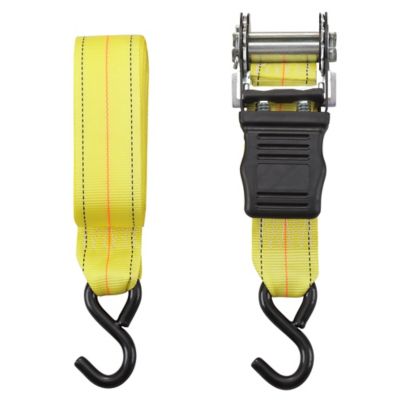
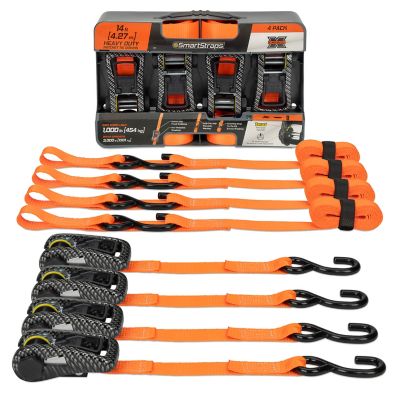
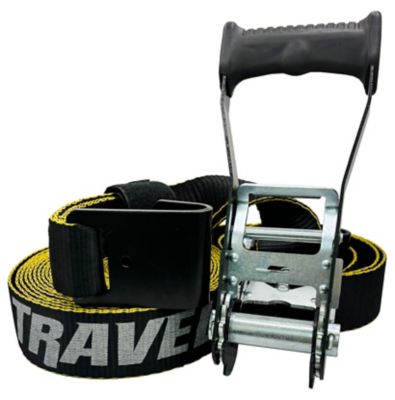
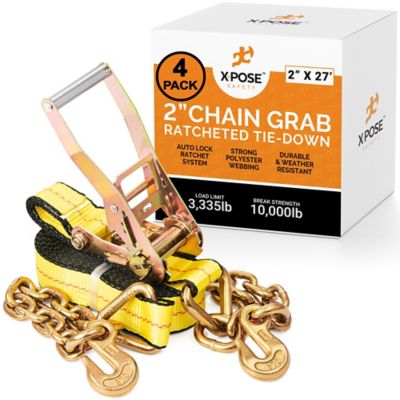
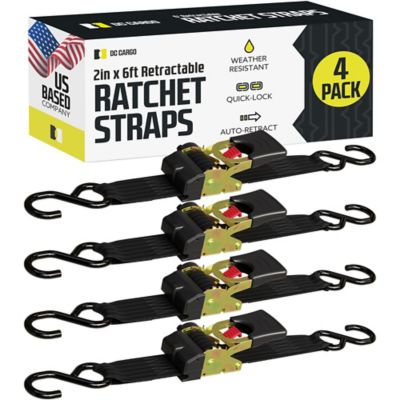
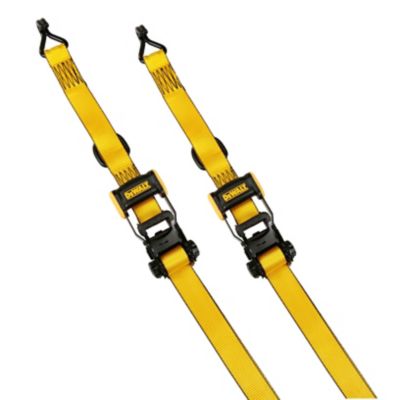
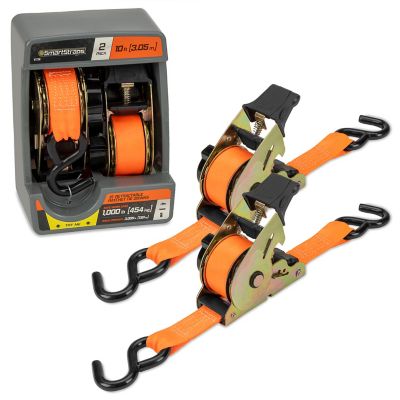
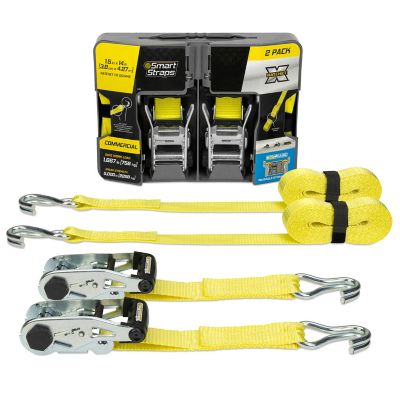
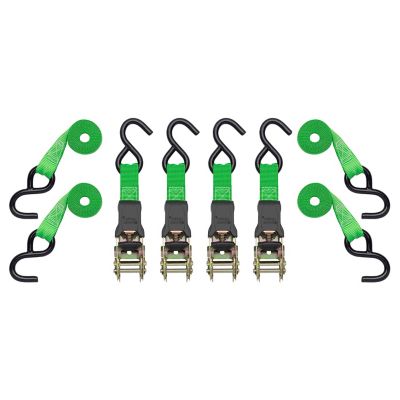
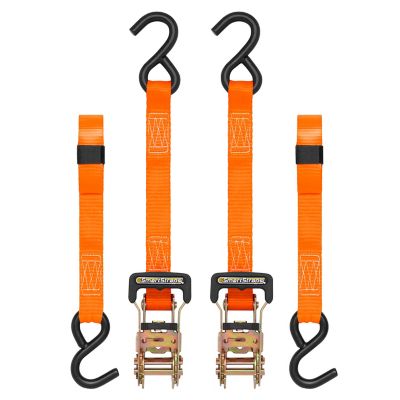
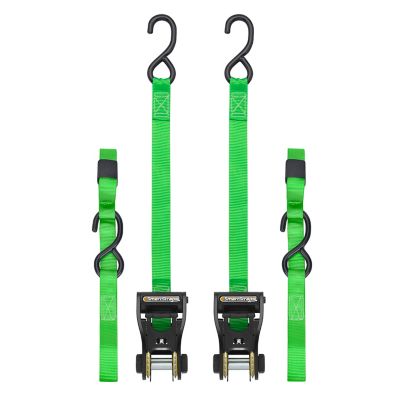
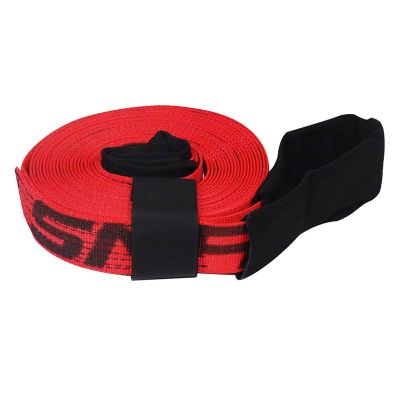
Truck tie-down straps help keep cargo from shifting in a pickup bed or on a trailer by connecting the load to suitable anchor points under tension. They serve a different purpose from a tarp or cargo cover: the cover contains or shields material, while the straps provide restraint. Whether the job involves hauling lumber for a fence repair, taking equipment between properties or bringing a mower home, the right setup depends on the load’s weight, shape and attachment points. Ratchet straps have a geared tightening mechanism that takes up slack and holds tension, making them a common choice for loads that need a firm hold. Cam buckle straps tighten by pulling the webbing through a spring-loaded buckle and can suit lighter cargo when their ratings match the job. Retractable designs keep excess webbing gathered in a housing, which can make handling and storage less of a tangle. The tightening mechanism alone does not determine how much a strap can restrain; the complete assembly’s labeled rating matters. For everyday truck hauling, strap length, width and end fittings all affect how the setup comes together. A short strap may not reach across a tall load, while a much longer one leaves more loose webbing to manage. Wide webbing spreads contact over a larger area, but width alone is not a substitute for checking the rating. Loads also behave differently once the truck gets moving. A stack of boards can slide lengthwise, a tall cabinet can tip, and equipment with wheels can roll unless its restraint system addresses that movement. Loose pieces may need separate containment rather than a strap stretched over the top. That is why truck cargo straps make the most sense as part of a complete hauling setup, with the load supported, balanced and restrained for the trip. The goal is a load that stays settled without crushing its packaging or damaging the truck bed.
Materials and hardware make a noticeable difference in how tie-down straps handle farm chores, jobsite runs and hauling around the property. Polyester webbing is common because it stretches less than nylon under comparable loading, helping limit movement after tension is applied. Nylon has more stretch, so the webbing material is worth checking rather than judging every strap by its appearance. Both need protection from sharp edges, rough surfaces and substances that can weaken the fibers. A clean-looking board edge, metal bracket or equipment corner can still concentrate pressure on a narrow section of webbing. Edge protectors and suitable sleeves help separate the strap from those contact points, while soft loops can provide an attachment option where direct hook contact is not appropriate. End fittings deserve just as much attention as the strap itself. S-hooks, J-hooks, snap hooks and flat hooks connect differently, and each needs an anchor that matches its shape and intended application. A hook resting on its tip or bearing against an edge is not the same as a properly seated connection. Truck bed anchor locations also affect reach and strap angle, especially around wheel wells, bed-mounted storage and tall cargo. Working load limit is the key capacity figure for a tie-down assembly; breaking strength describes a different threshold and should not be treated as the allowable working load. The capacity of the complete system is limited by its lowest-rated component, including the truck or trailer anchor. A heavier strap cannot make an undersized attachment point stronger. Required strap count and placement depend on cargo weight, dimensions, restraint method and applicable hauling requirements, not just the number of hooks within reach. For machinery, bed capacity and loading arrangements matter alongside the tie-downs. An ATV, mower or utility vehicle belongs in a truck bed only when the vehicle, loading equipment and restraint arrangement are suited to the job. Manufacturer directions help establish suitable attachment points without putting strain on body panels, controls or other vulnerable parts.
A good match also accounts for how often the straps travel and how much handling happens before and after a haul. Someone moving equipment several times a week may appreciate a ratchet handle with room for a comfortable grip, a release that is straightforward to operate and a practical way to gather the loose tail. For occasional trips, clear ratings and a manageable length still matter more than choosing the biggest strap on sight. Too much tension can bend lightweight cargo, crack a storage tote or damage an attachment point, so a firm hold is not a reason to keep tightening indefinitely. Straps should restrain the load through suitable contact and connection points rather than pressing on fragile parts. Two-wheeled cargo brings its own attachment concerns;
Motorcycle Tie-Down Straps are a related category for hauling bikes with restraints suited to their designated tie-down points. Whatever the cargo, tension and connections deserve another look after the load has settled and at appropriate stops along the route. Loose strap ends need containment so they cannot flap, snag or reach moving components. Between trips, inspection and storage help keep the next hauling job from starting with a problem. Cuts, frayed edges, damaged stitching, distorted hooks and ratchets that do not engage fully are reasons to remove an assembly from service. Missing or unreadable rating information also makes it difficult to confirm suitability. Knots, makeshift repairs and mixed replacement parts can change how an assembly performs, so manufacturer directions remain important for repair or replacement decisions. Cleaning should follow the material’s care instructions, with straps allowed to dry before storage. Coiled webbing and protected hardware are easier to inspect than a tangled pile beneath loose tools. Truck tie-down straps are for cargo restraint, not lifting equipment, vehicle recovery or towing. Keeping those jobs separate helps match the equipment to the work, whether the next trip is across the farm or down the highway.