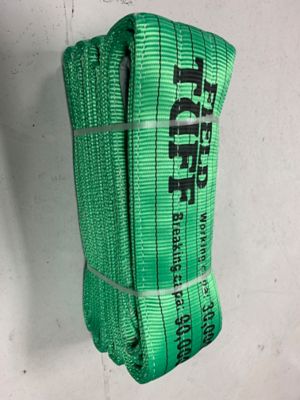
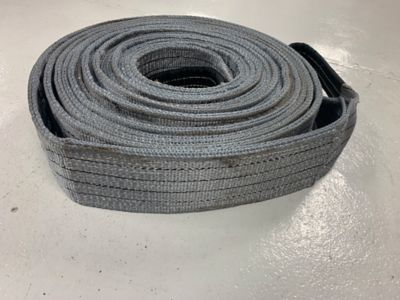
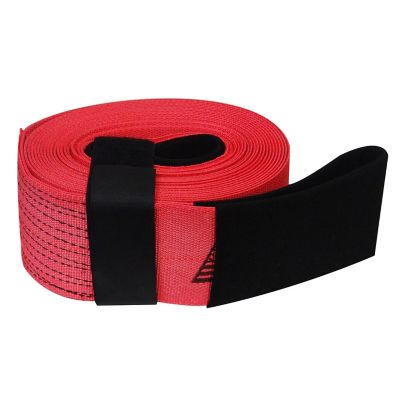
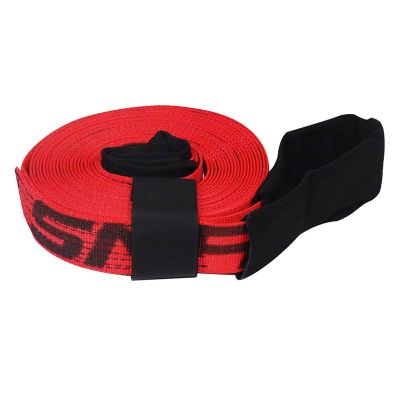
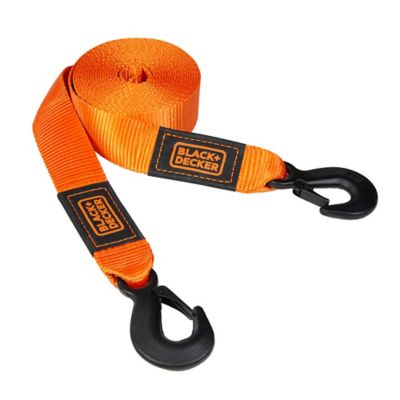
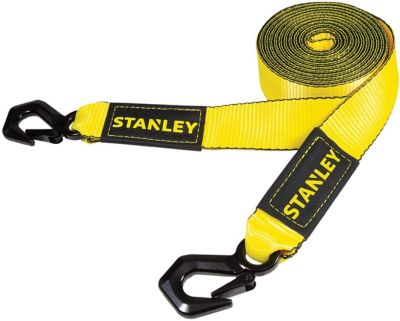
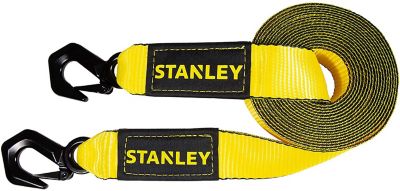
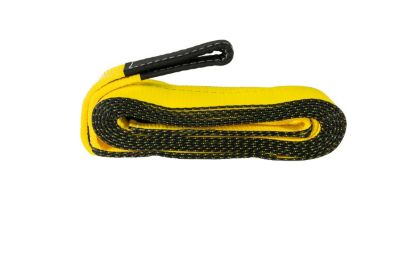
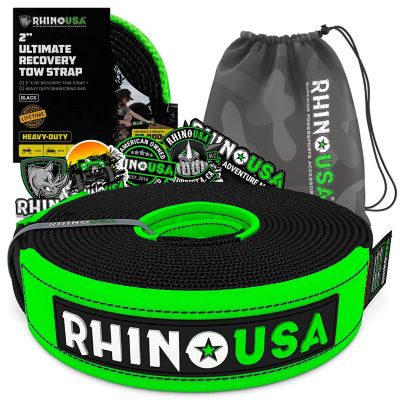
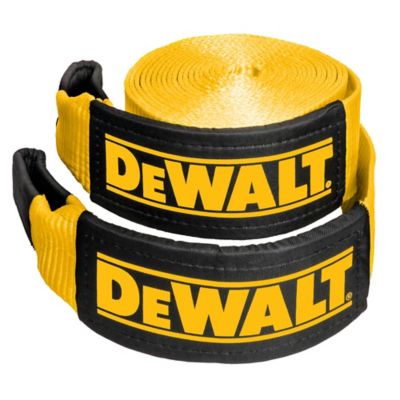
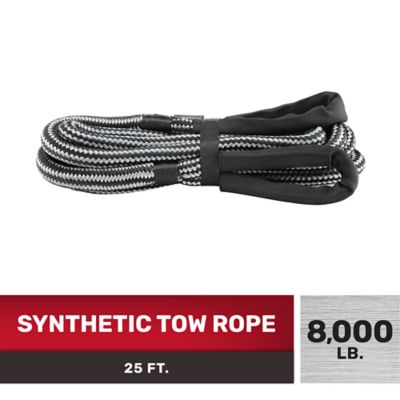
Towing straps provide a flexible connection for controlled vehicle towing when the strap, attachment points, and towing method are suited to the job. They belong in a different category from cargo tie-downs, and they are not all interchangeable with vehicle recovery straps. A tow strap generally has limited stretch and is intended for steady pulling, such as moving a freely rolling disabled vehicle in circumstances permitted by the equipment manufacturer. A kinetic recovery strap stretches to help transfer pulling energy when freeing a stuck vehicle, placing different demands on the strap, connecting hardware, and vehicle attachment points. That distinction matters around the farm, on a jobsite, or along a backroad: a pickup that rolls freely on a gravel lane presents a different situation from a truck settled into deep ruts. A towing strap should never be assumed suitable for a running start or a sudden jerk. Flat synthetic webbing keeps this equipment easier to fold and carry than many heavier pulling connections, making it practical for a truck storage compartment or a dedicated equipment bag. Polyester is common in low-stretch webbing, while nylon appears in many recovery straps where controlled elongation is part of the design. Fiber type alone does not establish suitability, though; construction, stitching, end fittings, and the manufacturer’s stated application all matter. Width and thickness affect handling and storage, but a broad strap is not automatically the right match for a heavier vehicle. The rating and intended application carry more weight than appearance. For landowners, ranch hands, contractors, and folks who spend time beyond the paved road, towing straps can be part of a well-planned vehicle equipment kit. Their usefulness comes from matching the equipment to a defined task, not from expecting one strap to handle every pulling situation. Moving an unpowered vehicle across private property, arranging equipment for work around an acreage, and preparing for off-road travel can call for different towing arrangements, even when the vehicles look much alike.
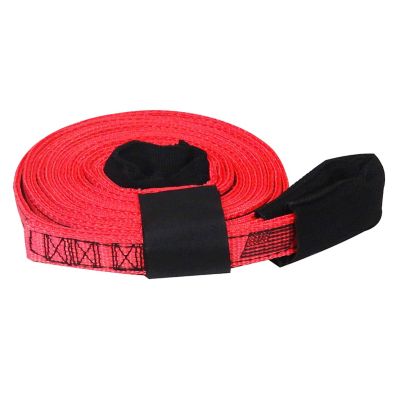
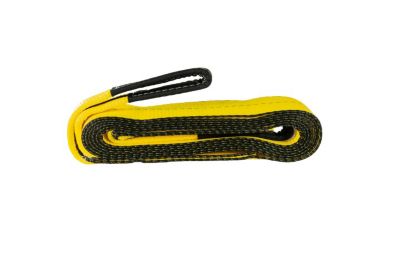
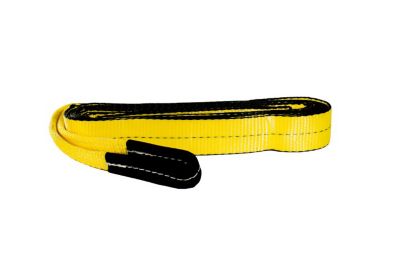
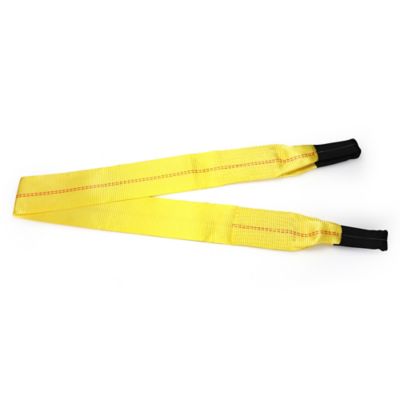
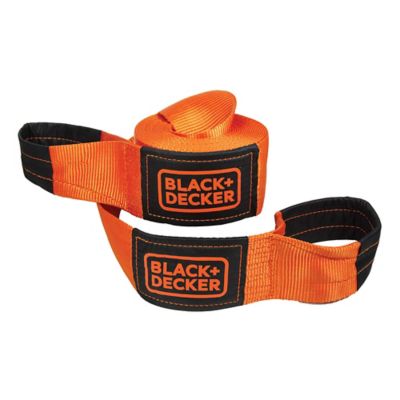
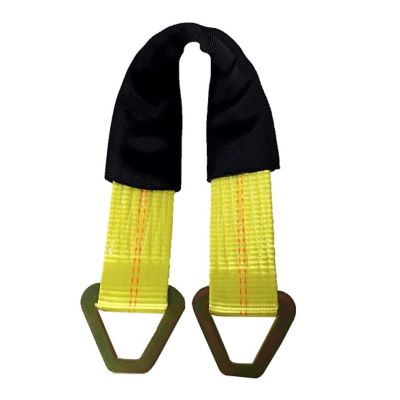
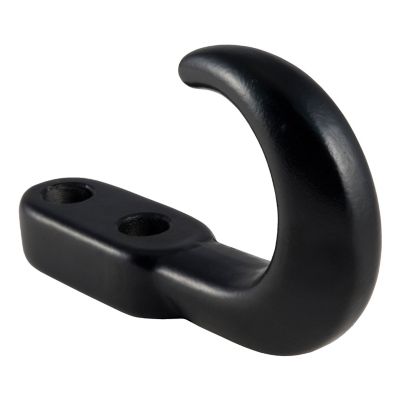
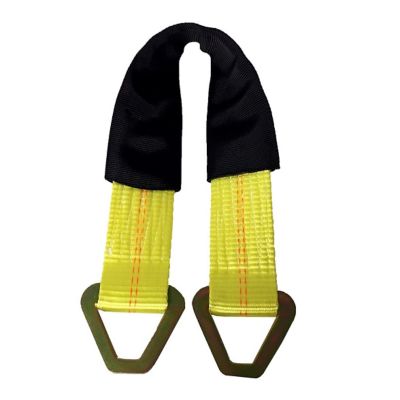
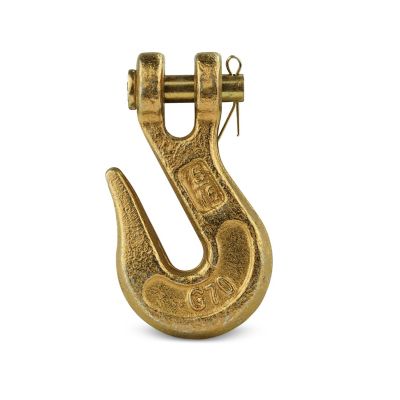
Length, end style, and connection fit help narrow the choice among towing straps. A longer strap can provide more separation between vehicles, but it also requires enough clear space to manage the connection without dragging it across sharp edges or creating unnecessary slack. A shorter strap may suit some confined work areas, provided the required vehicle spacing and manufacturer’s directions can still be met. Neither length makes an unsuitable towing setup safe. Reinforced sewn loops offer a flexible attachment style, while straps with hooks or other end fittings bring their own compatibility requirements. Loops need room to sit correctly without bunching against an edge, and hooks must fit the designated attachment point and load in the direction specified by their manufacturer. Protective sleeves and reinforced eyes can help limit wear where webbing contacts approved hardware, but they do not make contact with a cutting edge acceptable. Ratings deserve the same attention as fit. Minimum breaking strength describes a failure threshold under specified testing conditions; it is not a working load limit or permission to pull a vehicle of that weight. Where a working load limit is supplied, it should be read alongside the stated application and operating restrictions. Vehicle weight, rolling resistance, slope, and how firmly a vehicle is stuck can change the forces involved, so choosing solely by curb weight leaves out important parts of the job. Matching every component matters because the strap cannot compensate for an unsuitable shackle, damaged connector, or weak attachment point. Only vehicle points approved for the particular towing or recovery task belong in that load path. A hitch ball, suspension component, or convenient bumper opening is not a substitute for an approved point. People should stay well clear of a tensioned strap and the space between vehicles, and no one should step over a loaded connection. For a disabled vehicle that cannot steer, brake, or roll properly, or for travel on public roads, appropriate professional towing equipment may be necessary rather than a simple strap connection.
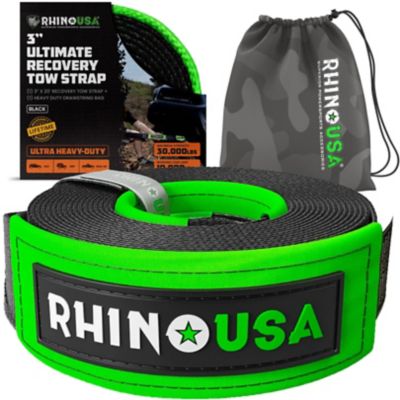
Care and storage have a direct effect on how a towing strap holds up between jobs. Webbing that spends its downtime loose on a truck floor can collect grit, rub against tools, or come into contact with oil and other chemicals. A clean storage bag or compartment keeps the strap separated from cutting edges and makes its identification label easier to find before the next job. After use, cleaning should follow the manufacturer’s directions, with attention to dirt trapped in the weave and around sewn eyes. Letting the strap dry fully before packing it away helps prevent trapped moisture from becoming part of the storage routine. Strong cleaners, solvents, and direct heat can harm synthetic fibers, even when the damage is not obvious at a glance. Routine inspection includes the full length of the webbing, both edges, stitching, protective sections, and any attached hardware. Cuts, melted or glazed patches, significant abrasion, broken stitches, chemical damage, and bent or cracked fittings are reasons to take the equipment out of service according to its manufacturer’s criteria. A missing or unreadable rating label also leaves essential information unavailable. Knots, home repairs, and makeshift extensions do not restore a damaged strap or establish a safe capacity. Keeping towing equipment separate from cargo securement gear also helps prevent mix-ups when a busy workday has tools, feed, and fencing supplies sharing the truck bed. For securing cargo rather than connecting vehicles,
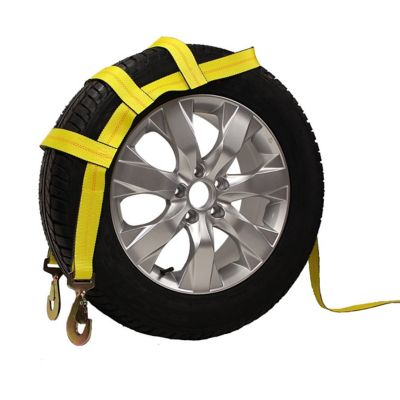
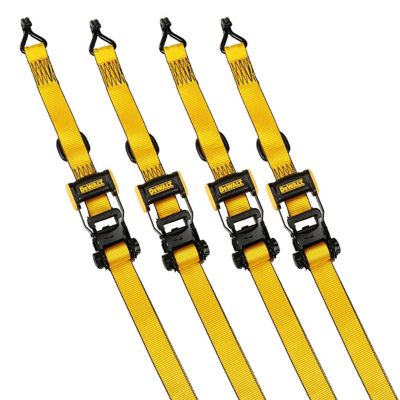
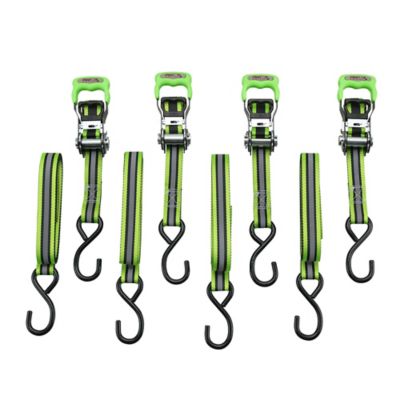
truck tie down straps serve a different purpose, with tensioning hardware and ratings intended for load securement. A towing strap does not replace that equipment, just as a cargo strap does not become a vehicle recovery strap because it has webbing and hooks. Clear labels, compatible connections, and a sensible storage spot make the equipment easier to assess before a job starts. Whether the task involves a ranch pickup or another vehicle approved for strap towing, the right match starts with the intended pulling method and ends with equipment that remains fit for that purpose.