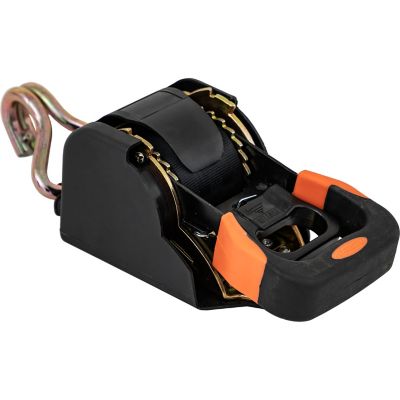
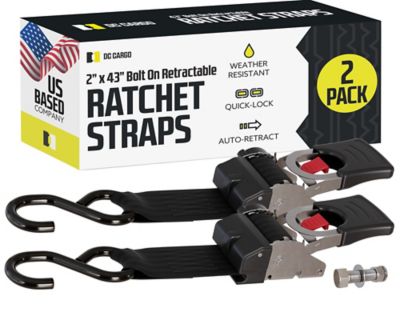
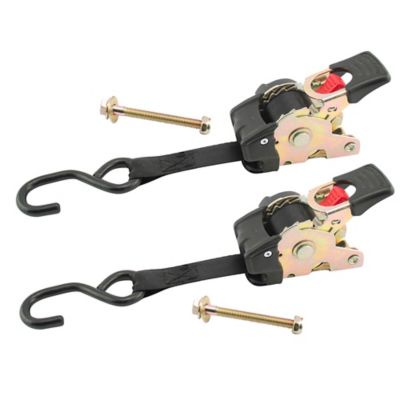
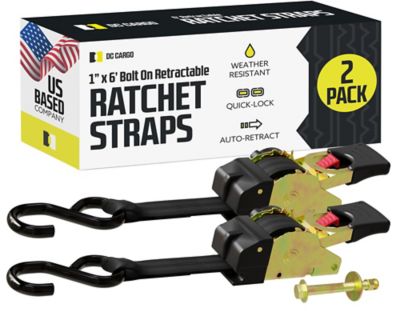
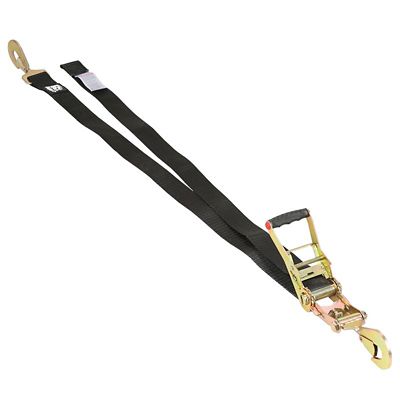
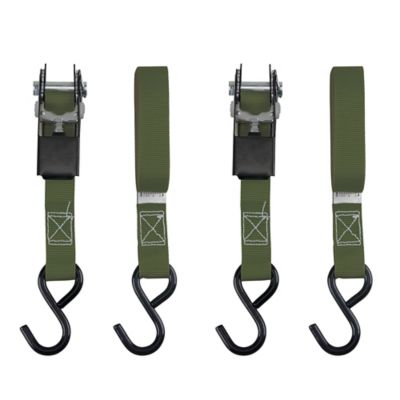
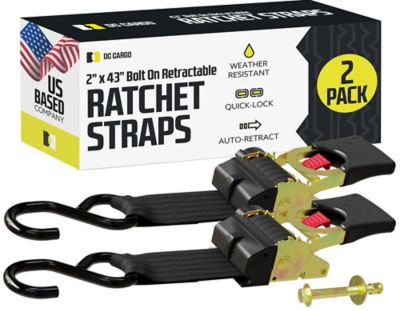
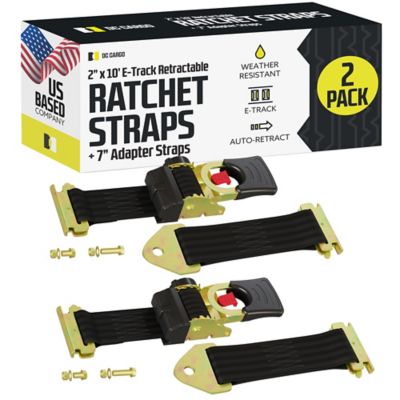
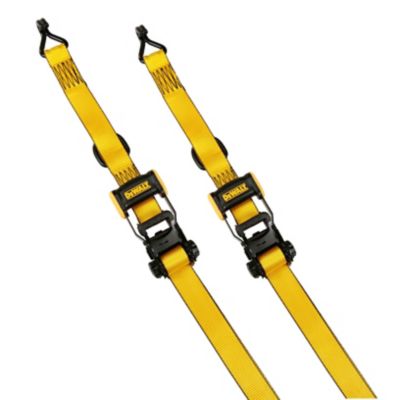
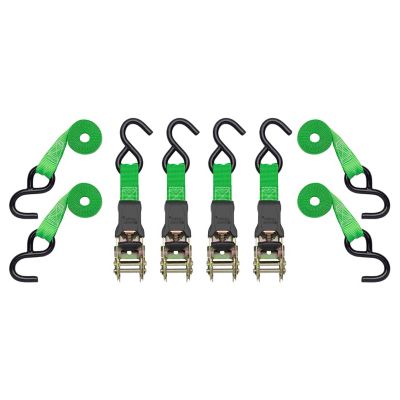
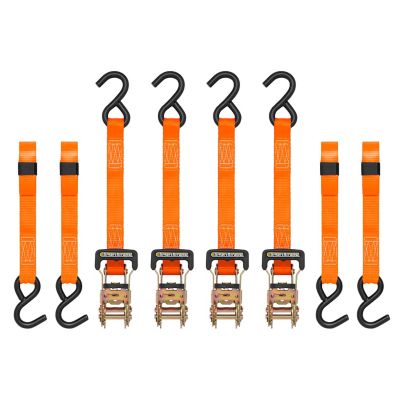
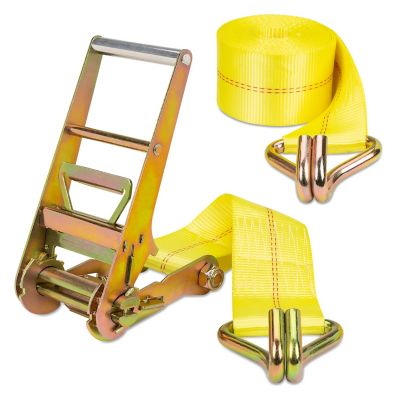
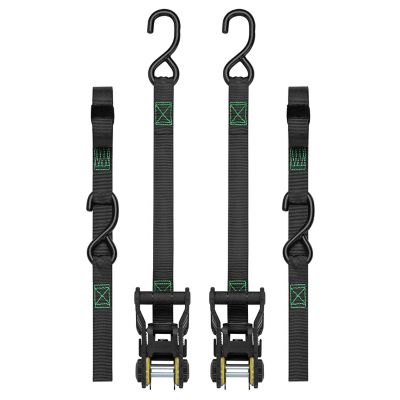
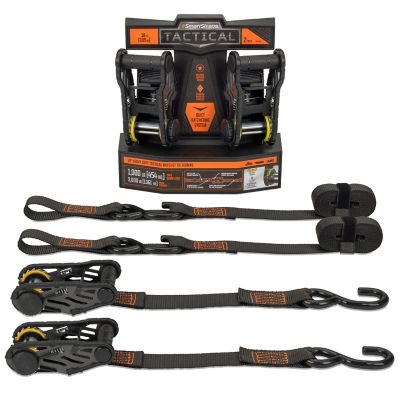
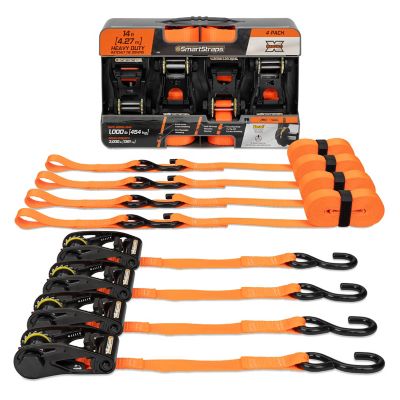
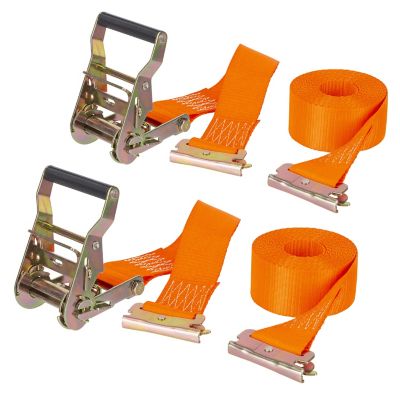
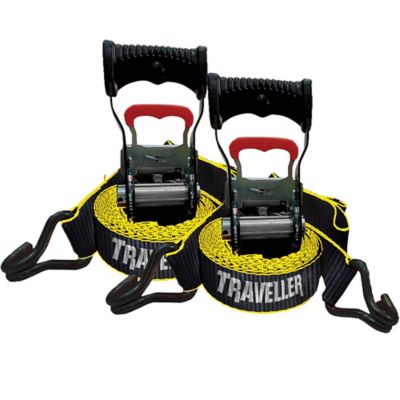
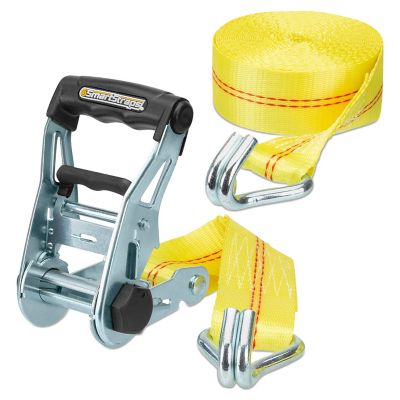
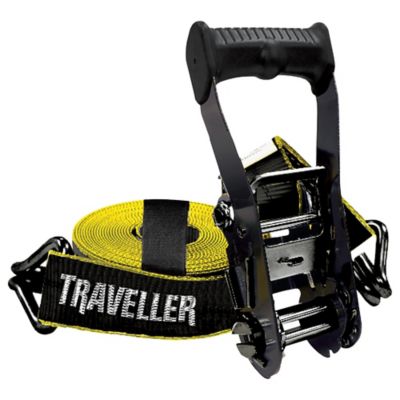
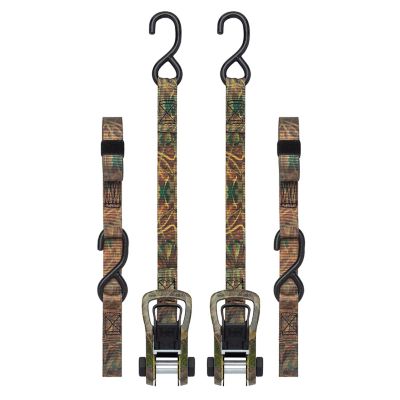
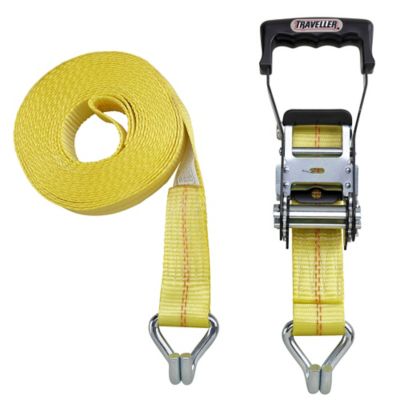
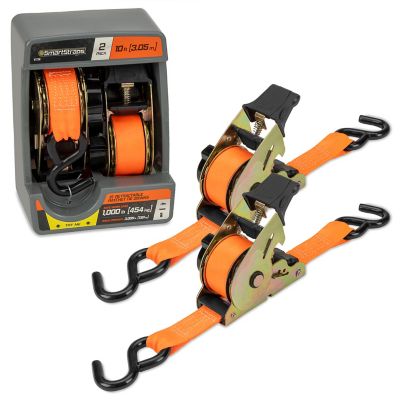
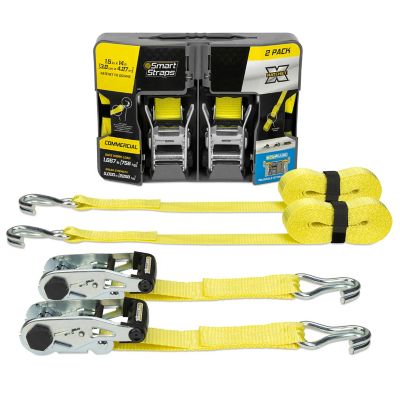
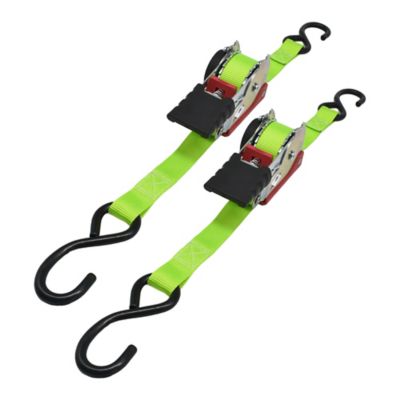
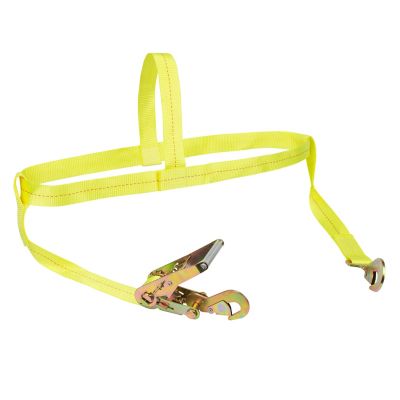
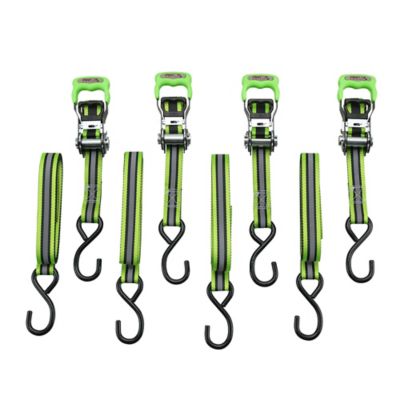
Bolt-on ratchet tie-down straps are cargo restraints with a ratcheting mechanism that attaches to a suitable truck, trailer, or other approved mounting surface with mounting hardware. Unlike loose straps that travel in a toolbox or behind the seat, these tie-downs stay attached at their mounting points, keeping the tensioning mechanism close to the job. Retractable versions store the webbing on a spring-loaded spool, taking up slack and drawing the strap back into its housing when released according to the manufacturer’s directions. The retracting feature manages the webbing; the ratchet provides the tension that holds cargo in place. That combination makes sense for repeat hauling jobs, whether that means securing a mower on a utility trailer, hauling equipment between properties, or fastening a boat’s transom to a compatible trailer. A permanent mounting location can make loading less of a scramble, especially when daylight is short and there are still chores waiting at home. There is less loose webbing to gather, and the strap starts from the same spot each time. Not every bolt-on design retracts, though, and mounting arrangements, release controls, hook styles, and strap lengths vary. Some assemblies attach through a single mounting hole, while others need a bracket or a different hardware arrangement. The right fit depends on the mounting surface, the direction of pull, and the space needed to operate the handle without bumping a fender, tailgate, or trailer rail. Farmers, grounds crews, boat owners, and folks moving equipment around an acreage may appreciate that repeatable setup. The benefit is greatest when the cargo and trailer layout stay fairly consistent from one trip to the next. For changing loads, placement takes more thought because a fixed ratchet cannot simply move to another corner. Bolt-on tie-downs are one part of a cargo securement system, so their usefulness depends as much on suitable anchor points and proper load placement as it does on the strap itself.
Materials and construction matter when straps spend their working days around gravel, mud, wet grass, and road spray. Polyester webbing is common in cargo tie-downs because it offers relatively low stretch and suits many outdoor hauling applications, though the material and its care requirements should always be confirmed in the product specifications. Metal ratchet frames, mounting brackets, gears, and hooks carry the tension through the assembly. Plated or coated finishes help resist corrosion, but those surfaces still need attention after exposure to moisture or road salt. Hook coatings can help limit scuffs where the hook contacts a suitable attachment point; they do not make every painted edge or lightweight rail a safe anchor. Hook shape also affects fit. An open hook, a hook with a keeper, and a closed attachment arrangement have different clearance needs, and each must seat properly without loading its tip or pressing against the release mechanism. Strap width and usable length are practical considerations rather than shortcuts for judging strength. A wider strap is not automatically the right match, and a longer strap still has to work within the assembly’s specified operating range. The working load limit is the rating to compare with the demands of the securement arrangement, not the higher breaking-strength figure. Breaking strength describes a failure threshold, not a permissible everyday load. Cargo weight, the number of restraints, their angles, and applicable hauling requirements all affect the setup. The mounting structure and attachment hardware must also support the intended forces; a strong strap cannot make thin sheet metal into a suitable anchor. For a trailer that carries different equipment throughout the season,
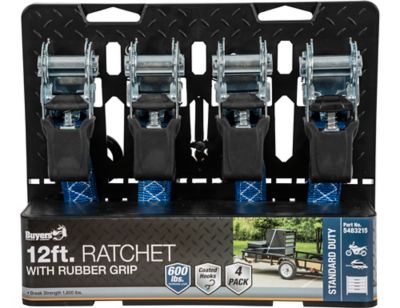
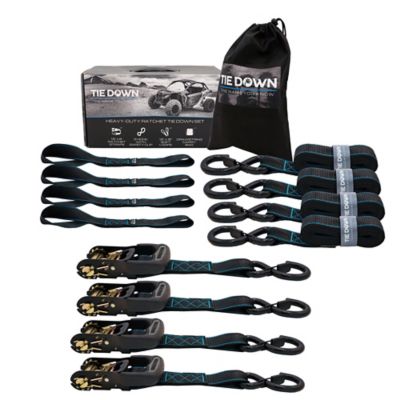
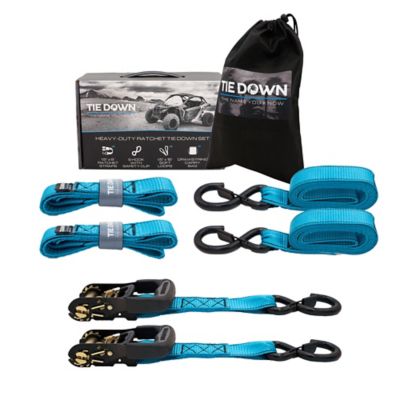
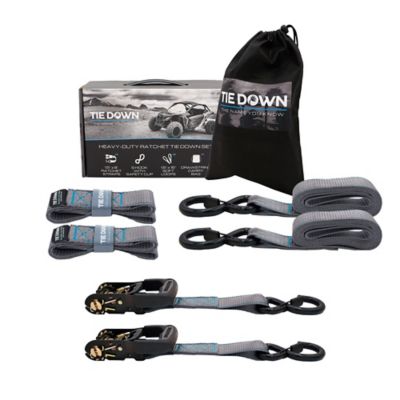
Heavy Duty Ratchet Straps offer another category to consider when comparing attachment styles and load ratings. Permanent-mount assemblies favor consistent attachment locations, while separate straps may offer more flexibility across changing anchor positions. Either way, matching the entire system matters more than choosing by appearance or webbing width alone. Clear rating labels and accessible controls make that comparison easier, especially when gloves, tight clearances, or awkward reaches are part of the work.
Fit becomes especially clear in everyday hauling situations. On a mower trailer, a ratchet mounted where the handle clears the deck and the webbing runs to an approved equipment tie-down point is more practical than one tucked behind a wheel where it is hard to reach. On a boat trailer, transom tie-downs need a suitable path between the boat’s designated eyes and the trailer mounts, without rubbing sharp brackets or interfering with lights. A strap running over a rough steel corner can wear even when the rest of the assembly looks sound, so compatible edge protection and a clear webbing path matter. Bolted mounting should follow the tie-down and vehicle or trailer manufacturers’ requirements, including hardware size, reinforcement where specified, and clearance from wiring, fuel lines, and moving parts. Once installed, the assembly still needs routine attention. Before a trip, webbing should be checked for cuts, fraying, melted fibers, heavy abrasion, and damaged stitching, while hooks, brackets, fasteners, and ratchet parts should be checked for bending, cracks, looseness, or corrosion. A strap with damage that affects its function or strength needs replacement rather than another notch of tension. Mud and grit can collect around a spool or release lever, making cleaning especially worthwhile after a wet day in the field. Manufacturer-approved cleaning methods, drying before storage when practical, and lubrication only where specified help keep the mechanism working as intended. During the cooler months, road spray and freezing moisture deserve extra attention, particularly on assemblies mounted low on a trailer frame. Retractable housings tidy up the webbing but do not eliminate inspection or care. Cargo can settle after departure, so tension and attachments warrant another check at a safe stopping place and periodically along the route. Ratchet tie-downs are intended for securing cargo, not lifting it or recovering a stuck vehicle. For regular hauling, a properly matched bolt-on setup keeps an essential piece of gear close at hand, ready for the next load without a pile of tangled straps on the trailer floor.