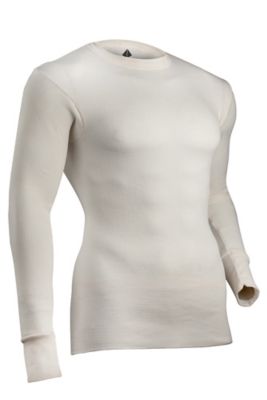
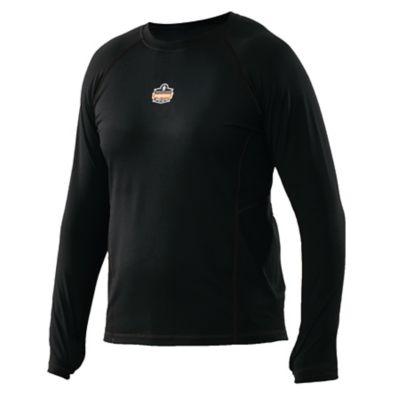
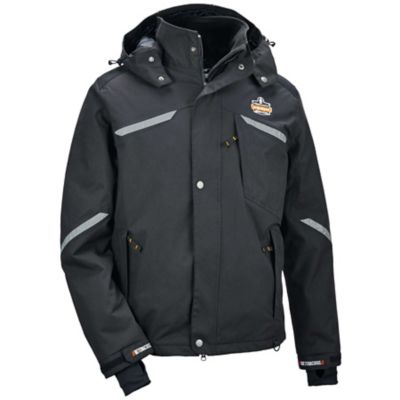
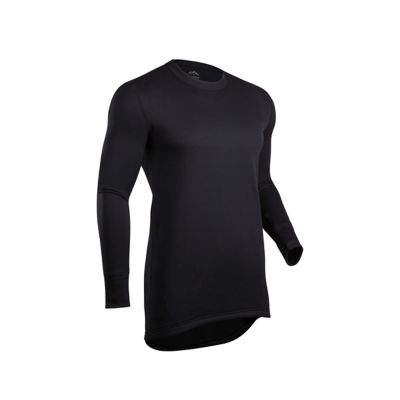
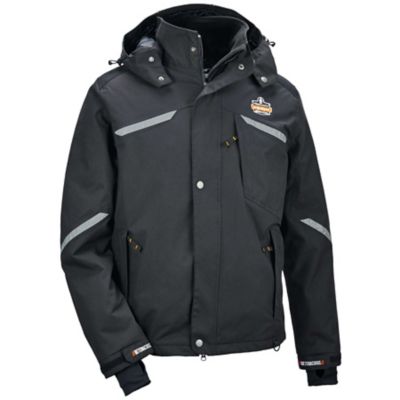
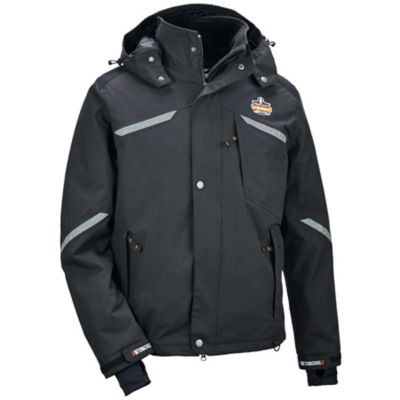
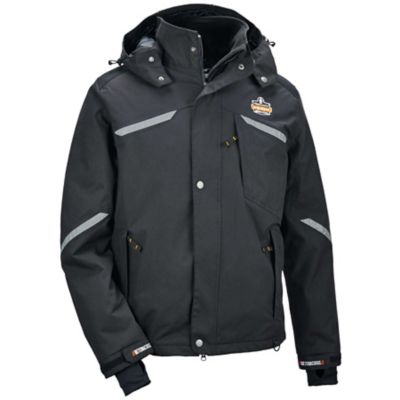
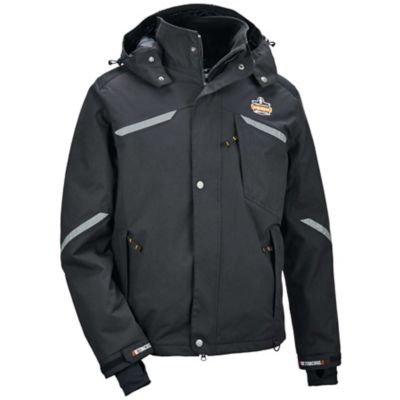
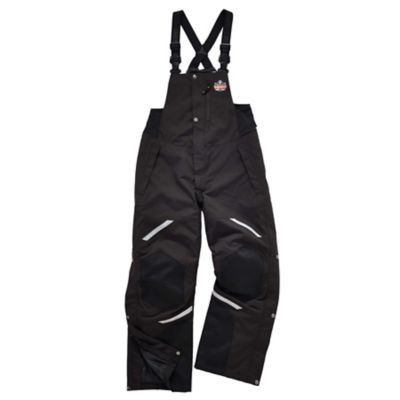
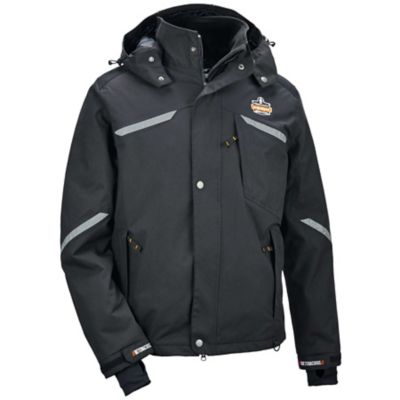
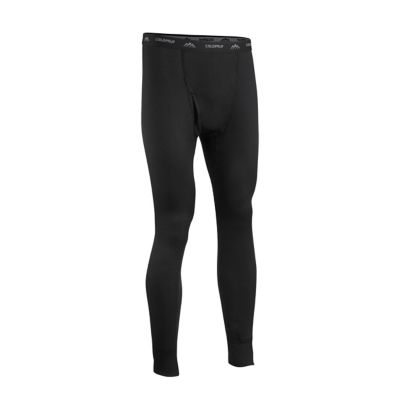
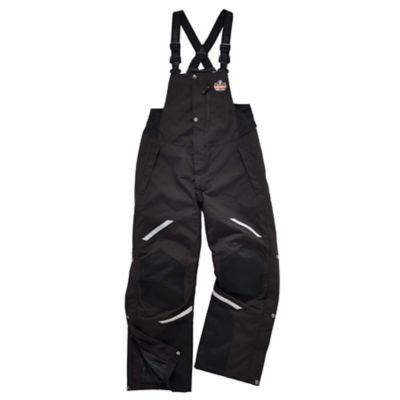
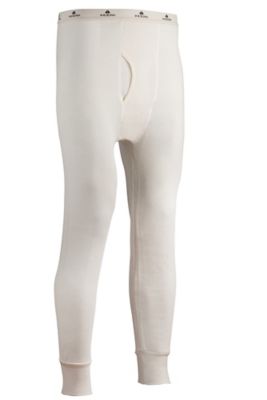
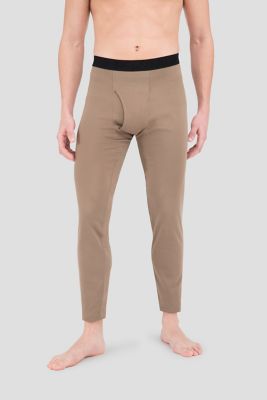
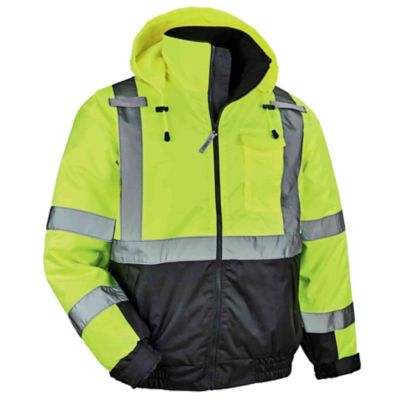
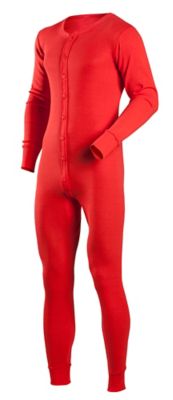
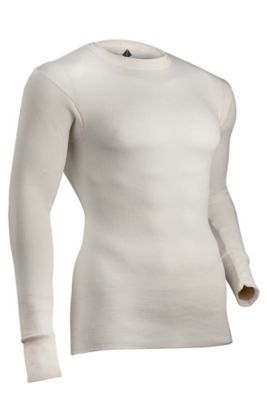
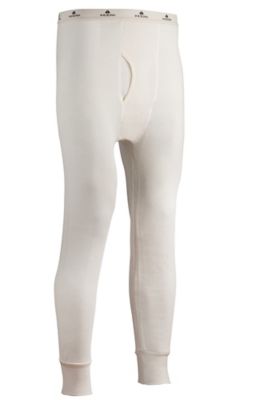
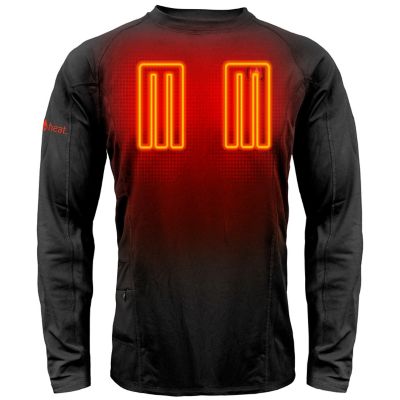
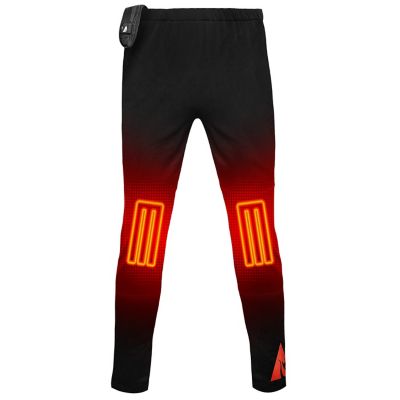
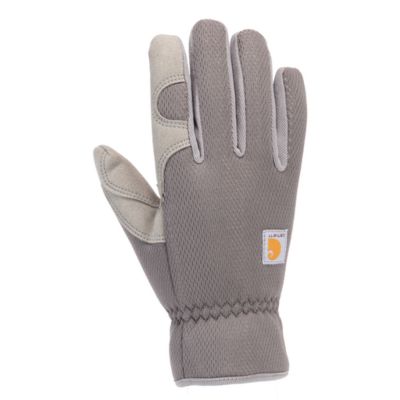
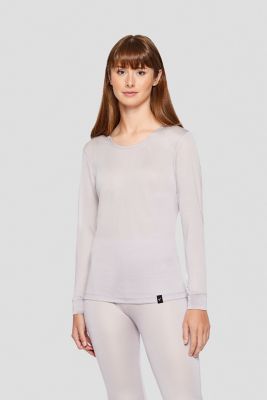
Thermal gear is cold-weather clothing that helps hold body heat close to the skin, often serving as the first layer beneath everyday work clothes or outerwear. Thermal base layers trap insulating air, while moisture-wicking fabrics help move sweat away from the skin so it can spread out and evaporate. That combination matters when a morning starts with carrying feed buckets and ends with standing beside a gate waiting on livestock. Staying warm takes more than thick fabric; it also takes clothing that suits the pace of the work. Polyester and polypropylene are common choices for lightweight layers because they absorb little moisture and tend to dry quickly. Merino wool provides insulation, manages moisture and can resist odors between washes, though its feel and care needs vary by construction. Blends bring different fibers together, sometimes with stretch for easier movement through the shoulders, knees and waist. Cotton thermals can feel soft and comfortable for dry, low-exertion wear, but cotton holds moisture longer than many performance fibers, making it less suited to sweaty work followed by long stretches in the cold. Waffle-knit fabric creates small pockets of air, while brushed interiors add a soft surface against the skin. Smooth, lightweight knits fit easily beneath other clothing without adding much thickness. Fabric weight also plays a part: lighter layers generally suit active work, while heavier constructions may offer more insulation for slower tasks. Weight alone does not tell the whole story, though. Fiber content, knit structure, fit and the clothing worn over a thermal layer all affect comfort. An open pasture with a steady wind calls for different outer protection than a sheltered workshop, even at the same temperature. Thermal clothing helps retain warmth, but it does not automatically block wind or shed rain. Those jobs usually belong to an appropriate outer layer, with enough room underneath for insulating air and easy movement.
Fit makes a noticeable difference once the chores get going. A thermal base layer generally works best close to the body without squeezing, bunching or pulling across the back. Fabric that stays near the skin can manage moisture more effectively than a loose layer hanging away from it, but tightness is not the goal. There should still be room to bend over a water trough, climb into a truck or reach overhead without the hem riding up. Stretch panels, shaped knees, underarm gussets and low-profile seams can make repeated movement more comfortable, depending on the garment. A longer shirt hem helps maintain coverage at the waist, while cuffs that sit neatly beneath gloves reduce gaps at the wrists. Thermal bottoms need to fit comfortably beneath pants without crowding the waistband or collecting behind the knees. The same principle applies inside footwear: extra thickness can work against warmth if it makes boots too tight or compresses the insulating fabric. For another layer over a fitted thermal shirt,
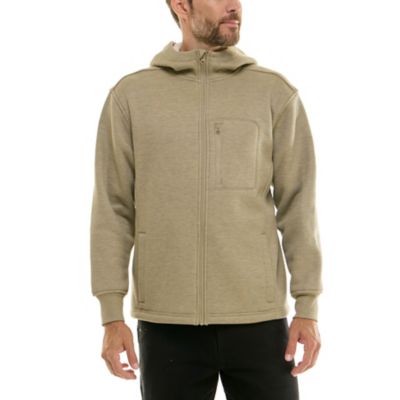
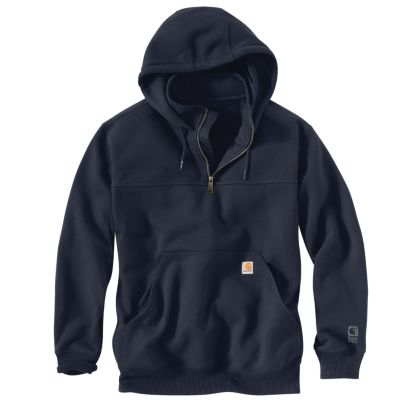
Thermal Hoodies can provide added coverage through the torso, neck and head, with roomier constructions suited to layering. A hood should sit comfortably beneath or around other headwear without interfering with vision or movement, and loose cords need particular attention around moving equipment. Layering also makes it easier to match changing effort levels throughout a workday. Someone stacking hay may build heat quickly, while someone sitting on a tractor or watching a fence line may need more insulation. Breathable layers and accessible closures make adjustments easier before sweat builds up. A thermal shirt beneath a breathable middle layer and a wind-resistant shell offers a different balance than several heavy layers packed tightly together. Comfort comes from the whole setup working together, not simply from wearing the thickest clothing. Enough room to move, steady coverage and a practical way to release excess heat matter just as much as how warm a garment feels when first pulled on.
Thermal clothing earns its place through repeated wear, so fabric construction and care deserve a close look. Reinforced seams, neatly finished edges and cuffs that recover their shape can help clothing hold up to regular dressing, washing and movement. High-friction areas, including elbows, knees and the seat, often show wear first, especially beneath stiff workwear or straps. A smooth base layer may slide more easily under outer clothing, while a softer brushed surface may feel better during quieter stretches indoors. Care requirements vary enough that the garment label should set the routine. Some synthetic layers tolerate machine washing and low dryer heat, while wool may need a gentler cycle, a wool-suitable detergent or flat drying. High heat can affect stretch fibers and shrink certain fabrics. Fabric softeners can also interfere with moisture management in some performance materials, so care directions matter more than a one-routine-fits-all approach. Letting damp clothing dry fully between wears helps keep it comfortable, and storing it clean and dry protects it between cold-weather outings. Keeping a dry change nearby can make a real difference after strenuous work, particularly before a long, less-active stretch outdoors. Thermal gear suits plenty of people beyond those handling daily farm chores: hunters waiting quietly, anglers along a cold bank, hikers covering uneven ground and folks tending backyard animals all have reasons to want comfortable layers. It can also make a practical gift for someone who spends time outside, provided the size, fabric feel and intended activity match the person. Someone who runs warm while working may appreciate lighter, quick-drying layers, while a person who spends more time standing still may prefer additional insulation. Necklines, waistband feel and sensitivity to wool are worth considering, too, since clothing worn against the skin needs to feel right for hours at a time. The most useful thermal gear fits into the wearer’s regular routine, leaving enough freedom to carry, climb, kneel and get the day’s work done without constant tugging or adjusting.