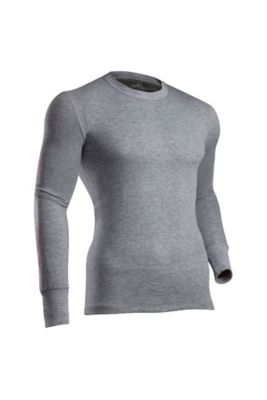
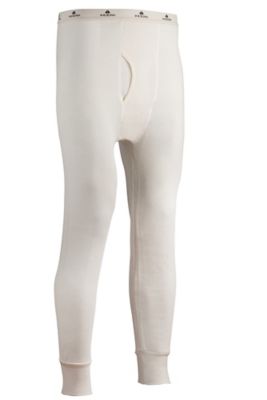
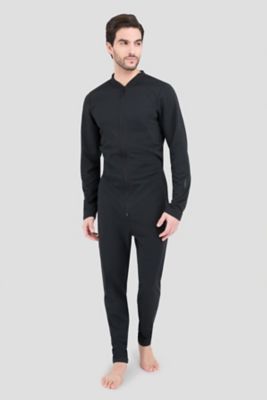
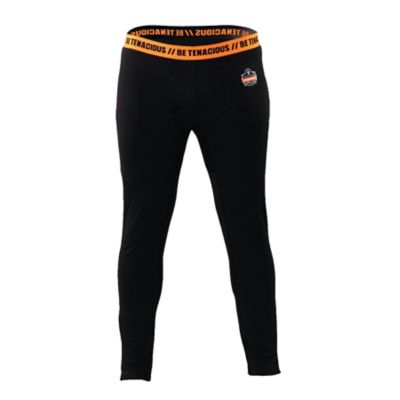
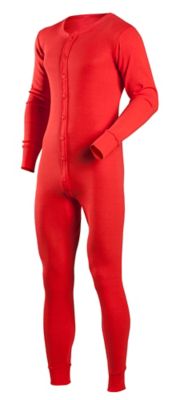
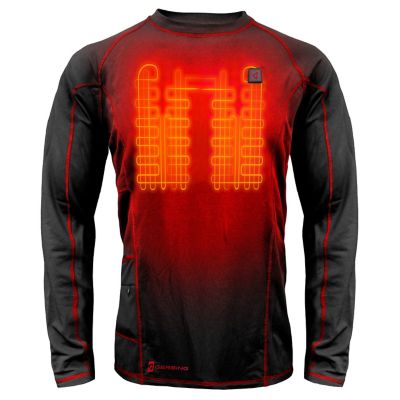
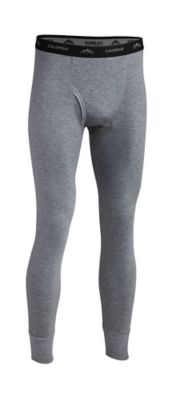
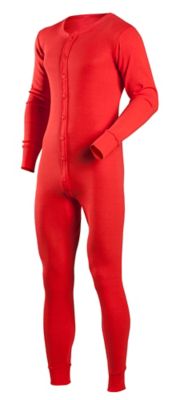
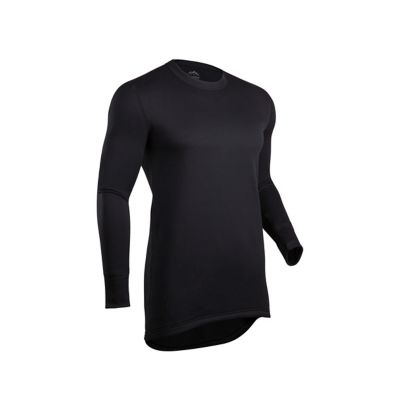
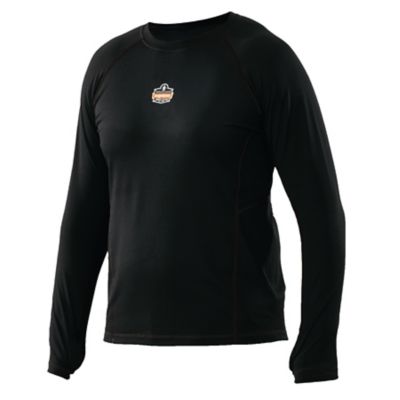
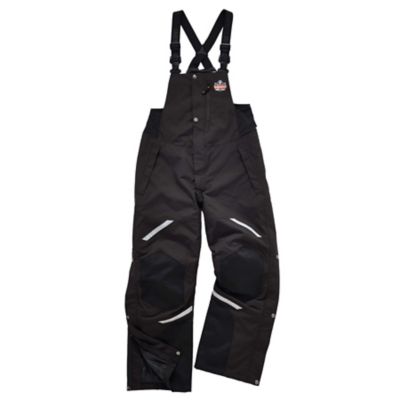
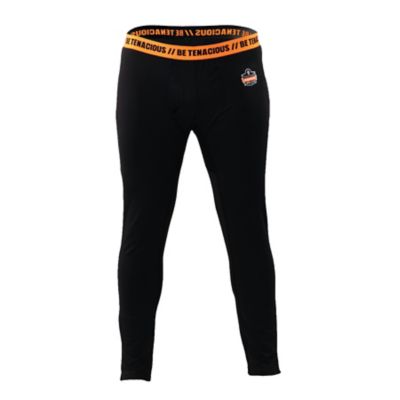
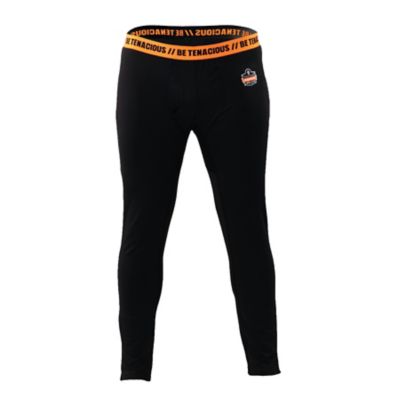
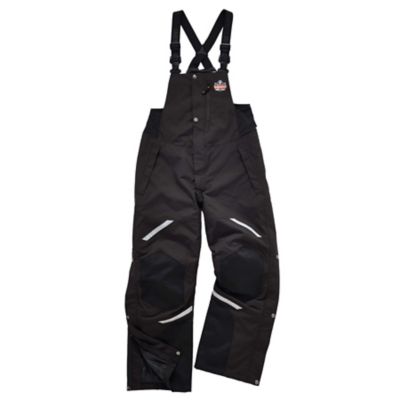
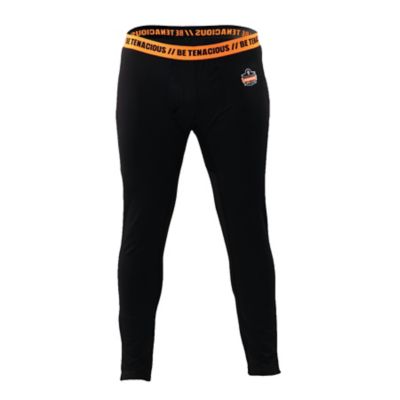
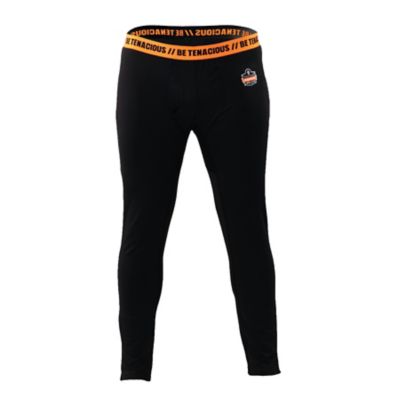
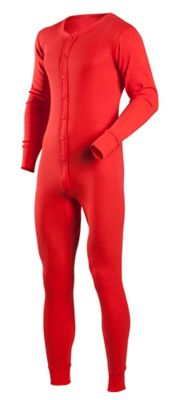
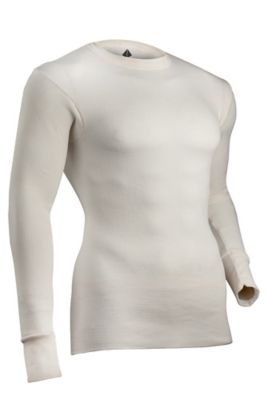
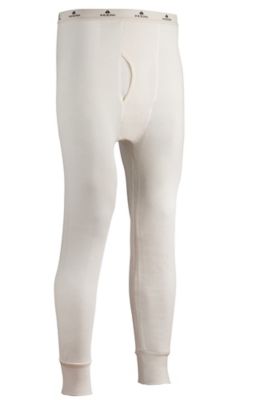
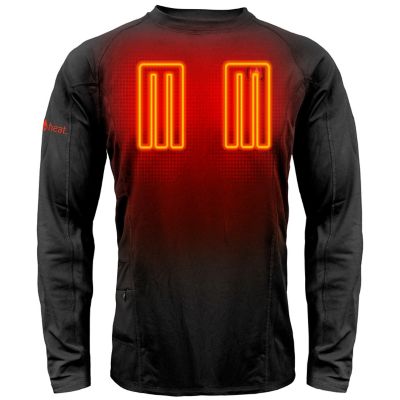
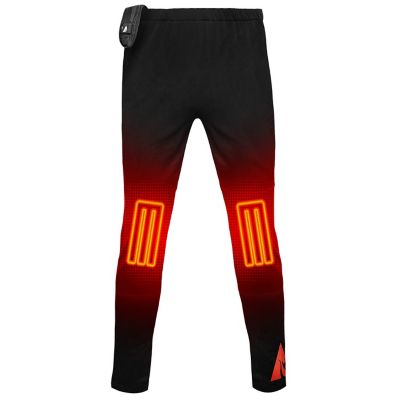
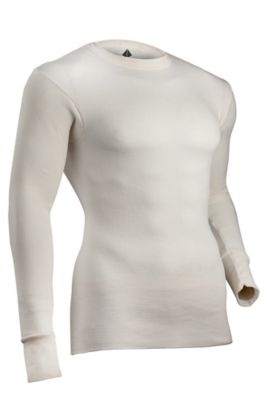
Thermal underwear for cold weather gives you a comfortable first layer between your skin and the elements, helping hold in body heat while moving moisture away from your body. It can make a long day outside feel a whole lot more manageable, whether you are feeding livestock before sunrise, checking fences in a sharp wind, clearing a frosty windshield, hunting, fishing, working on equipment, or cheering from the sidelines. Thermal underwear usually includes a close-fitting top, bottoms, or a matching set designed to fit beneath work clothes, jeans, snow pants, or other outer layers without adding a lot of bulk. The best choice depends on how cold it is, how hard you will be working, and how long you expect to stay outdoors. Lightweight thermal underwear, often around 130 to 150 grams per square meter (gsm), works well for cool weather, active jobs, running, hiking, and layering under everyday clothing. Midweight options in the 150 to 250 gsm range offer a useful balance for regular winter wear, moderate outdoor work, and changing conditions. Heavyweight styles of 250 gsm or more provide extra insulation for freezing temperatures and lower-activity tasks, such as ice fishing, watching a game, standing in a tree stand, or spending hours in an unheated shop. If your day includes a steady amount of movement, a lighter layer that breathes and dries quickly may keep you more comfortable than the thickest option. For quiet, extended time outside, added weight and warmth can be especially helpful.
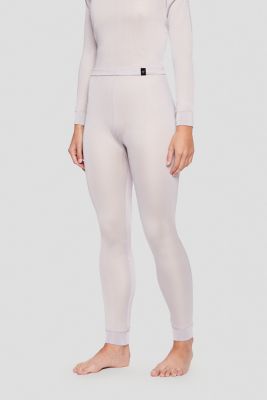
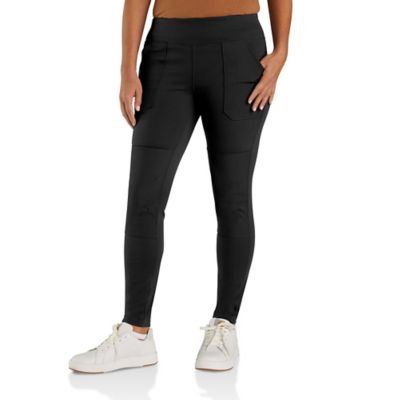
Fabric makes a noticeable difference in how thermal underwear feels and performs. Merino wool is soft, breathable, and naturally helps control odors, making it a dependable choice for long days when changing layers is not convenient. It can also help keep you warm if it becomes slightly damp. Synthetic fabrics such as polyester, often blended with spandex or elastane, are known for wicking sweat away from the skin and drying quickly. They are a practical choice for active work, exercise, travel, and chores that leave you moving steadily. Cotton blends may feel familiar and comfortable for casual indoor wear or low-activity use, but cotton tends to hold moisture, which can leave you feeling chilled once you step back outside. Blended fabrics can combine useful qualities, so check the material details and think about the conditions you normally face. A thermal layer should fit snugly enough to sit close to your skin and help trap warmth, but it should not pinch, bunch, or restrict your movement. Look for stretch through the torso, seat, knees, and elbows, especially if you will climb, bend, kneel, drive, or handle tools. Flat seams or flatlock stitching can help reduce rubbing and raw spots around the shoulders, waistband, and inner legs. A longer shirt tail and a secure waistband help keep cold air from slipping in when you reach overhead or crouch down. Cuffs that stay in place make it easier to pull on socks, boots, jackets, and gloves without wrestling with loose fabric. For women building a cold-weather outfit, thermal bottoms can also be worn beneath work pants or paired with
Womens Cold Weather Leggings for a smooth, flexible base during outdoor chores and everyday errands.
Think of thermal underwear as part of a complete layering system rather than a substitute for a coat. Start with a base layer that manages moisture, add an insulating middle layer when temperatures call for it, and finish with an outer layer that blocks wind, rain, or snow. Try not to wear a base layer so tight that it compresses every other layer, and avoid piling on so much clothing that you sweat early in the day. Sweat that stays against your skin can make you colder later, particularly when the wind picks up or you stop moving. For outdoor work, choose a top with enough length to stay tucked in and bottoms that do not slide down when you bend or lift. When buying for someone else, thermal underwear can be a thoughtful and useful gift for a ranch hand, hunter, angler, camper, delivery driver, student, traveler, or anyone who spends time outdoors during the cooler months. Pay close attention to sizing, preferred warmth level, and whether the recipient usually stays active or spends long stretches standing still. Easy-care fabrics are handy for everyday wear, while wool may need more careful washing according to the care label. Wash thermal layers as directed, avoid harsh treatment that can damage stretch fibers, and let them dry completely before storing them. Keeping the fabric clean, dry, and free of heavy buildup helps preserve its ability to breathe and wick moisture. A well-chosen thermal layer can disappear beneath your regular clothes while making a real difference: less shivering at the gate, warmer hands during an early chore, and more time spent outdoors without feeling beaten down by the cold.