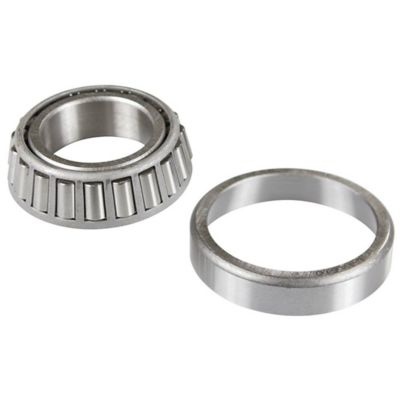
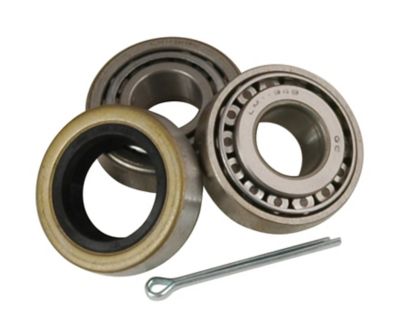
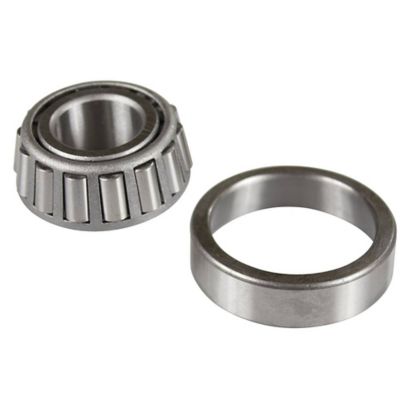
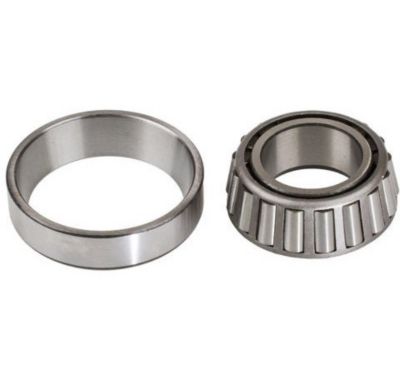
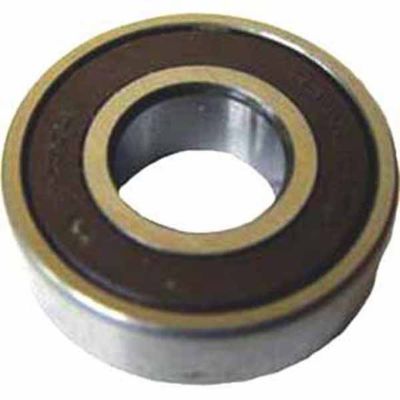
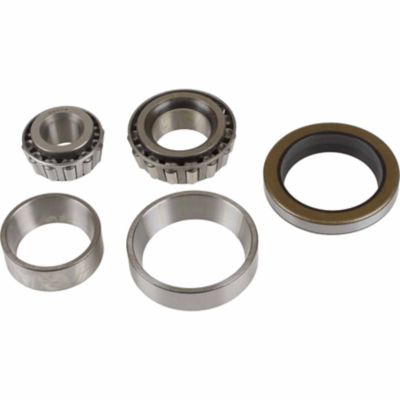
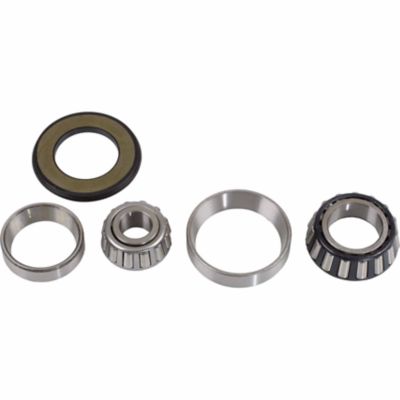
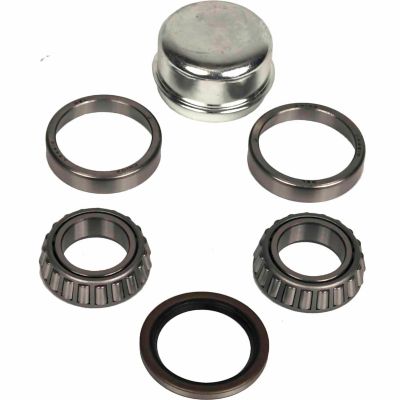
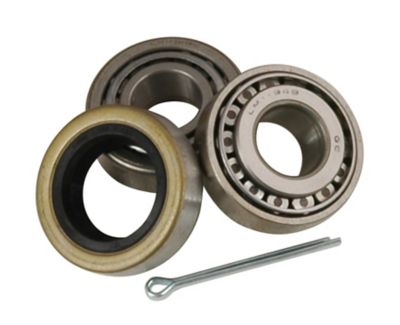
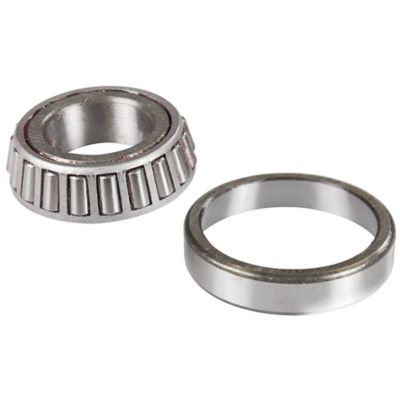
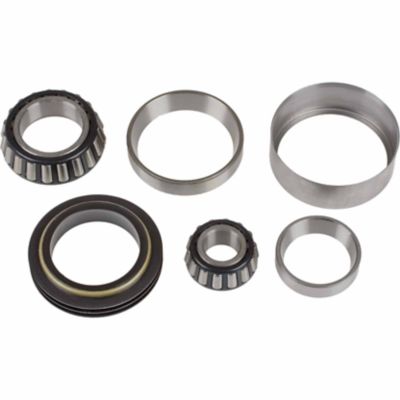
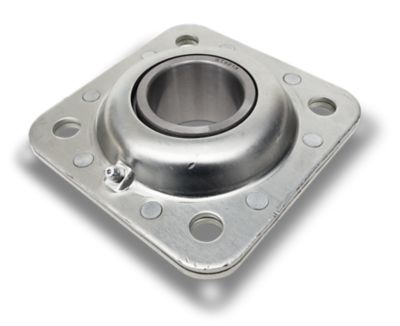
Taper roller bearings are built for jobs where equipment has to handle more than one kind of force at a time. Their angled rollers and matching raceways support heavy radial loads—the force pushing down or outward from a shaft—along with axial, or thrust, loads that act lengthwise along the shaft. That combination makes them a dependable choice for wheel hubs, trailer axles, gearboxes, conveyors, construction equipment, agricultural machinery and other hard-working systems. Unlike a plain bushing, a tapered roller bearing uses rolling elements to help reduce friction between moving parts. The rollers are shaped like short cones, and their angled surfaces follow the bearing’s inner and outer raceways. The cone, which includes the inner ring, rollers and cage, fits inside the cup, or outer ring. Because the cup and cone are separate pieces, the bearing can often be inspected, cleaned, packed with lubricant and installed with less fuss than a sealed, one-piece assembly. The tapered surfaces are designed so their paths converge toward a common point on the bearing axis, helping the rollers track smoothly as the shaft turns. This design also allows the bearing to carry substantial loads while keeping the rotating assembly supported and aligned. A single-row tapered roller bearing generally handles thrust in one direction, so many applications use two bearings facing opposite directions or a matched, multi-row setup when loads can come from both sides. When browsing tapered roller bearings, start with the bearing number, dimensions and equipment application rather than choosing by appearance alone. The inside diameter must fit the shaft, the outside diameter must match the housing or hub, and the bearing width must provide the correct clearance for the assembly. Even a small difference can affect preload, rotation and service life. Check the cup and cone as a set unless the equipment documentation specifically allows a replacement component. Matching parts are machined to work together, and mixing pieces from different sizes or series can lead to poor fit, excess heat or premature wear.
The best bearing for a repair depends on the work being done, the load being carried and the conditions around the machine. A compact bearing in a light-duty axle has different needs than one supporting a loaded trailer, a feed mixer or a piece of earthmoving equipment. Consider the expected radial and thrust loads, shaft speed, available space, operating temperature and exposure to water, dust, mud or crop residue. Bearings used around gravel drives, livestock areas and open fields may encounter fine grit that works its way past a damaged seal or worn grease cap. In those settings, clean installation and proper protection matter just as much as the bearing itself. Look for the correct clearance, seal or shield arrangement when the application calls for it, and confirm whether the bearing is intended for grease or oil lubrication. Many tapered roller bearings are designed to be packed with grease during installation, while some enclosed systems use a specified oil. Too little lubricant can leave metal surfaces rubbing together, but too much can create heat and drag. Use the lubricant recommended for the equipment, keep new grease and replacement parts clean, and avoid setting a bearing down where dirt or metal shavings can collect. During a hub or axle repair, inspect the shaft, housing, seal, spacer and retaining hardware before installing a new bearing. A shiny line, blue discoloration, rough raceway, loose fit or pitted surface may point to a larger problem that a new bearing alone will not solve. The separable cup and cone make inspection straightforward: roll the bearing by hand and watch for gritty movement, catches or unusual play, then examine the raceways under good light. Installation also deserves care. Press on the correct ring when seating a bearing, keep the rollers square to the raceway and follow the equipment maker’s instructions for preload or endplay. Over-tightening can make the bearing run hot, while too much looseness can allow wobble and uneven wear. A clean workbench, the right driver or press and a few extra minutes can save a long walk back from the barn or a second teardown in the shop.
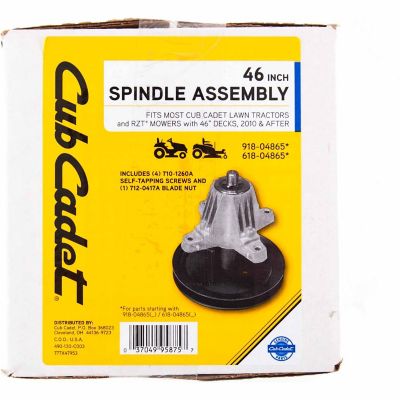
These bearings are useful to keep on hand for routine maintenance, especially for people who repair trailers, farm implements, utility carts, lawn and garden equipment, small machinery or work vehicles. They can also make a practical addition to a parts cabinet for a do-it-yourself mechanic, a small-farm owner or anyone who prefers to handle repairs before a breakdown stops a project. During the cooler months, equipment often spends more time in the shop or shed, making it a natural opportunity to inspect wheel hubs, rollers and rotating assemblies before heavier work resumes as the weather warms. A bearing that feels smooth when cold may still show damage once grease thins and the machine is under load, so regular checks are worthwhile on equipment that travels rough ground or carries heavy materials. For mowing equipment, selecting a bearing by the mower’s exact model and the dimensions of the original part helps avoid a frustrating mismatch; related replacement options can be found with
Lawn Mower Bearings. Keep records of the bearing number, shaft size and equipment model after a successful repair, since that information can make the next parts search much easier. Store unused bearings in their original packaging in a dry place, away from welding dust, moisture and sudden temperature swings. Before putting a repaired machine back to work, turn the shaft by hand, verify that retaining hardware is secure and watch for heat, noise or vibration during the first operating period. A properly matched taper roller bearing may not be the most noticeable part of a trailer, tractor attachment or shop machine, but it quietly carries the load every time a wheel rolls, a shaft turns or a gearbox goes to work.