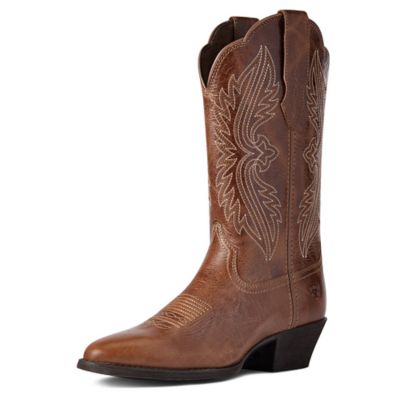
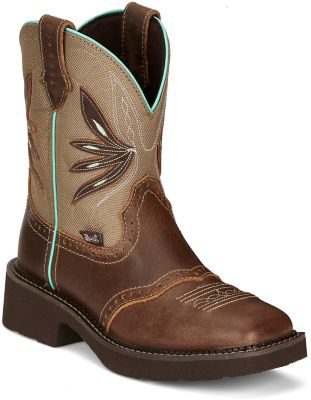
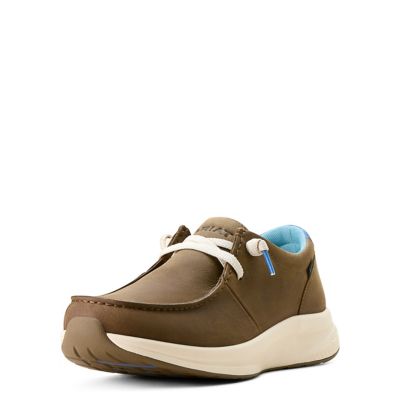
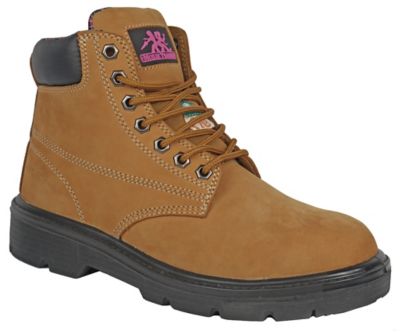
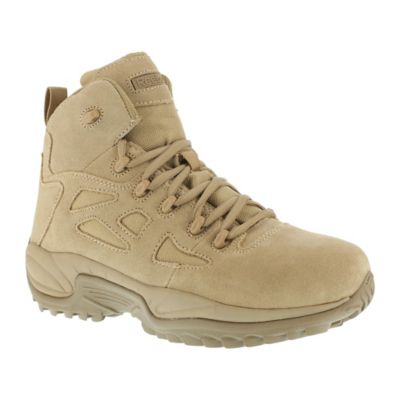
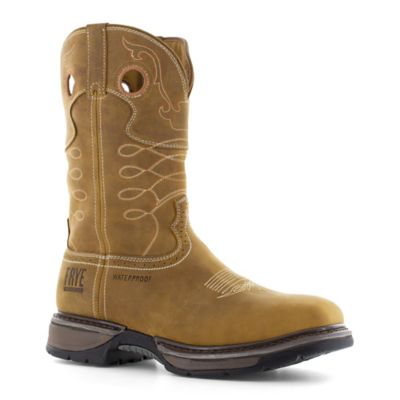
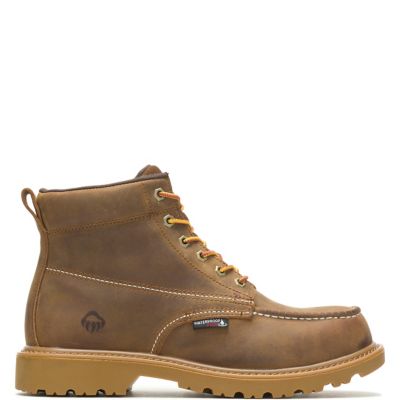
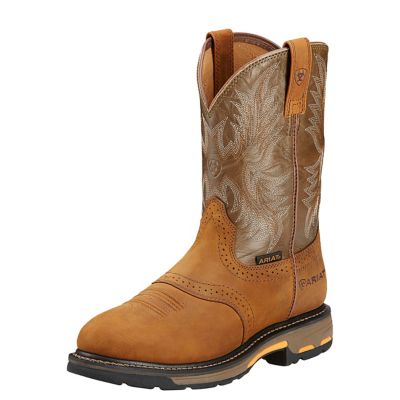
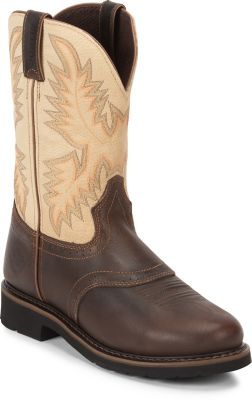
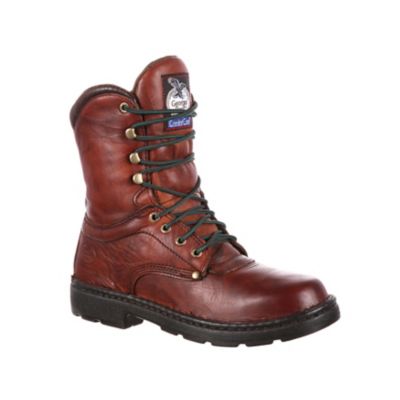
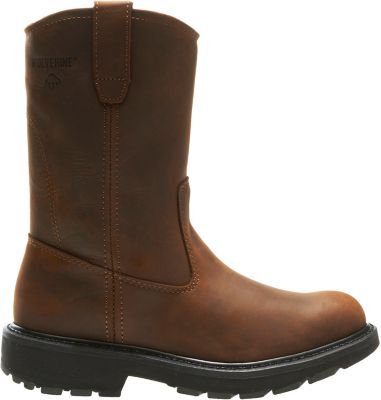
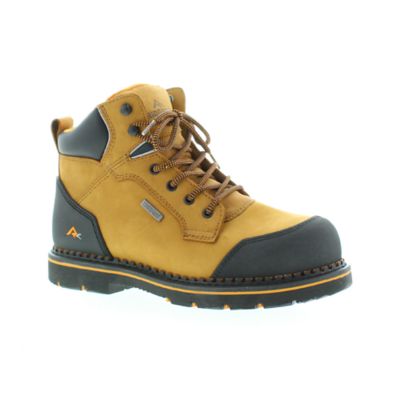
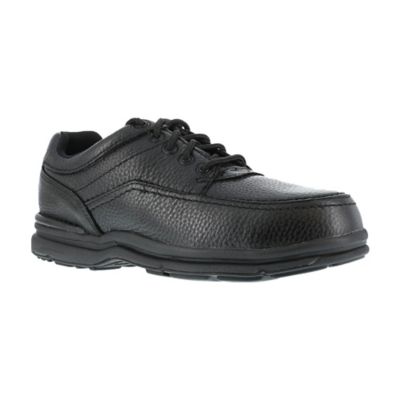
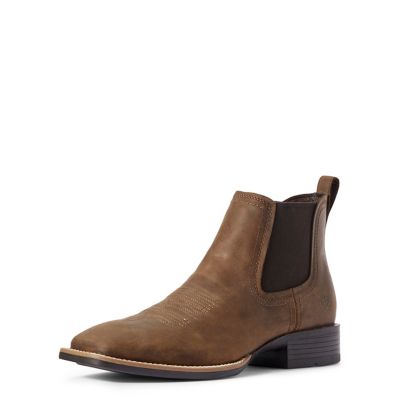
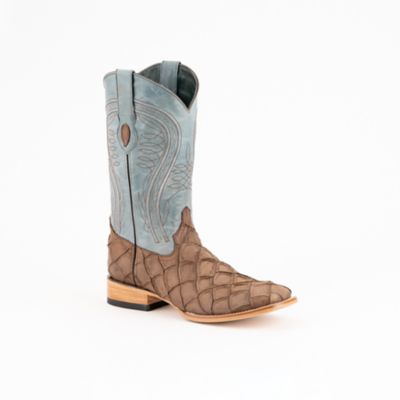
Tan shoes are neutral-colored footwear that ranges from pale sand and beige to deeper camel and light brown. Their earthy color works with denim, khakis, navy pants, and everyday work clothes, making them an easy match for casual outfits and some business-casual settings. The shape and material do much of the work in deciding how dressy a pair looks. Smooth leather lace-ups and loafers generally have a more polished appearance, while canvas sneakers, suede slip-ons, and boat shoes lean casual. A simple upper with subtle stitching can move comfortably from the feed store to a family dinner without looking out of place. More pronounced tread, padded collars, and athletic shapes give tan footwear a practical, ready-to-go feel. For men and women alike, the appeal is straightforward: tan pairs with plenty of clothing already hanging in the closet. Dark jeans give lighter shades some contrast, while olive pants and cream-colored shirts keep the overall look easygoing. With chinos and a collared shirt, a streamlined tan shoe can suit an office that allows relaxed clothing. With straight-leg jeans and a T-shirt, the same color feels right for errands, a ballgame, or a visit with friends. Compared with
Grey Shoes, tan footwear usually brings a warmer, earthier color to an outfit. Shade matters, too. Pale tan creates a noticeable contrast against dark pants, while medium brownish tan blends more quietly with familiar workwear colors. Sole color can change the look just as much: white soles read more casual, while brown or dark soles tend to draw less attention. A lighter surface may show dark scuffs, and suede can develop visible changes in its nap, so appearance preferences matter alongside style. Tan shoes fit especially well into a wardrobe built around practical pieces that can handle more than one kind of outing.
Comfort depends on more than the color or the size printed inside the shoe. A suitable fit leaves room for the toes to spread without allowing the foot to slide forward at every step. The heel should feel secure without pinching, and the widest part of the foot should line up with the widest part of the shoe. That balance matters whether the day involves walking across a parking lot, standing behind a counter, or spending several hours on concrete. Feet can swell after time on them, so fit checks later in the day often give a better sense of everyday comfort. Socks affect the fit as well; a pair that feels roomy with thin socks may feel cramped with thicker ones. Lace-up tan shoes offer room to adjust across the top of the foot, while slip-ons depend more heavily on the shape of the opening and how closely the upper holds the heel. Leather may soften with wear, but a shoe that squeezes the toes or rubs sharply should not depend on stretching to fit properly. Cushioning underfoot can soften each step, while a more structured footbed may suit someone who prefers a steadier feel beneath the arch. Those features serve different needs, and a thick sole alone does not tell the whole comfort story. Removable footbeds can be helpful for people who wear compatible inserts, provided the shoe still has enough interior space. Intended use deserves the same attention. Casual sneakers and loafers suit everyday walking and relaxed settings, but their appearance does not establish that they meet workplace requirements. Where a job calls for slip resistance, toe protection, or electrical-hazard protection, the stated specifications and relevant ratings matter more than styling. Tread patterns and sole materials also behave differently across surfaces. Deeper grooves may make sense around loose ground, while smooth indoor floors call for attention to the outsole’s stated traction features. A comfortable pair should suit the actual ground covered, not just the outfit.
Materials shape both the feel of tan shoes and the care they need over time. Smooth leather can develop creases and a richer surface character, while suede and nubuck have a softer-looking texture that shows brushing marks and changes in direction. Canvas offers a relaxed appearance, and mesh panels can allow more airflow around the foot. Synthetic uppers vary widely, with some designed for simple wipe-down cleaning and others requiring more specific treatment. Construction matters alongside the upper: secure stitching, firmly attached soles, reinforced high-wear areas, and well-finished linings all deserve attention when comparing footwear for regular wear. Care starts with the material’s own instructions rather than a single routine for every tan pair. Loose dirt can often be lifted with a soft brush, while smooth leather may need an appropriate cleaner followed by conditioner when recommended. Suede generally calls for a suede brush and products intended for that finish, since rubbing in a leather cream can change its texture and color. Any cleaner or conditioner deserves a small test on an inconspicuous spot, especially on pale tan surfaces where darkening may stand out. Canvas and synthetic shoes should only go through a washing machine when their care directions allow it. Direct heat can affect adhesives and leather, so room-temperature drying away from a heater is generally the gentler approach after cleaning. Giving shoes time to air out between wears, keeping the interiors free of grit, and loosening laces before taking them off can help limit unnecessary strain. For a birthday or thank-you gift, tan footwear can be a practical choice for someone who favors easy-to-match colors, though knowing the recipient’s size, width, and preferred shoe shape makes a real difference. A person who spends the day standing may value support and fit more than a dressier finish. Someone heading from an office to a casual supper may prefer a cleaner profile. The right match comes down to familiar routines, comfortable movement, and a style that feels natural with everyday clothes.