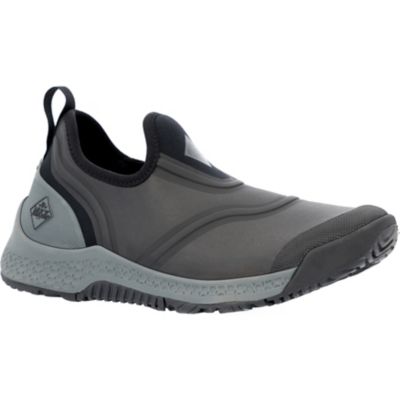
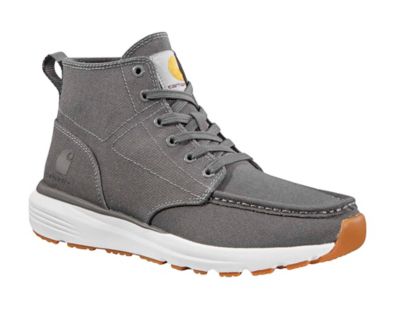
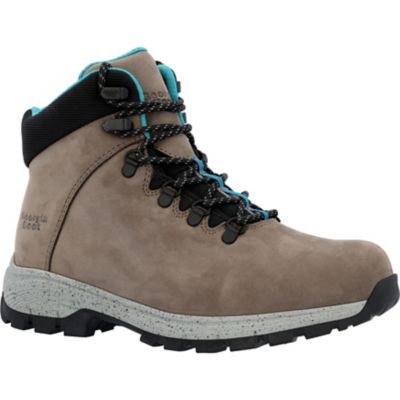
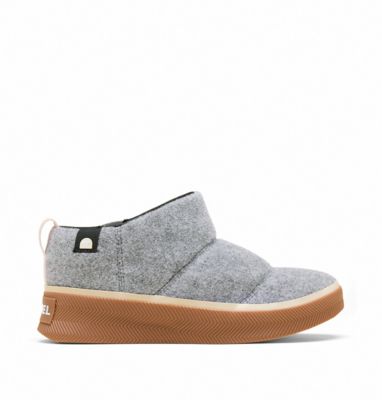
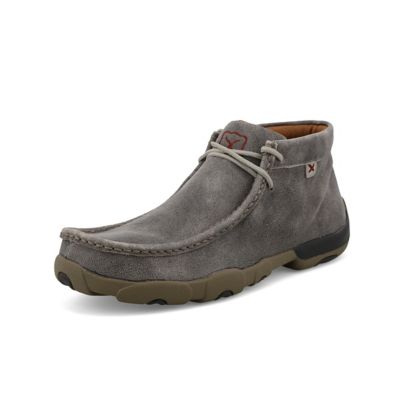
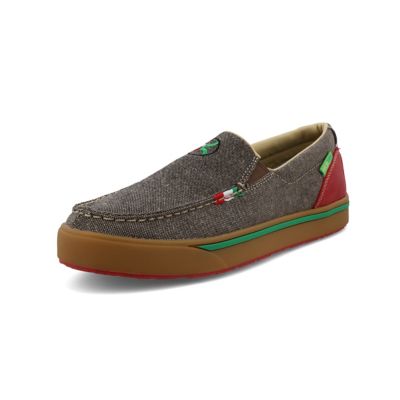
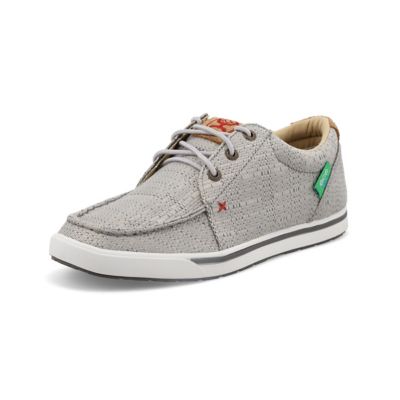
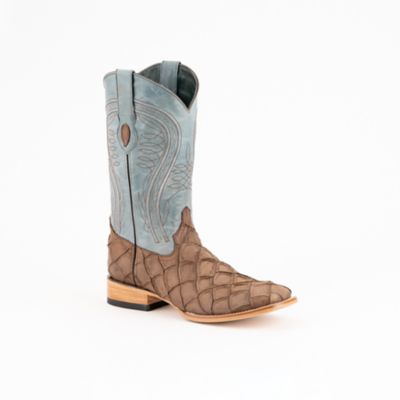
Grey shoes bring an easygoing neutral to everyday footwear, with shades ranging from pale ash and soft heather to slate and deep charcoal. The color works across casual sneakers, walking shoes, athletic footwear and work-focused styles, giving men, women and kids plenty of ways to keep an outfit simple without sticking to the same dark pair every day. Light grey has a softer look with blue jeans and a plain T-shirt, while charcoal pairs sit comfortably alongside dark denim, canvas work pants or khakis. Grey also works with navy, olive, brown and black, which makes it handy for a small footwear rotation that needs to cover several kinds of outings. Compared with
Black Shoes, grey footwear can offer less contrast against lighter clothing while still looking right with darker pants. A heathered fabric upper gives the color depth, smooth leather creates a cleaner outline, and suede brings a brushed texture that feels relaxed without looking like gym gear. Matching grey laces keep the look understated; contrasting soles, stitching or trim make the shape of the shoe stand out more. Those details matter when a pair needs to move from a morning trip to the feed store to an afternoon around town. Low-profile sneakers suit casual errands and everyday wear, while walking and athletic styles put more attention on cushioning, flexibility and the way the foot moves. Shoes intended for work need to match the actual demands of the job rather than simply look rugged. Grey is a color choice, not a performance rating, so the right pair still comes down to construction and intended use. That distinction makes room for everything from a lightweight everyday shoe for a student to supportive footwear for someone who spends much of the day walking between a counter, a storeroom and a concrete aisle.
Materials shape how grey shoes feel, how they hold up to repeated wear and how much care they need. Mesh uppers allow airflow and often feel light on the foot, which suits active errands, walking and exercise when the shoe is designed for that activity. Knit fabrics can offer a flexible feel, though a stretchy upper does not necessarily provide the structure needed for every task. Canvas has a straightforward casual look, while leather generally offers more structure and develops creases with wear. Suede and nubuck need different cleaning methods from smooth leather, and their textured surfaces may show scuffs or marks differently. Synthetic panels can add support around the heel or sides without making the entire upper equally stiff. Underfoot, cushioning changes the feel of each step, but softness alone does not tell the whole story. A stable heel, enough room through the forefoot and an outsole suited to the surface all play a part in everyday comfort. A person covering long store aisles may prefer a different balance of flexibility and support from someone standing at a workbench. Fit should leave the toes room to move without letting the heel lift and rub, and width matters just as much as the size printed inside the shoe. The socks worn for the activity affect that fit, especially when they are thicker through the heel and toe. Feet can also change in volume over a full day, so a pair that already feels tight at the start may become distracting later. Laces offer adjustment across the top of the foot, while slip-on designs depend more heavily on the shape of the opening and the hold around the heel. For workplace footwear, tread pattern, slip-resistance claims and any required protective features deserve close attention. Slip-resistant does not mean slip-proof, and ordinary casual shoes are not a substitute for footwear that meets a job’s stated safety requirements. Grey uppers may look equally at home in several settings, but the shoe underneath needs to be built for the work.
Keeping grey shoes looking good is mostly a matter of matching care to the material and dealing with everyday dirt before it settles in. A light grey fabric can show dust along seams and around the toe, while darker shades may make pale residue more noticeable. Neither shade is maintenance-free, though mixed tones and textured surfaces can make small marks less obvious. Loose dirt usually comes away more easily with a soft brush before any moisture is added. Many smooth leather surfaces respond well to gentle wiping and an appropriate leather-care product, while suede generally calls for a suede brush and treatment suited to that finish. Fabric shoes should only go into a washing machine when the care label allows it; soaking and aggressive washing can affect adhesives, padding and shape. Letting footwear air-dry away from direct heat helps protect its construction, and giving insoles time to dry between wears can make the next outing more comfortable. Rotating between pairs gives damp interiors a chance to dry fully rather than putting the same shoes straight back to work. Wear deserves a look beyond the uppers, too. Tread worn smooth at the heel, compressed cushioning, a sole pulling away or a lining rubbed through can matter more than a few scuffs on the outside. Replacing worn laces or removable insoles may freshen up a pair, but those changes cannot restore a failing outsole. For a gift, grey is a versatile color for a partner, parent, teenager or anyone who prefers clothing that mixes easily, provided their size, width and footwear preferences are known. Someone who likes a roomy walking shoe may not enjoy a narrow casual sneaker, even in a favorite shade. The most useful grey shoes combine a familiar fit, suitable materials and a purpose that matches the wearer’s routine, whether that means school pickup, a long shift or a Saturday spent checking off errands around town.