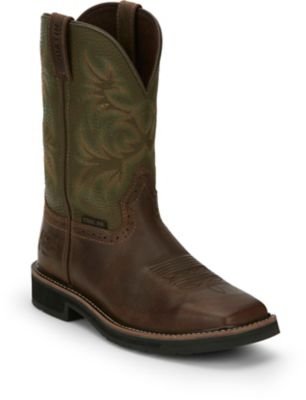
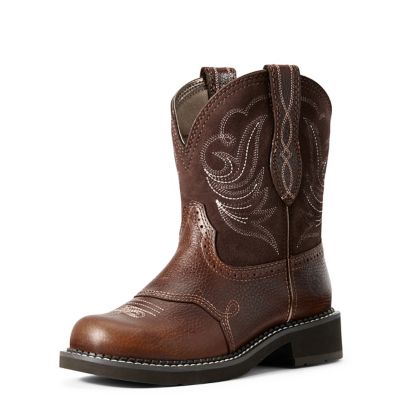
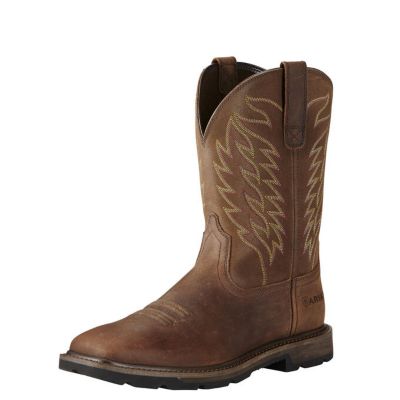
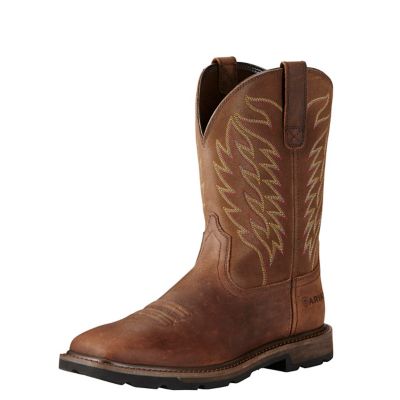
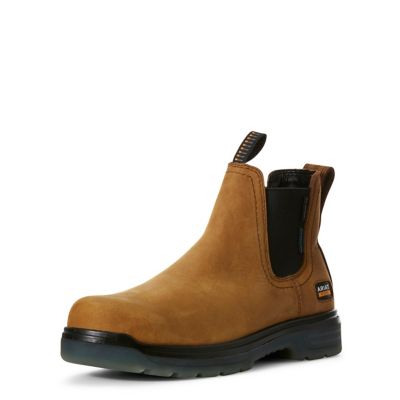
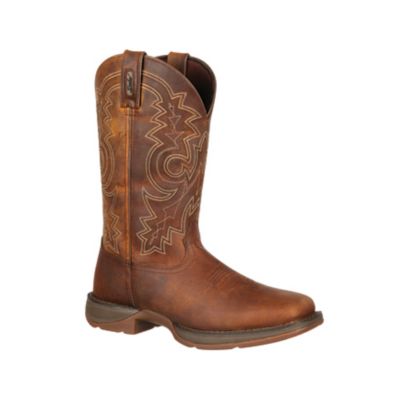
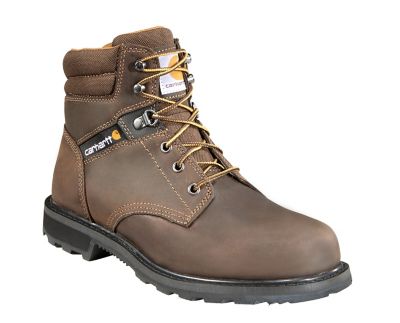
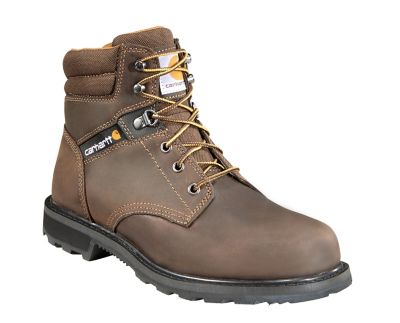
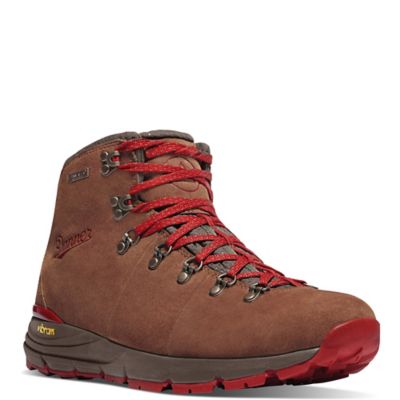
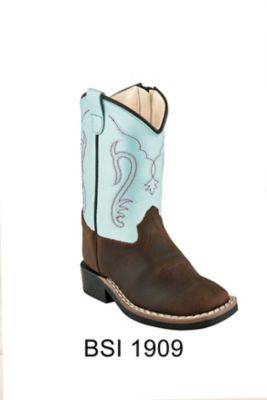
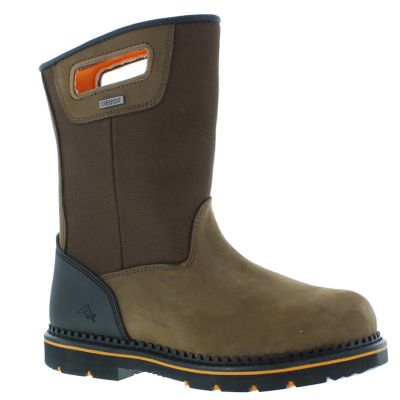
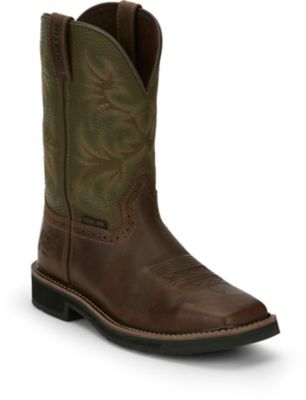
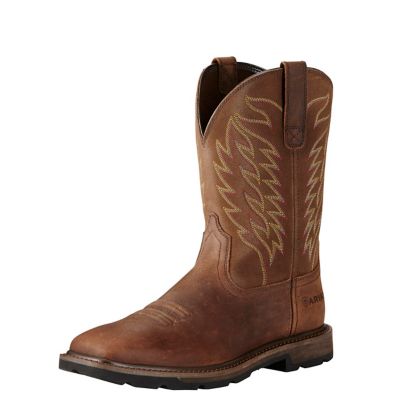
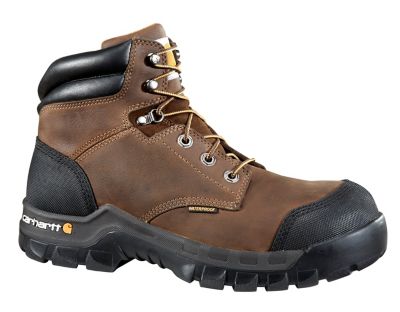
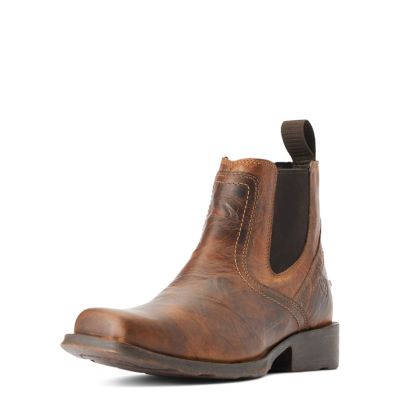
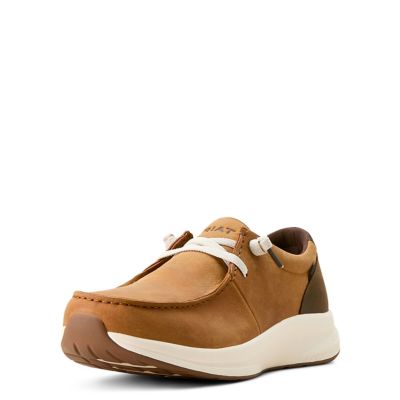
Brown footwear brings together the easygoing look of earth tones with the dependable feel people want from a well-chosen pair of shoes or boots. From dark chocolate and walnut shades to lighter tan, chestnut and warm caramel, brown works across a wide range of everyday outfits. It pairs naturally with denim, khaki, olive, gray and navy, making it a practical choice for workdays, weekends and occasions that call for a little extra polish. A pair of brown shoes can dress up a button-down shirt and work pants without looking too formal, while brown sneakers or casual slip-ons fit right in with jeans, flannels and soft layers during the cooler months. For outdoor chores, farm work and long days on your feet, brown boots offer a traditional look that suits the setting while providing coverage and support. When choosing footwear, start with the way it will be used. A pair intended for walking around town may need flexible construction and cushioned insoles, while footwear for job sites, barn work or rough ground should offer a stable sole, durable materials and a secure fit. Features such as slip resistance, toe protection, waterproofing and insulation can make a noticeable difference when conditions turn wet, cold or muddy. A sturdy pair of
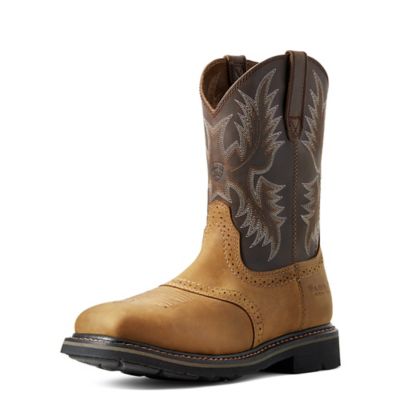
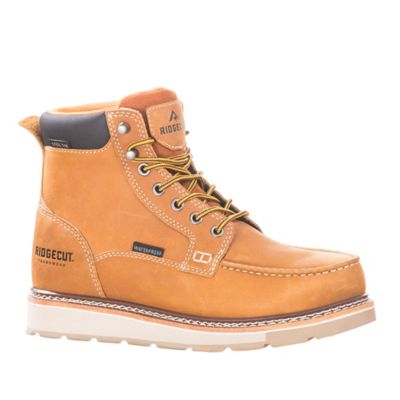
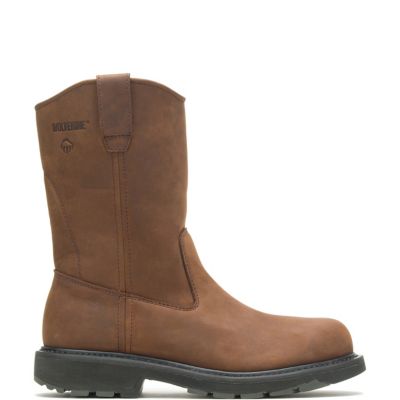
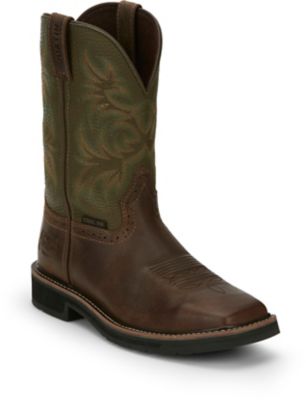
Brown Construction Boots may be a smart fit for demanding work, especially when the day includes hauling materials, repairing fences or moving between the shop and the pasture. Even when footwear looks similar at first glance, details such as stitched or molded construction, reinforced seams, padded collars and tread depth can affect comfort and service life. Think about the socks that will be worn with the footwear, too. Thick work socks may require a little more room through the toe box, while lightweight socks call for a closer fit that keeps the heel from sliding. Try on both feet later in the day, when feet are often slightly larger, and walk across a hard surface to check for pinching, rubbing or unwanted movement. A good fit should feel comfortably secure without squeezing the toes or pressing against the top of the foot.
The right brown footwear can serve different people and routines, which makes it a useful choice when shopping for family members, coworkers or friends. Someone who spends most of the day outdoors may appreciate a rugged pair that stands up to gravel, grass and changing weather, while a person who works indoors may prefer a lighter shoe with a flexible sole and a neat, understated finish. Brown casual footwear can be a thoughtful gift for someone who lives in jeans and work shirts, especially when the style is simple enough to wear with several outfits. A dependable pair of everyday shoes may also suit a college student, traveler or new employee building a practical wardrobe. For someone who enjoys dressing up, look for classic brown loafers, oxfords or other low-profile styles that can be worn with trousers, chinos and suits in navy, charcoal or medium gray. Dark brown generally creates a more polished appearance, while lighter brown shades lean relaxed and pair well with casual clothing. Fit remains more important than color, so consider whether the recipient prefers a roomy toe area, a slip-on design, laces, a supportive footbed or extra ankle coverage. If the footwear is a gift, keeping the receipt and checking the available size exchange policy can help, since sizing varies between shapes and construction methods. Leather, suede, synthetic materials and textile uppers each have their own strengths. Leather can develop a handsome patina with regular care, suede offers a soft, textured appearance, and synthetic or textile materials may be easier to clean or better suited to wet conditions depending on the design. Look for clear information about lining, cushioning and outsole materials, particularly when footwear will be worn for long shifts. An attractive brown finish is a nice start, but comfort, durability and intended use are what make a pair earn a regular place by the door.
Brown footwear is especially useful during the stretch of the year when mornings feel crisp, ground conditions change quickly and people move between heated buildings and the outdoors. Boots with a higher shaft help keep out cold air, damp grass and loose debris, while shoes with breathable uppers can feel more comfortable when the day warms up. For wet paths, muddy driveways and slick floors, a lugged or slip-resistant outsole can provide added confidence; for indoor work or everyday errands, a flatter sole may feel lighter and quieter. Before wearing new footwear for a full day, break it in around the house or on shorter trips. This gives the materials time to soften and lets you find any pressure points before a long shift, hunt, drive or walk. Keep footwear in good shape by brushing away dried dirt, wiping off mud before it hardens and allowing damp pairs to dry at room temperature. Avoid placing leather or suede directly beside a heater, wood stove or other strong heat source, since rapid drying can stiffen materials and cause cracking. Use care products made for the upper material, and check the manufacturer’s directions before applying conditioners, waterproofing sprays or cleaners. Removing insoles when appropriate can help air out the inside, and rotating between pairs gives each one time to dry fully. Pay attention to worn tread, loose stitching, flattened cushioning and damage around the heel or toe; replacing footwear before those problems become severe helps maintain comfort and stability. Whether the goal is a polished brown shoe for work, a casual pair for everyday wear or a rugged boot for demanding outdoor tasks, choosing the right combination of fit, materials, traction and protection makes brown footwear a dependable part of a hardworking wardrobe.