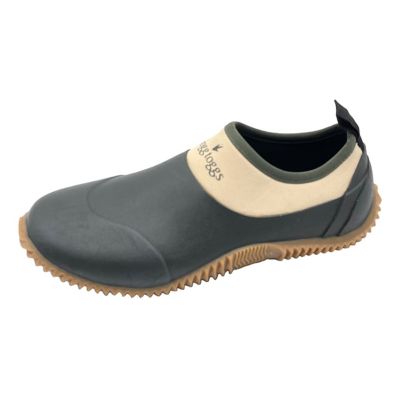
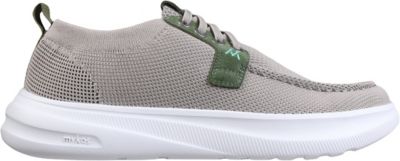
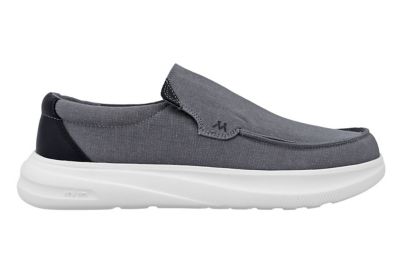
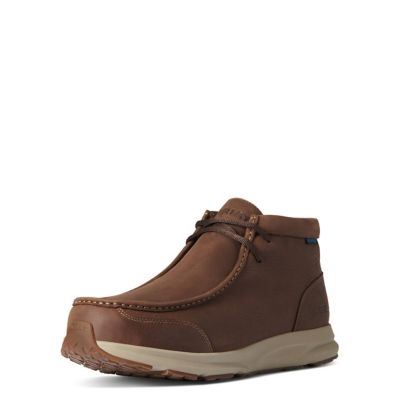
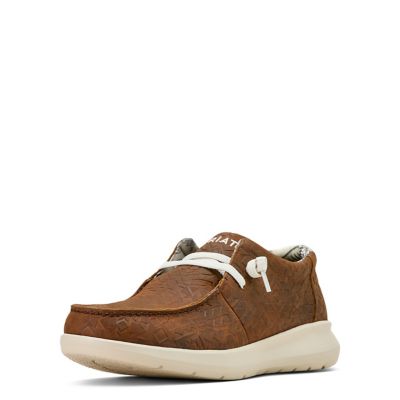
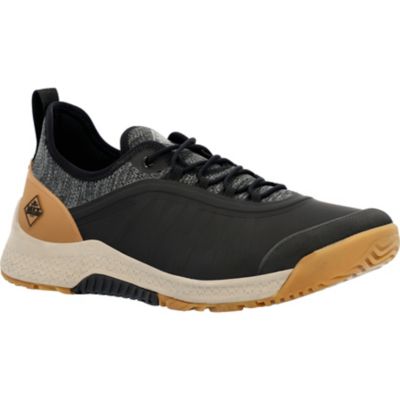
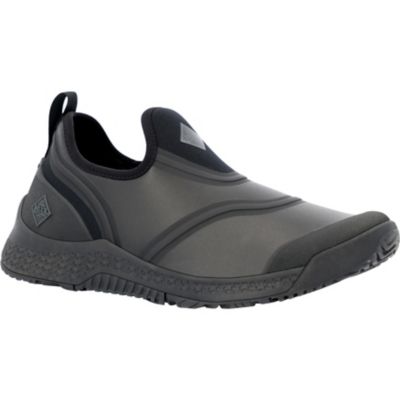
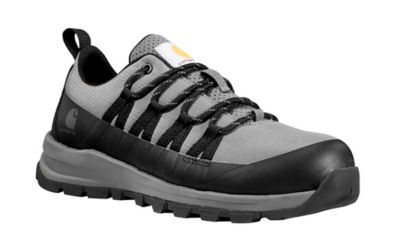
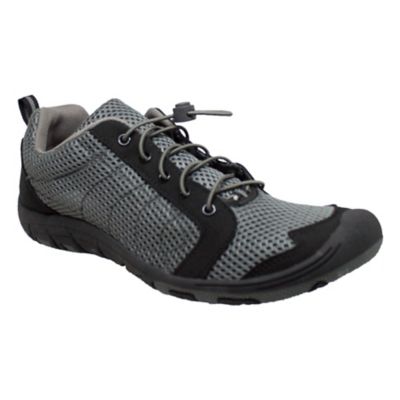
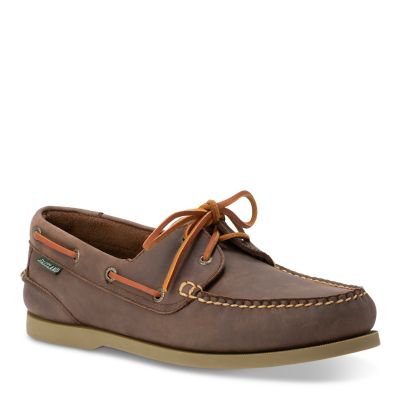
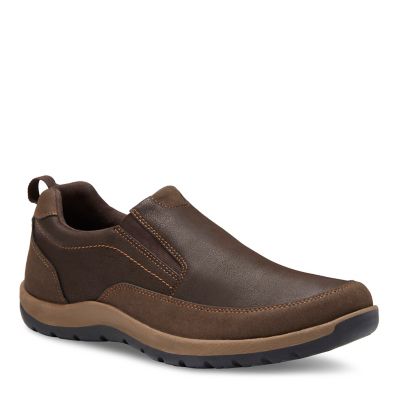
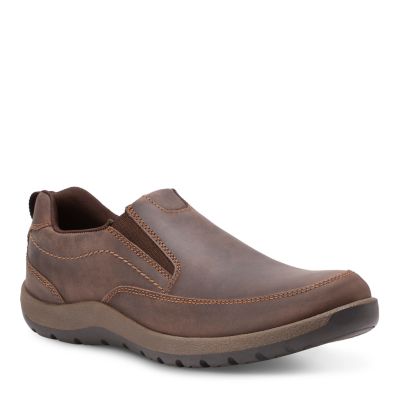
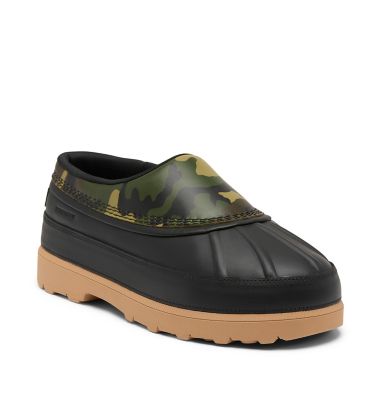
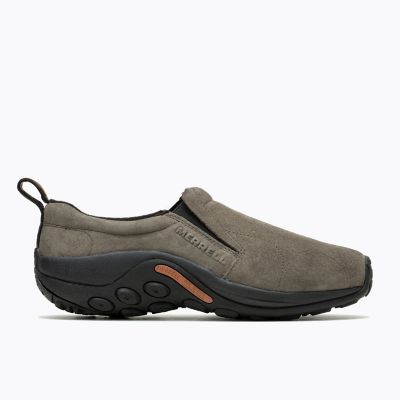
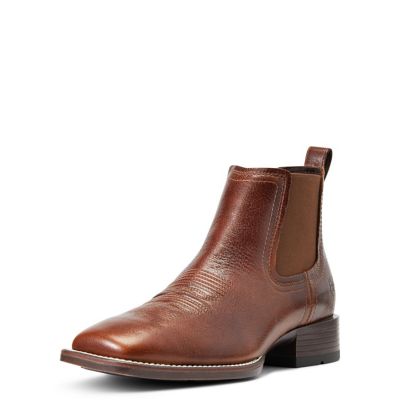
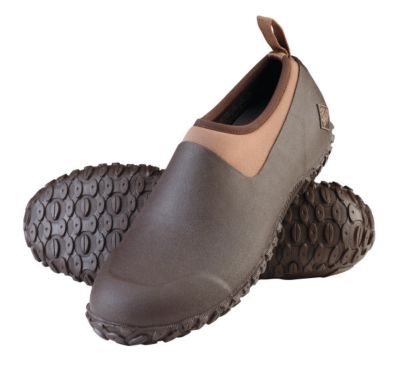
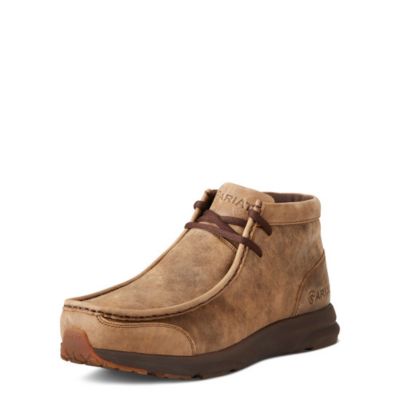
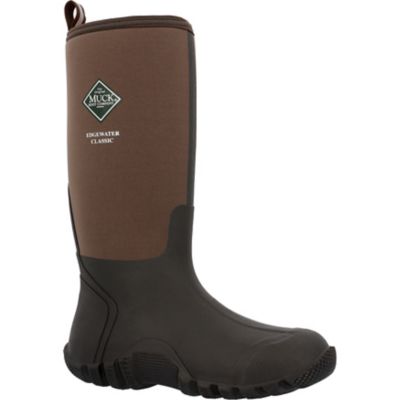
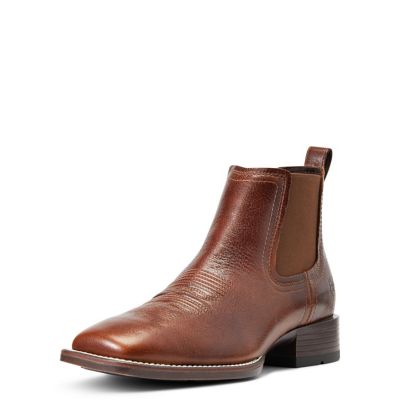
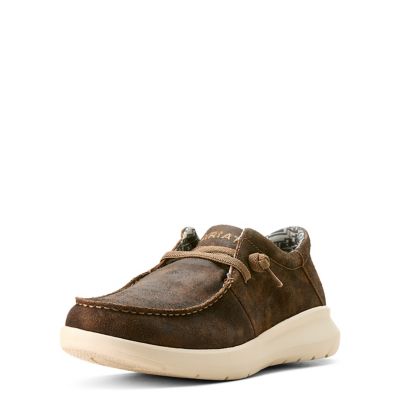
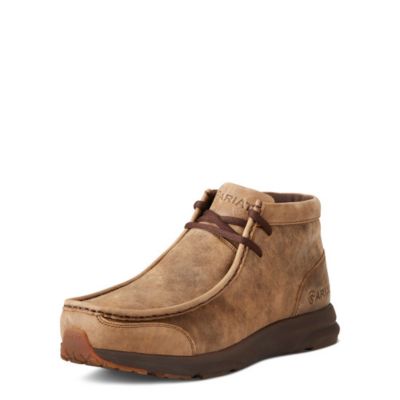
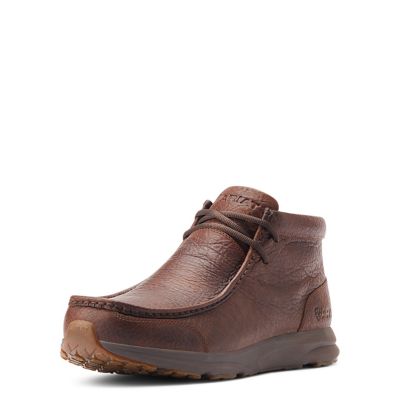
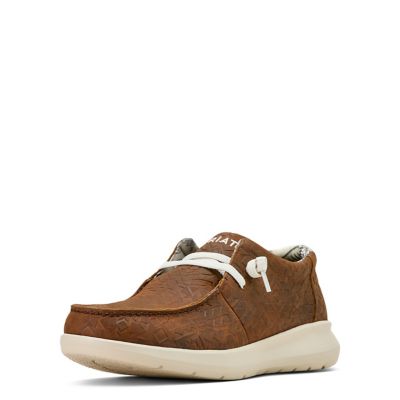
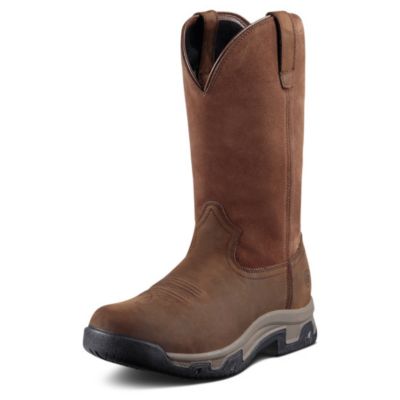
Travel shoes for men bring together walking comfort, manageable weight and a fit that stays secure from the first stop to the last. A practical pair has enough cushioning for time on your feet, an outsole suited to the ground you’ll cover and a shape that works with the clothes in your bag. That balance matters whether the trip involves a long drive, an airport connection or a few days exploring a town on foot. Walking between terminals puts different demands on footwear than sitting behind the wheel, but both call for room around the toes and a heel that doesn’t slide with every step. Men’s travel sneakers often suit trips with plenty of walking, while casual lace-ups can bridge the gap between sightseeing and supper out. Slip-on travel shoes offer easy on-and-off convenience at a rest stop or hotel room, though the opening still needs to hold the foot comfortably. Shoes with adjustable laces provide more control over how snugly the upper sits across the instep. Materials make a difference, too. Mesh and knit uppers can allow airflow and reduce weight, while leather provides a more structured feel and a surface that can be wiped clean according to its care instructions. Suede has a softer texture but generally calls for a brush and material-specific care. Fabric panels, linings and overlays all affect how a shoe bends and feels against the foot. A flexible upper may pack neatly, but flexibility alone doesn’t tell the whole story about support underfoot. The sole, heel structure and footbed work together to shape the feel of each step. Neutral colors and straightforward designs also make travel footwear easier to pair with jeans, work pants or casual trousers. For a road trip with stops at diners, farm stands and roadside attractions, a pair that handles walking and looks at home indoors can keep the packing list simple without asking one shoe to do every possible job.
Fit has a bigger effect on travel comfort than appearance alone, especially when the day includes several hours of walking or standing. The toes need space to move without pressing against the front, and the widest part of the foot should sit comfortably within the shoe rather than spill over the edge of the footbed. A secure heel helps limit rubbing, while a tongue and collar with smooth contact points can make a difference when the same shoes stay on from breakfast through the drive back to the hotel. Width, instep height and toe-box shape vary between styles, so the size printed inside a shoe is only part of the fit. Trying footwear with the socks planned for the trip gives a better sense of the space available. Men who wear inserts also need enough depth to accommodate them without crowding the top of the foot; removable footbeds can help when the design allows replacement. Underfoot, cushioning should soften repeated steps without making the shoe feel unstable. A deeply padded sole may feel comfortable at first, but a steady platform and secure fit matter when stepping off a curb or carrying a bag through a crowded station. Sole flexibility near the forefoot can support the natural bend of a walking stride, while more structure may feel better for someone who prefers a firmer base. Outsole shape deserves attention alongside cushioning. Broad contact areas can suit paved routes, and more pronounced tread can help on loose gravel or uneven paths, depending on the material and surface. No tread pattern provides the same grip everywhere. A travel itinerary built around maintained sidewalks and museum floors has different footwear demands than one centered on long trails or steep ground. Longer hikes call for footwear matched to the terrain, rather than assuming a casual travel shoe can fill that role. Wearing a pair on ordinary errands before departure also gives time to notice heel movement, tight seams or pressure across the toes before those small annoyances become part of a full day away.
Easy care and sensible packing help men’s travel shoes earn their place in a bag trip after trip. Areas that see repeated bending or scuffing, including the toe, heel and connection between the upper and sole, deserve a close look. Reinforced sections and sound stitching can help footwear stand up to regular wear, although construction, materials and care all influence how long a pair lasts. Cleaning methods should match the material rather than follow a single routine for every shoe. Loose dirt can often be brushed from an outsole, and many smooth uppers can be wiped with a soft cloth, but leather, suede, mesh and knit may each need different treatment. The manufacturer’s care directions should settle whether a cleaner is suitable or a shoe can go in the washing machine. Letting footwear air out after a long day helps manage moisture from perspiration, and keeping it away from direct heat protects materials and adhesives. For packing, a shoe bag keeps sole dirt away from clothing, while placing soft socks inside the shoes can make better use of luggage space without crushing the uppers. Lightweight construction is helpful when every pound in the bag counts, but the shoe still needs the structure and sole suited to the trip. For travelers putting together a full walking setup,
Walking Gear for Men offers a related place to consider the essentials that go alongside footwear. Socks with comfortable seams and a fit that stays put can matter nearly as much as the shoes themselves. Travel footwear can also make a practical gift for a man who spends weekends on the road, visits family often or enjoys exploring new places at his own pace. Knowing his size, preferred width and usual fastening style makes the choice more personal and useful. The goal is footwear that feels familiar enough for everyday errands and comfortable enough to keep going when the next stop is still a few blocks away.