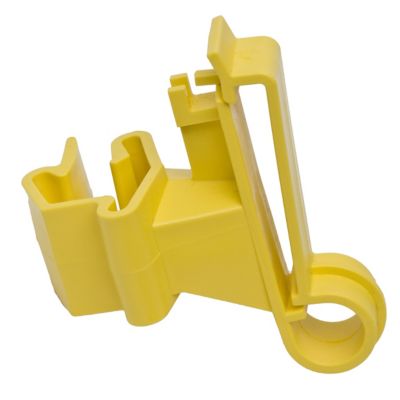
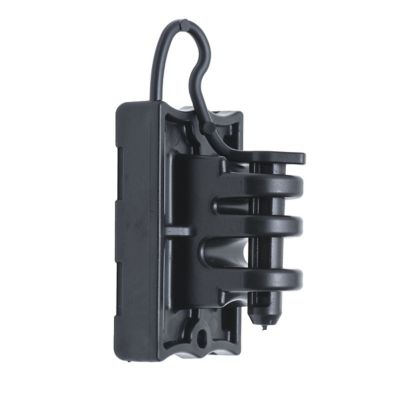
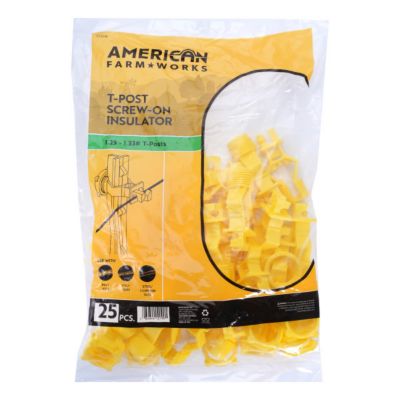
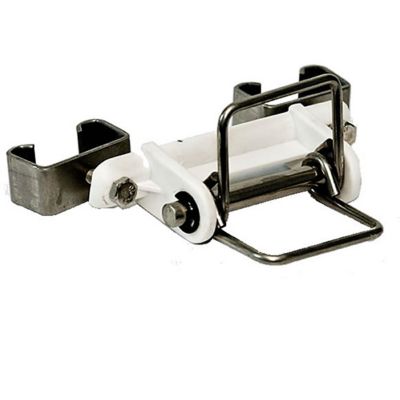
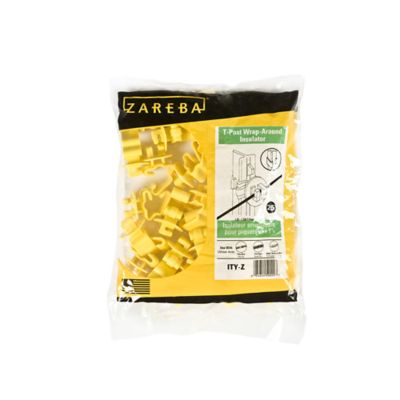
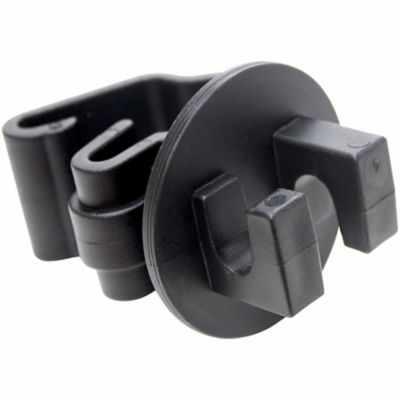
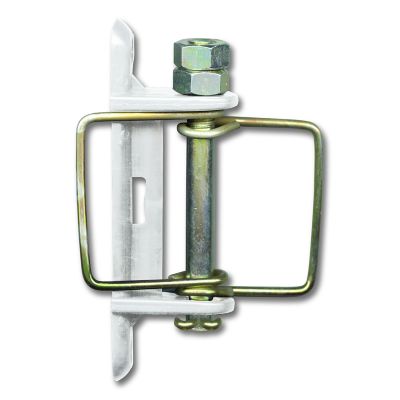
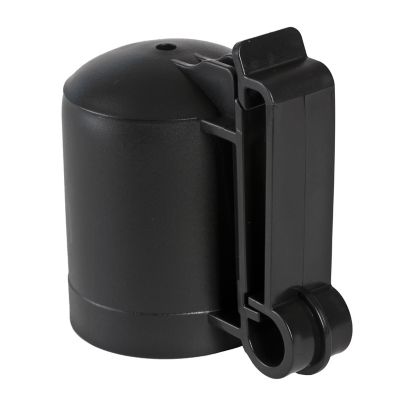
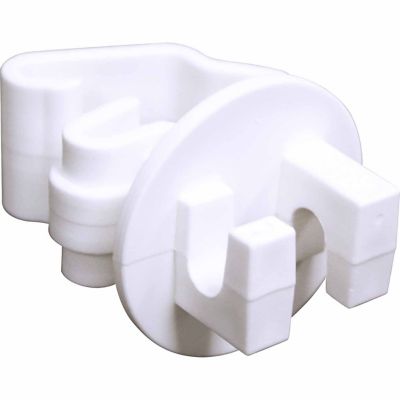
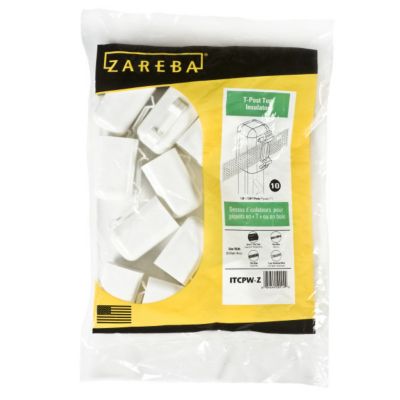
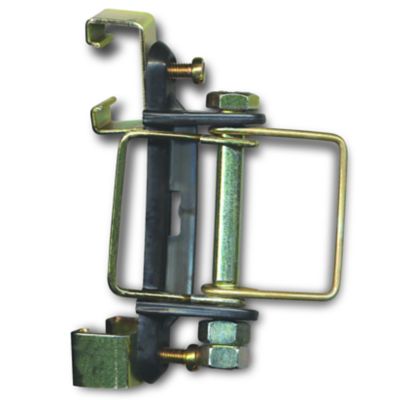
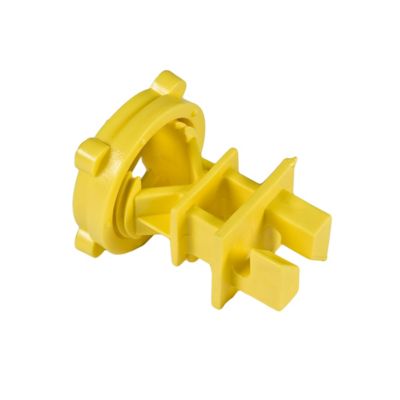
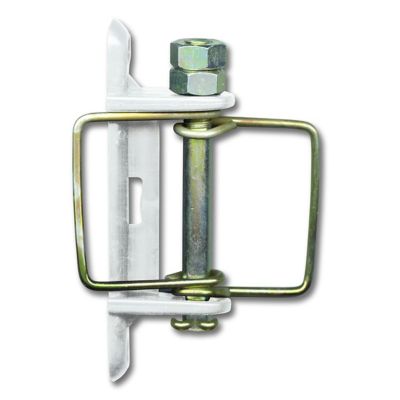
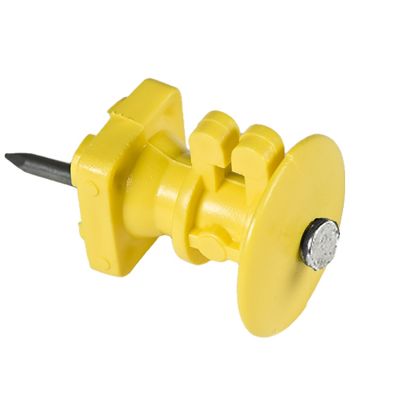
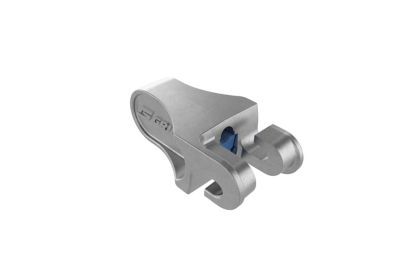
T-post electric fence insulators hold energized wire, polywire, rope, or compatible tape away from metal T-posts, helping prevent current from leaking through the posts into the ground. That separation helps keep the electrical pulse on the fence line, where it belongs. The energizer supplies the pulse; the insulator provides a nonconductive barrier between the conductor and the steel post. These small fittings have a big job on livestock boundaries, pasture divisions, and electric offsets along existing fences. A cattle producer dividing a grazing area, a horse owner adding a visible electric boundary, and a small-acreage keeper managing livestock may need different conductor styles, but each setup depends on keeping the energized line clear of metal. Fit matters at both ends of that connection: the insulator must attach securely to the post and hold the intended fence conductor without pinching, slipping, or allowing contact with steel. T-post profiles, stud patterns, and attachment dimensions can differ, so a description that simply says “fits T-posts” may not tell the whole story. Some designs clip around the post, while others have locking features or fastening hardware that hold the body in place. The conductor opening matters just as much. A narrow wire channel is not interchangeable with a broad tape holder, and a fitting intended for polywire may not accommodate thicker electric rope. Smooth wire, polywire, rope, and tape each have their own handling and tension requirements. Matching the insulator to the conductor’s stated size and type helps protect that connection along the fence. On a long pasture run, a small fit problem repeated at every post can turn into a lot of extra checking. Clearly stated post compatibility, conductor capacity, and attachment details make it easier to compare T-post fence insulators for the actual fence rather than judging by shape or color alone. That is especially helpful when adding a new section to an established fence with several kinds of hardware already in place.
Materials and construction affect how T-post insulators stand up to tension, repeated handling, and everyday contact around a working property. Molded insulating plastic is common, with different formulations and body shapes offering different levels of flexibility and resistance to cracking. UV-stabilized materials are worth considering for an outdoor fence that stays in service over time. A thicker body can provide support, but thickness alone does not explain how well a latch closes, how firmly a clip grips, or how smoothly the conductor rests in its channel. Rounded contact surfaces help limit rubbing against rope and polywire, while tape holders need an opening and retaining mechanism suited to the tape’s width. A properly matched holder supports the conductor without crushing it or forcing an awkward bend. Color can also make fittings easier to spot during a walk along the fence, especially when checking that every latch is closed and every wire remains in its intended position. Standard line insulators keep the conductor separated from the post at the attachment point. Offset styles extend the energized line farther from the steel, which can be useful where livestock need to stay back from an existing fence. That added reach also changes the leverage on the attachment, making the design’s intended application important. Straight runs, corners, ends, and gates put different demands on fence hardware. A line insulator that carries wire along a level stretch should not be assumed to handle the pulling force at a sharp turn or termination. Corner and end assemblies need components rated for those loads, along with suitable posts and bracing. For tape and rope systems, conductor tension also needs to match the fence manufacturer’s recommendations rather than simply being pulled as tight as possible. The right combination holds the line in position without asking a small plastic fitting to do a brace post’s job. Where several conductor heights share one T-post, each attachment needs enough clearance to keep its line separate from the post and neighboring hardware.
Everyday upkeep is another part of choosing electric fence insulators for T-posts. Hardware that is easy to inspect, open, and secure can make a difference when a pasture division moves or a damaged section needs attention. Releasable designs can simplify conductor changes, while other attachments suit fence runs that stay in the same layout. The useful choice depends on how the property operates: a permanent boundary has different handling needs than a cross-fence that gets rearranged as livestock move between grazing areas. Cracks, worn conductor channels, loose clips, and latches that no longer close are signs that an insulator may no longer keep the line separated from steel. Dirt and plant material can also collect around attachment points, so accessible shapes help with routine cleaning and inspection. Care should follow the manufacturer’s directions, including any limits on cleaners or fastening methods that could damage the insulating body. Electric fence power should be disconnected before handling conductors or replacing fittings. A fence tester helps assess electrical performance, since an intact-looking insulator does not prove the whole system is working properly. Vegetation against the line, damaged conductors, poor connections, and problems with the energizer’s grounding system can all affect the fence independently of the post fittings. Compatible
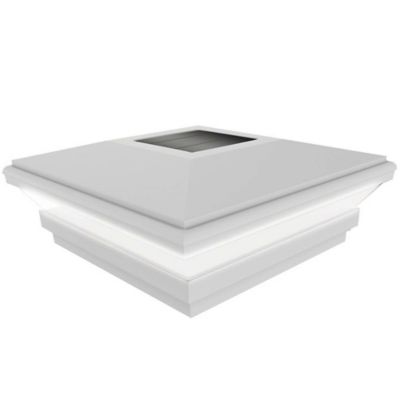
Fence Post Tops can help cover exposed post ends, but a protective cap should not be treated as an electrical insulator unless it is designed for that purpose. Keeping those jobs distinct helps when comparing the parts needed for a complete fence. For farms, horse properties, and small livestock setups, the most useful selection details are practical ones: the post profile, conductor type, attachment method, clearance, and load rating. Together, those details help match the insulator to the fence’s daily work, whether that means holding a single offset wire beside an established boundary or supporting several electric lines across a pasture.