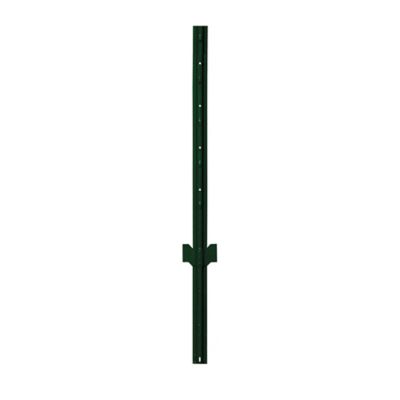
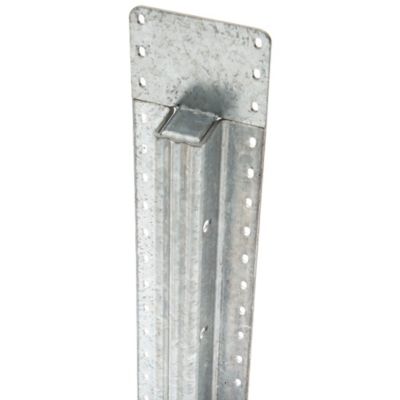
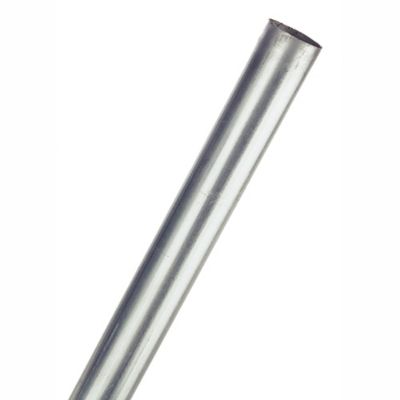
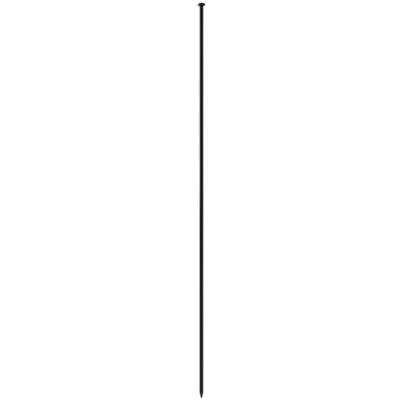
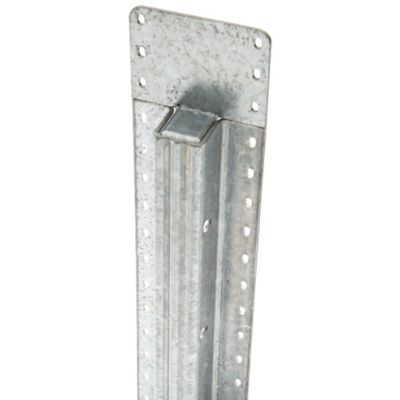
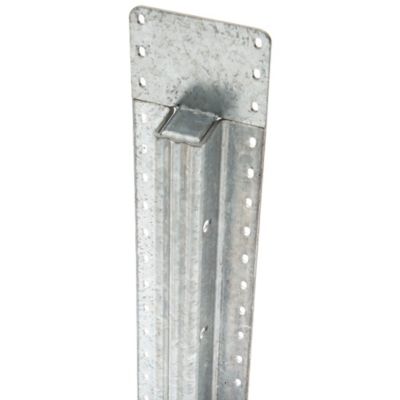
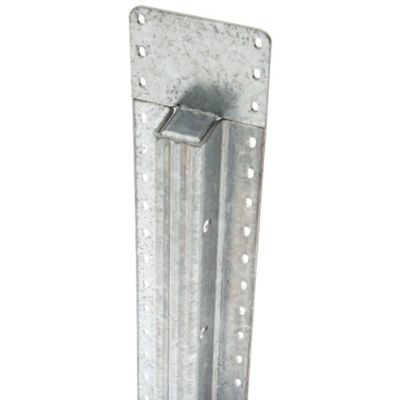
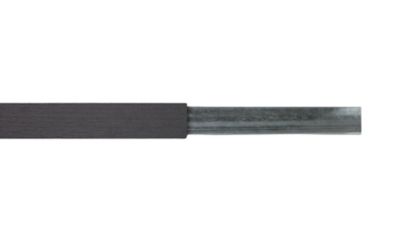
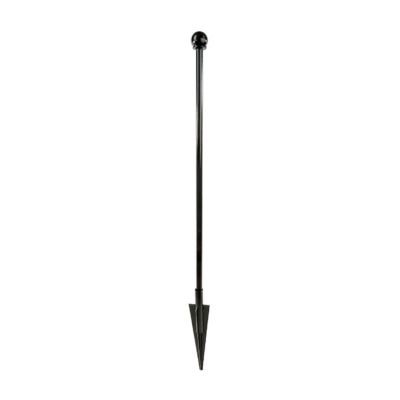
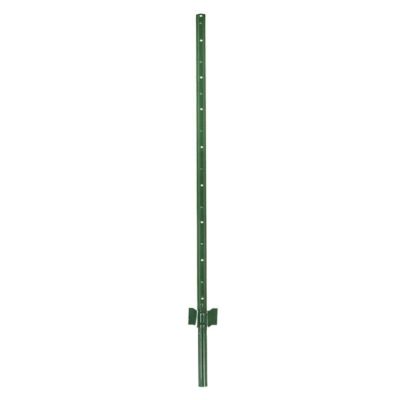
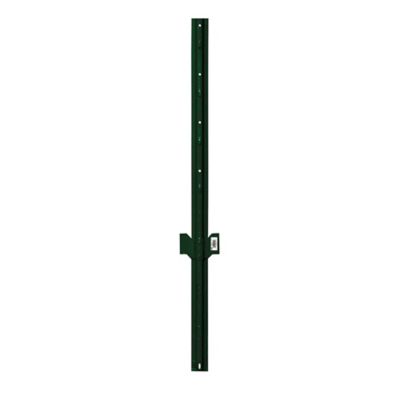
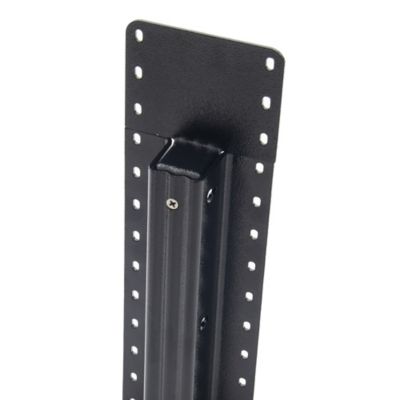
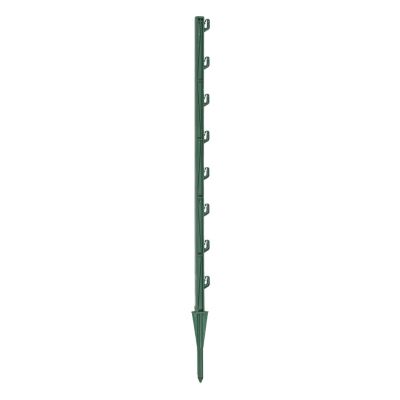
A fence line has a lot riding on its posts, whether it runs beside a gravel drive, closes in a backyard, or separates a small pasture from the rest of the place. A galvanized fence post brings steel strength and a zinc coating to that job, giving compatible wire, mesh, rails, or panels a firm point of support. The zinc helps protect the steel from corrosion and can provide sacrificial protection at small scratches, though a deep gouge or exposed cut still deserves attention. That protection matters around soil contact, animal enclosures, and other places where bare steel can develop rust. Galvanized steel also avoids the rot and insect damage associated with wood, but its service life still depends on the coating, installation, soil conditions, and demands on the fence. Round tubular posts are a familiar match for chain-link fencing, while other shapes and profiles belong to different fence systems. The right match comes down to more than appearance: a post has to work with the fence fabric or panel, its attachment hardware, and the force the finished fence must handle. For homeowners, acreage owners, and folks tending animals, that makes galvanized posts a practical part of anything from a simple boundary to a working enclosure. Along a garden edge, posts can support fencing that separates planting beds from paths; around a utility area, they help define a space without taking up much ground. On a livestock fence, their role is more demanding, with animal contact and tensioned wire adding loads that a lightly built boundary may never face. Steel construction provides a consistent profile for compatible fittings, and the gray finish fits comfortably beside barns, sheds, gates, and gravel lanes. Much of a sound fence comes down to the less noticeable details: firmly anchored posts, well-matched connections, and a protective coating suited to the setting.
Dimensions make a real difference when matching galvanized fence posts to a project or repairing an existing stretch of fence. Overall length is not the same as finished fence height, since part of the post generally sits below ground or within an approved mounting arrangement. Outside diameter, wall thickness, and shape all affect fit and performance, so two posts that look similar from the driveway may serve different purposes. A heavier wall can provide greater resistance to bending when other dimensions and material properties are equal, but it does not take the place of proper anchoring or bracing. Line posts support the fence between its main structural points, while end, corner, and gate posts carry different loads and often call for different dimensions or reinforcement. At a gate opening, the post must handle the gate’s weight and the leverage created as it swings, not just the pull of the adjoining fence. Caps, rail ends, bands, brackets, hinges, and clamps also need to match the post and fence system; a loose connection can let an otherwise solid fence sag or rattle. Even nominal pipe sizes and actual outside diameters can differ, making measurements more helpful than appearance alone. For projects that call for a screened boundary,
Privacy Fence Posts offer a related category to consider, though posts for open mesh and solid panels are not automatically interchangeable. A solid barrier places different demands on its supports, and the entire assembly needs to suit that application. Ground conditions, slope, fence height, and local requirements also shape the finished installation. Property lines and underground utilities deserve attention before any postholes are made. These details matter whether the job is replacing one leaning support beside the shop or laying out a new enclosure with several corners and a gate wide enough for equipment.
Everyday use gives a fence its own set of demands, and the best-fitting post is the one that matches what happens along that line. A yard fence may mostly need to hold mesh neatly in place, while a holding pen can face rubbing, pushing, and repeated contact from animals. Posts alone do not make an enclosure suitable for livestock; spacing, fence material, bracing, gate design, and the behavior of the animals all play a part. Smooth connections, covered tube openings, and the absence of exposed sharp edges are especially important anywhere animals or people brush against the fence. Beside a mower route or equipment entrance, enough clearance helps limit accidental strikes that can bend steel or damage its coating. Galvanized posts generally need less surface upkeep than bare steel, but they are not maintenance-free. Soil and debris trapped against the surface, manure buildup, fertilizer contact, and rubbing hardware can create trouble spots worth checking during ordinary property rounds. Gentle cleaning with a soft brush, water, and a suitable mild cleaner can remove buildup without unnecessarily scouring the zinc layer. Cutting, drilling, or welding may disturb that protection, so any alteration calls for the manufacturer’s recommended approach to exposed areas; welding galvanized steel also requires appropriate professional precautions. Coating-compatible fittings help avoid unnecessary wear and problems where different metals meet. Around gates, checking hinge connections and post movement can reveal strain before the opening becomes hard to latch. Along longer runs, loose bands, missing caps, or a new lean can point to an issue with hardware, anchoring, or fence tension rather than the post material itself. A well-matched galvanized fence post supports the routine of a working property: gates that meet their latches, boundaries that stay clearly defined, and enclosures built around the job they need to do.