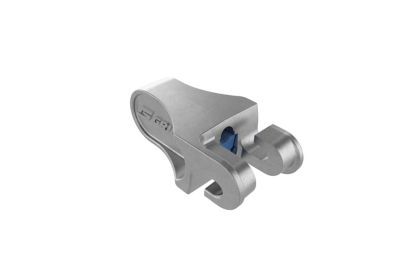
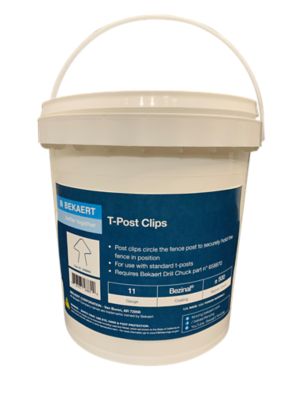
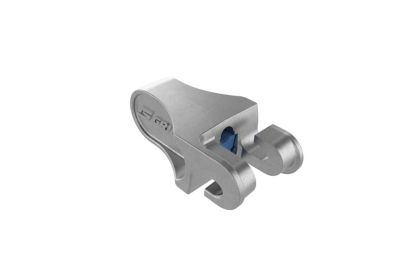
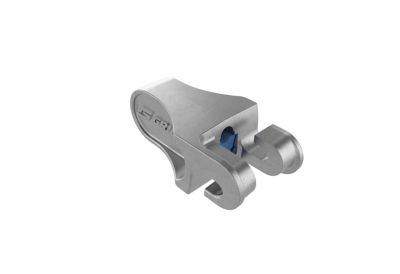
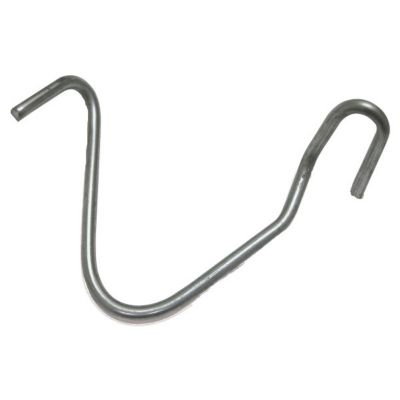
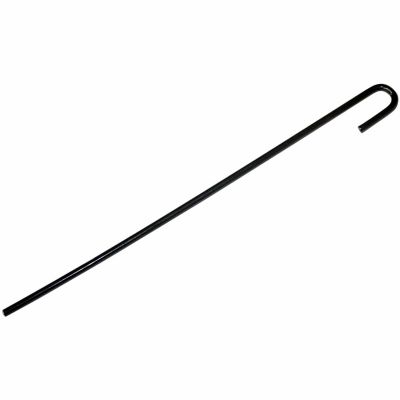
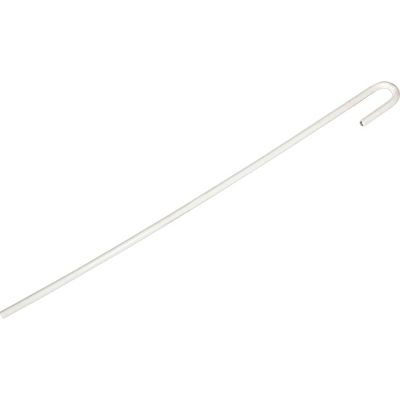
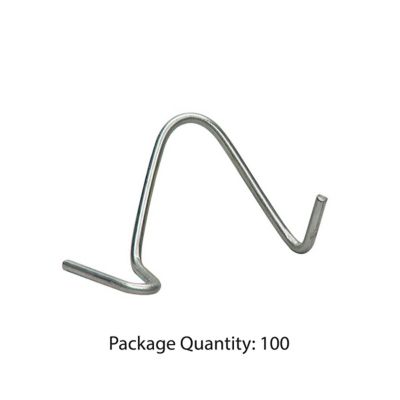
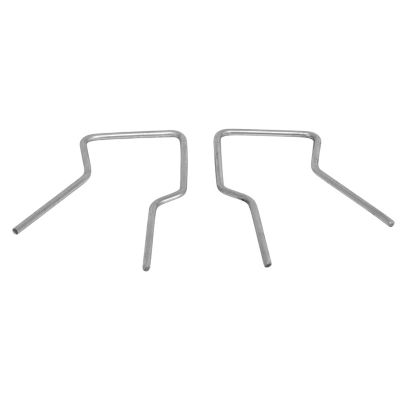
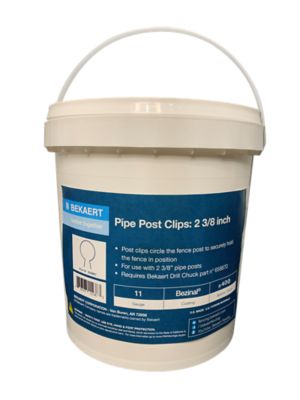
T-post fence clips are metal fasteners that attach fencing wire to steel T-posts, helping keep fence lines connected to their supports. They commonly secure barbed wire and woven wire, while certain designs also accommodate smooth or high-tensile wire when the fence manufacturer specifies that connection. A typical clip wraps around the post and hooks or bends around the fence wire, holding the two together without a separate screw or bolt. For a pasture boundary, garden enclosure, or stretch of field fence beside a farm lane, these small connections help keep the wire positioned along the line posts. The right fit depends on more than whether a clip can reach around the steel. The T-post’s profile, the fence wire’s diameter, and the clip’s shape all matter, especially where heavier mesh or closely spaced horizontal wires leave less working room. A clip made for one post-and-wire combination may not seat properly on another, so compatibility information is worth checking before choosing fasteners for a whole run. On studded T-posts, the studs help resist downward movement of the fence, while the clips keep the wire connected to the post. That support has a different job from the bracing at corners, ends, and gates. Clips do not replace a sound brace assembly or supply the tension that gives a fence its shape. They belong within a complete system of suitable posts, fencing, anchors, and connections. Cattle operations, small-acreage farms, orchards, and rural properties can have very different fence demands, even when their line posts look much alike. A woven-wire enclosure needs connections that suit its mesh and intended movement; a multi-strand barbed-wire fence needs fasteners matched to each strand and post. For both, properly matched T-post fence clips help keep the fence’s supporting parts working together instead of leaving the wire hanging loose against the steel. Their simple form makes them easy to overlook, but every connection contributes to how the finished fence holds its intended line and spacing.
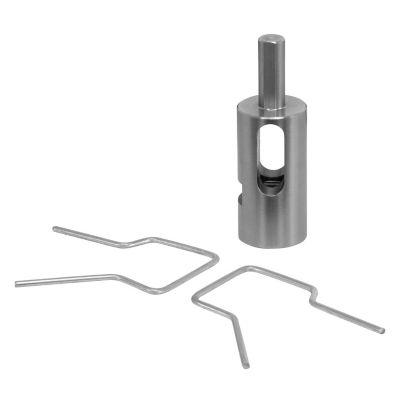
Galvanized steel is a common material for T-post fence clips because it combines bendable steel wire with a zinc coating that helps resist corrosion. The coating matters wherever a connection meets damp vegetation, soil splash, or other sources of moisture around a working property. It does not make the fastener immune to wear, and deep scratches or repeated bending can affect its service life. Clip thickness also deserves attention: heavier wire may require more effort to form, while a lighter clip may not be the right match for a demanding fence application. Bigger is not automatically better if the ends cannot engage the fence wire properly or the clip does not fit around the post. A well-matched fastener seats against the intended surfaces without forcing the fence out of position. Shape matters just as much as material. The center section needs room for the post profile, and the ends need sufficient reach for the specified wire connection. Those details become noticeable on a long stretch of woven wire, where an awkward fit at every post can turn a straightforward fencing job into a lot of extra handling. Purpose-built clip tools and suitable fencing pliers can help form compatible fasteners, though the tool and fastening method should follow the clip manufacturer’s directions. Gloves and eye protection are sensible around cut wire, sharp ends, and tensioned fencing. For animal enclosures, exposed ends should not project into spaces where livestock can rub against them. Electrified fence wire calls for a different connection: ordinary metal clips conduct electricity and should not substitute for insulators that separate an energized strand from a steel post. Where an electric offset runs alongside woven wire, each connection needs to suit its own role. That distinction helps prevent an otherwise sound fence from developing an electrical fault at the post, and keeps the choice of fastener tied to the fence’s actual purpose rather than appearance alone.
T-post fence clips suit both new fence runs and the small repairs that come with managing acreage. A ranch hand replacing a damaged section beside a handling pen may need to match existing posts and wire, while a landowner enclosing a garden may be working with a different mesh and lighter fencing. Around livestock, fasteners are only one part of containment; fence height, opening size, post spacing, and the animals’ habits still govern the overall design. A horse enclosure, for example, needs fencing intended for horses rather than an assumption that any wire attached to a T-post will do the job. On established fences, missing clips, loose wire connections, rusted fasteners, and bent posts are worth checking together, since replacing a clip alone will not correct a failing support. A mower strike along a lane or pressure near a feed area can leave damage that extends beyond the most obvious loose strand. Replacement clips should match the existing assembly, and fasteners that are cracked, heavily corroded, or badly misshapen are better replaced than bent back repeatedly. Keeping spare clips dry and separated from loose wire scraps makes them easier to inspect and keeps sharp pieces from tangling together in a toolbox. For a longer project, the number of connections depends on the fence design, the number of line posts, and the fastening pattern specified for that wire—not simply the length of the property boundary. Changes in support style matter, too. Round pipe, panel assemblies, and other fence structures may call for different hardware;
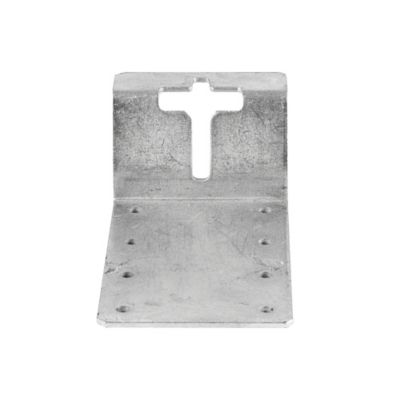
Fence Clamps are a related category to consider when the connection calls for clamping components rather than wrapping wire around a T-post. Matching each fastener to its support, fencing material, and intended load helps keep a pasture division, garden boundary, or farm lane fence connected where it counts, without asking a small piece of hardware to do a brace post’s job.