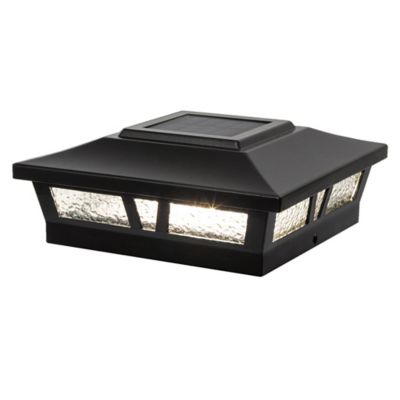
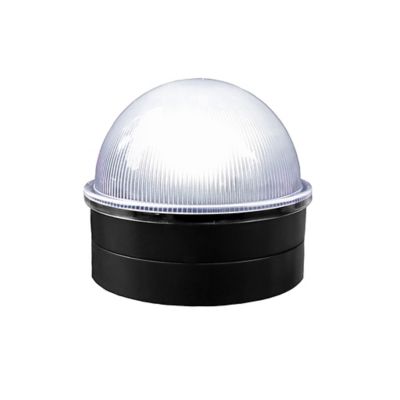
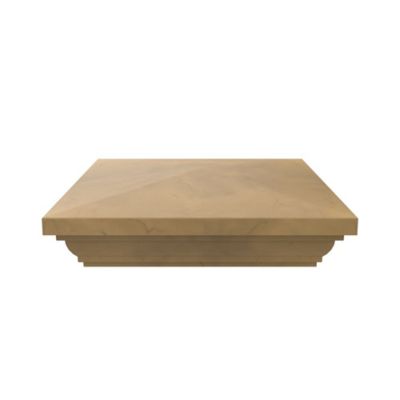
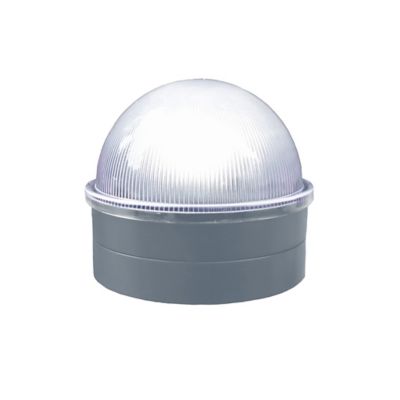
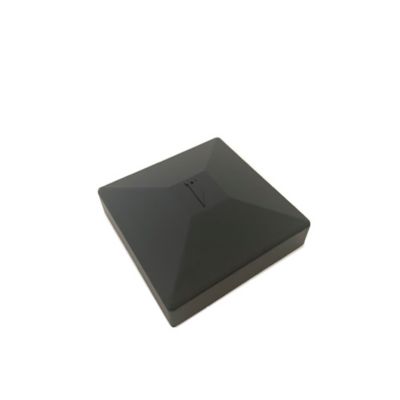
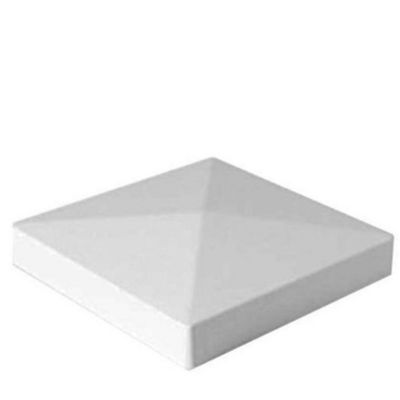
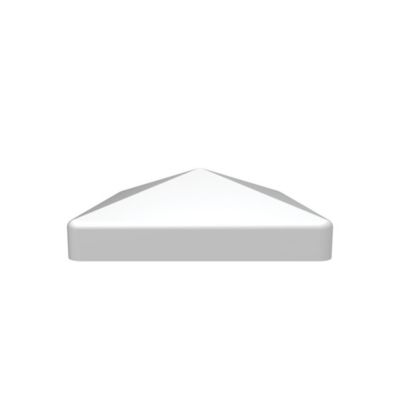
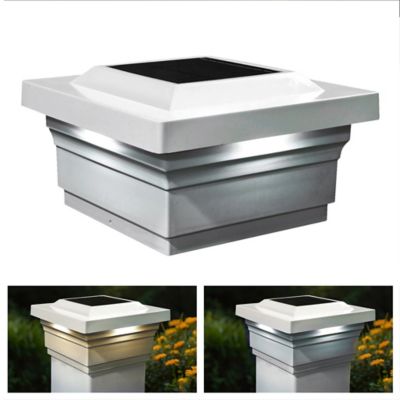
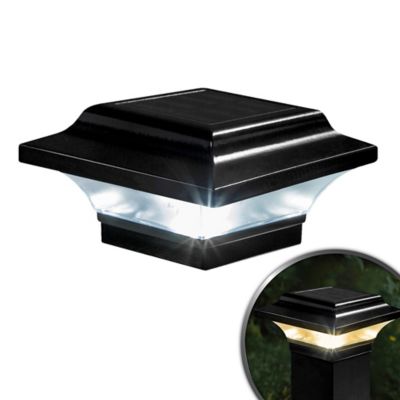
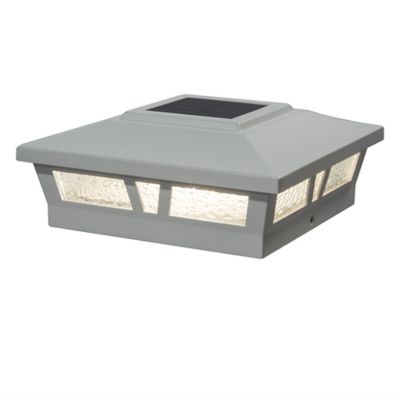
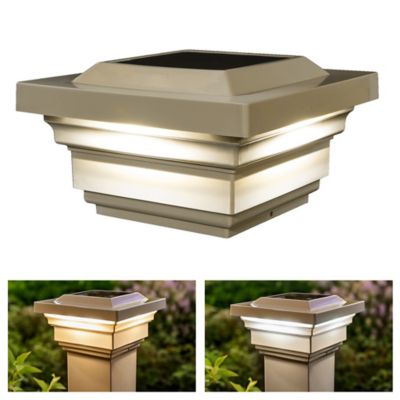
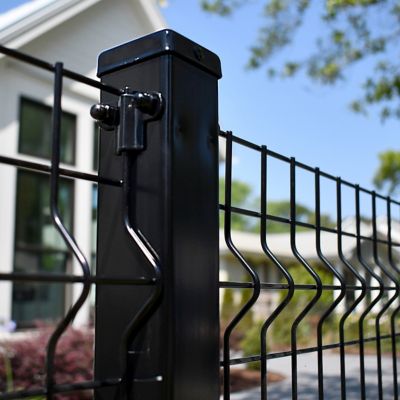
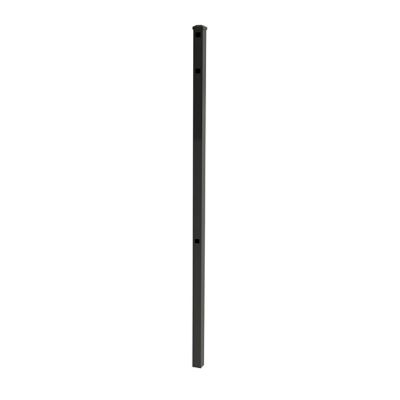
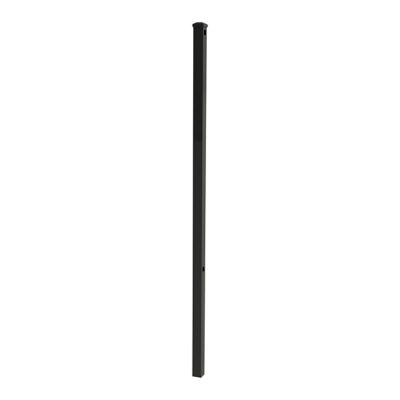
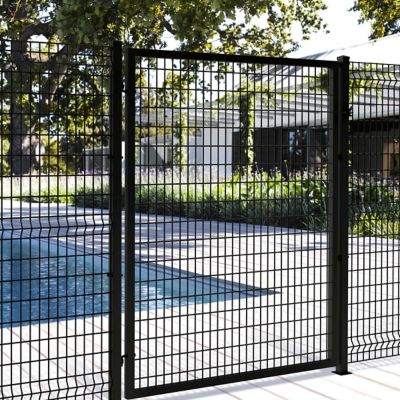
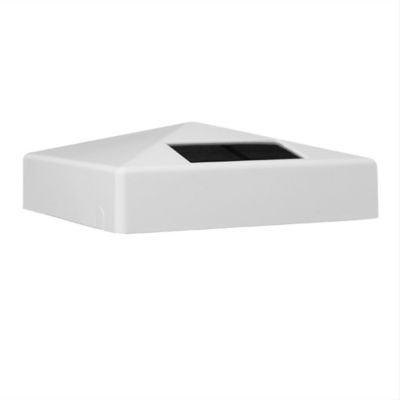
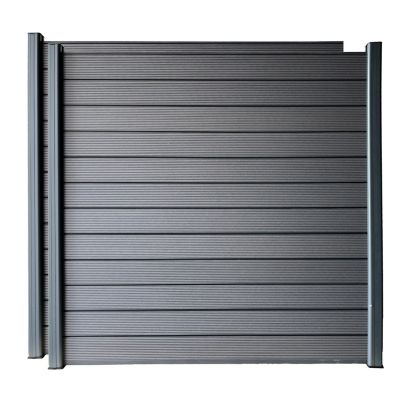
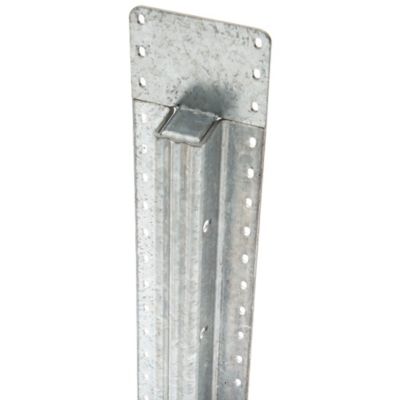
Fence post tops, also called fence post caps or post caps, give a finished look to a new fence while helping protect the open end of each post from weather. When rain, melting snow, and morning dew soak into exposed end grain, wood can swell, split, or start to rot from the top down. A properly fitted cap helps shed water and keeps the top of the post from holding moisture. It also covers sharp or unfinished edges and can make a long fence line look more polished, whether the fence surrounds a backyard, livestock area, garden, driveway, or pasture. Fence post tops are available in several shapes, materials, and finishes, so it is easy to choose a style that suits the rest of your property. Pyramid and sloped caps are a familiar choice for wood fencing because water runs off their angled surfaces, while flat and low-profile caps fit a cleaner, more modern look. Decorative tops can add a little character to a porch or garden fence, and solar-lighted styles can provide a soft glow along a walkway or gate after the sun goes down. For a simple, low-maintenance finish, browse options such as
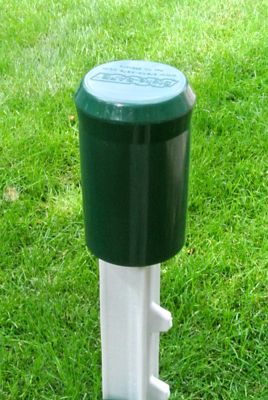
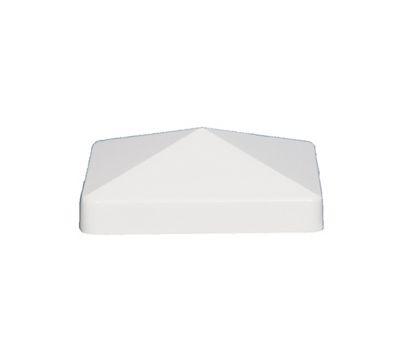
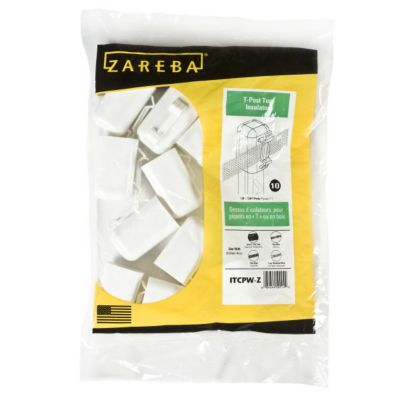
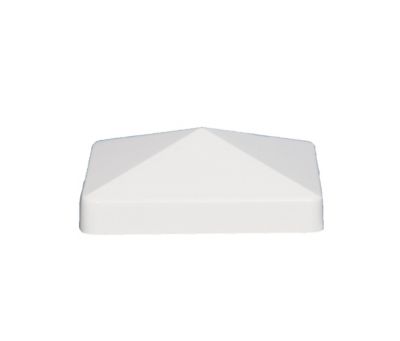
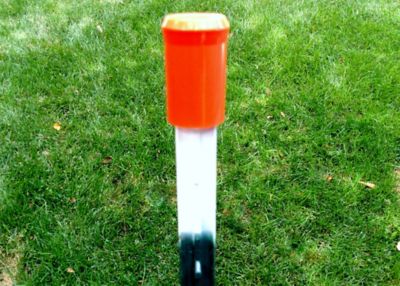
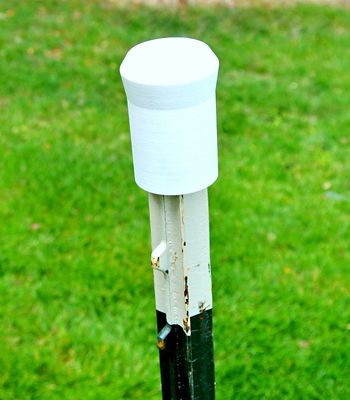
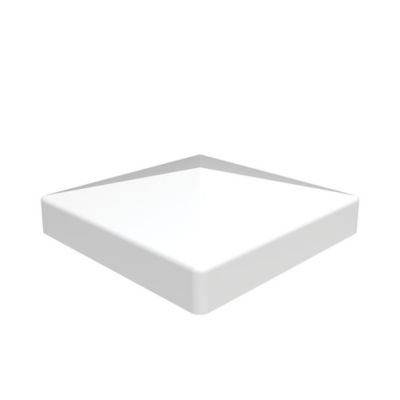
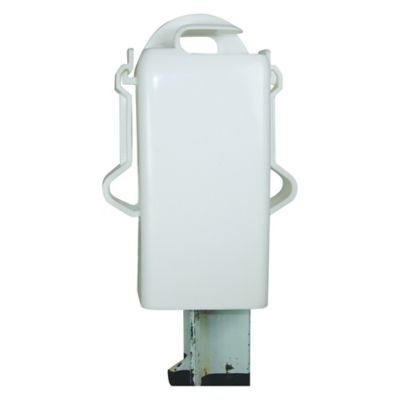
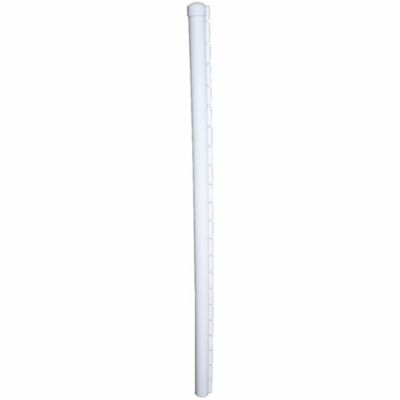
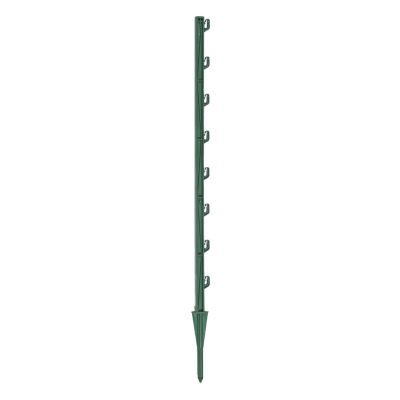
White Pvc Fence Post Caps, which can complement light-colored fencing and outdoor trim. Metal caps bring a durable look to wood, chain link, and other fence systems, while vinyl and PVC are valued for their resistance to moisture, fading, and everyday upkeep. Wood caps blend naturally with cedar, pine, and treated lumber, though they may need sealing or painting to help them stand up to wet weather. If the fence is used around animals, gardens, or areas where children and pets play, protective caps for T-posts and U-posts can cover exposed steel ends and help reduce the chance of snagging clothing or causing an injury. These safety-focused caps are especially useful on utility fencing, temporary pens, and repair sections where a post may sit above the wire or panel.
The most important shopping detail is fit. Measure the actual outside dimensions of the post rather than relying only on the nominal lumber size stamped on the package. A post sold as a 4x4 commonly measures about 3 1/2 by 3 1/2 inches after milling, so a cap made for a nominal 4x4 may have an opening close to those finished dimensions. Older posts, rough-sawn lumber, metal tubing, and posts with paint or wrap can measure differently. Check the cap opening, post shape, and depth of the sleeve before ordering, and look for a design that sits snugly without forcing it over the post. A cap that is too loose may rattle, lift in high wind, or allow water to collect around the post top; one that is too tight can split a wood cap or become difficult to install. Chain link fence posts usually require caps made for the round diameter of the pipe, while T-post and U-post caps are shaped to match the steel profile. Take note of whether the post top is level, cut at an angle, or already fitted with a bracket, hinge, solar wire, or other hardware. Some caps slide over the post and are fastened with screws or nails, while others use an internal fit or set screw. For wood installations, a small pilot hole helps keep screws from splitting the cap, especially near corners or on dry lumber. Exterior-rated fasteners are a smart choice around fencing because ordinary steel hardware can rust and leave stains. A bead of suitable outdoor adhesive may help hold a loose-fitting cap in place, but it should not replace the manufacturer’s recommended hardware where wind, livestock, or regular contact could pull the cap free. Before installation, brush away sawdust, dirt, and standing water, and make sure the post is sound. A cap can help protect a good post, but it cannot repair wood that is already soft, cracked through, or rotting below the surface.
Fence post tops are useful for homeowners finishing a weekend fence project, farmers replacing worn sections around a field, property managers maintaining rental homes, and anyone giving an outdoor-minded friend a practical housewarming or homestead gift. They are also handy when a fence has been in place for years but the tops have started to weather unevenly. Replacing the caps can freshen the appearance without rebuilding the entire fence, and matching caps across gates, corners, and terminal posts can make a property look cared for from the road. When planning a larger installation, count every post and separate standard line posts from corner, end, gate, and brace posts, since these may have different sizes or hardware. Keep a few extras on hand for future repairs, particularly if the fence is exposed to strong sun, heavy rain, ice, or frequent contact from animals. During the warmer part of the year, caps can be installed as part of routine fence maintenance, while the cooler months are a good time to inspect loose pieces, cracked wood, rusted fasteners, and caps displaced by wind. A quick walk along the fence line can reveal places where water is pooling, posts are leaning, or a safety cap has gone missing. Choose the material and shape with the whole property in mind: a weather-resistant finish may be the best fit for a busy farm, a traditional wood top may suit a garden fence, and a simple metal or PVC cap can keep a utility fence neat with little maintenance. With the right measurements and secure installation, fence post tops add a clean finishing touch and help your fence stand up to the seasons ahead.