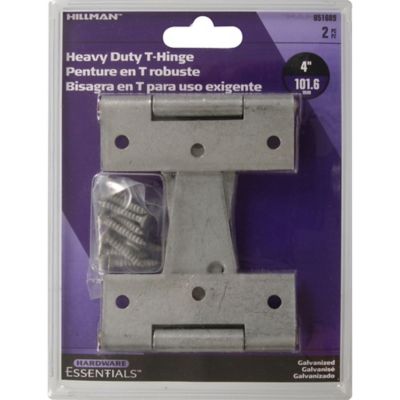
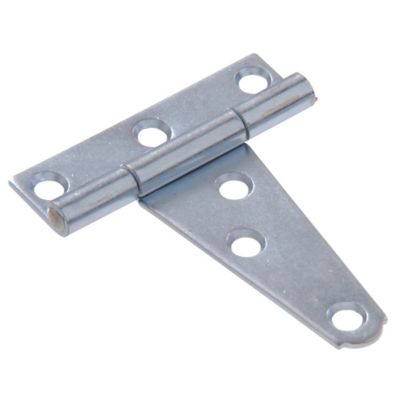
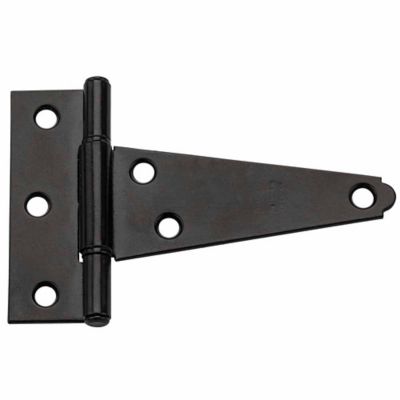
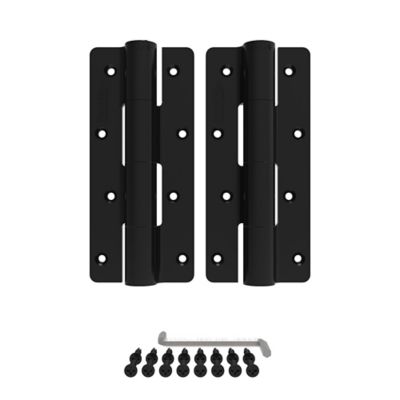
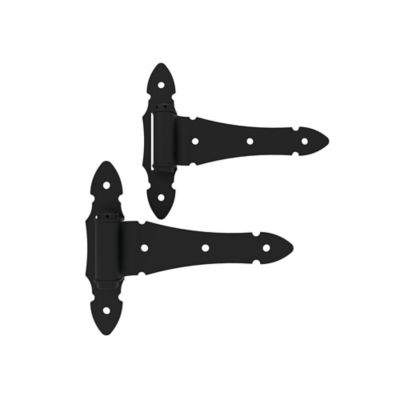
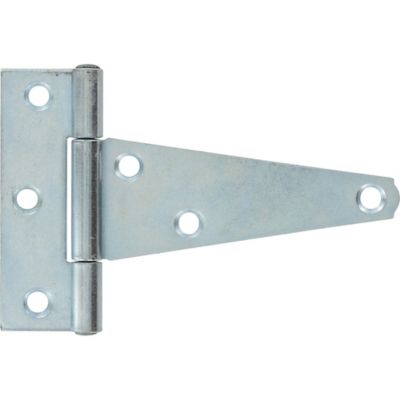
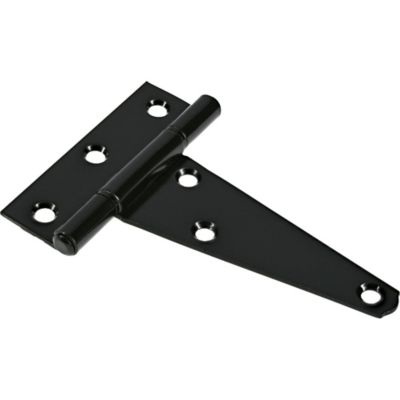
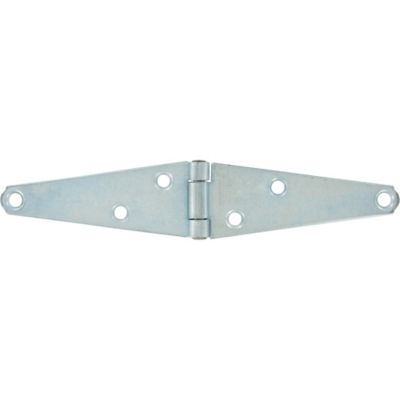
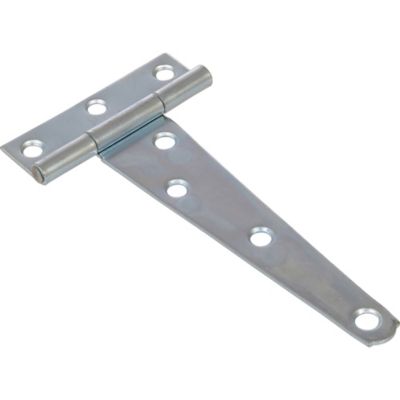
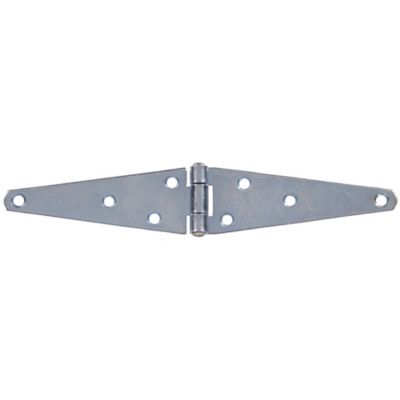
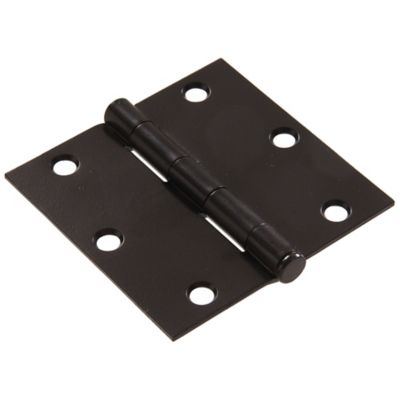
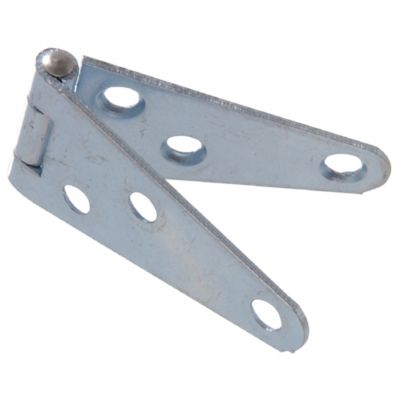
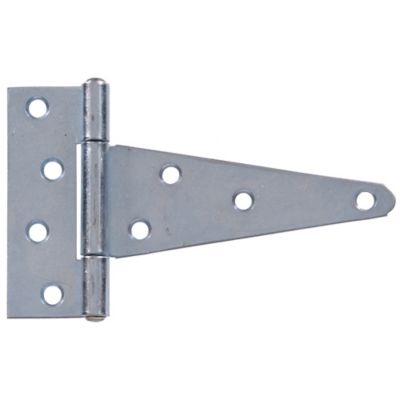
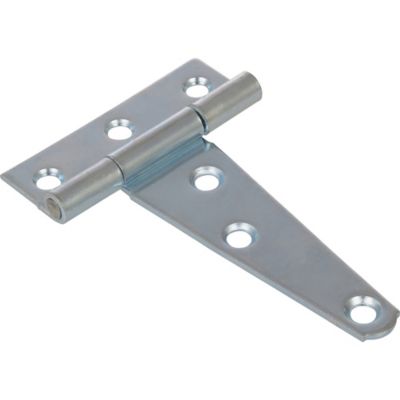
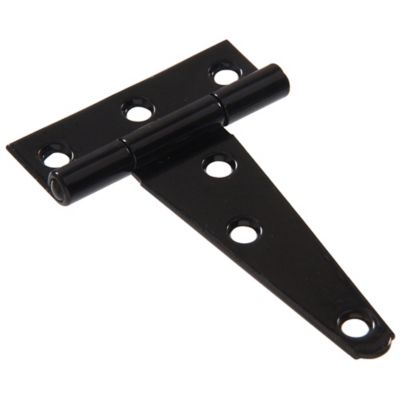
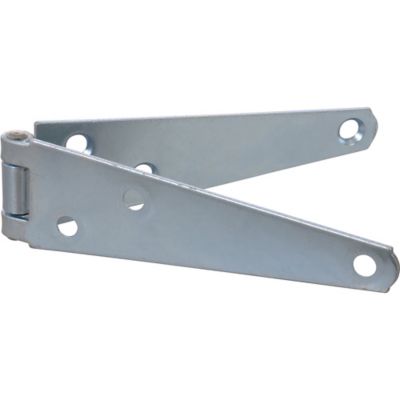
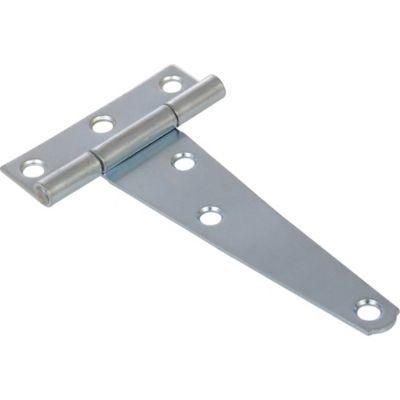
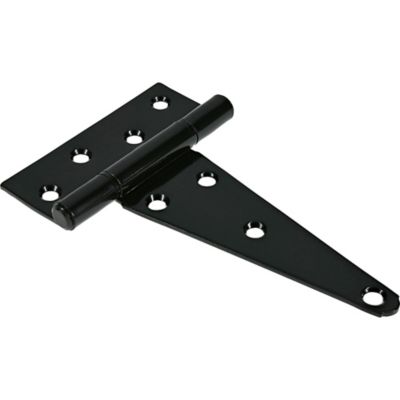
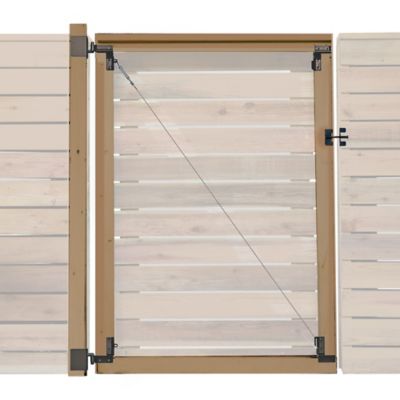
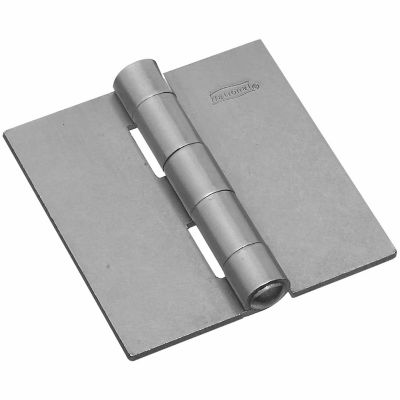
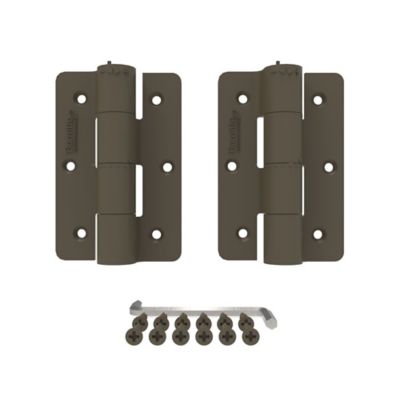
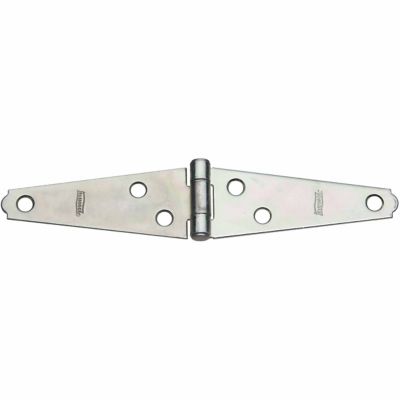
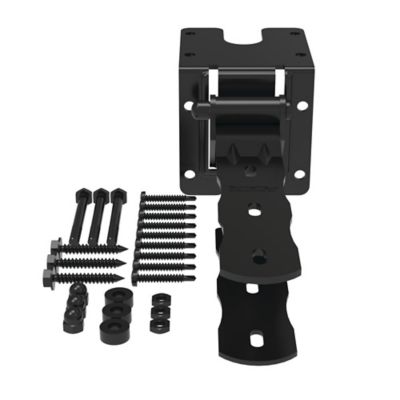
Surface mount hinges are a handy choice when you need a door, cabinet front, lid, or small access panel to swing smoothly without cutting a mortise into the wood. Instead of being recessed into the edge of the door and frame, these hinges attach directly to the surface, making them especially useful for quick repairs, straightforward installations, overlay cabinet doors, and furniture projects where preserving the original wood matters. They can bring an old cupboard back into service, give a handmade chicken-coop door a dependable swing, or add a finished look to a storage chest, tack cabinet, workshop bin, or garden shed. Because they generally do not require precision router work or cup-drilling, surface mount hinges are approachable for do-it-yourselfers, renters making nonpermanent improvements, and anyone working with basic tools at the kitchen table or in the barn shop. They are also a practical option when a door or frame is too thin for a recessed hinge or when you are matching existing hardware on vintage or antique furniture. For projects that call for the hinge leaves to sit fully on the face of both the door and frame, you may also want to browse
Full Surface Hinges to compare styles suited to that arrangement. As with any hardware project, measure the door and frame before ordering, check the hinge dimensions against the available mounting space, and consider how far the door needs to open. A small cabinet door may only need a compact pair, while a wide wooden door, heavy lid, or frequently used access panel may call for larger hinges with thicker leaves and a higher load capacity. The weight rating should account for the door itself as well as anything attached to it, such as a mirror, trim, screen, or storage rack.
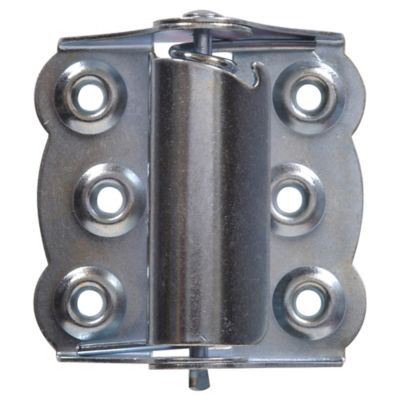
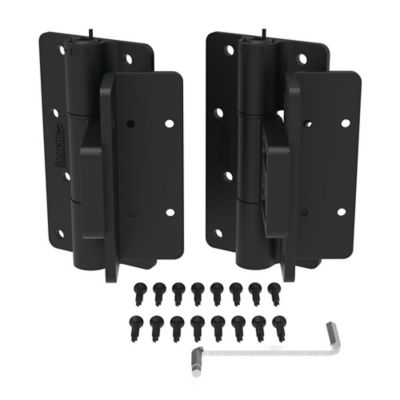
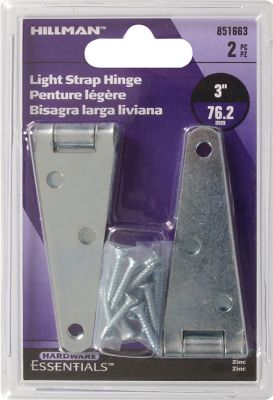
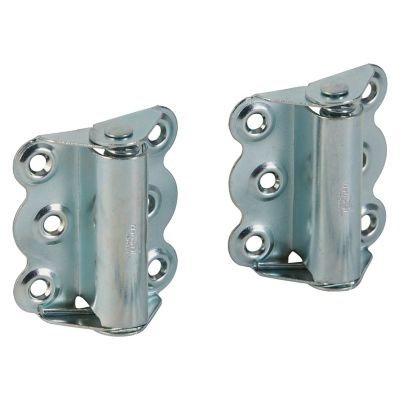
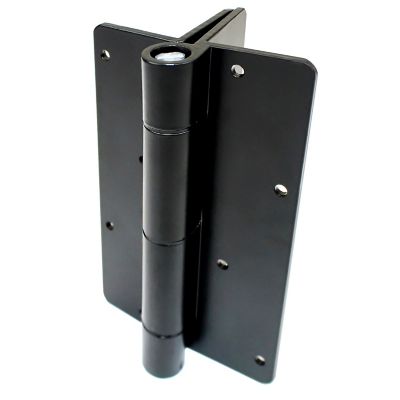
The right surface mount hinge depends on how the door works and the look you want around it. Overlay cabinet hinges are made for doors that sit over the cabinet opening, while inset-style hardware is intended for doors that fit within the frame; choosing the wrong type can leave the door proud of the frame, prevent it from closing cleanly, or create an uneven gap. Self-closing hinges can help keep a pantry, animal-feed cabinet, tack-room cupboard, or workshop door from standing open, which is useful when your hands are full of tools, groceries, or a scoop of feed. Concealed surface hinges offer a cleaner appearance and may allow adjustments in more than one direction, making them useful for furniture, modern cabinetry, and specialty doors where visible hardware is not part of the plan. Bifold hinges are commonly used on folding doors, small cabinets, chests, and compact storage projects, while decorative butterfly hinges and strap hinges add a more traditional touch to rustic furniture, trunks, gates, and barn-inspired décor. Finish is more than a style choice, too. Black, bronze, brass-tone, and galvanized finishes can help hardware blend with the rest of the room or stand up to the look of a hardworking outbuilding. For damp areas, unheated sheds, mudrooms, and projects exposed to changing weather, look for materials and finishes suited to the environment and keep an eye on the fasteners, since ordinary screws can rust or loosen before the hinge itself shows much wear. Surface mount hinges can make a thoughtful gift for a woodworker, new homeowner, furniture flipper, or handy neighbor who enjoys fixing up old pieces. They are small enough to keep in a project bin but useful for all sorts of repairs, from replacing a worn hinge on a keepsake box to finishing a custom-built chicken brooder or toy chest.
Installation is usually simple, but careful layout makes the difference between a door that swings neatly and one that rubs every time it moves. Start by supporting the door at its intended height with shims or a helper, then mark the hinge locations with the door aligned to the frame. Many doors use two hinges, one near the upper portion and one near the lower portion, while taller or heavier doors may benefit from an additional hinge between them. Keep the hinge leaves straight and evenly spaced, and avoid placing them so close to an edge that the screws could split the wood. Mark each hole, drill properly sized pilot holes, and drive the screws snugly without overtightening; pilot holes are especially helpful in dry lumber, hardwood, reclaimed boards, and narrow cabinet rails. If you are replacing existing hardware, use the old screw holes only when they are still tight and positioned correctly. Otherwise, shift the hinge slightly or repair the holes with suitable wood filler or a hardwood plug before remounting. Test the swing before fully tightening every screw, checking that the door clears the frame, the gaps look even, and the latch or catch lines up. On a shed, coop, or outdoor cabinet, leave enough clearance for seasonal swelling and shrinking, particularly when the door is made from unfinished or moisture-prone wood. During warmer weather, dust and grit can work into moving parts around a busy workshop or barn; during the cooler months, damp air and changing temperatures can affect wood alignment. A light application of hinge-safe lubricant and an occasional check for loose screws can keep the movement quiet and dependable. Whether you are restoring a favorite piece of furniture, building storage for tools and supplies, or handling a simple household repair, surface mount hinges offer a practical blend of easy installation, useful strength, and dependable everyday function.