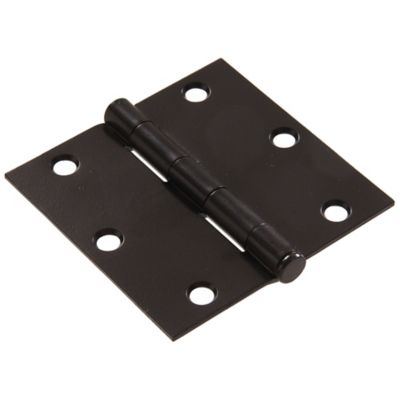
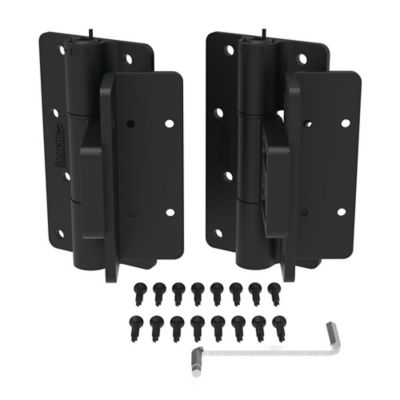
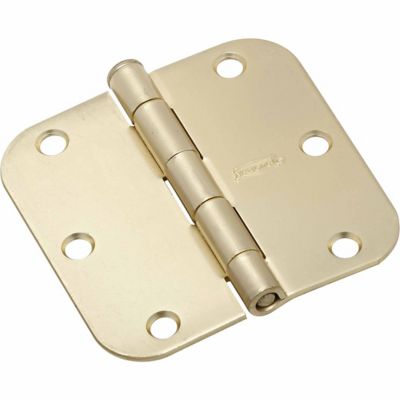
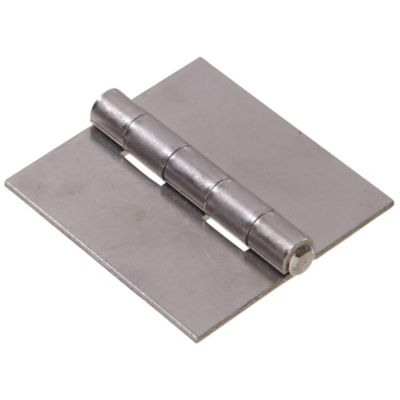
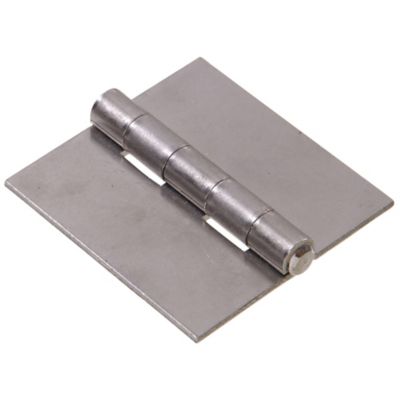
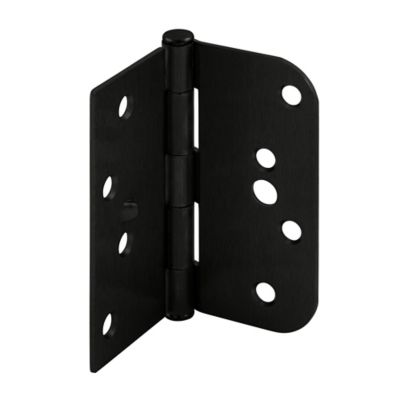
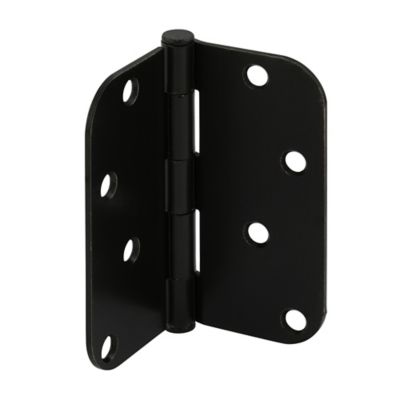
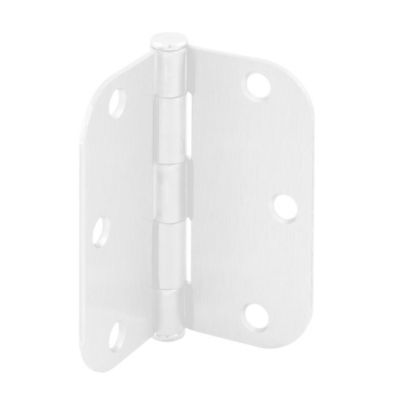
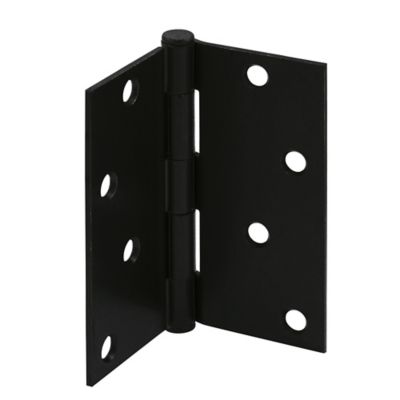
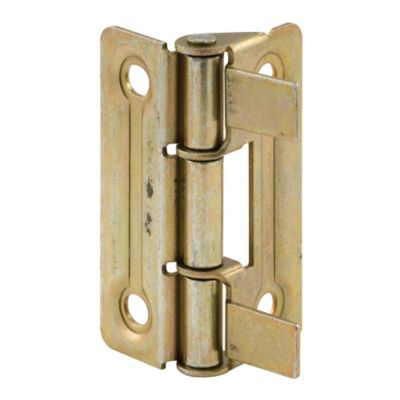
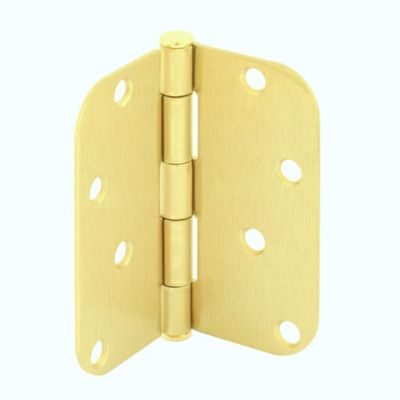
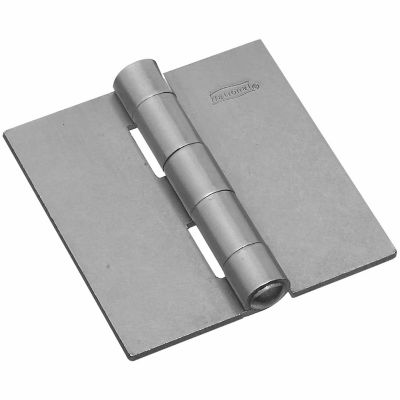
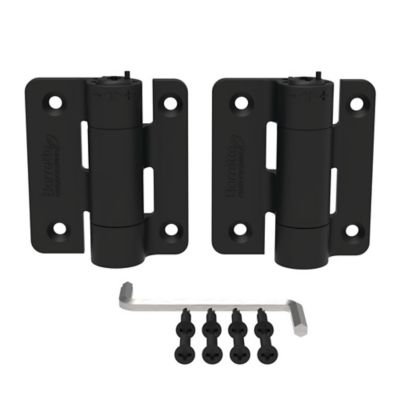
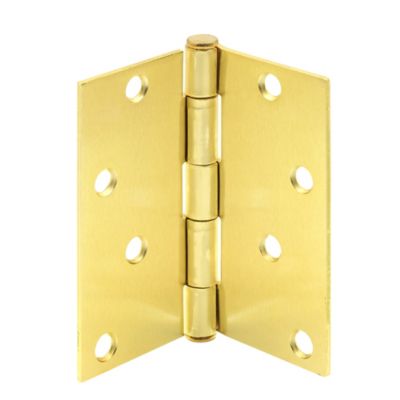
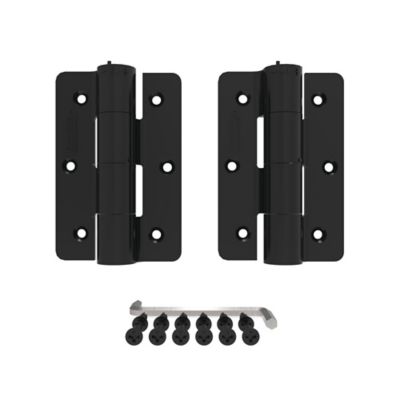
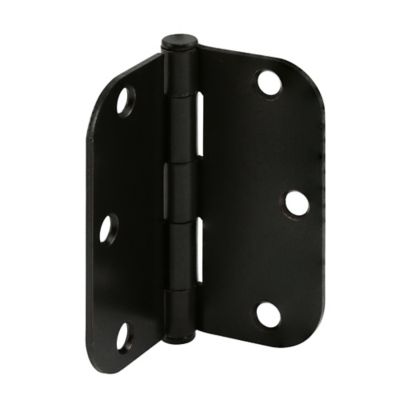
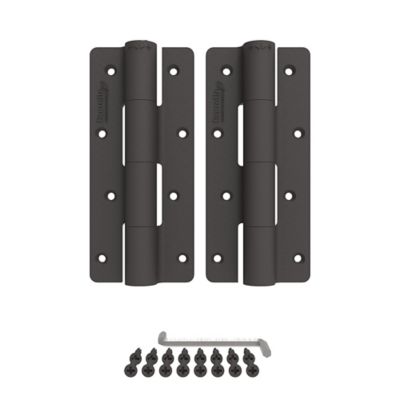
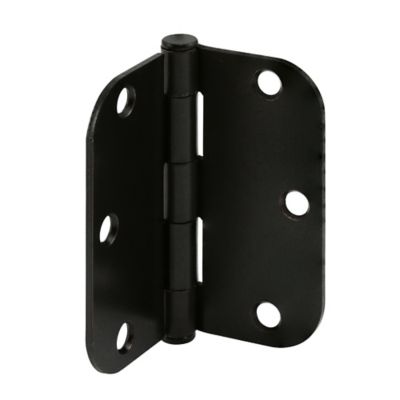
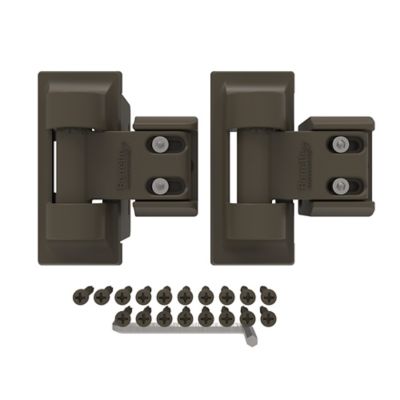
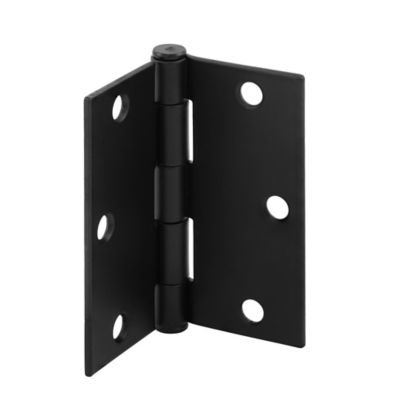
Flush mount hinges are a handy choice when you want a door, lid or panel to open smoothly without a bulky hinge standing proud of the surface. Their compact design allows the hinge leaves to sit neatly against, or partially within, the adjoining surfaces, giving finished projects a cleaner look and helping reduce snags in tight spaces. They are commonly used on cabinet doors, utility cupboards, tack room storage, feed bins, wooden chests, tool boxes, workbench compartments and other indoor or sheltered projects around the home, farm or workshop. A well-fitted flush mount hinge can make an everyday storage door feel solid and dependable, whether it is holding a small cabinet shut in the mudroom or keeping a box of fencing supplies organized in the shop. When browsing hinges, start by considering the door or lid itself. Measure the thickness of the material, the overall size of the panel and the amount of weight the hinge will need to carry. A small, lightweight door may only need a pair of compact hinges, while a wider or heavier panel may need additional support. Always check the listed load capacity and installation requirements instead of relying on appearance alone. The hinge should be strong enough to support the door without sagging, binding or pulling loose from the wood. It also helps to look at the hinge’s open angle and movement. Some projects need a lid to lift only partway, while others work best when a cabinet door swings wide for easy access. A removable pin can be useful when a door needs to come off for painting, repairs or moving large equipment through a storage area. Fixed-pin designs can offer a simple, sturdy setup for doors that rarely need to be removed.
Material and finish matter just as much as size. Steel hinges are a familiar choice for many indoor utility projects, and their sturdy feel suits cabinets, shop storage and heavier wooden boxes. Stainless steel or corrosion-resistant finishes may be a better fit for areas exposed to damp air, occasional splashing or changing temperatures, such as a wash area, enclosed porch, greenhouse storage space or outbuilding. Even when a hinge is labeled for outdoor use, placement still matters. A hinge on a protected shed cabinet will generally face less wear than one mounted on an exposed gate or box left in the weather. For exterior projects, match the hinge with fasteners suited to the material and environment, and make sure the mounting surface is sound. Soft, split or weathered wood can cause screws to loosen no matter how well-made the hinge may be. Pay attention to the screw hole pattern, leaf dimensions and hinge thickness so the hardware sits flat and the door stays aligned. On an inset door, the panel sits within the frame, so accurate measurements and careful positioning are especially important. A small amount of extra clearance may be needed around the edges to prevent rubbing as the wood expands and contracts through cooler months and changing humidity. For an overlay door, the hinge placement and available surface area may be different. Flush mount hinges are valued for their low-profile appearance, but they are not the right choice for every application. Large exterior doors, heavy gates and frequently slammed barn doors may call for more substantial hardware. In those situations, compare the size and strength of the hinge carefully, or consider other styles such as
Full Surface Hinges when a visible, easy-to-mount design better suits the project.
These hinges can be useful for all kinds of practical repairs and improvements. A do-it-yourself homeowner may use them to refresh a tired kitchen cabinet, add a door to open shelving or build a simple storage chest for blankets, tools or seasonal gear. In a rural home, flush mount hinges can help finish a custom cabinet in the laundry room, a small grain or supply cupboard in the garage, or a wooden box kept near the back door for gloves, leads and other daily necessities. Woodworkers often appreciate the tidy appearance when building keepsake boxes, folding work surfaces or compact organizers, while renters and new homeowners may choose them for modest repairs that make existing storage work better. They can also make a thoughtful gift for someone who enjoys woodworking, homesteading, home repair or organizing the workshop. Paired with a selection of suitable screws and a simple measuring tool, hinges are the kind of useful hardware that can become part of several projects rather than sitting unused in a drawer. Installation is usually most successful when the door and frame are supported in their final position before marking the holes. A pencil, square and small pilot bit help keep the hinge straight, and pilot holes reduce the chance of splitting the wood. Drive screws snugly, but avoid overtightening, which can strip the hole or distort the hinge leaf. After mounting, open and close the door several times, checking for even gaps, rubbing or a latch that no longer lines up. If the hinge pin or knuckles need lubrication, use a light lubricant sparingly and wipe away excess so it does not collect dust. With the right size, material and weight rating, flush mount hinges provide a clean, practical way to keep doors and lids working smoothly through busy days, muddy seasons and the cooler months ahead.