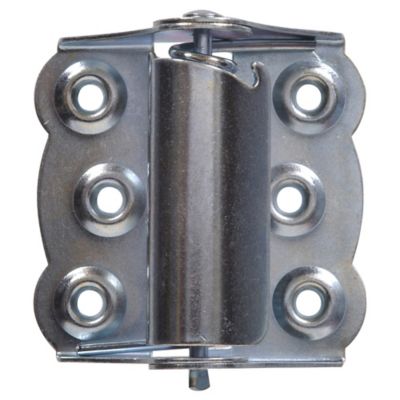
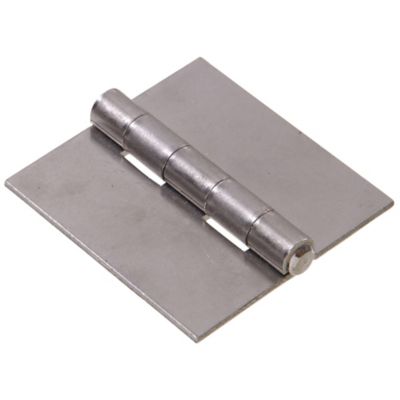
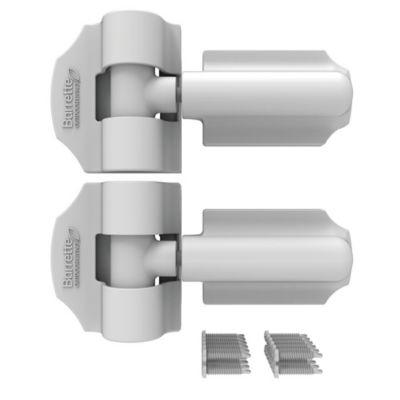
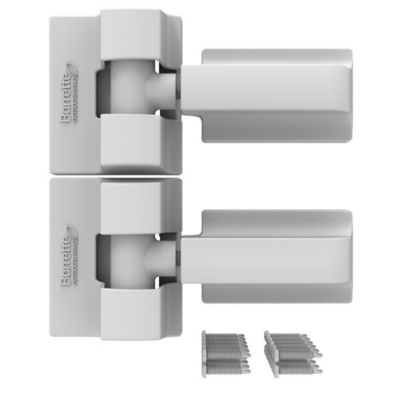
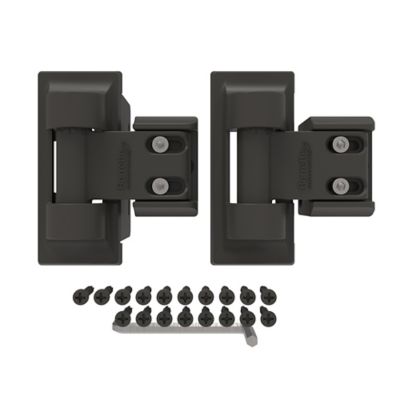
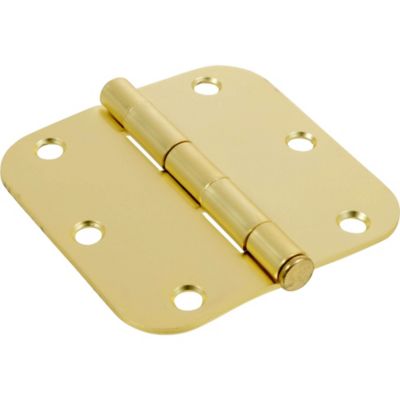
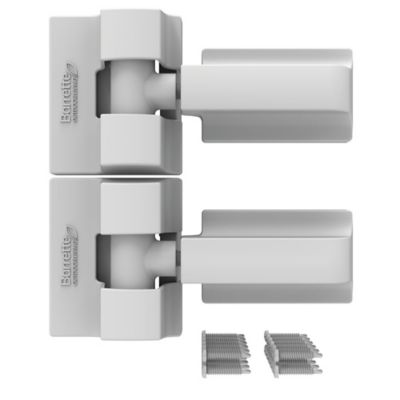
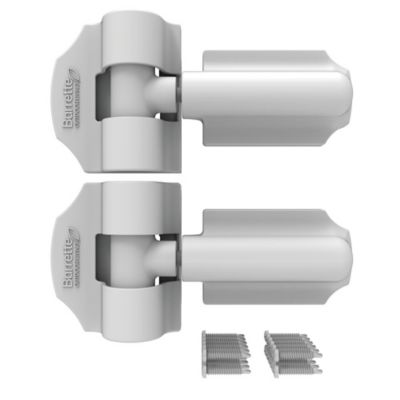
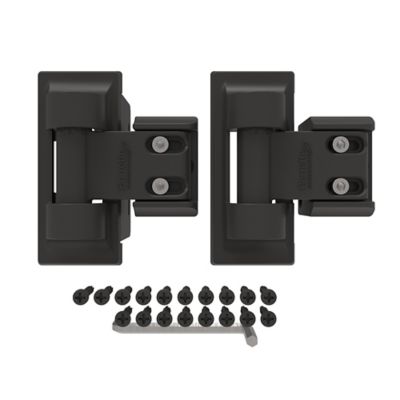
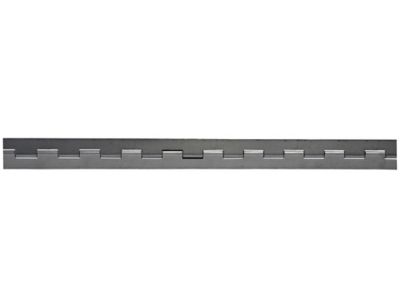
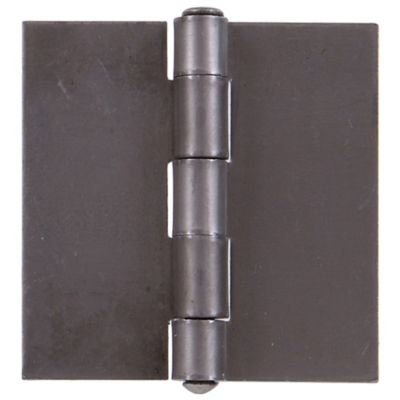
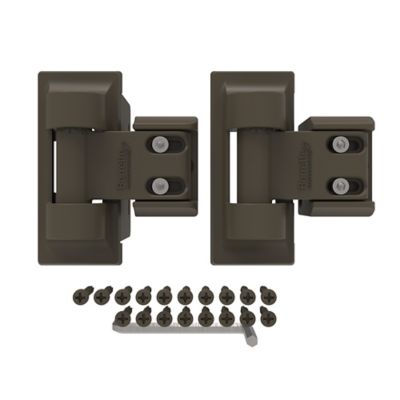
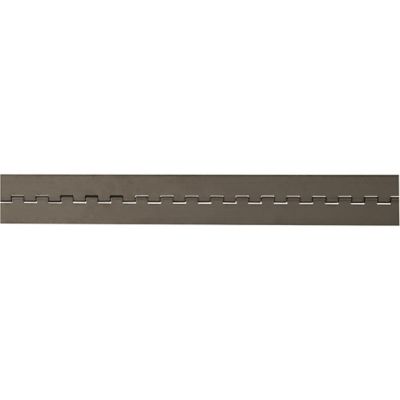
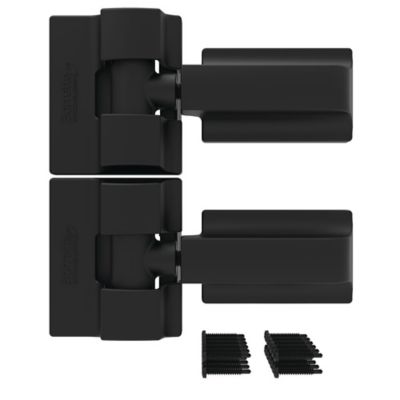
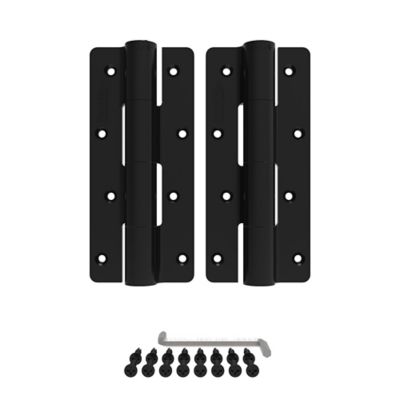
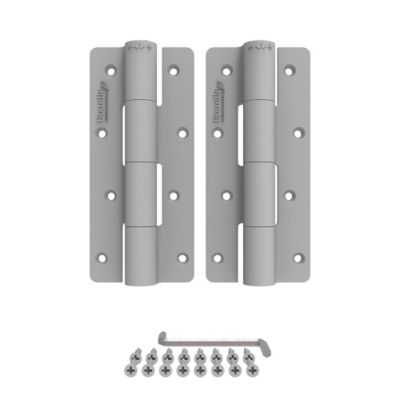
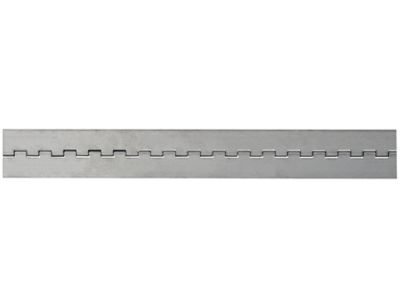
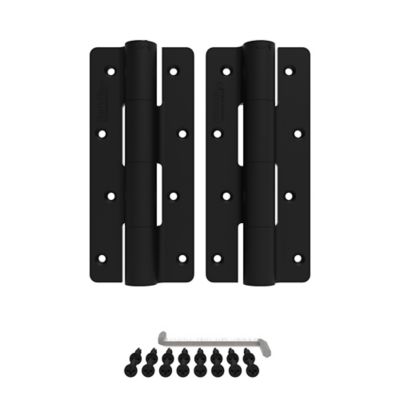
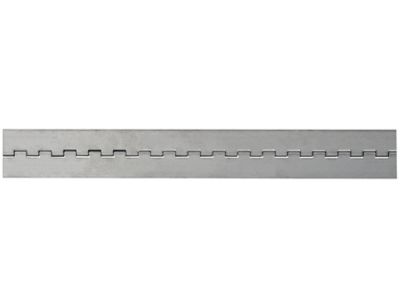
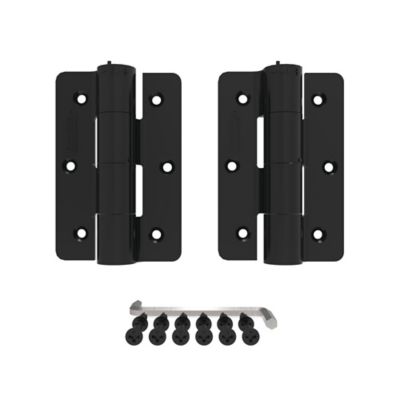
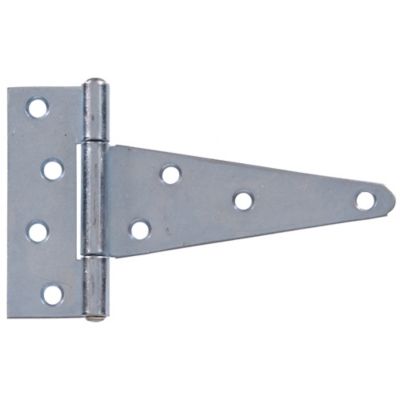
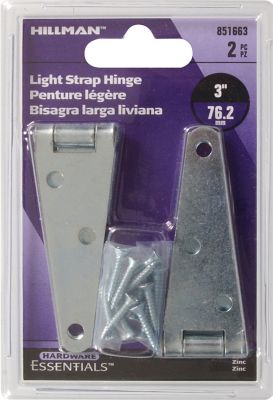
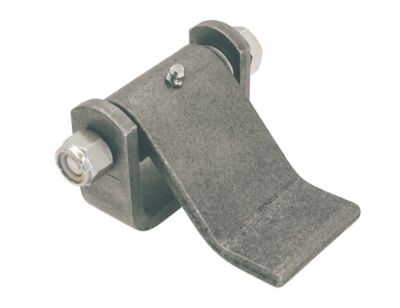
Full surface hinges mount directly to the exposed faces of both a door and its frame, rather than sitting in recessed pockets called mortises. That mounting style allows the hinge leaves to remain visible while supporting the door’s swing, with no mortising required for the leaves themselves. Screw holes, proper alignment and other preparation may still be necessary, depending on the door, frame and hinge design. Full surface hinges include individual plate-style hinges and continuous hinges that extend along much of the door’s height. Some continuous designs have a geared joint rather than a traditional hinge pin, so their construction and maintenance needs differ from familiar pin-and-barrel hardware. For a shop entrance, utility room or storage building, the appeal often comes down to straightforward mounting and a hinge layout that suits the existing opening. A sound door and frame may need replacement hardware without needing a whole new set of recessed hinge pockets. Surface mounting can make sense for that kind of repair, provided the hinge’s dimensions, operating clearances and attachment requirements match the job. The visible leaves also make the hardware’s footprint worth considering, especially where nearby trim, handles or wall surfaces leave little room. On a working property, a door might get opened with an armload of supplies, swung wide for equipment or latched repeatedly throughout the day. Those everyday demands matter more than appearance alone. Door weight, width and frequency of operation all affect which hinge construction belongs on the opening. A small storage door and a broad, heavily traveled shop door place very different demands on their hardware, even when both call for surface mounting. Matching the hinge to the actual work helps support steady movement without asking the screws, frame or hinge joint to carry more than their design allows.
Materials and finishes help narrow the choices for full surface door hinges. Steel offers strength for many working-door applications, while stainless steel can suit settings where dampness or frequent cleaning makes corrosion resistance a concern. Aluminum is common in certain continuous geared designs, where the hinge’s profile and internal construction are part of the overall support system. A coating or plated finish can help protect the underlying metal, but the base material, finish and fasteners still need to suit the installation environment. An equipment room with occasional splashes presents different conditions from a dry interior closet. Compatibility matters, too, since some combinations of metals and treated wood can contribute to corrosion unless the specified hardware and protective measures are in place. Fit involves more than choosing a hinge that looks about the right length. Leaf width determines how much mounting area the hinge occupies on the door and frame, while leaf thickness, hinge projection and pivot location affect clearance as the door moves. Trim that seems well out of the way with the door closed may interfere once it swings open. Door thickness, frame shape and the gap around the opening also deserve attention, along with whether a hinge is handed or reversible. Weight ratings are another important comparison, but a published rating may depend on door dimensions, hinge quantity, fastener type and mounting conditions. For continuous hinges, the manufacturer’s sizing and attachment requirements are especially important; length alone does not establish how much weight a hinge can carry. Wood screws need sound material to grip, and metal doors or frames may call for machine screws, reinforcement or other specified fasteners. A hinge mounted over stripped holes, split lumber or thin, unsupported metal cannot make up for a weak attachment point. That is why the condition of the opening belongs in the same conversation as the hinge’s material and size.
Day-to-day function is where a well-matched full surface hinge earns its place. The door should move through its intended swing without the leaves binding, the edge scraping the frame or the latch needing a hard shove to catch. A visible surface-mounted hinge is not automatically flush with the surrounding door and frame, and its mounting method does not guarantee a particular opening angle. Where a low-profile arrangement is part of the job,
Flush Mount Hinges offer another hinge category to compare, with the individual mounting specifications determining the fit. Removable pins, fixed pins and security features also deserve attention where they apply. An exposed hinge on an outward-swinging door may need provisions that help resist removal, while a door that comes off occasionally for equipment access may have different requirements. Fire-rated, access-controlled or other specialized openings need hardware approved for that application rather than a general-purpose substitute. Care is usually centered on keeping the hinge area clear, checking attachments and following the maker’s directions for the moving joint. Dust and grit around a shop door can collect near the hinge, and wiping away that buildup makes it easier to spot a loose screw or a developing gap. Lubrication is design-specific: some pin-and-barrel hinges benefit from an appropriate lubricant, while certain geared continuous hinges have bearings or other components that should not receive routine oiling. A squeak, sag or loose leaf can point to more than a dry joint, particularly when the frame has shifted or the fasteners have lost their grip. For property owners, maintenance crews, farmers and folks keeping a busy workshop in order, full surface hinges are practical working hardware. The best fit supports the door, clears the opening and suits the way that space gets handled every day, from carrying feed into a storage room to rolling a tool cart through the shop.