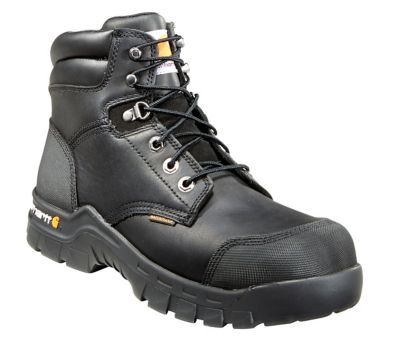
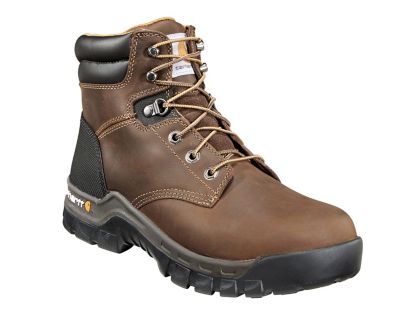
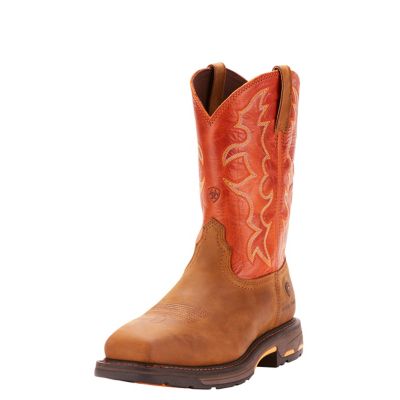
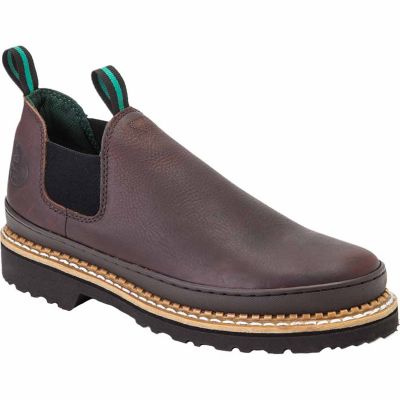
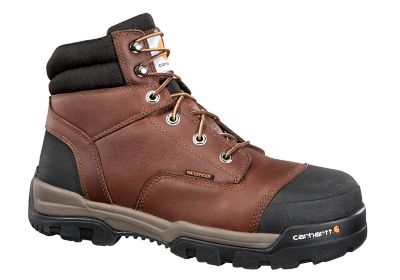
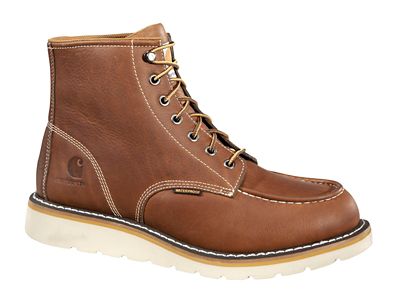
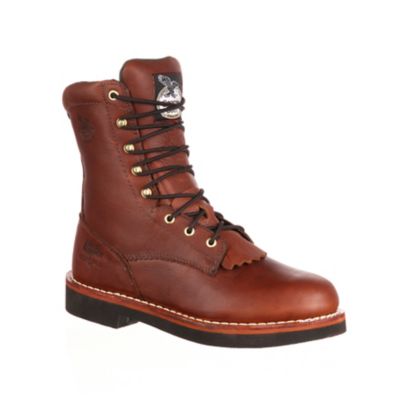
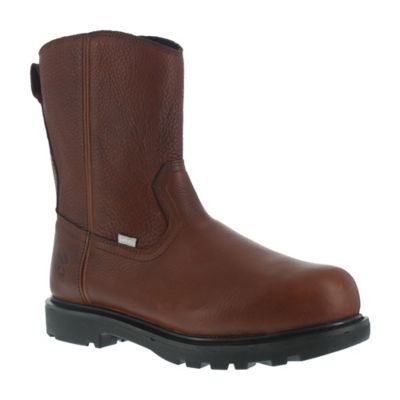
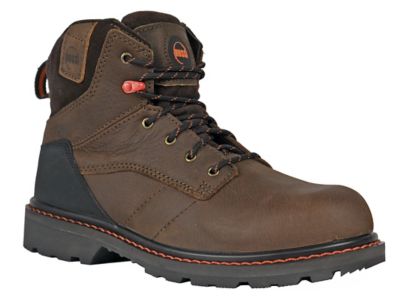
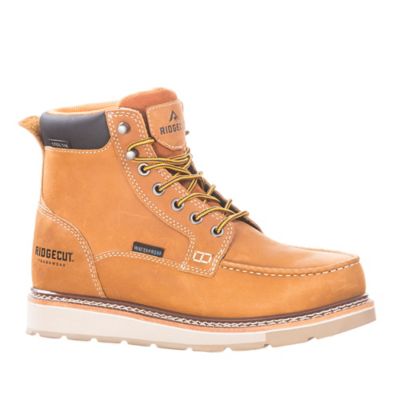
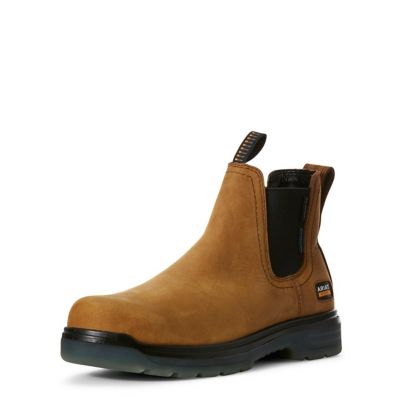
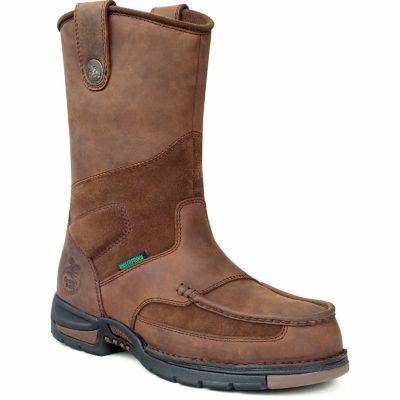
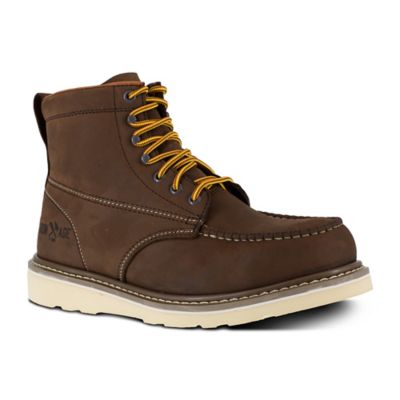
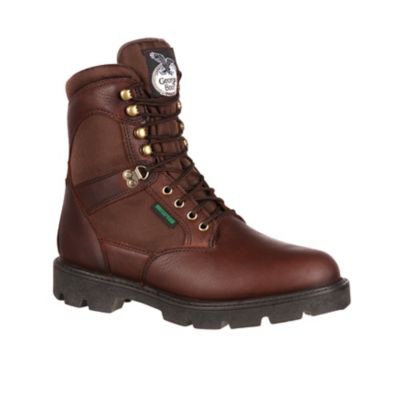
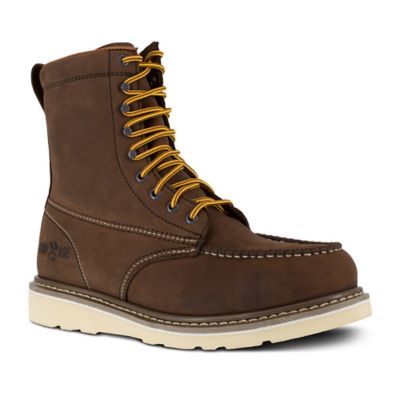
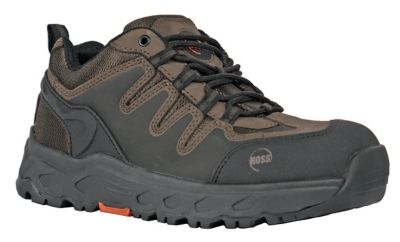
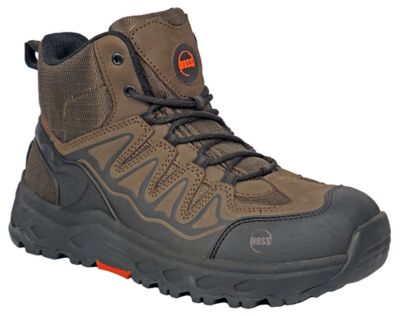
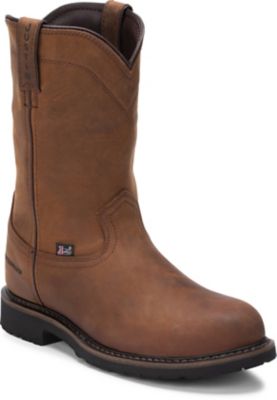
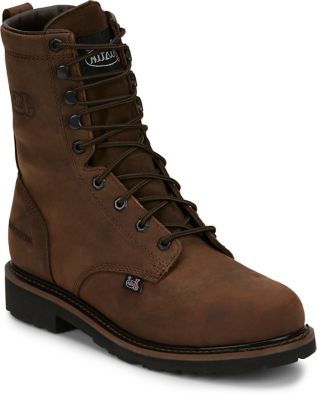
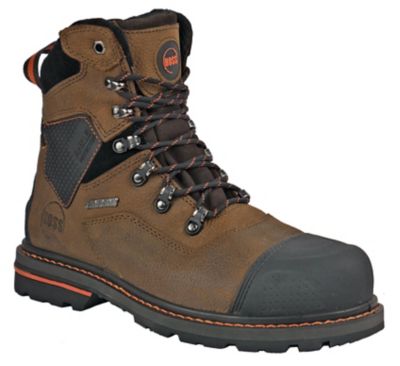
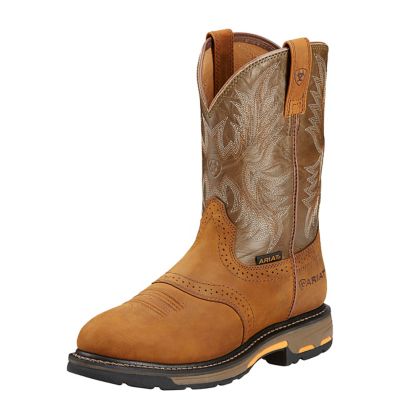
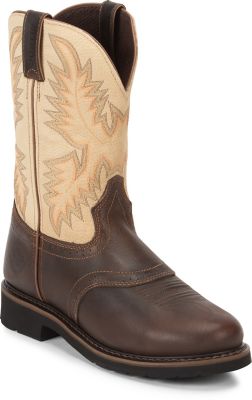
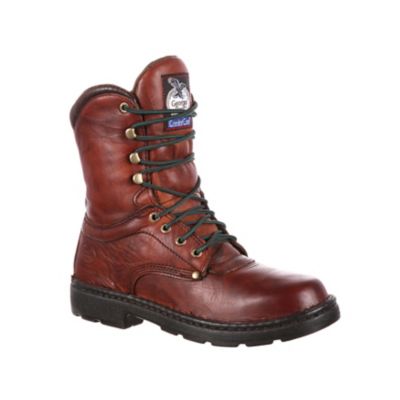
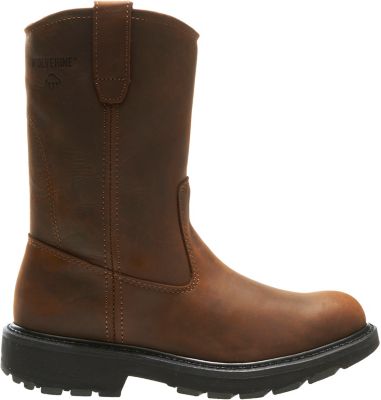
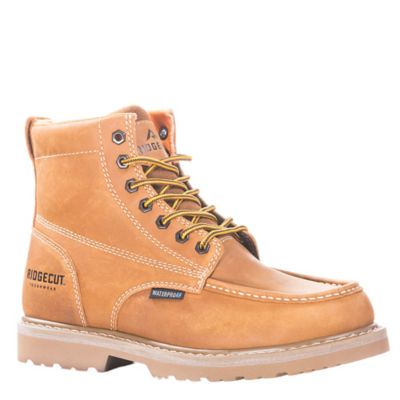
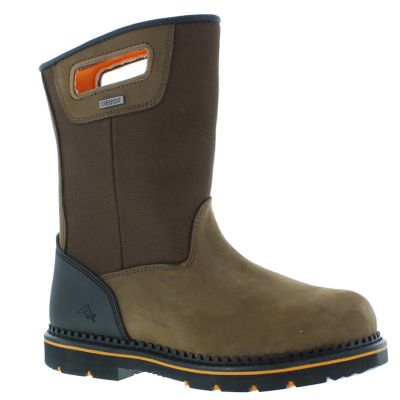
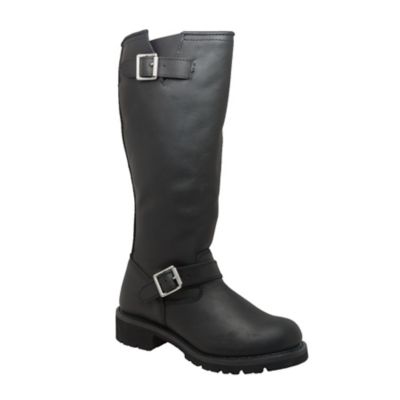
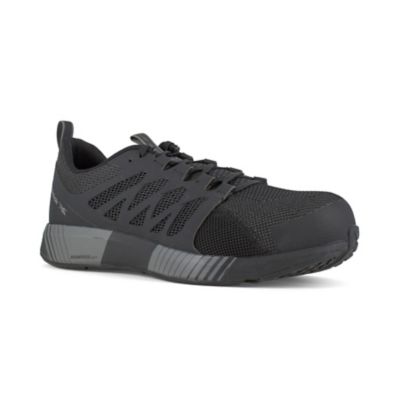
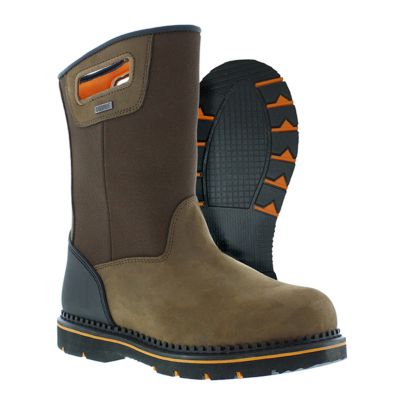
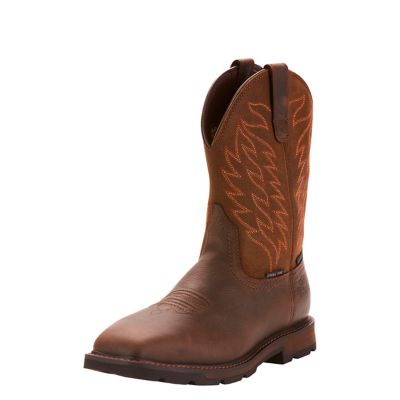
Work boots are built for the kind of days that start before the sun is up and end after the tools are put away. They are a dependable choice for farm work, ranch chores, construction, landscaping, warehouse jobs, roadside repairs and all the muddy, dusty tasks in between. A good pair helps keep feet covered and supported while you move across gravel, pasture ground, concrete floors, wet grass and uneven work sites. When choosing work boots, start with the conditions they will face most often. Waterproof materials can help keep feet drier around morning dew, rain, snowmelt and muddy ground, while breathable construction may feel more comfortable during long days in warm weather. Look for sturdy outsoles with traction suited to the job, especially if you spend time on slick shop floors, loose soil, ladders or rough terrain. Toe protection can add an extra layer of coverage for jobs around equipment, lumber, feed bags and heavy materials, while a roomy toe box gives feet space to move without feeling pinched. Boot height matters, too. Lower work boots are easy to pull on for everyday chores and light-duty jobs, while taller styles can offer more coverage around brush, puddles, mud and blowing debris. Pull-on designs are handy when you are heading out to check a fence line or feed animals, and lace-up boots allow you to adjust the fit around the ankle and lower leg. Whatever style fits your routine, the best pair should feel secure without rubbing, sliding or squeezing. Try them with the socks you normally wear for work, and leave enough room for comfortable movement throughout the day. Feet can swell after hours on the job, so a boot that feels just right for a quick try-on may feel too tight after a full shift.
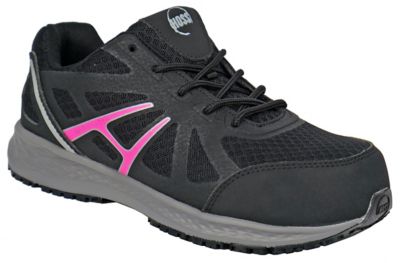
Comfort and support become even more important when work keeps you on your feet from early morning through the cooler months. Look for cushioning and a supportive footbed that help take the edge off hard surfaces, along with a heel area that feels stable when walking, climbing or carrying a load. A flexible sole may be useful for frequent bending and kneeling, while a more rugged sole can suit rough outdoor ground and demanding work areas. Check the stitching, seams, eyelets and pull tabs for solid construction, and pay attention to how easily the boots can be cleaned after a long day. Mud, manure, sawdust and clay have a way of finding every crease, so simple care can go a long way. Knock off dried dirt before it hardens, let damp boots dry away from direct heat, and follow the maker’s care directions for the material. Rotating between pairs can also give each pair time to air out, which is helpful for people who work hard in their boots every day. Work boots are not limited to the job site, either. They can be useful for walking the property, hauling firewood, working in a garden, tending livestock, riding, camping or getting through wet ground on the way to a blind or tree stand. Someone starting a new trade, moving to a rural property or taking on a long list of outdoor projects may appreciate a dependable pair as a practical gift. They are also a thoughtful choice for a parent, partner or family member whose old boots have seen better days. For lighter tasks, office-to-jobsite days or people who prefer a less rugged feel,
Work Shoes may offer another comfortable option while still providing support and coverage.
As the weather warms, look for features that help manage heat and moisture during long hours outside, especially if the boots will be worn while mowing, repairing equipment, hauling supplies or working in the garden. During the cooler months, thicker socks and insulated designs may make outdoor chores more comfortable, but the fit should still allow natural movement without crowding the toes. Keep the rest of the work setup in mind when choosing a pair. Socks made for work can help reduce friction, durable pants should sit comfortably over the boot shaft, and a boot with a reliable grip can make a difference when carrying tools across a slick barn floor or damp patch of ground. People who work around sparks, chemicals, electrical equipment or heavy machinery may have job-specific safety requirements, so check workplace rules before making a purchase. No single boot handles every task the same way, and the right choice depends on the balance of comfort, protection, weather resistance, height, traction and daily wear. A mechanic working on concrete may value cushioning and a steady sole, while a farmer crossing wet fields may put waterproof coverage and deep traction at the top of the list. Someone splitting wood or moving building materials may need added toe protection, while a weekend gardener may prefer a lighter boot that slips on easily. Think about where the boots will be worn, how many hours they will stay on, and what kind of ground they will cover. With the right fit and features, work boots can become a trusted part of the everyday routine—ready for early chores, long shifts, changing weather and the steady work that keeps a place running.