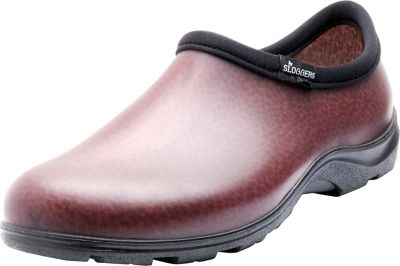
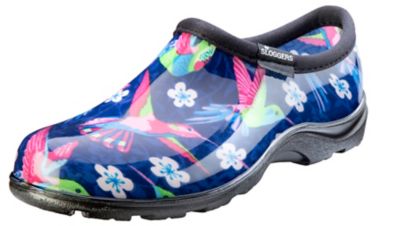
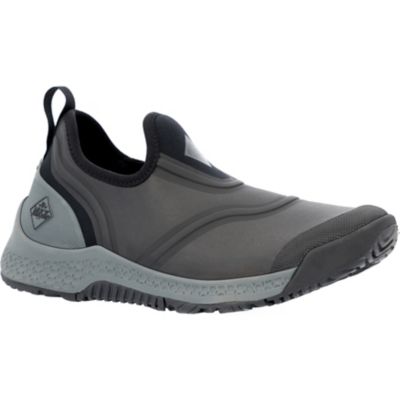
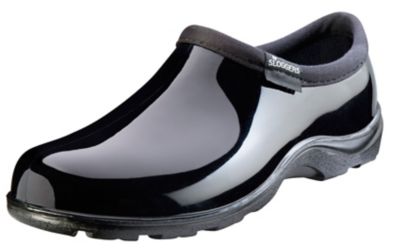
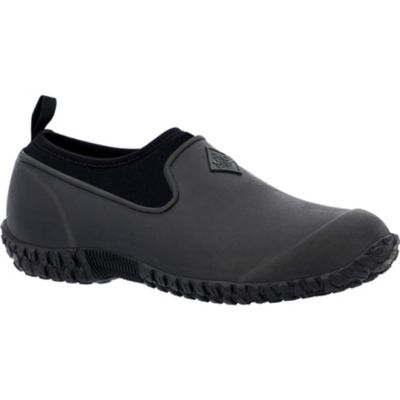
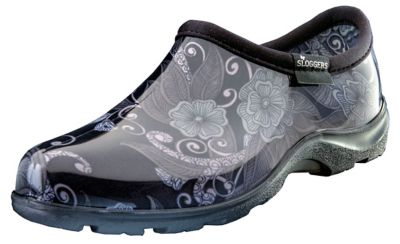
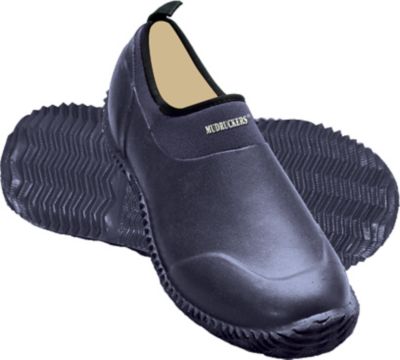
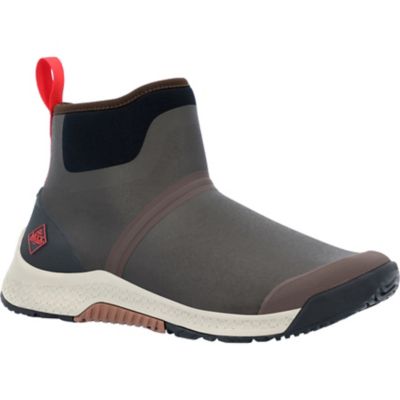
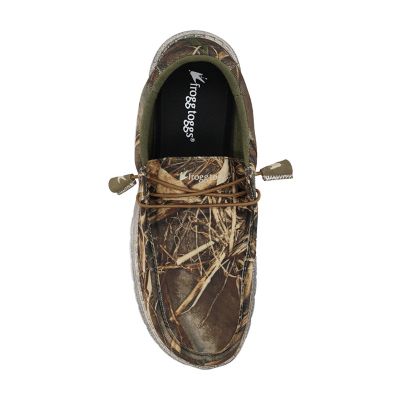
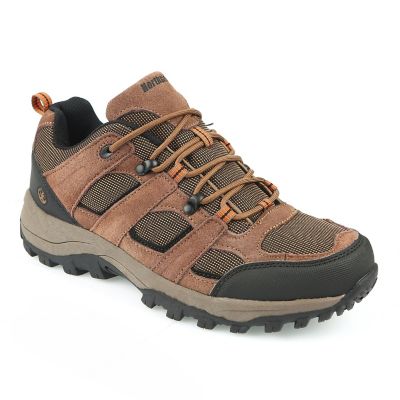
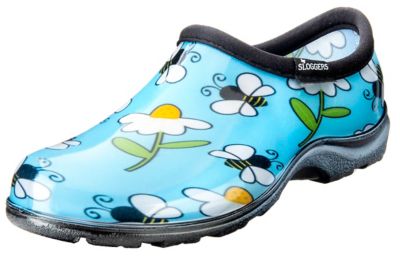
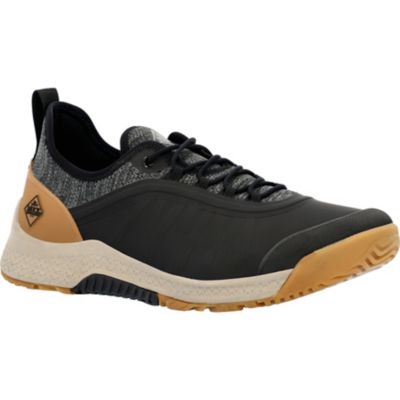
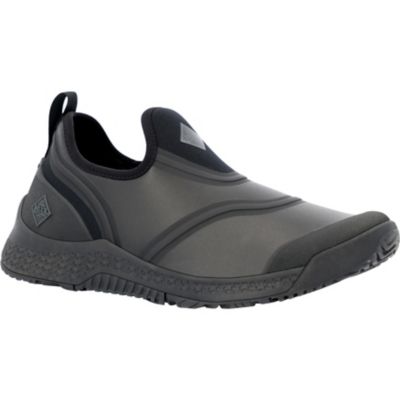
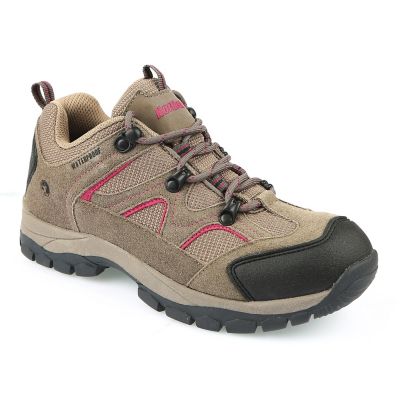
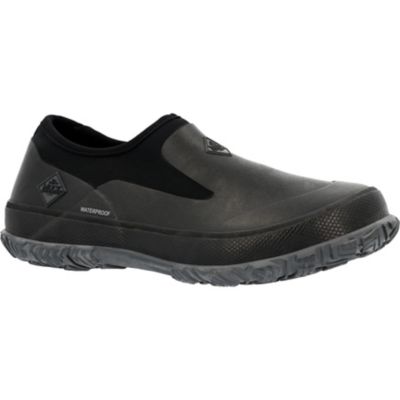
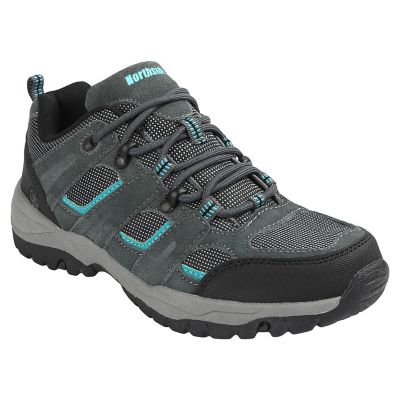
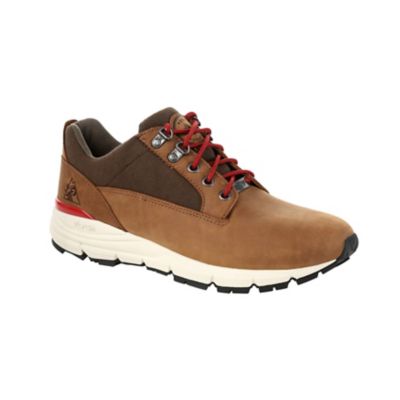
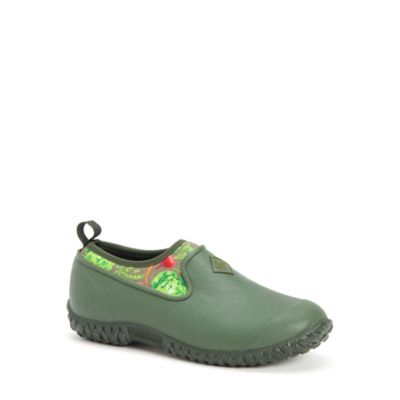
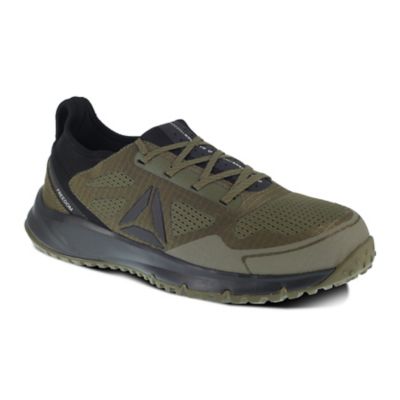
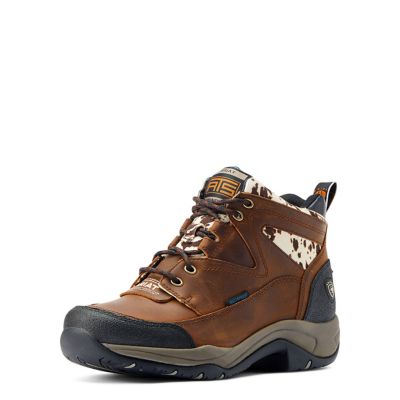
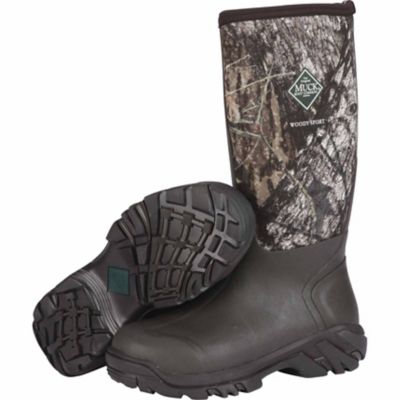
Outdoor shoes have a place by the back door for the jobs and outings that fall between house slippers and heavy work boots. A walk along the fence line, a trip down a gravel drive, an afternoon at the campground and a few hours tending garden beds can all put different demands on footwear. The right pair starts with the ground underfoot and the way the day is likely to go. Firm gravel calls for enough underfoot cushioning to take the edge off small stones, while loose dirt makes tread shape and heel hold worth a closer look. Wider-spaced lugs can help shed packed soil, and pronounced tread may offer purchase on uneven paths, though no outsole can promise grip on every surface. A lower-profile sole can feel less cumbersome for errands and steady walking on firmer ground. Rubber outsoles, flexible forefoot sections and supportive midsoles each play a part, but their combination matters more than any one feature. Too much flex may feel tiring on rocky paths, while an overly stiff shoe can feel awkward for short walks and frequent stops. Reinforcement around the toe and heel helps protect high-contact areas from scuffs when stepping over roots or brushing past a stone border. For folks moving between a shed, a yard and a local trail, a shoe that balances support with easy movement often makes more sense than footwear built around one narrow task. Low-cut shapes leave the ankle freer to move; taller collars provide more coverage, but collar height alone does not guarantee ankle support. Outdoor shoes also suit dog walks, trips to a fishing spot and time spent keeping an eye on children around a campsite. Shoppers looking for men's sizes can continue browsing
Outdoor Footwear For Men with their usual terrain and daily routine in mind.
Materials make a noticeable difference in how outdoor shoes feel, how they handle everyday wear and how much attention they need afterward. Leather uppers can soften with wear and offer a substantial feel, although the finish and construction affect their flexibility and care needs. Suede has a different surface that calls for its own cleaning approach. Mesh panels allow airflow and can keep a shoe from feeling as enclosed, while synthetic overlays add structure around areas such as the toe, sides and lace openings. Stitching, secure sole attachment and reinforcement at flex points all deserve attention when shoes will spend plenty of time on rough ground. For chores around hoses or walks beside a creek, water resistance and waterproof construction are worth distinguishing. A water-resistant upper is not the same as a waterproof shoe, and water can still enter over the opening. Product details explain the protection a particular construction is intended to provide. Fit matters just as much as the upper material. Toes need room to spread without the whole foot sliding forward, and the heel should stay reasonably settled rather than lifting with every step. Walking down a slope puts that fit to the test because forward movement can bring toes against the front. Trying shoes with the socks intended for everyday wear gives a better sense of both space and pressure. Laces allow adjustments across the instep, while slip-on designs depend more heavily on the shape of the opening and upper to hold the foot comfortably. A pull tab can make getting out the door simpler, but easy entry should not come at the expense of a secure fit. Removable footbeds may leave room for a compatible insert, provided it does not crowd the toes or lift the heel too high. Shoes should feel comfortable from the start; softening materials are no substitute for the correct size and shape.
A little regular care helps outdoor shoes stay ready for the next trip down the lane. Dirt packed into tread can reduce its contact with the ground, and grit left around seams can rub against the upper as the shoe bends. Letting loose mud dry enough to brush away often makes cleanup easier, followed by whatever cleaning method the footwear maker recommends. Leather, suede, mesh and coated fabrics do not all respond well to the same treatment. A soft brush or damp cloth may suit routine cleanup, while cleaners and conditioners should match the material and finish. Machine washing is only appropriate when the care directions specifically allow it. After cleaning, shoes need time to air-dry away from direct heat, which can affect adhesives, shrink some materials or leave leather stiff. Opening the laces and removing footbeds, when permitted, helps the inside dry more thoroughly. Storage matters, too: a place with airflow is a better choice than leaving shoes shut inside a bag. Over time, flattened tread, a separating sole, torn lining or cushioning that no longer feels supportive can signal that a pair needs attention or replacement. A shoe may still look presentable from above even when the bottom has lost much of its grip. Everyday outdoor footwear also has limits around equipment and heavier chores. Jobs calling for toe protection, puncture resistance or electrical hazard protection need footwear with the appropriate stated ratings, not simply a rugged-looking upper. As a gift, outdoor shoes make the most sense when the recipient's size, preferred fit and usual activities are known. For the person who walks the property, tends a garden or takes the long way around the pond, those practical details matter more than appearance alone. Comfortable footing, manageable care and construction suited to the task help make a pair worth reaching for whenever the day leads outside.