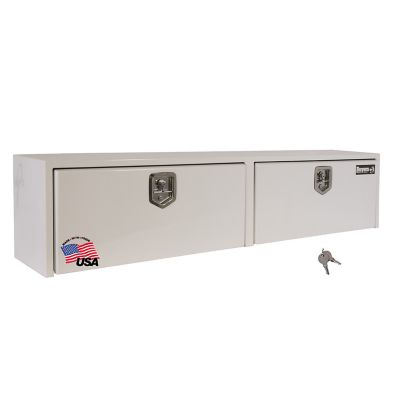
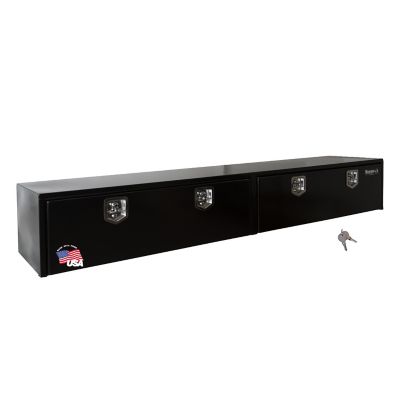
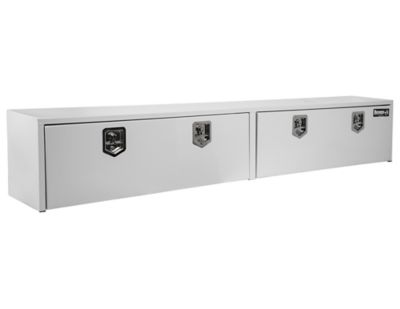
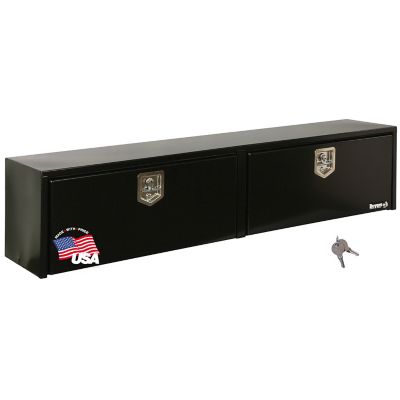
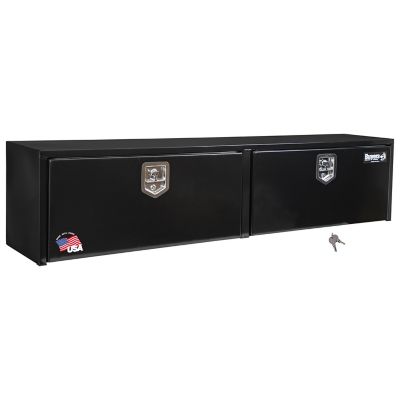
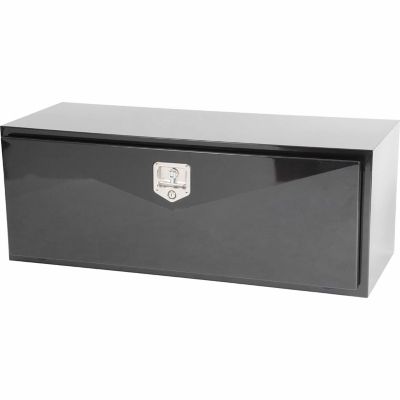
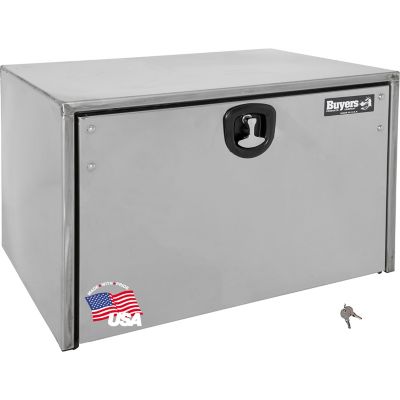
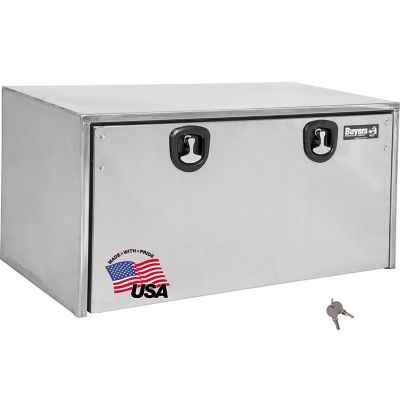
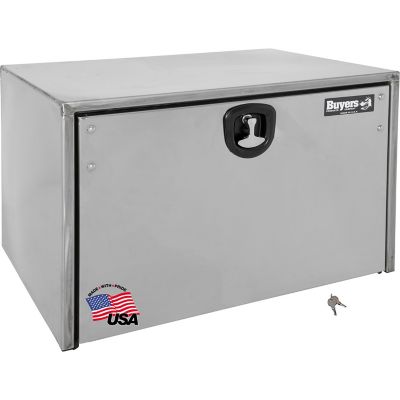
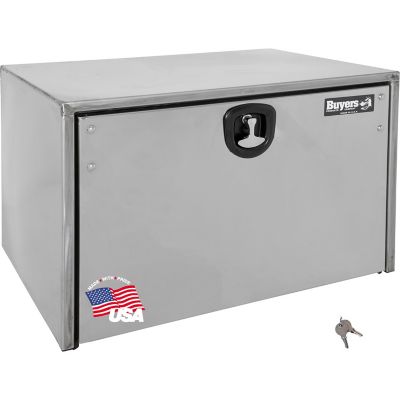
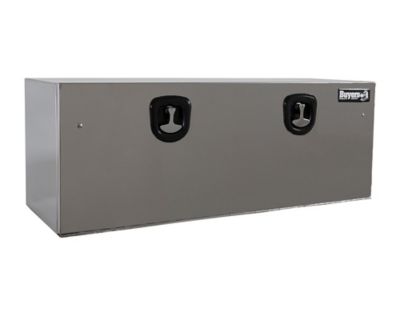
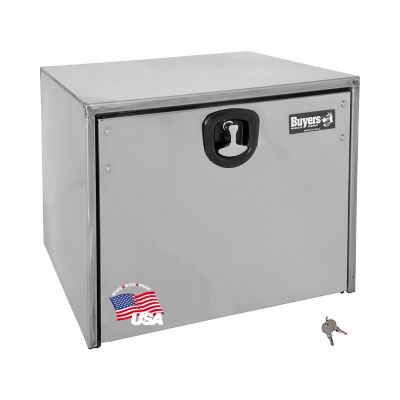
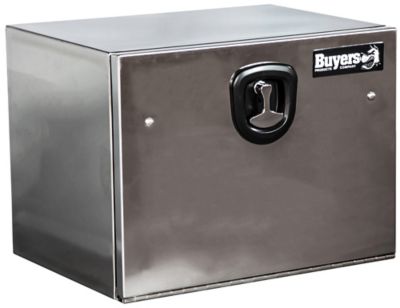
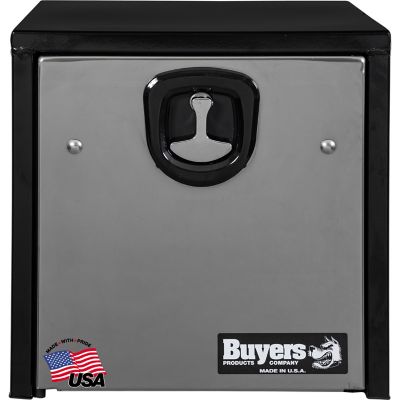
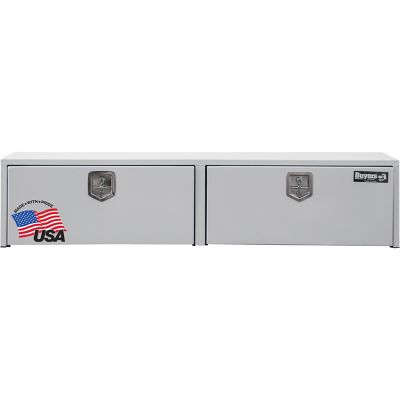
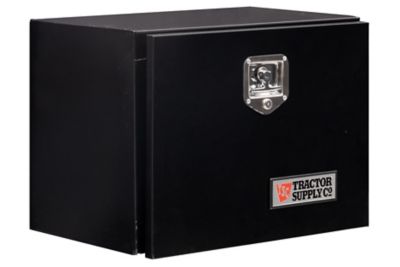
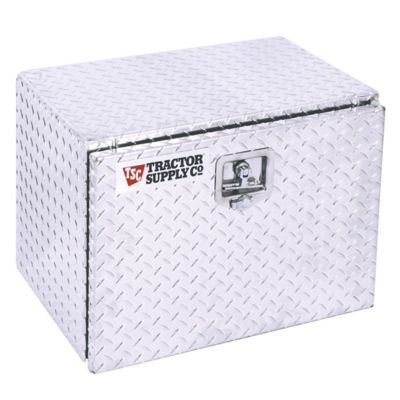
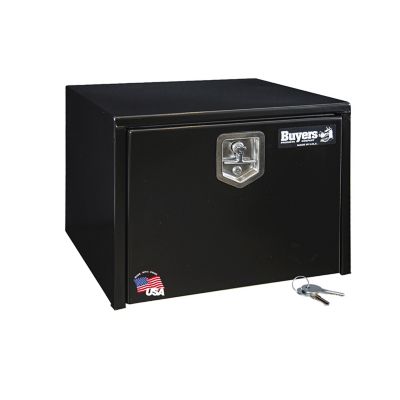
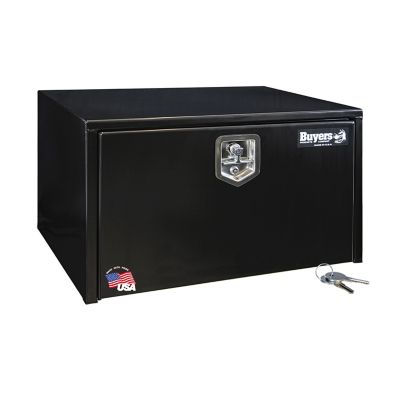
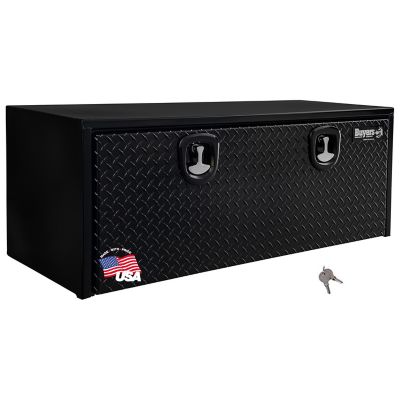
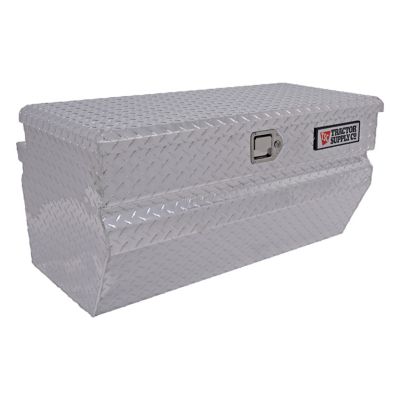
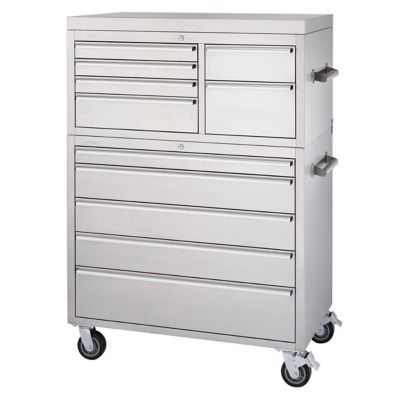
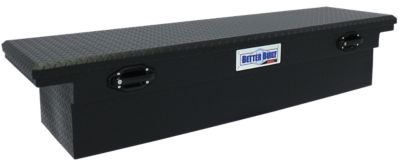
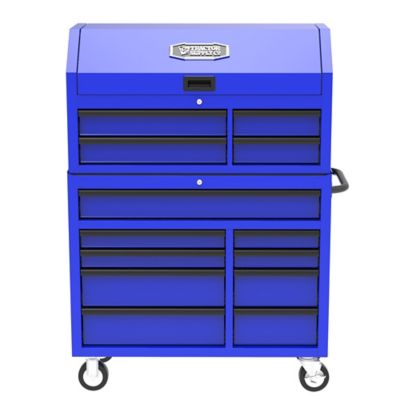
Stainless steel truck tool boxes give working pickups, flatbeds, and service trucks a place to carry tools without leaving everything loose in the bed. For a farmer checking fence, a mechanic heading to a repair call, or a crew hauling equipment between jobs, having sockets, pliers, and spare hardware close at hand can save a trip back to the shop. Stainless steel brings strength and corrosion resistance to that storage space, along with a finish that can complement a truck’s existing hardware. It is not automatically rustproof, though, and the metal alone does not tell the whole story about how a box will hold up. Steel grade, sheet thickness, panel reinforcement, welds, hinges, and mounting hardware all contribute to the finished construction. Some heavy-duty boxes feature 16-gauge stainless steel; within the same material, a lower gauge number generally indicates thicker sheet metal. Thicker panels can better resist dents, but they also add weight, so gauge is best considered alongside reinforcement and the truck’s carrying capacity. Folded edges and reinforced doors help stiffen broad surfaces, while smooth interior seams can make wiping out grit easier. A mirror finish gives a bright appearance, while brushed finishes have a different look and may make small handling marks less noticeable. Neither finish, by itself, establishes the stainless alloy or the strength of the box. Stainless steel also differs from aluminum and painted carbon steel, even when those materials have a similar silver appearance. The material specification matters more than a shiny surface or tread pattern. For trucks that carry tools day after day, the most useful construction is a balance of manageable weight, solid support, accessible storage, and hardware suited to repeated opening and closing. A box carrying heavy pullers and impact sockets has different demands than one holding gloves, straps, and a few hand tools for chores around the property.
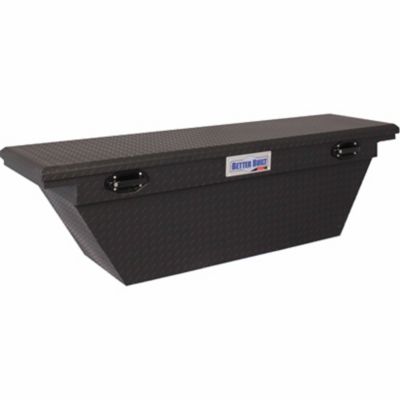
Fit starts with the truck’s layout and the space needed for both the enclosure and its moving parts. Truck tool box configurations include underbody, side-mount, and cross-bed designs, but the correct arrangement depends on the vehicle and the box’s stated mounting requirements. An underbody box can put storage beneath a flatbed or service body, leaving the deck open for other loads. That placement requires enough clearance from the ground, tires, suspension components, exhaust, and other equipment throughout normal vehicle movement. Side-mounted storage can keep tools within reach along the bed, while a cross-bed arrangement occupies space behind the cab and may affect room for tall cargo or other accessories. Exterior length, height, and depth describe only part of the fit. Door swing, lid travel, handles, hinges, brackets, and clearance for a hand on the latch also need room. A door that opens against a fender or a lid that catches an accessory can make an otherwise roomy box awkward to work out of. Interior dimensions and the size of the opening determine whether a long breaker bar, tool case, or grease gun will actually pass through. For underbody installations, brackets and fasteners must match the enclosure, truck structure, and intended load; not every box includes the mounting pieces needed for a particular setup. Installation should follow the box and vehicle manufacturers’ directions, especially where drilling or frame attachment is involved. The weight of the empty box, its supports, and everything packed inside counts toward the truck’s payload. A box’s stated load limit is separate from the truck’s capacity, and neither replaces the limits of its mounting system. These details matter on a truck that handles both work and everyday hauling. Leaving access to tie-down points, hitch equipment, bed controls, and routine service areas helps the storage fit into the truck’s job instead of getting in the way of it. Properly supported storage should also leave room to inspect its brackets and fasteners over time.
The details around the opening make a difference once the box is loaded. Continuous hinges can spread support along a door edge, while other hinge arrangements may provide different access or service options. Compression latches draw a door against its gasket, helping limit gaps when properly adjusted. T-handle and paddle-style latches offer different gripping surfaces, and recessed hardware can reduce protrusions along a truck body. Locking hardware helps discourage unauthorized access, but no tool box should be treated as theft-proof. Sealing performance also depends on more than the shell material: gasket condition, seams, latch adjustment, mounting position, and the manufacturer’s stated protection all matter. For tools that need protection from water, compare the stated features of stainless steel designs alongside
Waterproof Truck Tool Boxes rather than assuming stainless construction makes an enclosure watertight. Inside, trays, dividers, and compartments can keep small hardware separate from heavier equipment, provided those accessories fit the box and its intended load. Keeping frequently reached tools near the opening means less digging when a gate hinge needs tightening or a trailer connection needs attention. Heavy tools belong low and supported so they are less likely to shift into the door or bear against smaller supplies. Care is straightforward, but it still matters. Mild soap, clean water, and a soft cloth can remove grime; rinsing away residue and drying surfaces helps limit staining. Cleaners and abrasive materials should follow the manufacturer’s recommendations, since harsh chemicals or ordinary steel wool can damage the finish or leave particles that rust. Gaskets need clean contact surfaces, hinges and latches need periodic inspection, and mounting hardware needs checks at the intervals specified for the installation. Damp rags and wet tools can leave moisture inside even when the enclosure seals well. With sensible loading and routine attention, stainless steel truck tool storage can keep everyday repair gear organized and leave more of the truck ready for the next load.