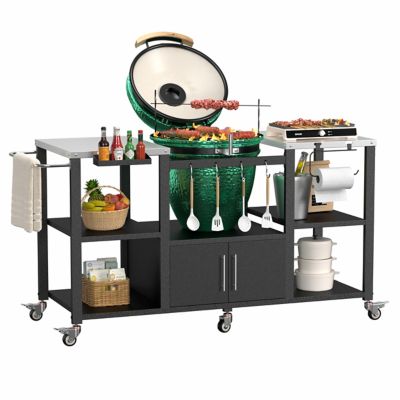
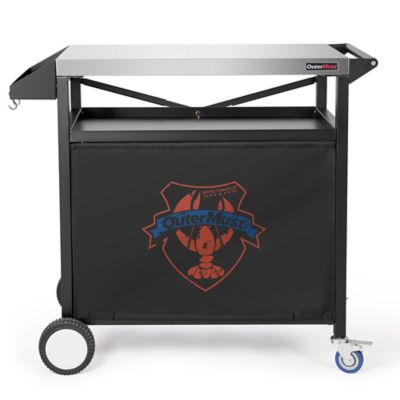
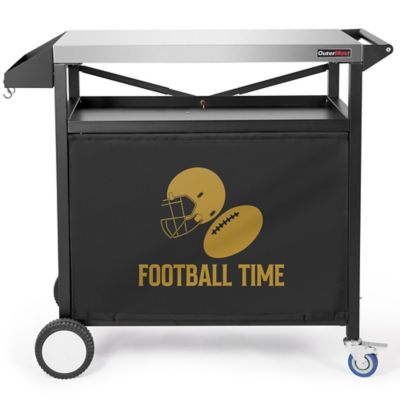
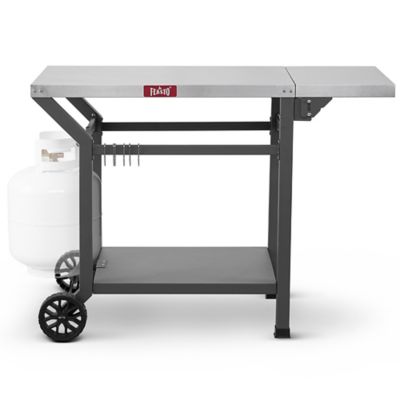
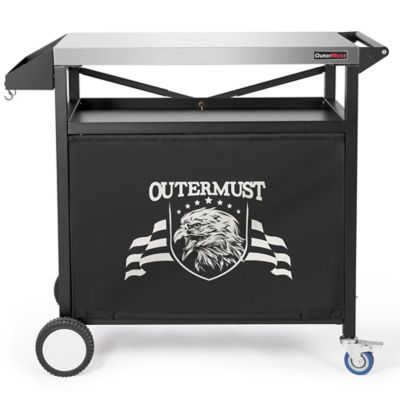
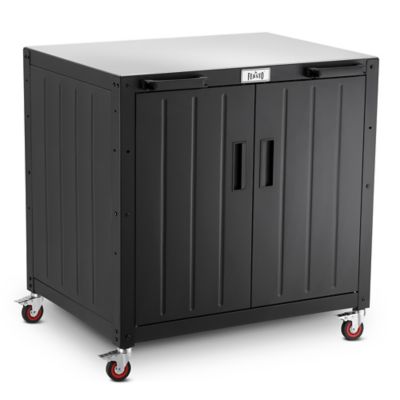
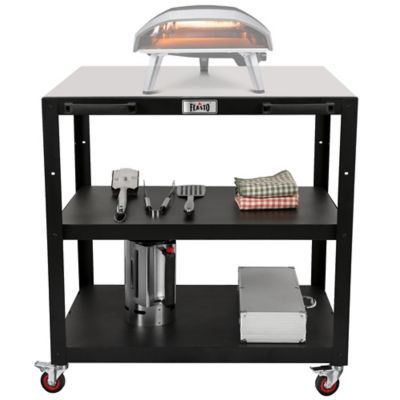
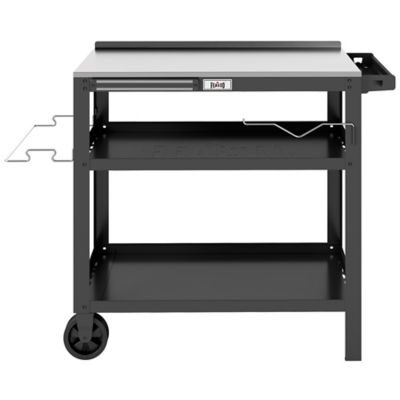
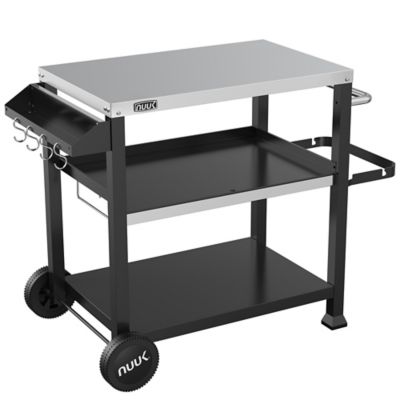
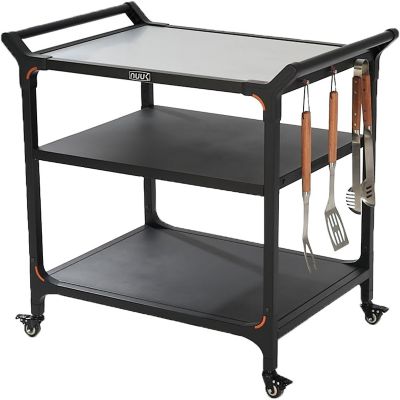
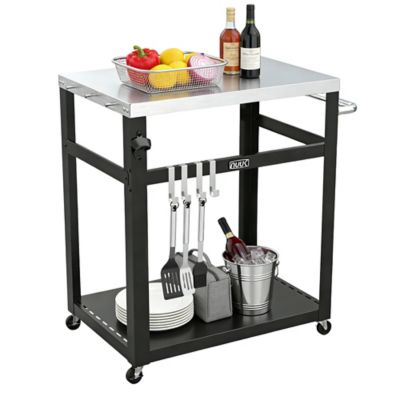
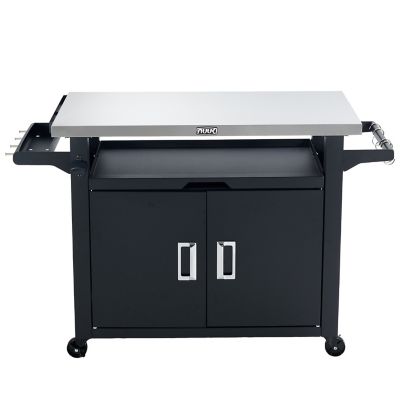
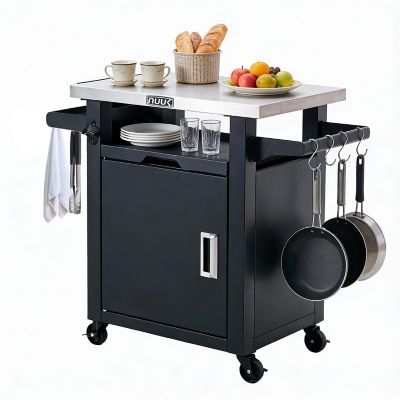
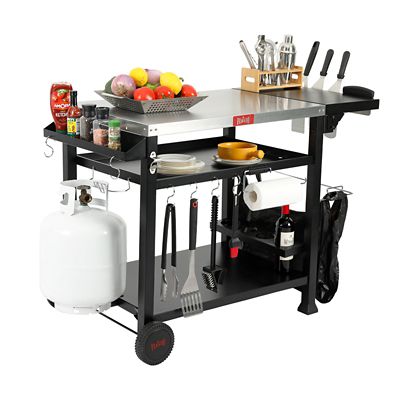
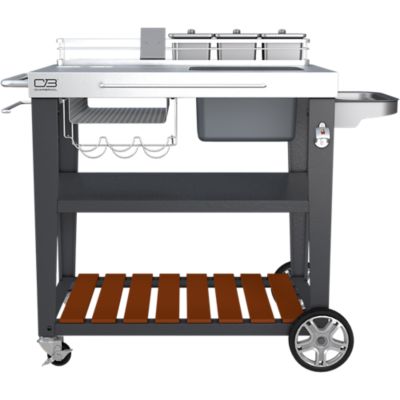
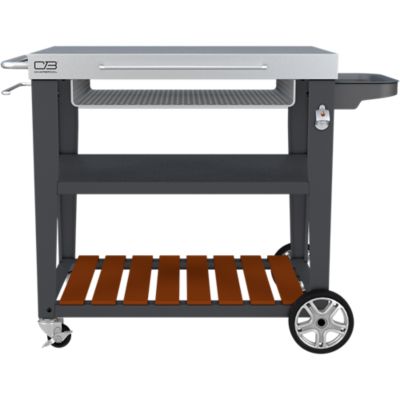
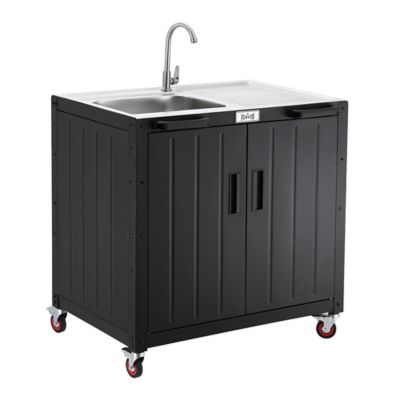
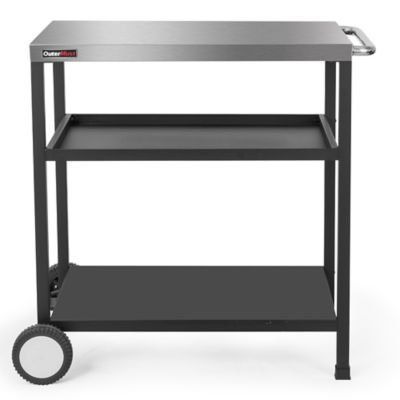
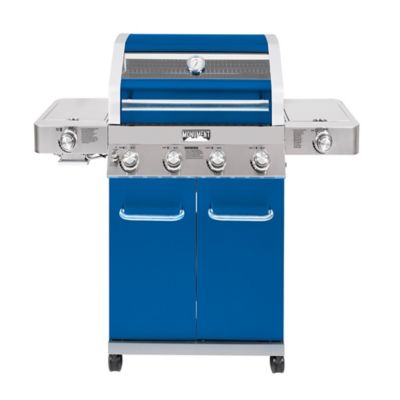
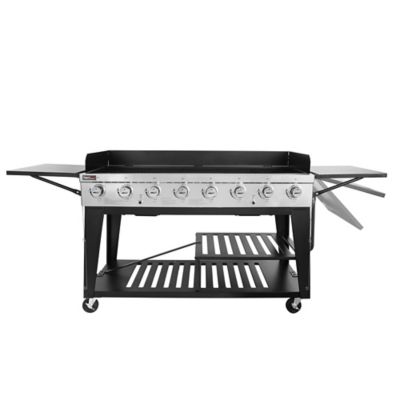
Stainless steel grill carts bring together a wipe-clean work surface, movable storage and extra elbow room for outdoor cooking. They provide a landing spot for platters, space for food prep and a place to keep tongs, brushes and other grilling tools close at hand. That extra workspace makes a difference when the grill’s side shelves are crowded with a cutting board, a bowl of sliced onions and supper ready to go on the grate. A separate cart can round out a cooking area built around
Stainless Steel Outdoor Gas Grills, keeping prep space within reach without taking over the whole patio. These carts suit everything from quick family meals after chores to a full spread for friends gathered around the picnic table. Their usefulness comes from the balance between an open worktop and storage underneath: room above for assembling burgers or setting down a serving tray, with space below for cookware and supplies. Open shelves make larger pieces easy to reach, while enclosed compartments can help keep smaller supplies together. Hooks and towel bars add places for utensils and cleanup cloths without crowding the top. For cooks who carry everything out from the kitchen, a cart can also cut down on trips through the back door. A tray of ingredients, a stack of plates and the right tools can travel together, provided the cart’s load limits and shelf arrangement allow it. The best fit depends on the job it needs to handle. A compact cart may be plenty for plates and utensils beside a small cooking setup, while a wider work surface gives a busy cook more room to separate ingredients from serving dishes. Stainless steel grill carts also make practical gifts for backyard cooks, especially when their existing setup has plenty of cooking space but nowhere convenient to put a platter.
Construction matters as much as countertop space. Stainless steel resists corrosion, but it is not rustproof, and different steel grades, finishes and frame designs can perform differently with regular cooking and cleanup. A stainless steel worktop does not necessarily mean the legs, shelves, fasteners and cabinet panels are made from the same material. The full construction helps determine how a cart handles frequent moves, heavy cookware and repeated wipe-downs. A well-supported top, firm shelf connections and a frame that stays steady under its rated load are useful traits around a busy grill. Dimensions deserve a close look, too. Overall width may include handles, side shelves or towel bars, while usable worktop space can be smaller than the cart’s outside measurements. Working height affects comfort when chopping vegetables or arranging skewers, and shelf spacing determines whether a tall stockpot or a stack of serving trays will fit underneath. Weight capacity matters for both the top and individual shelves; a heavy cast iron pan puts different demands on a cart than a basket of napkins. For anyone planning to support a tabletop grill, griddle or pizza oven, suitability goes beyond having enough room for the appliance’s feet. The cart must be intended for that purpose, with the right load rating, surface compatibility and clearances specified by the equipment manufacturer. A general serving cart is not automatically an appliance stand. Mobility also depends on the route between storage and the cooking area. Larger wheels generally roll more easily across small joints and uneven surfaces, while small casters work best on smooth, firm flooring. Locking casters help hold a cart in position, though they do not make sloped ground a suitable work area. Handles that offer a comfortable grip make repositioning easier, and a clear path around the cart leaves room to open cabinet doors, reach a lower shelf and carry a platter without bumping into the grill. A cart should stay clear of required cooking-equipment clearances, with cords and fuel connections protected from pinching, pulling or contact with hot surfaces.
Day-to-day care is straightforward when spills do not sit on the surface. Mild soap, water and a soft cloth generally handle ordinary grease and food residue, followed by drying to reduce water spots. Brushing along the grain helps preserve the appearance of a brushed finish. Steel wool, harsh abrasives and chlorine-based cleaners can damage stainless steel, so the cart’s care directions are the best reference for suitable cleaning supplies. Salt, acidic sauces and food juices deserve prompt attention, especially around seams, shelf edges and fasteners where residue can collect. Stainless steel can pick up scratches through normal work, and a cutting board protects the surface while providing an appropriate place for knife work. Direct food preparation belongs only on surfaces identified by the manufacturer as suitable for food contact; otherwise, boards, trays and food-safe containers keep ingredients off the cart itself. A little separation also helps the cooking area run smoothly. Raw meat can stay on its own tray, clean serving platters can occupy another spot, and utensils that have touched uncooked food can remain apart from those ready for serving. Storage works best when it matches that same rhythm. Frequently reached-for tools belong within easy reach, heavier cookware sits securely on shelves rated for its weight, and loose pieces stay contained so they do not slide around during a move. Enclosed storage does not automatically make a compartment suitable for a propane cylinder; fuel storage needs the arrangement and ventilation required by the equipment manufacturer. Before a cart is rolled away, hot cookware needs time to cool and loose contents need to be secured. For a household that grills often, these details turn an extra table into a useful part of the cooking setup. Whether it holds a pan of vegetables beside the grill or clean dishes for a family meal, a stainless steel grill cart earns its place by keeping the work organized and the cook’s hands free for supper.