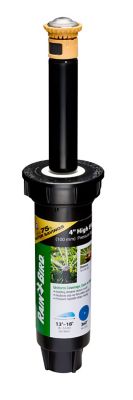
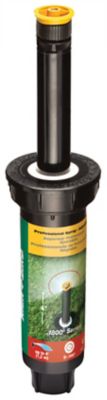
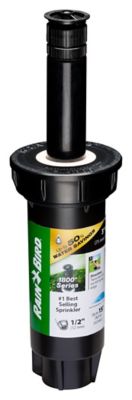
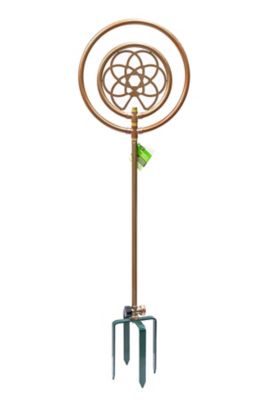
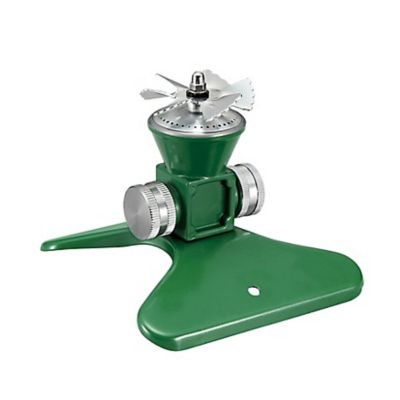
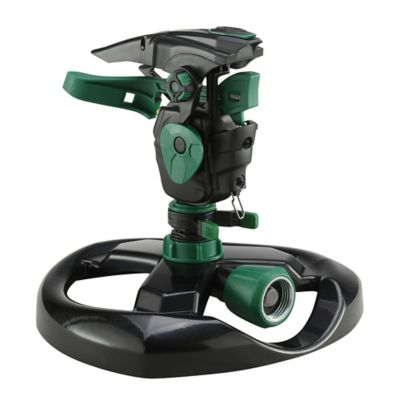
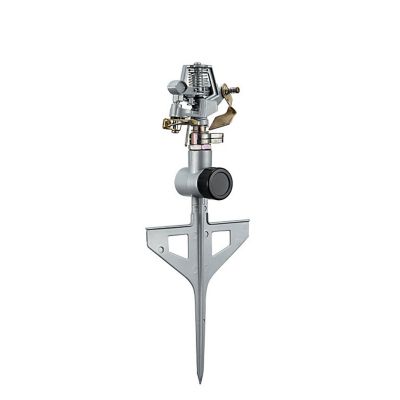
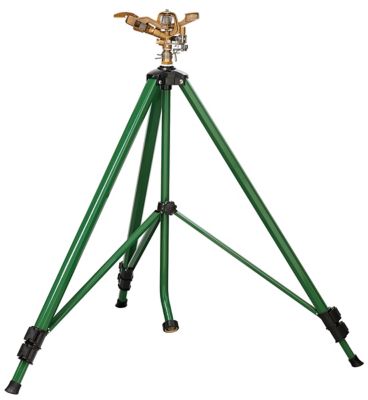
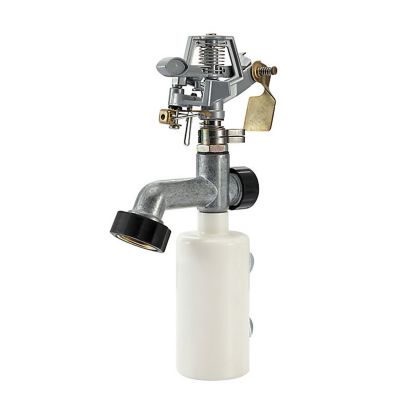
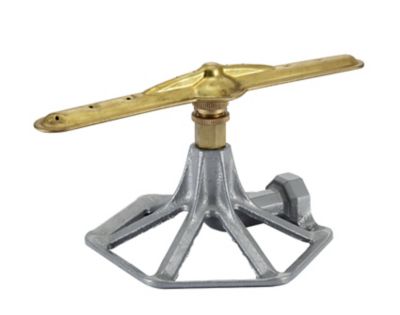
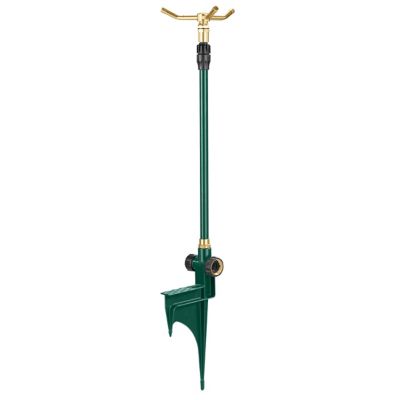
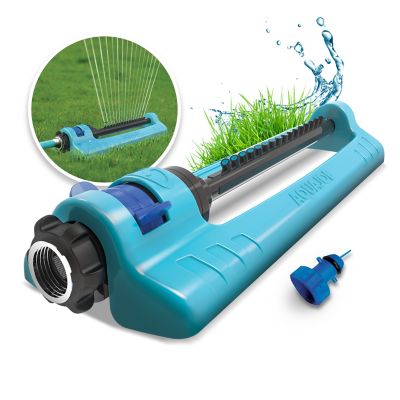
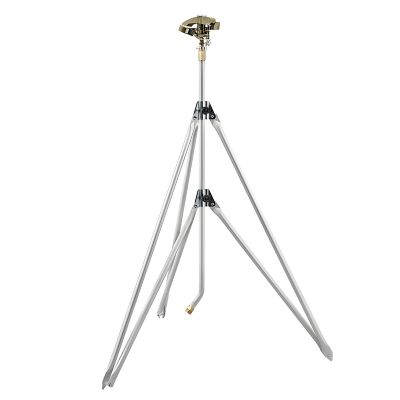
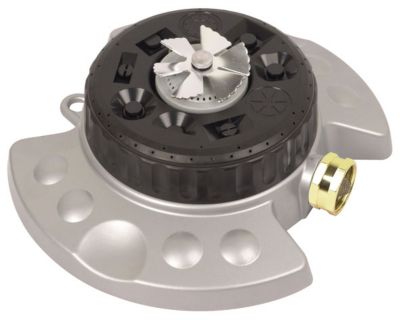
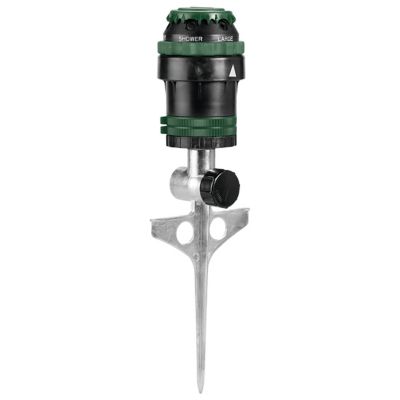
Spinner sprinkler heads distribute water in a rotating pattern, with many designs offering full-circle coverage for lawns, gardens, nurseries, and orchard plantings. Depending on the design, water moves a spinning outlet, arm, or deflector that spreads the spray around the head. Low- and medium-flow options can help match irrigation to smaller planting areas or systems with limited water delivery, though each head has its own operating requirements. The appeal is straightforward: instead of sending water in one fixed direction, the moving pattern reaches around the sprinkler to cover a broader patch of ground. Coverage still depends on water pressure, spray distance, spacing, and the shape of the area being watered. A round bed beside the driveway has different needs than a long vegetable row or a stretch of grass behind the barn. Full-circle heads suit open areas where water can reach in every direction, while designs with adjustable arcs can be a better fit along boundaries. Spray character matters, too. Some spinner heads spread relatively fine droplets over a compact area, while others throw more distinct streams farther across the ground. Tender seedlings, closely spaced nursery containers, established turf, and orchard ground cover do not all call for the same pattern. For a vegetable patch, the useful coverage is the area where roots are growing, not the path between the beds. Around young trees, the wetted area should match the developing root zone rather than simply soaking the trunk. For folks tending a home garden, maintaining a small acreage, or caring for rows of plants, the right spinner head is one that fits both the planting layout and the water system feeding it. An even-looking spray is a good starting point, but the amount reaching the soil matters just as much. Dense foliage, wide gaps between containers, and changes in ground level can all affect how much of that water reaches the intended spot.
Construction and connection details make a real difference once a sprinkler head becomes part of an everyday watering setup. Depending on the model, bodies and moving parts may include molded plastic, brass, stainless steel, or a combination of materials. Plastic components keep weight down, while metal fittings may suit connections that get handled often. Material alone does not tell the whole story; the design of the bearing surfaces, seals, nozzle openings, and mounting connection also affects how a head performs over time. A low-profile head tucked into a planting bed faces different wear than an exposed assembly beside a mower route or a livestock lane. Fit deserves close attention because spinner sprinkler heads do not all connect the same way. A head may mount on a threaded riser, a stake assembly, a small irrigation tube, or a compatible pop-up body. Thread size, thread type, inlet connection, and any required adapter need to match the existing equipment. A replacement that looks about the same can still have a different connection or water requirement. Published pressure ranges, flow rates, and coverage dimensions give a clearer picture than appearance alone. Too little pressure can leave a head turning slowly or fail to produce its intended pattern; pressure above the recommended range can create excessive mist or strain components. Adding more heads to a line also increases total water demand, which can reduce performance farther from the supply. Smaller nozzle passages may call for filtration, especially where the water supply carries grit or sediment. For shoppers comparing related watering equipment,
Rotor Sprinklers offer another category to consider, particularly for lawn layouts that call for rotating streams and defined coverage zones. The names can overlap in everyday conversation, so operating specifications and mounting details are more useful than assuming every rotating sprinkler works the same way. Matching those details helps keep a simple head replacement from turning into a larger plumbing project.
Everyday care is mostly about keeping water passages clear, moving parts free, and connections sound. Fine sand, mineral deposits, bits of plant material, and soil splashed into an opening can interfere with rotation or change the spray pattern. Heads with accessible nozzles or serviceable screens can make routine cleaning less of a chore, provided the parts are handled according to the manufacturer's directions. For any irrigation head, forcing a small opening wider can change its flow and coverage, so cleaning should preserve the original nozzle shape. A spinner that stops turning is not always worn out; debris, insufficient pressure, or an obstructed outlet can produce similar symptoms. Water should be shut off before a head is removed or taken apart, and an open supply line should be kept clear of loose dirt while work is underway. Placement also affects how much attention a head needs. Tall grass can block a low spray, a growing squash vine can crowd a spinning arm, and a riser leaning after a hose gets tugged may send water well beyond the bed. Mounting height should suit the head's intended pattern and the mature size of nearby plants without putting the assembly where it is easily knocked over. Where multiple sprinklers share an area, spacing based on the manufacturer's coverage recommendations helps prevent dry strips between patterns. On sloped or slow-absorbing ground, a lower application rate or shorter watering intervals may help limit runoff. In a nursery, keeping spray off a walkway can matter just as much as reaching the outer row of pots. In a yard, keeping water away from a porch or shed wall makes the layout more practical. Draining removable assemblies before storage and checking seals before reconnecting can help keep the next setup straightforward. Whether the job is a few raised beds or a broader planting area, well-matched spinner heads bring the water supply, spray pattern, and growing space together without making routine watering more complicated than it needs to be.