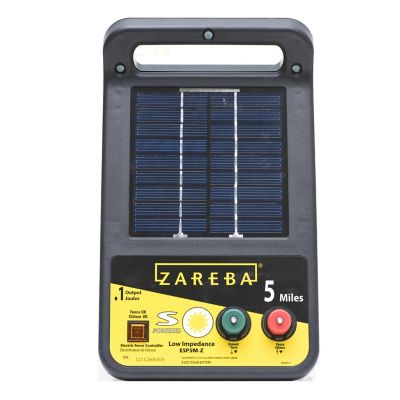
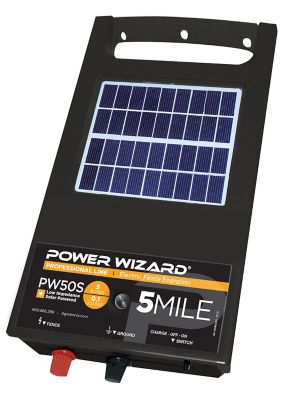
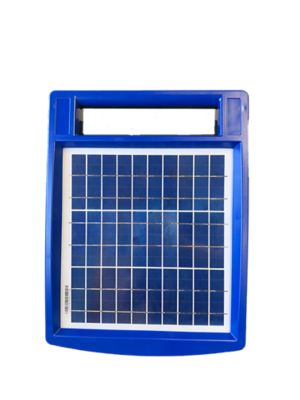
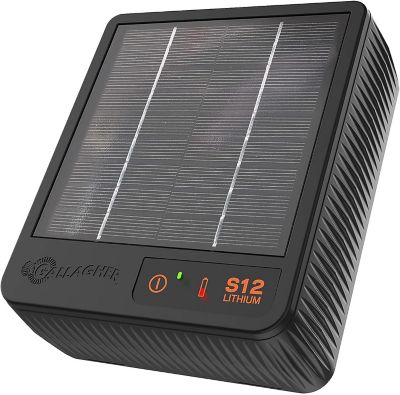
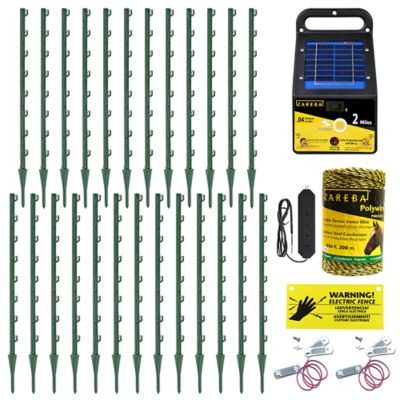
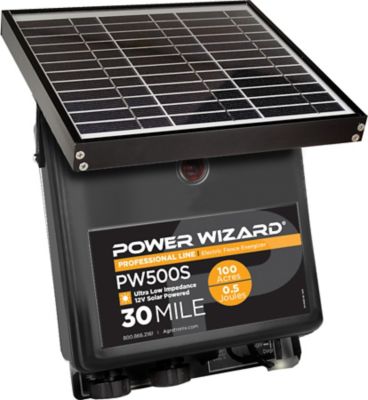
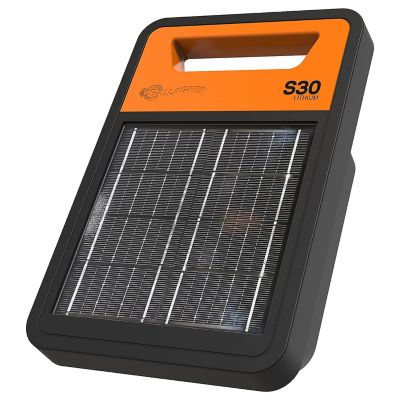
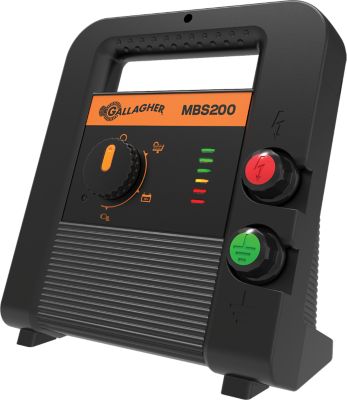
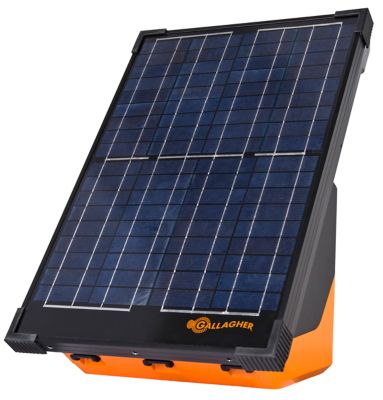
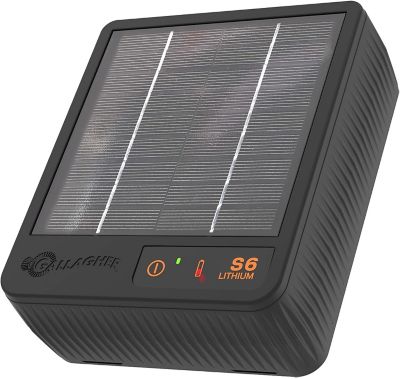
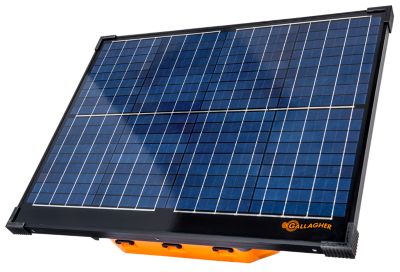
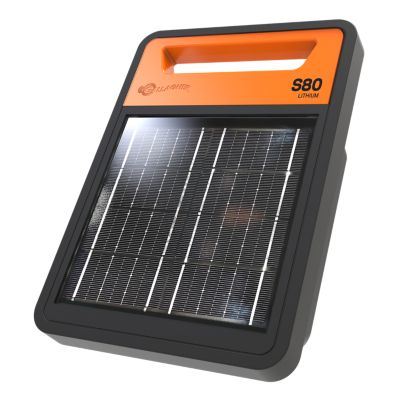
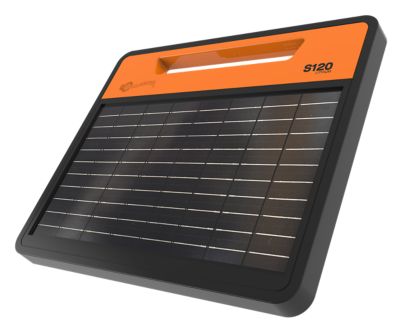
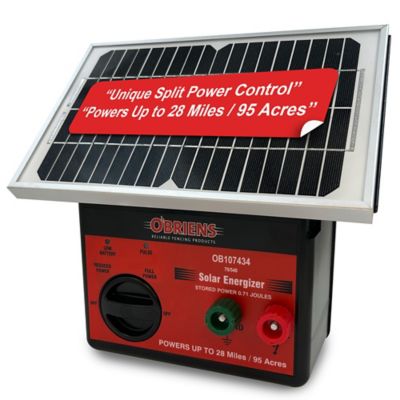
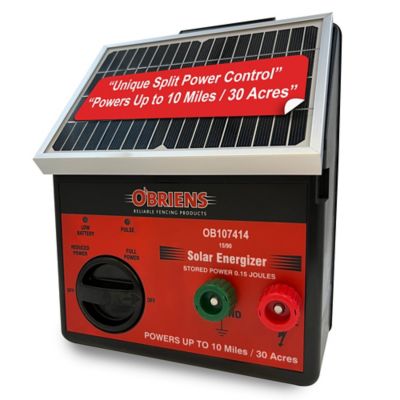
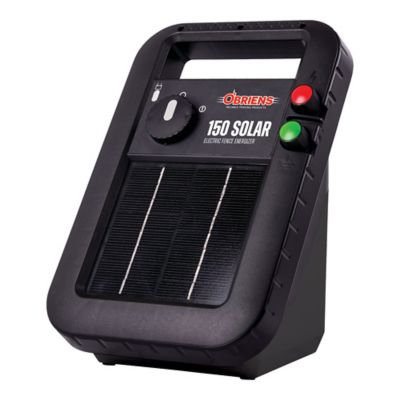
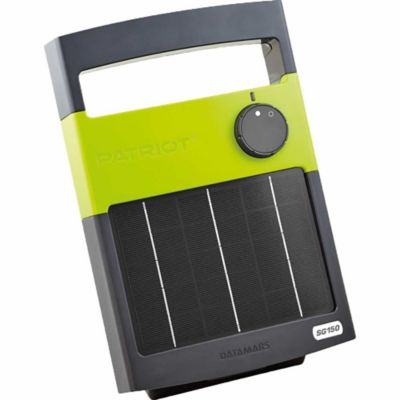
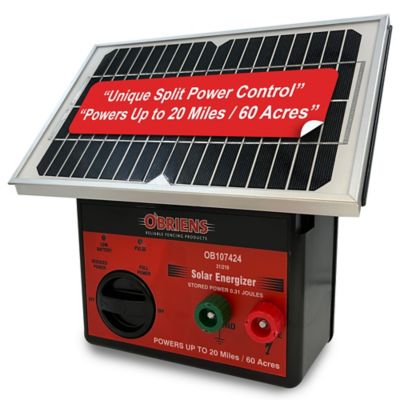
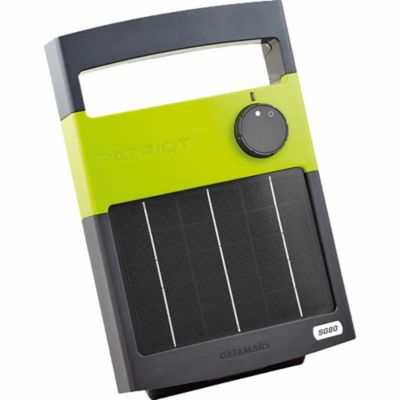
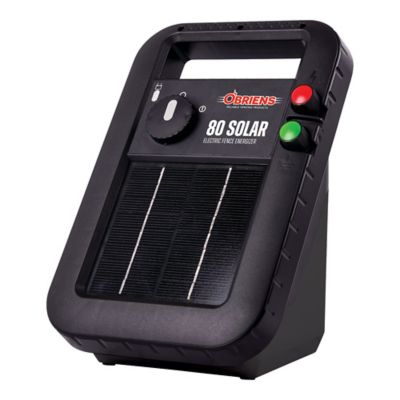
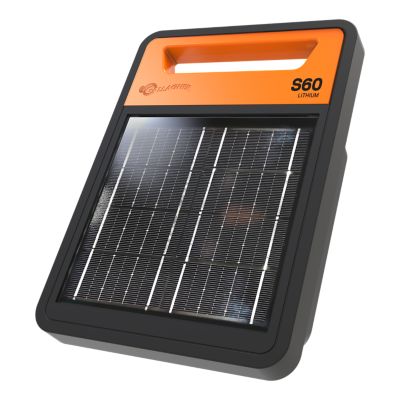
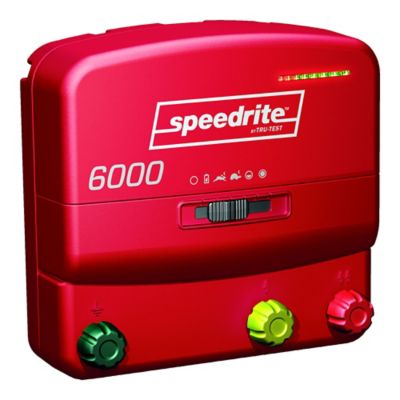
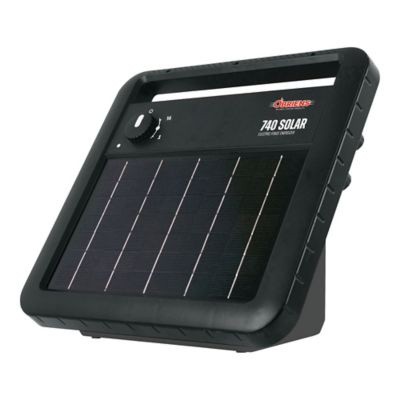
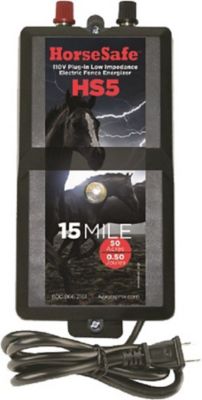
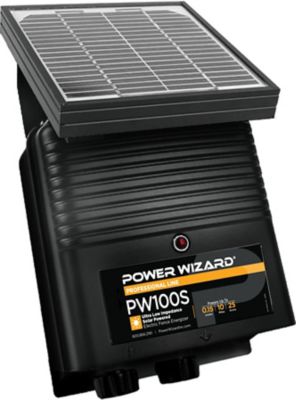
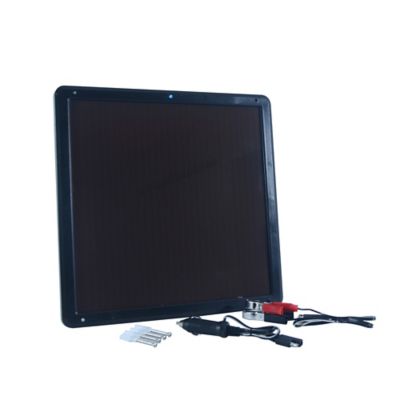
Solar electric fence chargers turn sunlight into stored battery power, then send brief electrical pulses through compatible fence conductors to help contain livestock and discourage unwanted animals from crossing a boundary. Also called solar fence energizers, these units make sense for pastures, garden plots and grazing areas where running power from a building would be a chore. The solar panel replenishes a rechargeable battery, and that battery powers the charger between periods of sunlight. Many designs combine the panel, battery and energizer in one housing; others have a separate panel or battery connection. That setup gives livestock owners options for a permanent perimeter, a paddock behind the barn or a grazing enclosure that moves as animals work through fresh forage. Cattle producers, horse owners, small-acreage keepers and folks tending sheep, goats or pigs may all have a place for solar-powered fencing, but the right match depends on more than the animal’s size. Fence layout, animal behavior, conductor type and contact with grass or brush all affect performance. A horse enclosure often calls for highly visible tape or rope, while a pig paddock may include lower wires that need close attention to vegetation. Poultry netting presents a different electrical load than a single strand around a cattle pasture, especially where lower strands touch grass. Solar chargers also differ in housing materials, mounting arrangements and access to the battery compartment. Outdoor-rated plastic housings, corrosion-resistant terminals and secure brackets are useful features around gates, lanes and pasture posts. A compact unit may suit a frequently moved enclosure, while a fixed installation benefits from a mounting location that keeps the charger clear of hooves, rubbing livestock and passing equipment. An electric fence provides a psychological boundary rather than the same physical restraint as a solid barrier, so suitable fence construction and animal introduction remain important parts of the setup.
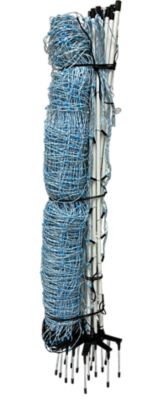
When comparing solar electric fence chargers, output joules, fence-length ratings and battery operating time are useful starting points. Output joules describe the energy delivered in each pulse; stored joules describe energy held within the energizer before that pulse, so those figures are not interchangeable. Comparing the same type of rating gives a clearer picture of different charger capacities. The amount of energy a fence needs depends on its total electrical load, including conductor length, wire resistance, vegetation contact and the demands of the animals being contained or discouraged. Advertised mileage generally reflects favorable test conditions, not a promise that every fence of that length will perform the same way. A short enclosure with several energized strands and dense netting can place more demand on a charger than a longer, clean single-wire fence. Total energized conductor length matters, too: several strands around one pasture add up to much more wire than the perimeter measurement alone. Fence tape, polywire, rope and metal wire have different electrical characteristics, and the energizer needs to suit the conductor manufacturer’s recommendations. Grounding is just as important as the charger itself. Ground rods and properly connected ground wire provide the return path that allows the fence circuit to work, and sandy, rocky or dry soil can make that return path harder to establish. Battery capacity and the panel’s charging capability deserve the same attention as pulse energy. A battery provides operating reserve overnight and through stretches of limited sunlight, but reserve time varies with the unit, battery condition and fence load. Manufacturer-rated operating time without sunlight is a useful comparison point, not a substitute for checking the fence. A larger panel does not automatically mean a stronger fence pulse, and a higher joule rating does not automatically mean a longer battery reserve. Matching the panel, battery and energizer as a system helps keep those separate jobs in balance.
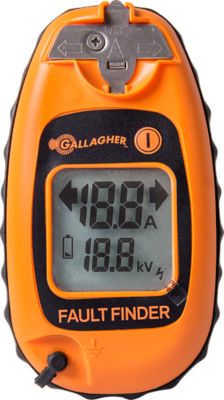
Placement and routine care help a solar fence charger do its job without turning fence checks into a daily puzzle. In much of the United States, an unobstructed, generally south-facing panel position supports sunlight collection, with the final angle and orientation following the manufacturer’s directions. A sturdy post near the fence may look convenient, but shade from a barn roof, tree canopy or tall vegetation can reduce charging. Access matters as well: the controls, terminals and battery compartment should be reachable without leaning through energized wire or stepping into an animal’s path. Dust, bird droppings and other buildup can block part of the panel, so cleaning according to the care instructions is worth including in regular fence rounds. Loose connections, cracked insulators, sagging conductors and grass against lower wires can pull down fence performance even when the charger is working. A tester made for electric fencing helps check voltage at the charger and at points farther along the fence; an ordinary household meter is not a substitute. Checking after moving a paddock or making repairs can reveal a connection problem before animals find it. Rechargeable batteries also need attention over their service life, including compatible replacements and the charging or storage practices specified for the unit. Disconnect power before handling fence wiring or servicing the charger, and follow the instructions for grounding, lightning protection and separation from other electrical systems. Only one energizer should supply a given fence circuit. Signs and suitable gate arrangements matter wherever people may approach the wire. Solar chargers work alongside the posts, conductors, insulators and grounding supplies in
Electric Fences, rather than replacing those essentials. With the components matched to the enclosure and a clear path for both sunlight and electrical current, a solar-powered setup can bring practical livestock control to places well beyond the nearest outlet.