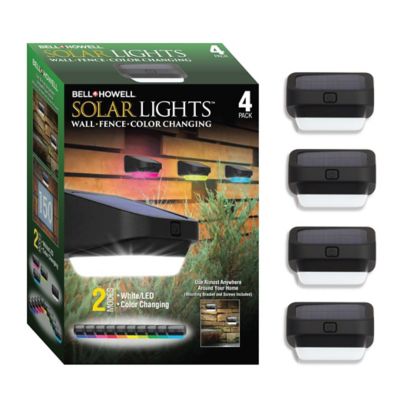
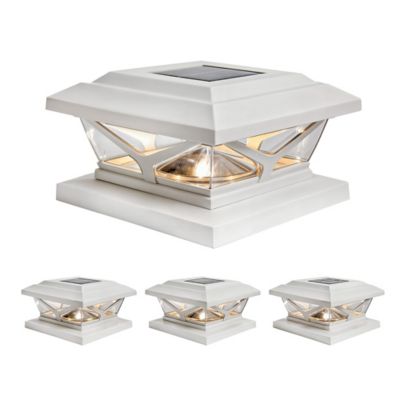
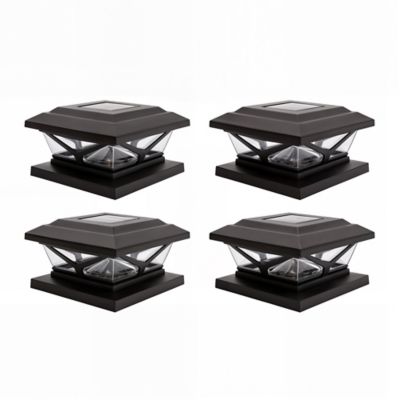
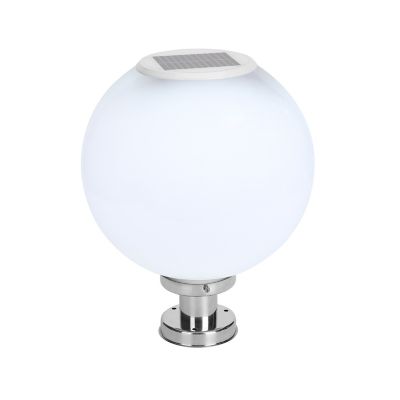
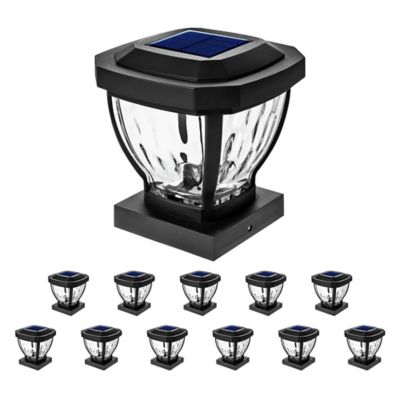
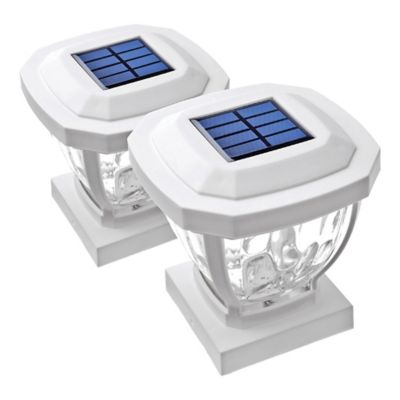
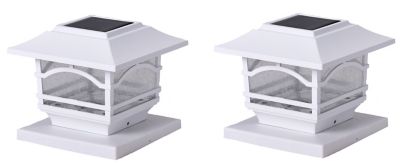
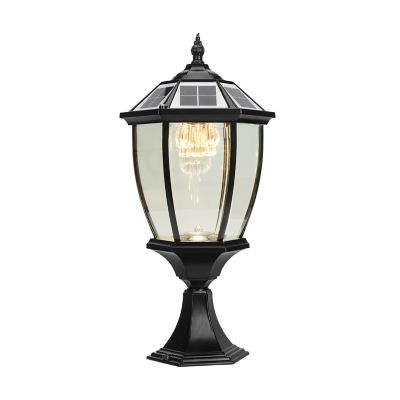
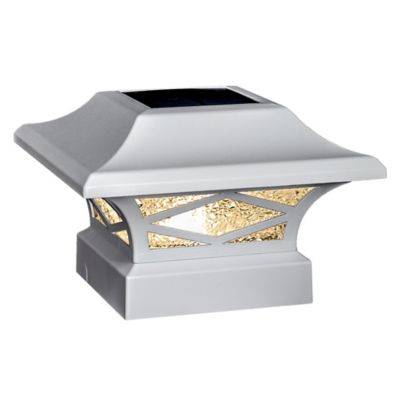
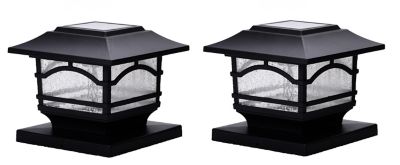
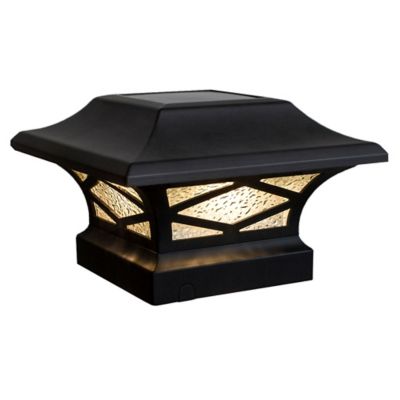
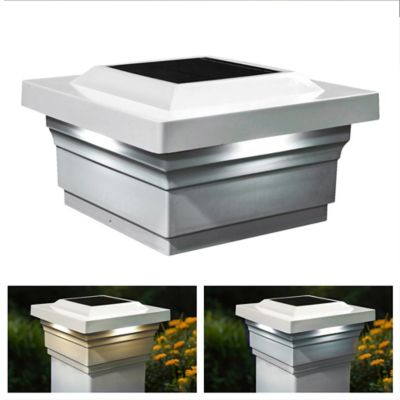
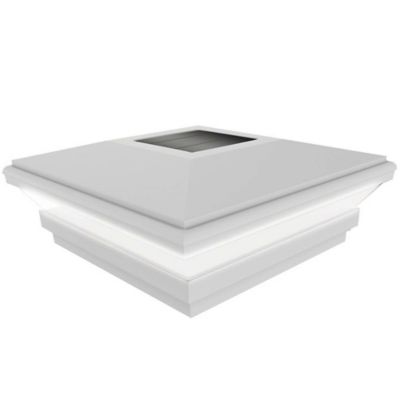
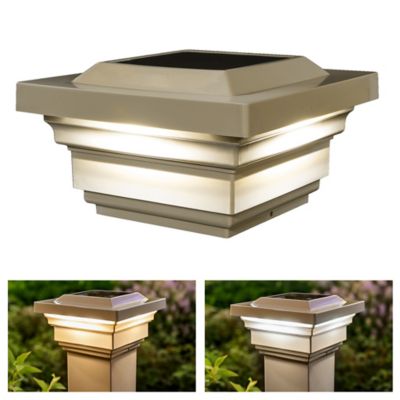
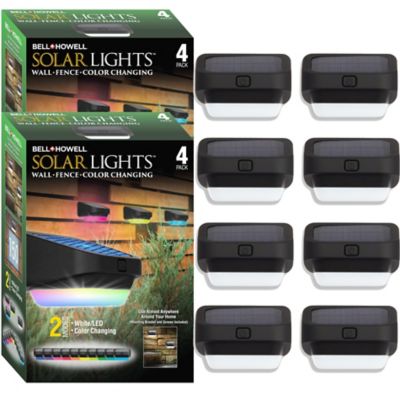
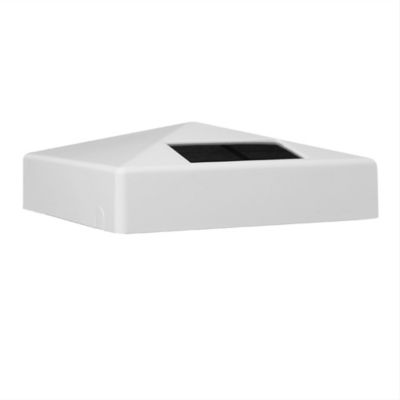
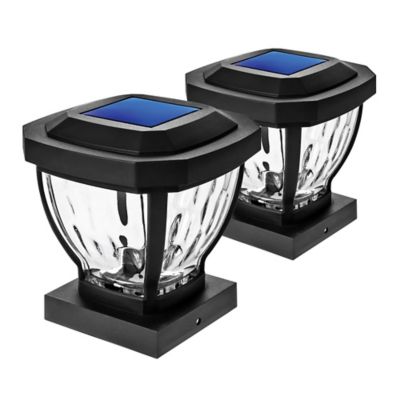
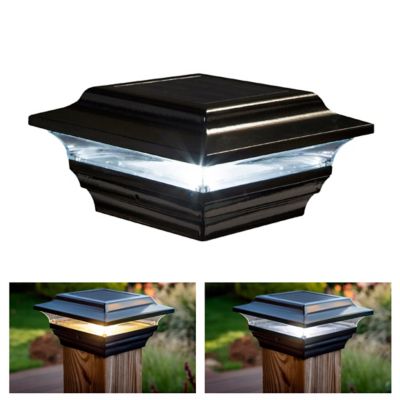
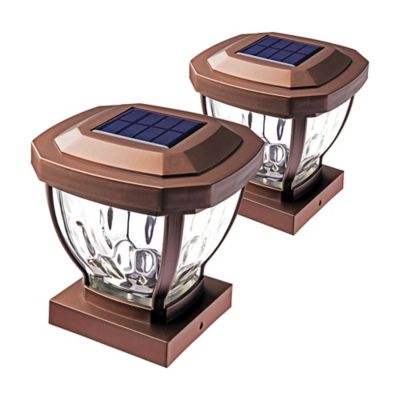
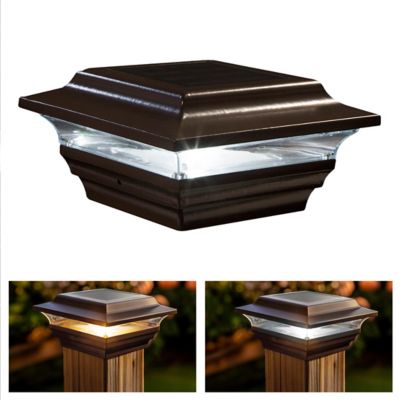
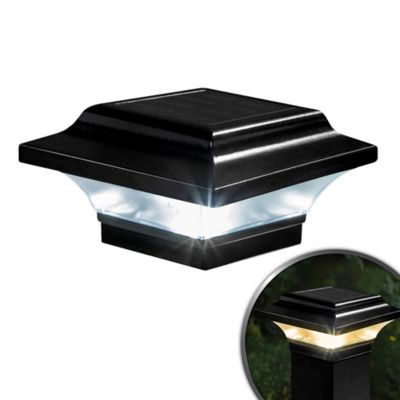
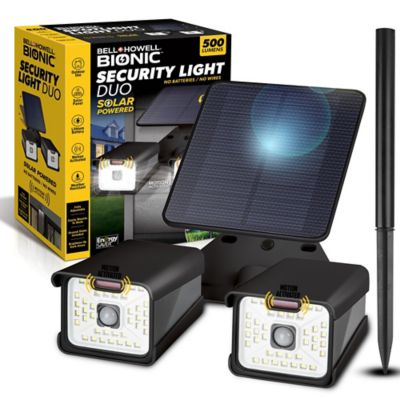
Outdoor solar fence post lights put a little light where a property gets plenty of everyday traffic: the gate beside the driveway, the fence along a gravel walk, or the railing outside the back door. Mounted on top of a post, they help define fence lines and gathering spaces without a power cord running across the yard or a new electrical circuit feeding each fixture. A solar panel collects energy from sunlight, a rechargeable battery stores that energy, and an LED provides light after dark. Many designs include a light sensor that switches the fixture on at dusk and off when daylight returns, while some have selectable lighting modes or a separate power switch. That self-contained setup makes solar post lighting a practical choice for homeowners, acreage owners, and folks adding finishing touches to an existing fence. Placement still matters: a panel needs direct sunlight, not just a bright-looking spot beneath a porch roof or tree canopy. A post tucked against a building may receive far less charging time than one along an open stretch of fence. Battery capacity, panel size, selected brightness, and daily sunlight all affect how long a light stays on, so a stated runtime is best understood alongside the manufacturer’s charging conditions. These fixtures generally work well for outlining a space and adding gentle light rather than lighting an entire yard. A row of low-output caps can trace the route from a side gate to the house, while brighter designs can make individual posts more noticeable. Neither effect replaces lighting intended for detailed work, stair visibility, or security. For a fence near a barn entrance or an equipment area, solar post caps can provide a useful visual reference, with separate task lighting handling chores that need a clear view. The appeal is straightforward: light at the top of the fence, a tidy installation, and no need for a nearby outlet.
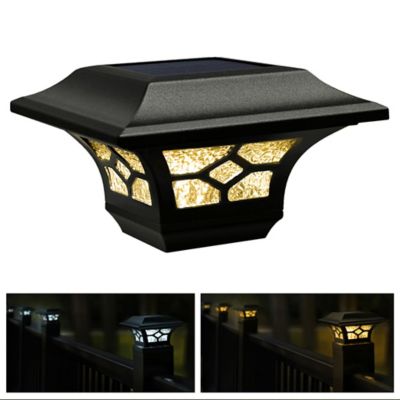
Fit comes before finish when choosing solar fence post lights. Fence-post labels and actual measurements are not always the same, especially with wood. A nominal 4-by-4 wood post commonly measures about 3½ by 3½ inches, while vinyl sleeves, metal posts, and other post sizes can have different outside dimensions. The measurement across the top of the post should match the fixture’s stated mounting dimensions, including any adapter it requires. A cap described for several post sizes may depend on separate bases or inserts, so the mounting details matter as much as the size listed in the name. Flat mounting plates, slip-over bases, and screw-mounted caps also attach differently. An existing cap may need to come off, and the new light needs enough clearance from gate hardware, nearby rails, and anything that swings past the post. A square, sound post top gives the fixture a steadier seat than a split or uneven surface. Materials affect both the look and the upkeep. Molded plastic housings keep weight down and do not rust, while aluminum housings offer a metal finish that can suit gateposts and substantial railings. UV-resistant materials, protective coatings, and corrosion-resistant mounting hardware are worth considering for long-term outdoor exposure; those features vary by design rather than following automatically from the housing material. Clear or textured lenses change how the light spreads, and a securely fitted battery cover helps protect the components inside. Water-resistance ratings offer another useful comparison. An IP65 rating indicates a housing tested for dust protection and resistance to water jets, not a fixture intended for submersion. The manufacturer’s installation requirements still apply, including the proper position of seals and covers. Proportion counts, too. A broad cap can look right on a substantial driveway post but oversized on a narrow garden fence, while a compact fixture may get visually lost on a large post.
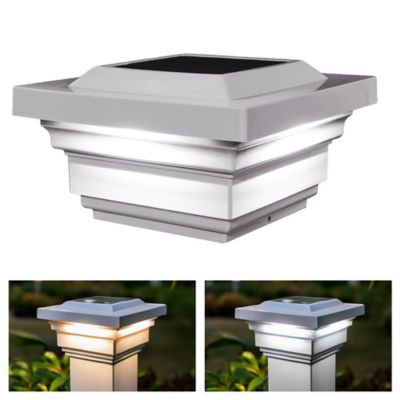
The character of the light matters just as much as the shape of the cap. Warm white light gives a softer appearance beside wood fencing, porch seating, and a backyard table, while cool white light has a crisper look against white vinyl or dark metal. Color temperature, measured in kelvins, helps compare those effects: lower numbers generally look warmer, and higher numbers look cooler. Lumens describe light output, but they do not tell the whole story. A shielded fixture that sends light downward can make the nearby fence and ground more visible than a brighter cap that shines mostly sideways. Clear lenses may show distinct points of light, while frosted lenses tend to soften the appearance. Consistent color and similar brightness help a long fence line look settled rather than pieced together. Around seating areas or neighboring homes, restrained output and controlled light direction can keep the glow where it belongs. Deck railings call for many of the same considerations, and
Solar Post Cap Lights For Decks offer a related option for carrying that look from the fence to the space outside the house. Everyday care is generally simple, though solar lights are not maintenance-free. Dust, pollen, leaves, and sprinkler residue can block part of the panel, so a soft cloth and cleaning methods approved by the manufacturer help preserve charging performance. Abrasive pads and harsh cleaners can scratch lenses or damage finishes. Where the battery is replaceable, the replacement needs to match the specified chemistry, size, and electrical rating; a disposable battery is not a substitute for the rechargeable type the fixture requires. Nearby porch lights can also affect dusk sensors, which is worth keeping in mind when choosing a mounting spot. With the right fit, enough sunlight, and light directed toward the space that needs it, solar fence post lights bring a finished look to a gate, railing, or backyard boundary without making a simple addition into a wiring project.