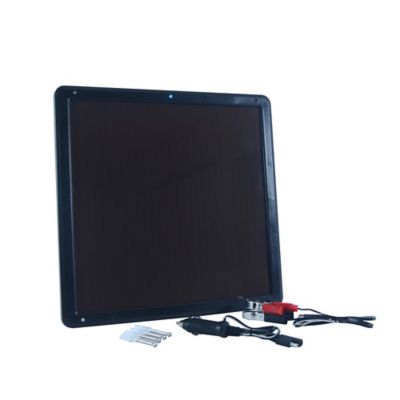
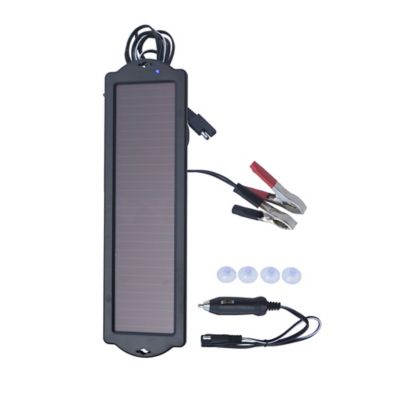
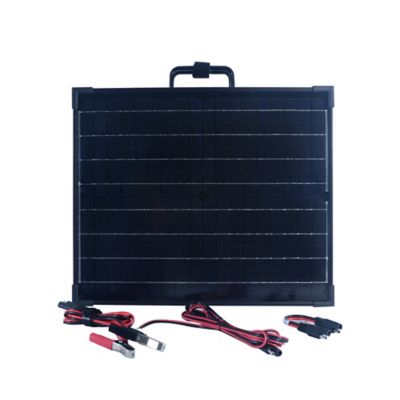
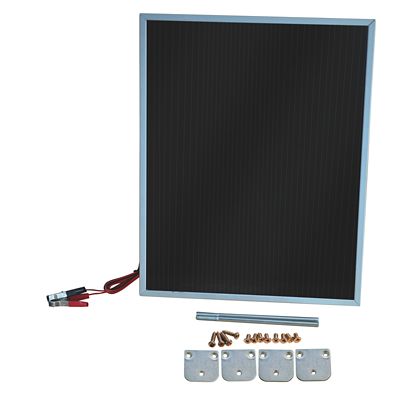
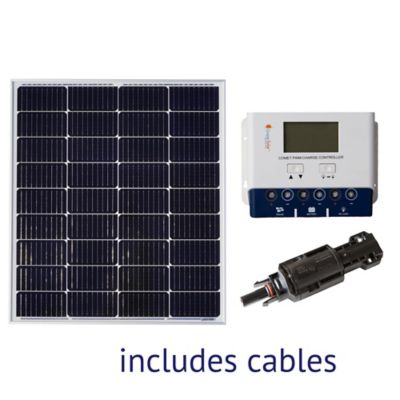
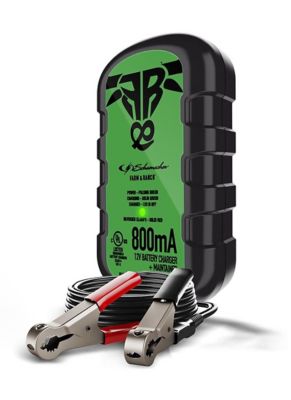
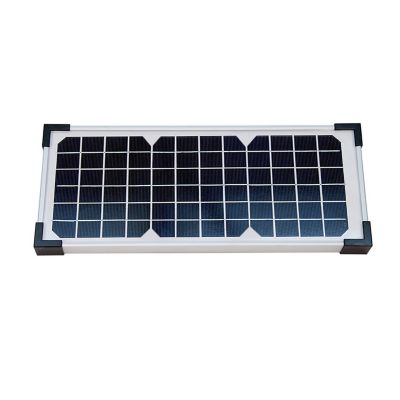
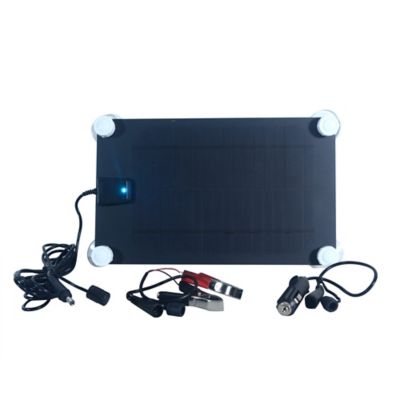
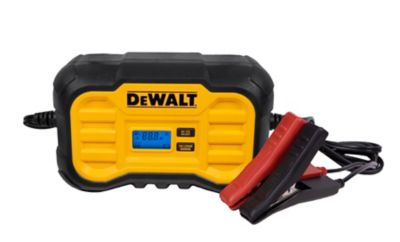
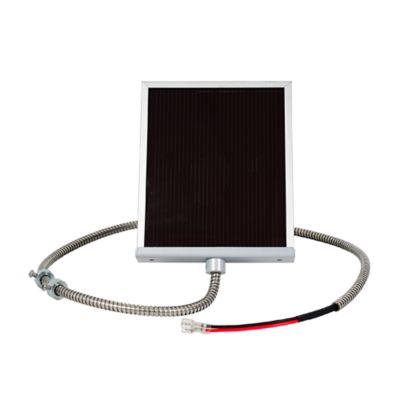
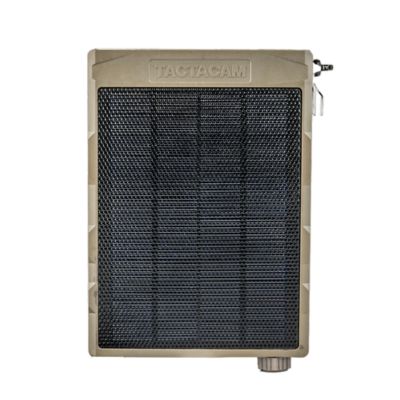
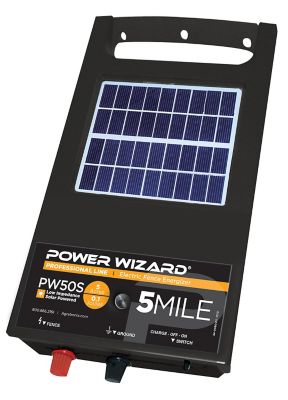
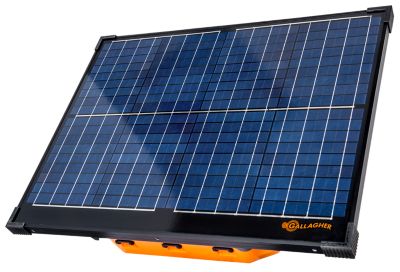
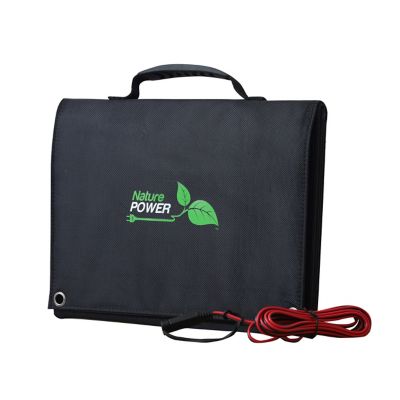
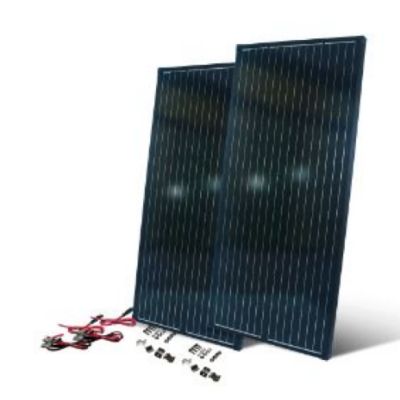
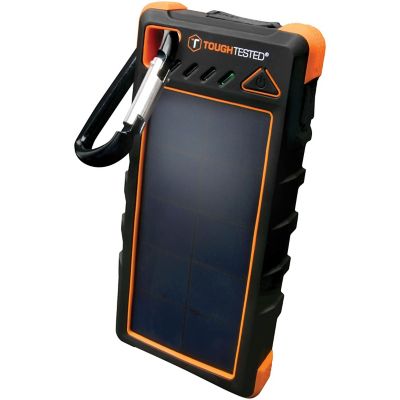
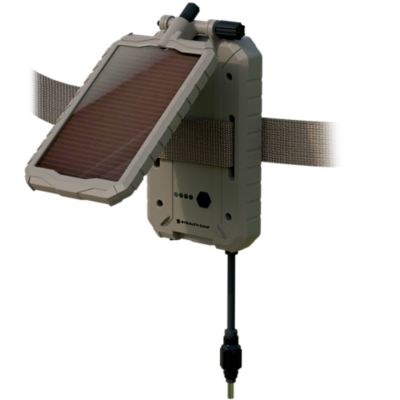
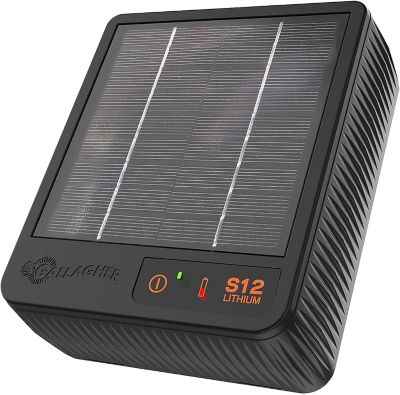
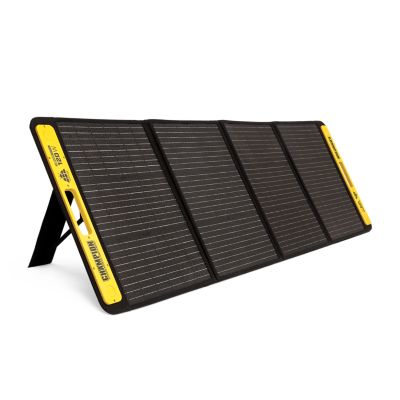
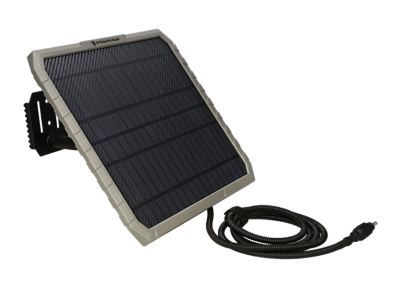
Solar trickle chargers are a handy way to help maintain a 12-volt battery when a vehicle, piece of equipment, or recreational rig sits unused for stretches of time. A small solar panel turns daylight into a low, steady flow of DC power, commonly in the 5- to 20-watt range, to offset the slow drain caused by clocks, alarms, onboard computers, and other electrical systems. That makes a solar trickle charger a practical choice for a classic car parked in the barn, a motorcycle that only comes out on riding days, a boat stored between outings, or an RV, ATV, tractor, or truck that may spend several weeks waiting on the next job. During the warmer part of the year, it can help keep a battery ready while equipment is parked at a hunting camp or seasonal property, and during cooler months it can provide a little extra attention to vehicles that are tucked away until the roads and fields dry out. These chargers are designed for maintenance rather than fast charging. They will not replace a jump starter, and they generally cannot bring a fully dead or badly damaged battery back to life. If a battery has no usable charge, has a shorted cell, or is losing power faster than the panel can replace it, the better first step is to test the battery and address the underlying problem. A healthy battery with a modest, normal standby drain is where a solar trickle charger does its best work.
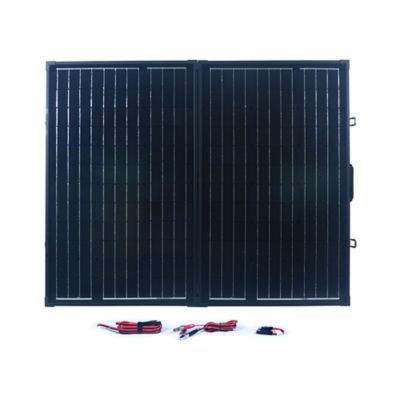
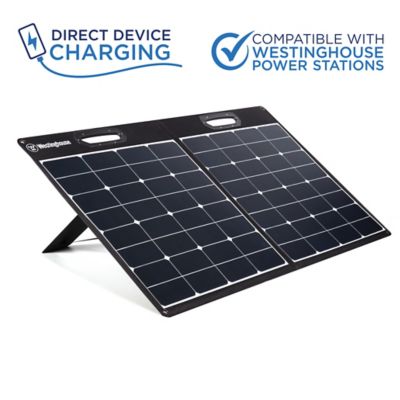
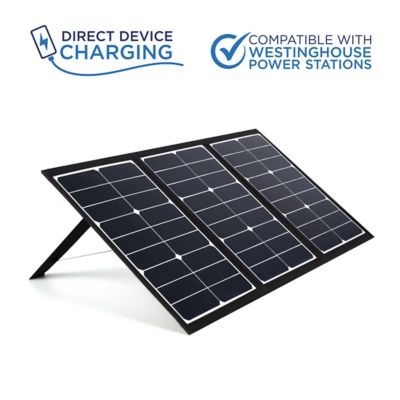
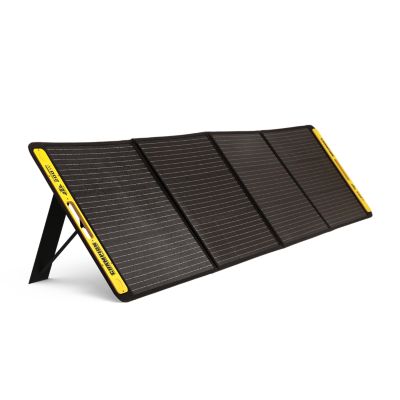
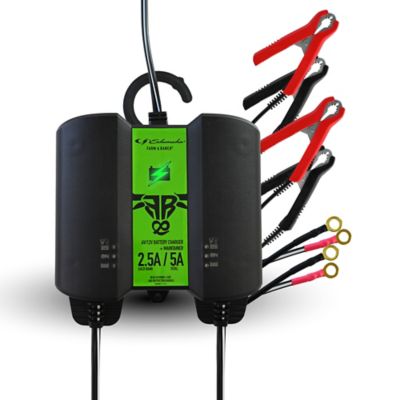
When comparing Solar Trickle Chargers, start with the battery and the place where the charger will be used. Many are intended for 12-volt lead-acid, AGM, or similar vehicle batteries, but checking the charger and battery specifications together is important before making a connection. Wattage gives a general idea of how much energy the panel can provide: a smaller panel may be suitable for keeping a parked motorcycle or car topped off, while a larger panel can make more sense for an RV, boat, work truck, or equipment with additional standby demands. Sunlight, shade, glass, dirt, and the angle of the panel all affect the actual output, so a charger placed in open daylight will generally perform better than one sitting beneath a roof overhang or behind a dusty windshield. Look for a built-in charge controller or blocking diode, which helps regulate the charge and keeps power from flowing backward from the battery into the panel when the sun goes down. Connection style matters, too. Alligator clips are convenient when you need to move the charger from one battery to another, while ring terminals make a more permanent setup for a vehicle that stays parked in the same spot. A 12-volt accessory plug can be easy to use, but not every vehicle keeps that outlet powered when the ignition is off, so verify how the outlet works before relying on it for long-term charging. A long, weather-resistant cable and a sturdy panel frame can also make daily use easier, especially around a gravel drive, equipment shed, marina, or open pasture. If you are looking for a broader way to collect and use sunlight for camping, backup power, and off-grid chores, browse
Portable Solar Panels as another option.
Safe placement and simple upkeep go a long way toward dependable performance. Set the panel where it can receive the best available daylight, keep it clear of heavy shade, and secure it so wind, curious pets, or a bumped toolbox cannot pull on the wiring. Wipe away dust, pollen, bird droppings, and road film with a soft cloth so sunlight can reach the panel surface. Keep connections clean and snug, and follow the charger instructions for polarity, fuse requirements, battery type, and indoor or outdoor use. When working around a battery, wear eye protection, keep sparks and open flames away, and avoid laying metal tools across the terminals. A solar trickle charger can be especially useful for folks who have more equipment than they use every week: the neighbor with an old farm truck, the family member with a camper, or the friend who keeps a boat ready at the lake. It also makes a thoughtful gift for a hands-on driver, small-acreage landowner, or weekend mechanic because it supports a useful habit without taking up much room in the shop. Keep in mind that cloudy weather reduces charging, and a panel may not fully make up for a serious parasitic draw from a light, alarm, radio, winch system, or failing electrical component. If the battery keeps going flat despite good sunlight and secure connections, have the battery and vehicle charging system checked. Used as part of regular storage care, the right solar trickle charger can help reduce surprises, extend the useful time between battery charges, and leave a parked vehicle or machine closer to ready when work, travel, or a good day outdoors rolls around.