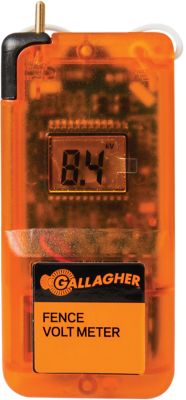
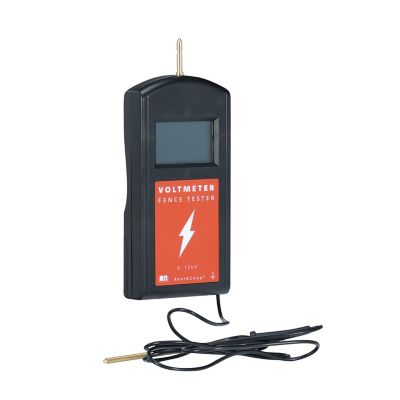
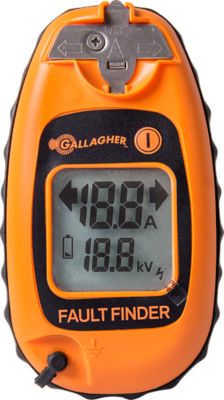
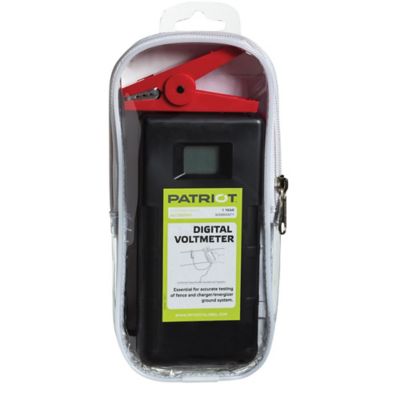
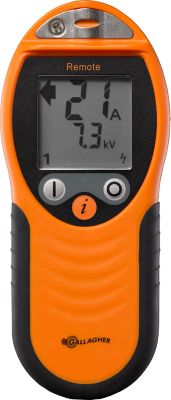
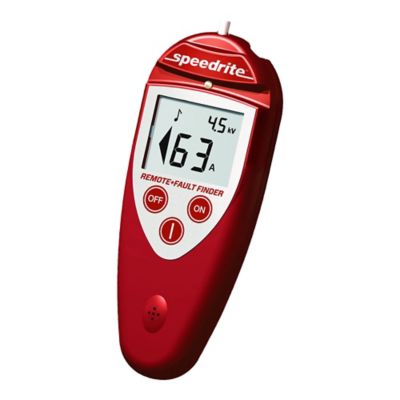
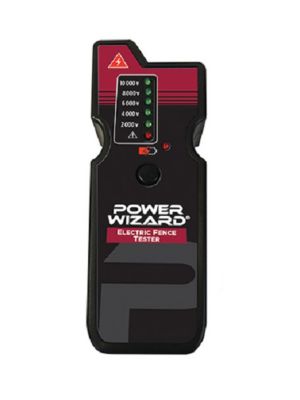
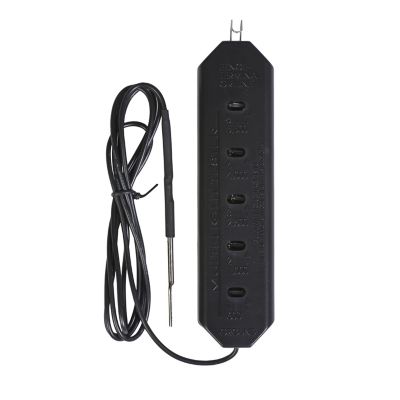
A digital electric fence tester measures the voltage carried by an electric fence’s pulses, giving a numerical reading that helps show how the system is performing. Depending on the model, readings may appear in volts or kilovolts, with one kilovolt equal to 1,000 volts. Some testers also measure current and show its direction, helping narrow down the stretch of fence where power is leaking to ground. Those fault-finding functions are different from a basic voltage display, so the distinction matters when comparing equipment for a small livestock pen versus several connected pastures. A voltage reading can help reveal a problem, but it does not identify every cause on its own. Low readings may point to vegetation touching the wire, a damaged insulator, a loose connection, a grounding issue, or a fault along the fence line. The energizer, fence length, conductor type, and overall layout all affect how the system performs. For cattle owners, horse keepers, sheep producers, and folks managing goats, a tester offers a practical way to check the electrical side of an enclosure rather than relying on whether the energizer appears to be running. The number on the screen is one part of the picture; fence height, spacing, visibility, and the animal’s training still matter. No single voltage target fits every animal and every setup, so energizer and fencing recommendations remain important. On properties with
electric fences, a digital tester serves a different role from the charger or fence wire: it checks pulse voltage at the test location instead of supplying power or creating the barrier. That makes it useful for comparing readings near the energizer, at a gate opening, and toward the far end of a run, where electrical losses can otherwise be hard to spot from a quick walk past the fence.
The right fit starts with the kind of electric fencing on the property and the information needed from a check. A tester should be rated for pulsed electric fence systems and for the voltage range specified by the energizer manufacturer; an ordinary household electrical tester is not a substitute. Compatibility matters whether the energizer draws power from a plug-in connection, a battery, or a solar charging setup. Wire, polywire, rope, and tape present different contact surfaces, making the probe design and the manufacturer’s directions worth a close look. Some designs require a separate ground probe and lead, while others follow a different testing method. A familiar-looking tool may not operate the same way as another, so those details deserve attention. A voltage-only model may suit routine spot checks, while a combined voltmeter and fault finder can provide more information on a branched fence network. Current readings and directional indicators can help with tracing a fault, but their meaning depends on where the measurement is taken and how the fence branches. For everyday handling, details such as an easy-to-read screen, clearly marked controls, and a grip that feels secure can matter as much as the number of functions. A display that remains readable at a comfortable viewing angle makes checks less awkward beside a gatepost or along a low strand. Tough insulating housings, protected displays, and well-supported probe connections help a tester stand up to trips between the barn, truck, and fence line. Metal contact points need a sound connection with the conductor, while leads need enough reach for the testing method without becoming awkward to carry. A compact body fits neatly in a work bag, and a protective case helps keep probes and cables from tangling with fencing tools. For operations with several people handling fence checks, straightforward controls and familiar units make comparing notes easier.
A useful tester earns its place through the small checks that keep fence problems from turning into a long search. A gate handle that looks properly hooked can still have a poor electrical connection, and an insulator behind a post can be cracked even when the wire appears straight. A fallen branch or a sagging strand touching a metal gate can drain power from an otherwise sound fence. Comparing readings at familiar locations helps put those situations in context, especially on a property where several paddocks share one energizer. Consistent test locations and a simple record of readings make changes easier to recognize without treating one number as the whole story. The tester is a diagnostic tool, not a guarantee that livestock will stay inside or wildlife will stay out. It also does not replace a separate assessment of grounding when the fence system calls for one. Manufacturer instructions explain the proper contact points, grounding method, and interpretation of the display for that instrument. Direct contact with an energized fence is not a substitute for testing, and the energizer should be disconnected according to its instructions before handling conductors or making repairs. Care between checks matters, too. Dirt on a probe, a damaged lead, or a weak battery can interfere with testing, so clean contact points, intact insulation, and a secure battery compartment deserve attention. Cleaning should follow the maker’s directions, with storage that protects the screen and keeps cables from being pinched beneath heavier tools. A designated spot in the tack room, farm shop, or fencing bag makes the tester easier to find when a gate needs checking before animals move into another paddock. Whether the job involves a few strands around a horse pasture or longer runs dividing grazing ground, digital electric fence testers help turn an unseen electrical condition into a reading that supports practical fence maintenance.