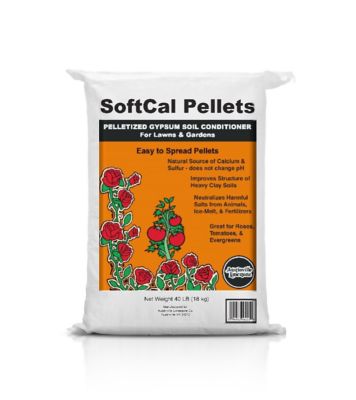
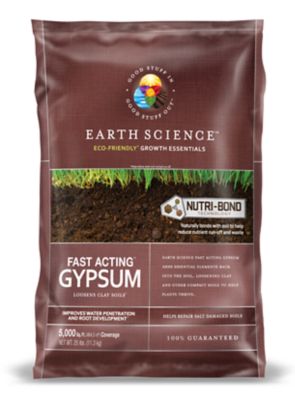
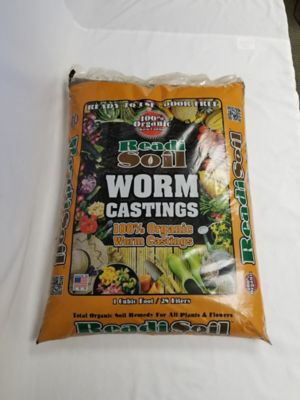
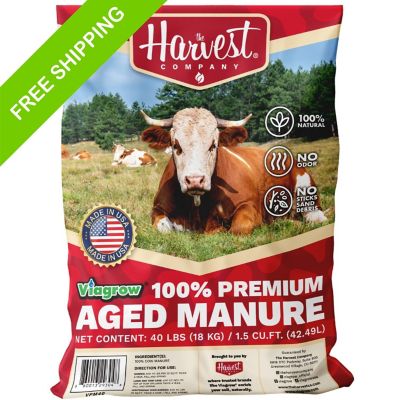
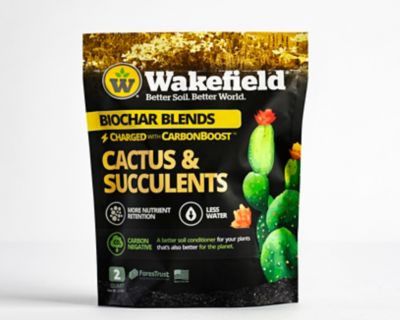
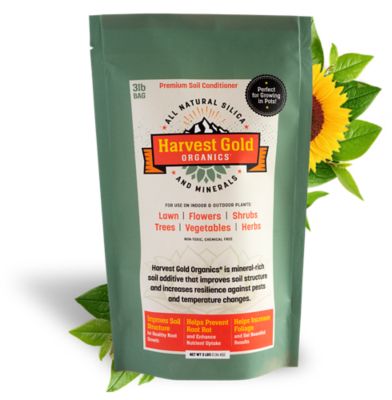
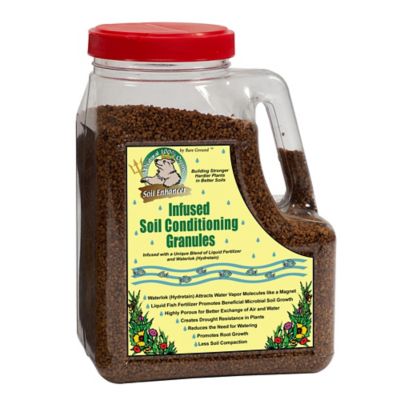
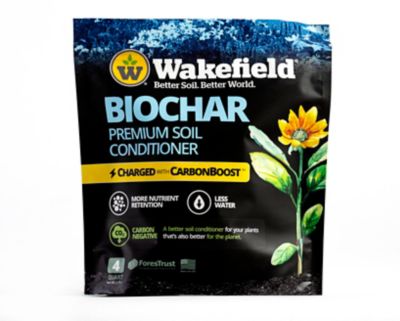
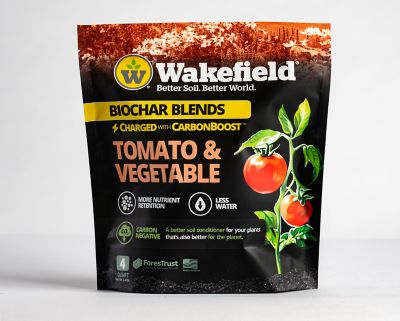
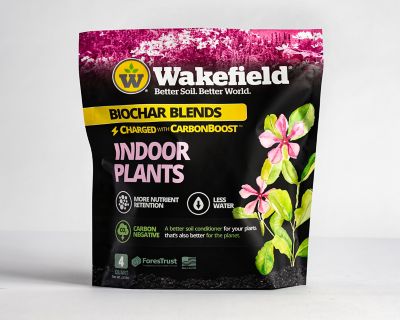
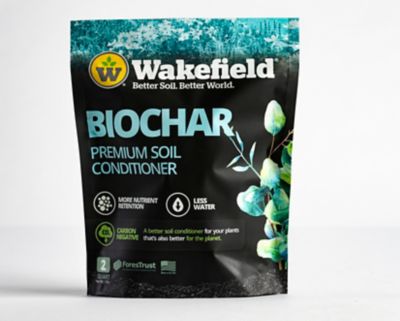
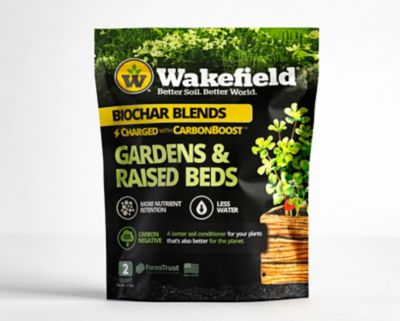
Soil conditioners are materials added to soil to improve its structure, aeration, drainage or ability to hold water. They help create a better growing environment around plant roots, whether the planting area is a backyard vegetable patch, a raised bed, a lawn or a row of shrubs along a fence. The right material depends on the ground it’s going into and the job it needs to do. Dense soil that packs into hard clods has different needs than loose, sandy ground where irrigation water moves through quickly. Organic matter can help clay soil develop a more workable, crumbly structure while helping sandy soil hold moisture and nutrients. Those changes matter below the surface: roots need both water and air, and soil with a good balance of pore spaces gives them room to grow. Soil conditioners differ from fertilizers because their main purpose is improving the soil’s physical properties rather than supplying a measured amount of plant nutrients. Some conditioners contribute nutrients, too, but that doesn’t make them a direct replacement for fertilizer selected around a soil test and the needs of the planting. Compost, composted manure, aged bark and worm castings are examples of organic materials found in this category. Mineral materials, such as perlite and certain gypsum amendments, serve different purposes and need to match the application. For someone tending a kitchen garden, soil improvement may mean ground that’s easier to work and holds moisture more evenly between waterings. For a homeowner planting around a porch, it may mean helping roots establish in a bed with little organic matter. Larger growing areas call for the same attention to soil type, just across more ground. Soil conditioners support that work, but they cannot make a shallow bed deeper, correct poor grading or remove an underground obstruction. Their value comes from matching the material to a real soil need, not adding something simply because the ground looks bare.
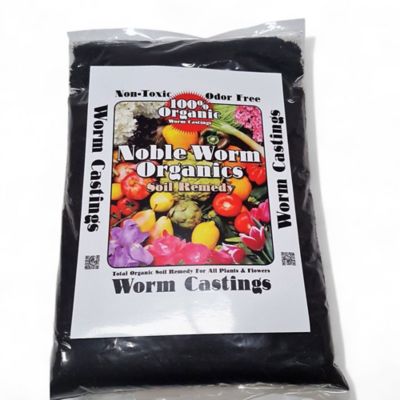
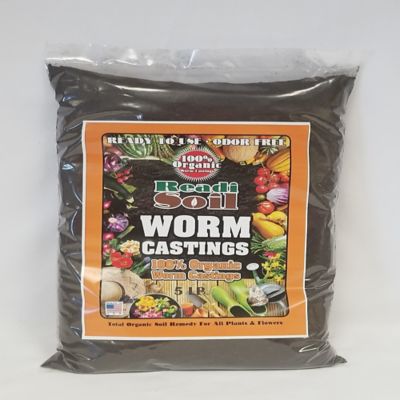
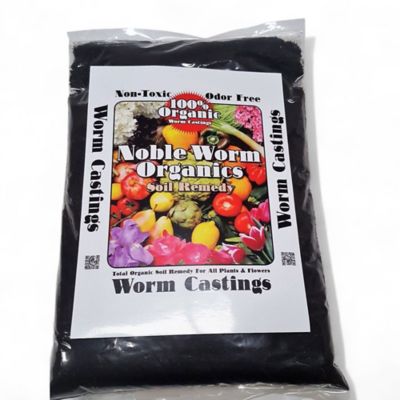
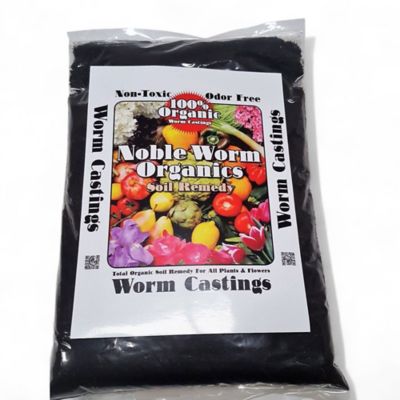
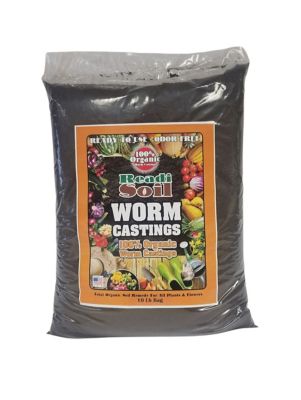
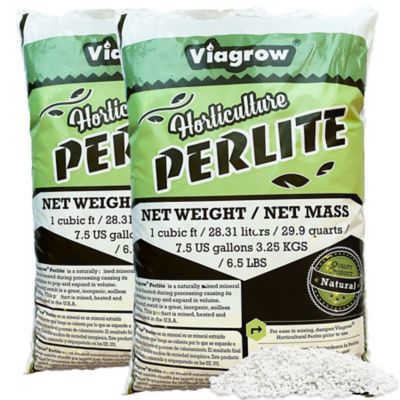
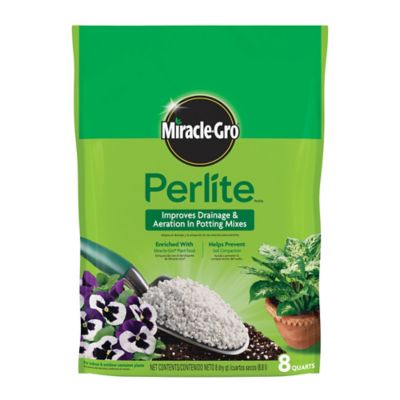
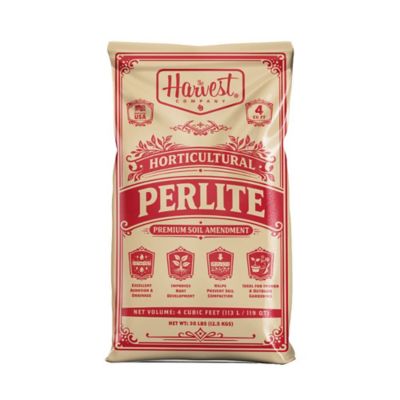
The materials in a soil conditioner affect its texture, nutrient contribution and how long it remains part of the soil. Finished compost generally has an earthy smell and a broken-down texture, making it a practical source of organic matter for many garden beds. As soil organisms continue breaking it down, that organic matter supports soil structure and nutrient cycling. Composted manure can also contribute organic matter and nutrients, though its nutrient content and soluble salts deserve attention, especially around seedlings or in enclosed growing spaces. Raw manure carries different handling concerns and is not interchangeable with a finished, properly composted amendment in a food garden. Aged bark fines provide another texture option, with particle size and degree of decomposition affecting how they fit into a planting mix. Fresh woody material worked into soil can temporarily tie up nitrogen as it decomposes, so material intended for mulching isn’t automatically a good match for mixing into a root zone. Worm castings can contribute organic matter and nutrients, but application rates still matter; adding more is not always better. For containers, horticultural perlite helps create air spaces in a suitable potting blend without supplying meaningful plant nutrition. It serves a different role from compost, and a container mix needs to account for the pot’s drainage openings as well as the plant’s needs. Gypsum is another material with a specific purpose: it can help certain soils affected by excess sodium, but it is not a universal fix for every clay-heavy yard and generally does not raise soil pH like lime. A soil test helps sort out those differences before amendments go into the ground. Adding a small amount of sand to clay is also no shortcut to better drainage and can leave the mixture harder to manage. For established lawns, vegetable beds and landscape plantings, the best fit depends on soil texture, existing fertility, pH and the depth of the root zone. A bag’s coverage information and intended application tell more about that fit than its size alone.
Handling and application are part of getting lasting benefit from soil conditioners. Bagged materials make it easier to measure an amendment for a small bed or a set of containers, while larger planting areas require attention to the total coverage and the amount recommended on the label. A thin surface application around established plants serves a different purpose than incorporating material throughout an open bed before planting. Keeping amendments away from direct contact with trunks and plant crowns helps avoid burying those sensitive areas, and existing roots deserve care when working nearby. For open planting areas where incorporation is appropriate,
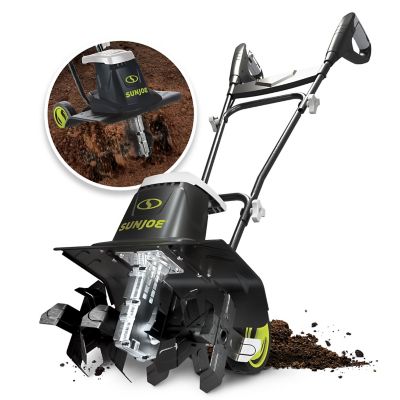
Soil Tillers can help blend amendments into the ground; working soil while it is overly wet can smear and compact it instead of improving its structure. Foot traffic and equipment traffic matter, too. A garden bed repeatedly crossed by boots, wheelbarrows or machinery can become packed down again, even after organic matter has been added. Keeping regular travel paths outside the growing area helps protect the work below the surface. Conditioner materials also need sensible storage and handling. Follow package directions, keep bags protected from moisture that could damage the packaging, and take care to limit dust when pouring dry mineral materials. Gloves and any protective equipment called for on the label belong in the job alongside the shovel and rake. Results depend on the starting soil, the amendment and the way the area is managed afterward. Organic materials gradually break down, so their contribution changes over time rather than remaining fixed after one application. Mineral amendments may remain longer, but they still need a clear reason for going into the soil. Adding conditioner does not eliminate the need for suitable watering, drainage or plant nutrition. In a raised bed, a planting mix that settles may need its volume and structure reassessed; in an established garden, another application should reflect how the ground is performing and what soil testing shows. Soil conditioners work best as part of steady care that keeps roots supplied with air, moisture and room to grow.